
Nutrition comparison
Salmon vs Chicken Breast: Which Protein Is Better for You?
Compare Salmon and Chicken Breast on protein, omega-3s, weight loss, safety, and cost. Find out which lean protein fits your health goals and when to choose each.
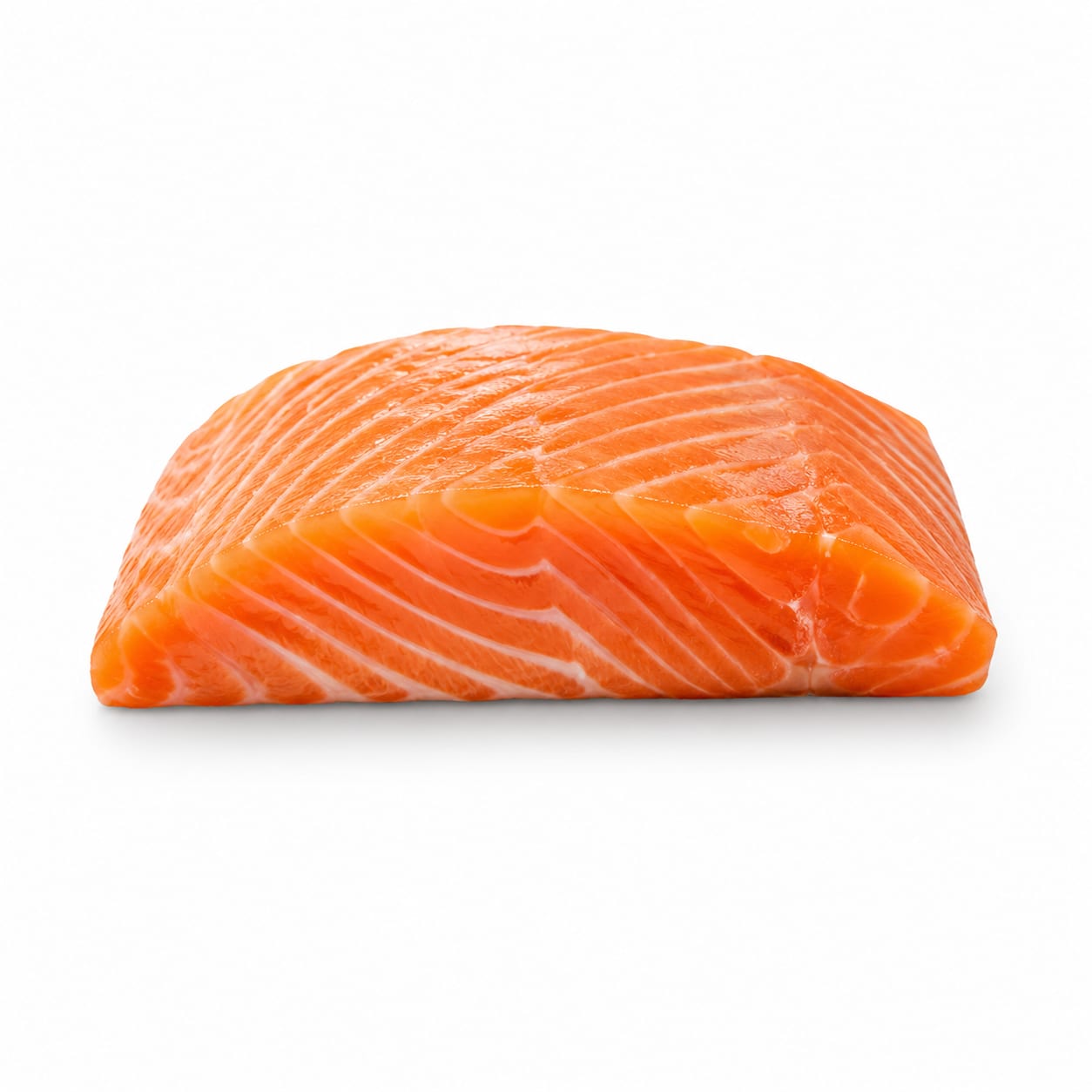
Salmon
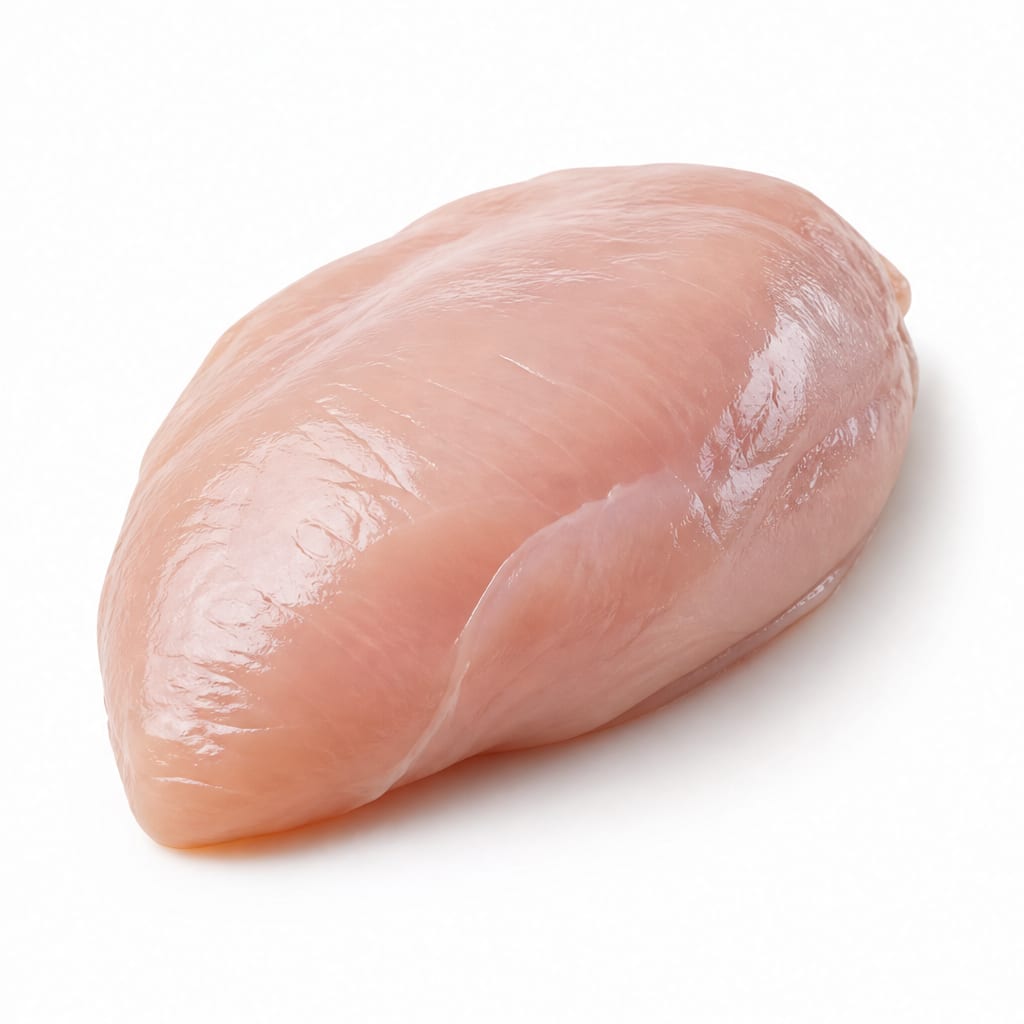
Chicken Breast
Salmon delivers unmatched omega-3s and anti-inflammatory benefits, while Chicken Breast offers leaner protein at a lower price point with easier daily frequency.
Salmon edges ahead on nutritional density and unique health benefits, but Chicken Breast stays competitive through leanness, affordability, and daily usability. The close scores reflect that both are excellent choices with different strengths.
Heart-healthy fats and brain benefits versus fewer calories and more affordable everyday protein.
At a glance
Executive summary
Overall
It depends
Healthier
Salmon
More practical
Chicken Breast
Daily use
Chicken Breast
Key comparison lenses
lean protein source selection
Both are top-tier protein choices, and users are usually deciding which to prioritize for their meal plan
heart health and omega-3 intake
Salmon's omega-3 content is its defining advantage over nearly all other animal proteins
weight loss and calorie control
Chicken Breast is famously lean, making it a staple for calorie-conscious eaters
contamination and safety concerns
Mercury in seafood versus antibiotic residues in poultry are both real worries
budget and everyday practicality
Price and cooking convenience often determine which protein actually ends up on the plate
Best choice for
Salmon
- People prioritizing heart and brain health
- Those wanting anti-inflammatory benefits
- Anyone eating fish 2-3 times per week as recommended
- Older adults needing cognitive and joint support
Chicken Breast
- Calorie-counters aiming for weight loss
- Budget-conscious meal preppers
- People who eat protein multiple times daily
- Anyone avoiding seafood due to taste or allergy
Least suitable for
Salmon
- People with mercury sensitivity concerns
- Those on very tight grocery budgets
- Anyone who dislikes fish flavor
- Households with limited refrigeration for fresh seafood
Chicken Breast
- People needing omega-3 intake from food
- Those with poultry allergies
- Anyone bored by bland lean proteins
- People seeking anti-inflammatory dietary patterns
Deep comparison
Dimension by dimension
Each lens scores both foods and breaks down who each option suits.
- Dimension 1 · Priority 95Chicken Breast
Protein Quality & Quantity
Salmon · 82Chicken Breast · 90Chicken Breast delivers more protein per calorie, making it the more efficient muscle-building choice. Salmon still offers excellent complete protein but carries more calories from fat.
Tradeoff
More total protein per serving versus protein accompanied by beneficial fats that slow digestion and extend satiety.
Why it matters
If you are tracking macros closely or eating in a calorie deficit, the protein-to-calorie ratio makes a real difference in hitting daily targets.
Real-world impact
A 4oz serving of Chicken Breast gives you roughly 35g protein for 165 calories. The same amount of Salmon gives you about 28g protein for 233 calories. Over a week of daily lunches, that gap adds up.
Salmon
- Longer-lasting fullness after eating
- More sustained amino acid release
Better for
- Harder to fit into strict calorie limits
- Less total protein per serving
Worse for
Chicken Breast
- Hitting high protein targets on a cut
- Maximum protein per dollar spent
Better for
- Less satisfying without added fats
- Can feel dry and repetitive
Worse for
- Dimension 2 · Priority 92Salmon
Heart Health & Omega-3s
Salmon · 96Chicken Breast · 35Salmon is one of the best food sources of EPA and DHA omega-3s. Chicken Breast has virtually none.
Tradeoff
A genuinely cardioprotective fat profile versus a lean protein that is neutral for heart health but not actively beneficial.
Why it matters
Most people eating Western diets are deficient in omega-3s. Regular Salmon consumption directly addresses this gap in a way Chicken Breast cannot.
Real-world impact
Eating Salmon twice a week can meaningfully lower triglycerides and improve cholesterol ratios. Chicken Breast will not hurt your heart, but it will not actively help it either.
Salmon
- Reducing triglyceride levels
- Supporting brain function and mood
- Lowering chronic inflammation
- Improving cholesterol ratios
Better for
- Higher total fat may not suit very low-fat diets
- Omega-3 supplements could replace this benefit
Worse for
Chicken Breast
- Keeping saturated fat intake minimal
- Avoiding dietary fat entirely if medically advised
Better for
- Zero contribution to omega-3 intake
- No anti-inflammatory fat benefit
Worse for
- Dimension 3 · Priority 88Chicken Breast
Weight Management
Salmon · 72Chicken Breast · 88Chicken Breast is the classic weight-loss protein for good reason: maximum protein with minimum calories. Salmon is satisfying but calorie-denser.
Tradeoff
Easier calorie control versus more satiety per meal from fat content.
Why it matters
In a calorie deficit, every calorie counts. Chicken Breast lets you eat more volume of food for the same protein, which helps with adherence.
Real-world impact
If your daily protein target is 150g, reaching it with Chicken Breast costs roughly 680 calories. Hitting it with Salmon costs closer to 1000 calories. That 320-calorie difference is a snack or a dessert.
Salmon
- Fewer cravings between meals due to fat content
- More satisfying eating experience
Better for
- Higher calorie density can slow weight loss
- Easier to overeat if portions are not measured
Worse for
Chicken Breast
- Easier to maintain a calorie deficit
- More food volume per calorie
Better for
- Meals can feel less satisfying without added fats
- May need dressing or sauce to enjoy, adding calories
Worse for
- Dimension 4 · Priority 85Salmon
Satiety & Fullness
Salmon · 88Chicken Breast · 74Salmon's natural fat content keeps you full longer. Chicken Breast fills you up from protein but can leave you hungry sooner without added fats.
Tradeoff
Built-in satiety from fats versus needing to add fats separately for the same effect.
Why it matters
Meals that keep you full reduce snacking and make healthy eating feel easier rather than forced.
Real-world impact
A Salmon dinner at 7pm likely carries you to breakfast. A Chicken Breast dinner might have you reaching for a snack by 10pm unless you pair it with avocado or olive oil.
Salmon
- Stays with you for hours
- Less urge to snack afterward
- Feels like a complete meal without additions
Better for
- Heavier meal may not suit hot weather or light appetites
- Can feel too rich before exercise
Worse for
Chicken Breast
- Lighter feeling after eating
- Better for pre-workout meals where you want less digestive load
Better for
- Often needs added fat to feel complete
- More prone to late-night hunger
Worse for
- Dimension 5 · Priority 82It depends
Food Safety & Contamination
Salmon · 68Chicken Breast · 72Salmon carries mercury and microplastic concerns. Chicken Breast carries antibiotic and salmonella risks. Both have real but different safety profiles.
Tradeoff
Environmental contaminants in seafood versus bacterial and antibiotic concerns in poultry.
Why it matters
Frequency of consumption amplifies risk. Eating either food daily increases exposure to its specific contamination profile.
Real-world impact
Wild-caught Salmon has lower contaminant risk than farmed but costs more. Organic or antibiotic-free Chicken Breast reduces poultry risks but also costs more. Budget often determines actual exposure.
Salmon
- Lower bacterial food poisoning risk when properly handled
- Cooking eliminates most pathogen concerns
Better for
- Mercury and PCB exposure, especially from farmed Salmon
- Microplastic contamination in seafood supply
Worse for
Chicken Breast
- No mercury accumulation risk
- Safe for daily consumption without heavy metal concerns
Better for
- Salmonella risk if undercooked
- Antibiotic residue concerns in conventional poultry
Worse for
- Dimension 6 · Priority 80Salmon
Anti-Inflammatory Properties
Salmon · 94Chicken Breast · 45Salmon is actively anti-inflammatory thanks to omega-3s. Chicken Breast is neutral, neither causing nor reducing inflammation significantly.
Tradeoff
A food that fights inflammation versus a food that simply avoids contributing to it.
Why it matters
Chronic inflammation underlies many modern diseases. Eating anti-inflammatory foods regularly is one of the most impactful dietary changes you can make.
Real-world impact
People with joint pain, autoimmune conditions, or high stress often notice a difference when eating Salmon regularly. Chicken Breast will not make things worse, but it will not help either.
Salmon
- Reducing systemic inflammation markers
- Supporting joint and skin health
- Complementing anti-inflammatory dietary patterns like Mediterranean
Better for
- Rarely, omega-3s can thin blood excessively
- Farmed Salmon may have inflammatory omega-6 imbalance
Worse for
Chicken Breast
- Neutral profile fits elimination diets
- No risk of inflammatory responses from fish oils in sensitive individuals
Better for
- Conventional chicken may contain inflammatory omega-6 from feed
- No active inflammation-reducing compounds
Worse for
- Dimension 7 · Priority 75Chicken Breast
Versatility & Convenience
Salmon · 65Chicken Breast · 85Chicken Breast adapts to virtually any cuisine and cooking method. Salmon is more limited by its strong flavor and delicate texture.
Tradeoff
Culinary flexibility and ease versus a distinctive flavor that defines the dish.
Why it matters
The protein you can cook 20 ways is the protein you actually eat. Boredom is a real reason people abandon healthy eating.
Real-world impact
Chicken Breast works in stir-fries, salads, soups, tacos, sandwiches, and curries without dominating the flavor. Salmon works beautifully but you always know you are eating fish.
Salmon
- Stands alone as a centerpiece dish
- Rich flavor means less seasoning needed
Better for
- Reheating often ruins the texture
- Fish flavor limits pairing options
- More perishable and smell-sensitive storage
Worse for
Chicken Breast
- Works in nearly any recipe or cuisine
- Milder flavor absorbs marinades and sauces easily
- Meal prep friendly and reheats well
Better for
- Can dry out easily if overcooked
- Bland without proper seasoning
Worse for
- Dimension 8 · Priority 72Chicken Breast
Cost & Accessibility
Salmon · 45Chicken Breast · 85Chicken Breast is one of the most affordable protein sources. Quality Salmon is significantly more expensive, especially wild-caught.
Tradeoff
Paying a premium for unique nutritional benefits versus getting solid nutrition at a fraction of the cost.
Why it matters
Cost determines what people actually eat consistently, not what they know is optimal.
Real-world impact
Chicken Breast typically costs $3-5 per pound. Wild Salmon costs $12-25 per pound. For a family of four eating protein twice daily, that difference can be $200+ per month.
Salmon
- Canned Salmon is an affordable alternative with similar benefits
- Higher cost may encourage more mindful consumption
Better for
- Wild-caught is expensive and not always available
- Farmed is cheaper but nutritionally inferior
Worse for
Chicken Breast
- Budget-friendly for daily eating
- Widely available in any grocery store
Better for
- Price can vary with supply chain issues
- Organic versions approach Salmon pricing
Worse for
Timeline
Health impact over time
Short-term
Hours to days
Salmon
- More satisfying meals with less between-meal hunger
- Smoother energy from balanced fat and protein
- Possible fishy aftertaste or breath
Chicken Breast
- Light post-meal feeling suitable for active days
- Quick protein absorption after workouts
- May feel hungry sooner without added fats
Long-term
Months to years
Salmon
- Improved cardiovascular markers with regular consumption
- Better cognitive function and mood stability from omega-3s
- Potential mercury accumulation if eaten excessively
- Reduced joint inflammation and stiffness
Chicken Breast
- Reliable lean muscle maintenance over time
- Neutral cardiovascular impact, neither helping nor harming
- Possible nutrient monotony if eaten without variety
- Lower risk of heavy metal exposure with frequent consumption
Risk profile
Safety & processing
Both Salmon and Chicken Breast are whole, minimally processed foods when purchased fresh or frozen without additives. Farmed Salmon may have colorants added to feed. Some Chicken Breast is enhanced with sodium solution. Always check labels for plumped or injected products.
Salmon
Mercury and heavy metals
mediumSalmon is relatively low in mercury compared to tuna, but regular consumption of large farmed Salmon can still contribute to accumulation. Wild-caught is generally safer.
PCBs and dioxins
mediumFarmed Salmon tends to have higher levels of industrial pollutants stored in fat. Choosing wild-caught reduces this significantly.
Microplastics
lowAll seafood carries some microplastic contamination. Salmon is not the worst offender but it is present.
Parasites in raw preparations
mediumSushi-grade Salmon must be previously frozen to kill parasites. Never use regular fresh Salmon for raw consumption.
Chicken Breast
Salmonella contamination
highRaw or undercooked Chicken Breast is a leading source of salmonella poisoning. Always cook to 165°F internal temperature.
Antibiotic residues
mediumConventional poultry may contain antibiotic residues from farming practices. Choose antibiotic-free or organic to reduce exposure.
Sodium enhancement
lowSome commercial Chicken Breast is injected with sodium solution. This can add 200-400mg sodium per serving unexpectedly.
Campylobacter
mediumAnother common bacterial risk in poultry, often from cross-contamination during handling.
Who wins for whom
Audience fit
Same foods, different winners depending on your goal.
children
SalmonDHA is critical for brain development in growing children, though portion sizes should be moderate due to mercury.
daily consumption
Chicken BreastNo mercury accumulation risk and lower cost make it safer and more practical for everyday eating.
diabetes
SalmonOmega-3s improve insulin sensitivity and reduce inflammation, both valuable for blood sugar management.
elderly
SalmonOmega-3s support cognitive health, joint function, and cardiovascular protection, all key concerns with aging.
muscle gain
Chicken BreastHigher protein density per calorie supports building muscle in both caloric surpluses and deficits.
weight loss
Chicken BreastFewer calories per gram of protein make it easier to maintain a deficit without sacrificing protein intake.
Your move
Decision guide
Choose Salmon
- You want to boost omega-3 intake without supplements
- Heart health, brain function, or joint support is a priority
- You eat protein 1-2 times per day and want maximum nutritional impact
- You follow a Mediterranean or anti-inflammatory dietary pattern
- You can afford wild-caught and enjoy the flavor
Choose Chicken Breast
- You are counting calories or macros closely
- You meal prep on a budget and need affordable protein
- You eat protein 3+ times daily and need variety
- You dislike fish or cook for picky eaters
- You want a neutral protein that works in any recipe
Either works if
- You simply need high-quality complete protein
- You rotate proteins throughout the week anyway
- Both fit your budget and you enjoy both flavors
- You are generally healthy and just want solid nutrition
Avoid both if
- You have specific allergies to fish or poultry
- Your doctor has advised against either due to a medical condition
- You are on a very restrictive elimination diet
Final recommendation
The smartest move is to eat both. Have Salmon 2-3 times per week for omega-3s and anti-inflammatory benefits, and fill the rest of your week with Chicken Breast for lean, affordable, versatile protein. This combination gives you the unique advantages of each without the downsides of over-relying on either one.
Practical
Consumer tips
- 1
Choose wild-caught Salmon when possible for better omega-3 ratios and fewer contaminants
- 2
Canned Salmon with bones is a budget-friendly option that also provides calcium
- 3
Check Chicken Breast labels for sodium enhancement, which can add hidden salt
- 4
Freeze Salmon portions individually so you only thaw what you need, reducing waste
- 5
Marinate Chicken Breast in yogurt or citrus to keep it moist and flavorful without added fat
- 6
Pair Chicken Breast with olive oil, avocado, or nuts to add the healthy fats Salmon provides naturally
- 7
Limit Salmon to 2-3 servings per week to balance omega-3 benefits with mercury exposure
- 8
Use a meat thermometer for Chicken Breast to hit 165°F without overcooking and drying it out