
Nutrition comparison
Salmon vs Mackerel: Which Fatty Fish is Healthier?
Compare Salmon vs Mackerel for omega-3s, mercury, and vitamins. Learn which fish is safer for weekly consumption and which packs more Vitamin D.
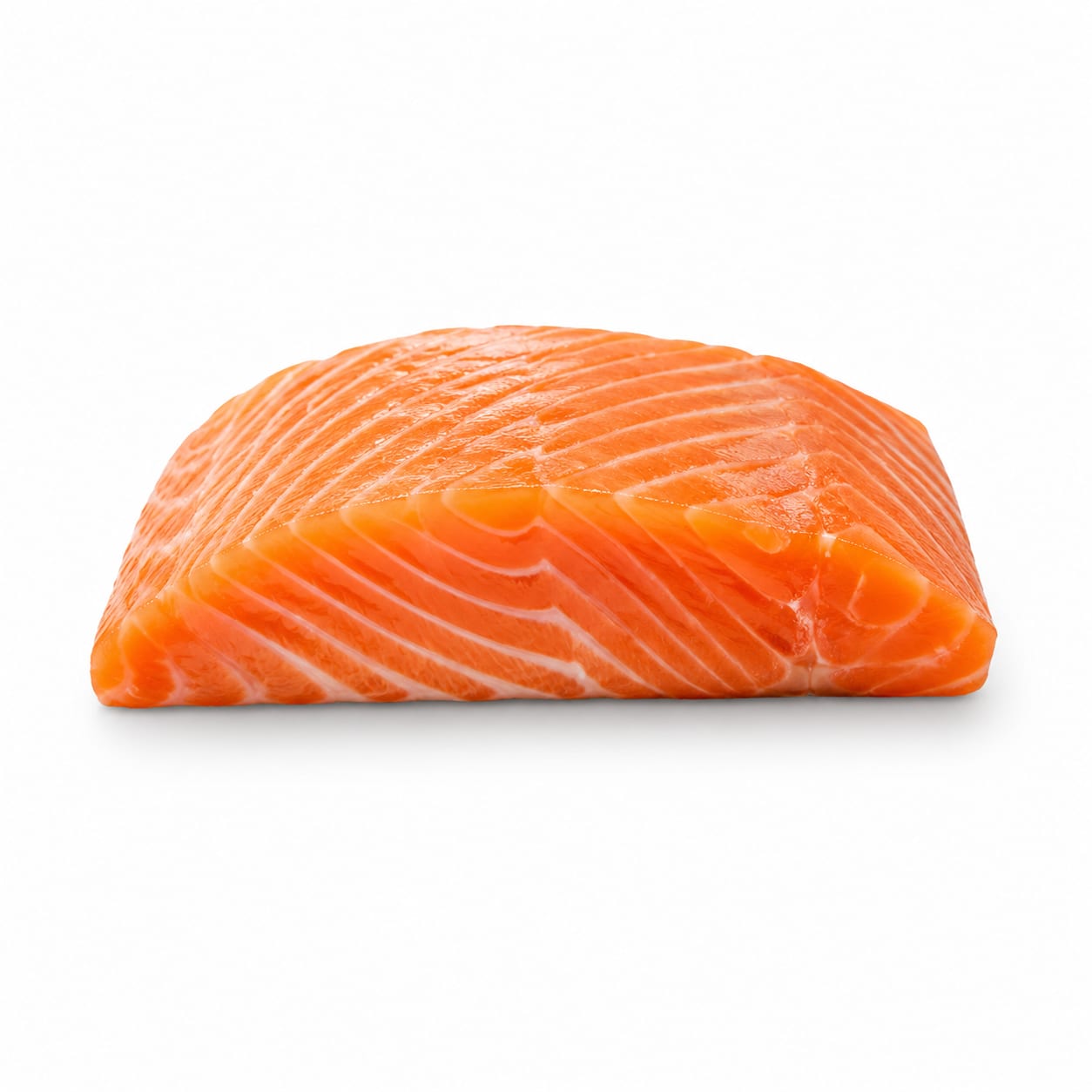
Salmon
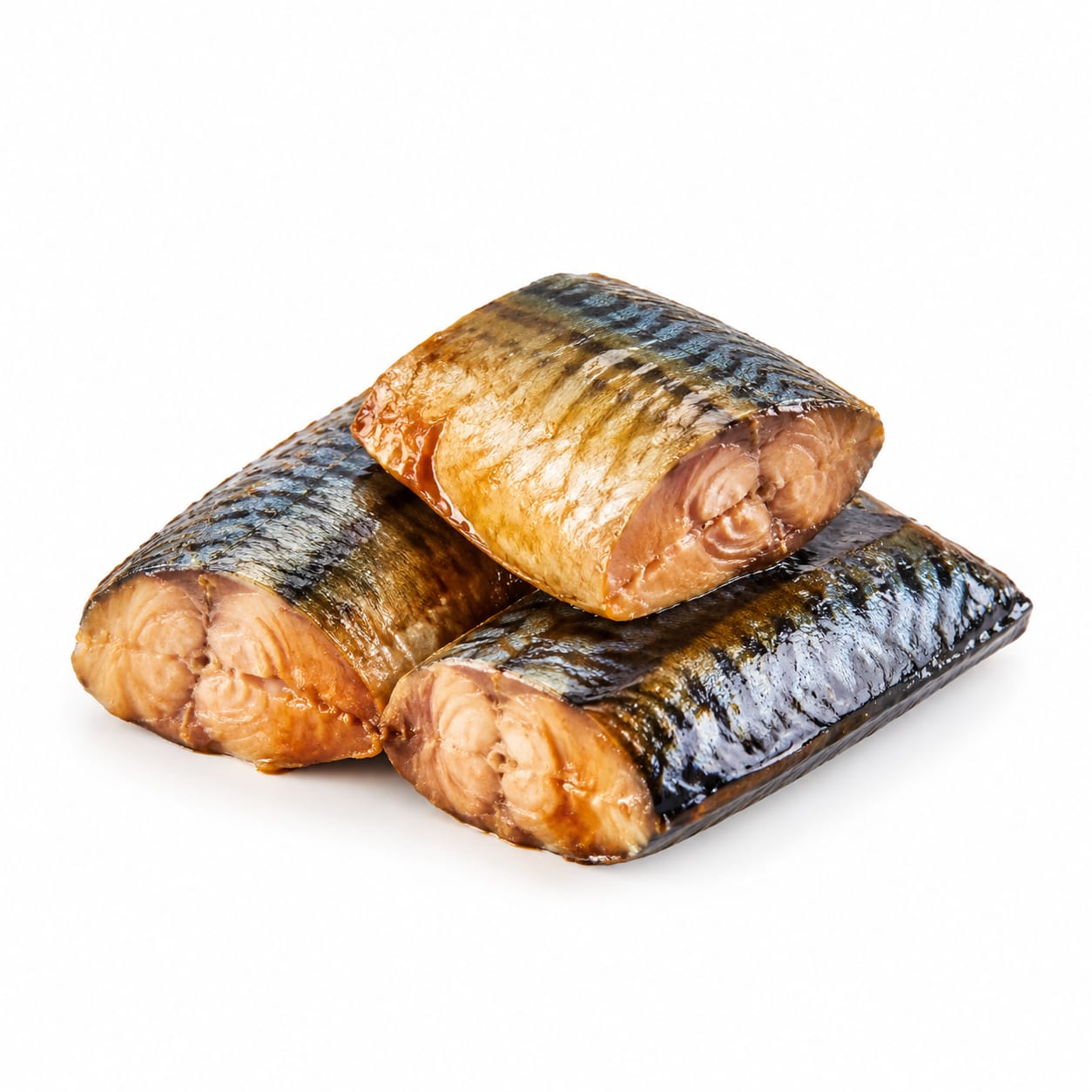
Mackerel
Salmon is a safer, more versatile weekly staple, while Mackerel is a nutrient-dense powerhouse that requires careful species selection to avoid mercury.
Salmon scores higher primarily due to its consistent safety profile and culinary versatility. Mackerel is nutritionally superior in certain vitamins but loses ground because of the severe mercury risks associated with King Mackerel and the extra vigilance required.
You trade Salmon's consistent safety and mild flavor for Mackerel's superior Vitamin D and higher omega-3s, but at the risk of higher mercury if you choose the wrong Mackerel species.
At a glance
Executive summary
Overall
It depends
Healthier
Salmon
More practical
Salmon
Daily use
Salmon
Key comparison lenses
Omega-3 fatty acid density and heart health
Both are premier sources of EPA and DHA, making their specific omega-3 profiles the primary reason consumers choose them.
Heavy metal and mercury safety
Mackerel species vary drastically in mercury, creating a critical safety tradeoff against Salmon's consistent low-mercury profile.
Vitamin D and B12 intake
Mackerel is a rare dietary powerhouse for Vitamin D, often surpassing Salmon, which matters greatly for deficiency management.
Culinary versatility and flavor preference
Salmon's mildness makes it a staple, while Mackerel's strong flavor dictates specific preparation methods.
Best choice for
Salmon
- Pregnant women and children due to low mercury
- People who want a mild, easy-to-cook weekly fish staple
- Those tracking calories who want high protein with moderate fat
Mackerel
- Those needing a massive Vitamin D boost
- Budget-conscious shoppers buying canned fish
- People who enjoy rich, robust, savory fish flavors
Least suitable for
Salmon
- People avoiding farmed fish who cannot afford wild-caught Salmon
Mackerel
- Pregnant women who cannot verify the Mackerel species
- Those sensitive to strong fishy flavors or smells
Deep comparison
Dimension by dimension
Each lens scores both foods and breaks down who each option suits.
- Dimension 1 · Priority 95Mackerel
Omega-3 & Heart Health
Salmon · 92Mackerel · 96Mackerel edges out Salmon with a slightly higher concentration of EPA and DHA omega-3s per serving, making it a cardiovascular powerhouse.
Tradeoff
You get more omega-3s with Mackerel, but the safety of those fats depends heavily on choosing the right species.
Why it matters
Omega-3s are the main reason people eat fatty fish; more of them means stronger anti-inflammatory benefits.
Real-world impact
Eating Mackerel a couple of times a month can significantly boost your heart health, provided you stick to Atlantic Mackerel.
Salmon
- Salmon is better for consistent, worry-free omega-3 intake multiple times a week
Better for
- Salmon is slightly less efficient at delivering the absolute maximum omega-3 dose
Worse for
Mackerel
- Mackerel is better for maximizing EPA and DHA per single serving
Better for
- Mackerel's omega-3 benefits are negated if high-mercury King Mackerel is consumed
Worse for
- Dimension 2 · Priority 92Salmon
Heavy Metal & Safety
Salmon · 90Mackerel · 55Salmon has consistently low mercury levels across all species, while Mackerel ranges from very safe (Atlantic) to dangerously high (King).
Tradeoff
Mackerel's superior nutrient density comes with the mental load of having to verify which species you are actually buying.
Why it matters
Mercury accumulates over time and impairs brain health, completely negating the cognitive benefits of the omega-3s you are eating the fish for.
Real-world impact
Ordering Salmon at a restaurant is a worry-free choice; ordering Mackerel requires asking if it is Atlantic or King Mackerel.
Salmon
- Salmon is better for pregnant women and children who need strict mercury avoidance
Better for
- Salmon is worse for people who want to assume all varieties of a fish are safe without researching
Worse for
Mackerel
- Atlantic Mackerel is better for those who verify their source and want high nutrients on a budget
Better for
- Mackerel is worse for anyone who does not want to research species-specific mercury levels
Worse for
- Dimension 3 · Priority 85Mackerel
Vitamin D & B12 Density
Salmon · 82Mackerel · 95Mackerel is one of the few foods that can genuinely resolve a Vitamin D deficiency, packing significantly more than Salmon.
Tradeoff
You get an exceptional vitamin boost from Mackerel, but you have to balance it against the heavy metal exposure risk.
Why it matters
Vitamin D deficiency is rampant, and food sources are rare. Mackerel is practically a natural supplement.
Real-world impact
Eating Mackerel during winter months can noticeably improve mood and energy levels for those low on Vitamin D.
Salmon
- Salmon is better for maintaining baseline Vitamin D with lower fat content
Better for
- Salmon is worse for those relying solely on food to fix a severe Vitamin D deficiency
Worse for
Mackerel
- Mackerel is better for reversing a clinical Vitamin D deficiency through diet alone
Better for
- Mackerel is worse for those who want low-fat sources of B vitamins
Worse for
- Dimension 4 · Priority 70Salmon
Culinary Versatility & Flavor
Salmon · 90Mackerel · 65Salmon's mild, buttery flavor and wide availability make it a kitchen staple, whereas Mackerel's strong fishiness limits its appeal.
Tradeoff
Mackerel offers a richer, more intense seafood experience, but it is harder to incorporate into meals for picky eaters.
Why it matters
The healthiest fish is the one you will actually cook and eat consistently.
Real-world impact
Salmon can be baked, grilled, or pan-seared for a quick weeknight dinner; Mackerel often requires stronger seasonings or specific recipes to balance its intensity.
Salmon
- Salmon is better for meal prep and families with diverse taste preferences
Better for
- Salmon is worse for those who find mild fish boring and crave intense umami
Worse for
Mackerel
- Mackerel is better for pescatarian diets that crave bold, traditional ocean flavors
Better for
- Mackerel is worse for weeknight cooking because it can stink up the kitchen if not prepared carefully
Worse for
- Dimension 5 · Priority 68Salmon
Satiety & Caloric Efficiency
Salmon · 88Mackerel · 78Salmon delivers more protein per calorie, keeping you full without overconsuming fats.
Tradeoff
Mackerel is richer and more filling bite-for-bite, but its higher fat content means the calories add up faster.
Why it matters
If you are watching your weight, getting the most protein for your calories helps preserve muscle while dieting.
Real-world impact
A Salmon fillet feels like a balanced, light yet satisfying meal; a Mackerel fillet can feel heavier and more indulgent.
Salmon
- Salmon is better for calorie-counters who want high protein with moderate fat
Better for
- Salmon is worse for those who need very high fat intake to feel satiated
Worse for
Mackerel
- Mackerel is better for keto dieters who want high fat with zero carbs
Better for
- Mackerel is worse for portion control due to its high calorie density
Worse for
Timeline
Health impact over time
Short-term
Hours to days
Salmon
- Provides steady, clean energy without a heavy feeling
- Easily digested post-workout
Mackerel
- High fat content provides immediate and lasting satiety
- Rich flavor satisfies cravings quickly
Long-term
Months to years
Salmon
- Consistent cardiovascular protection with low contamination risk
- Supports healthy skin and joints safely over decades
Mackerel
- Massive boost to bone health and immunity via Vitamin D
- Potential mercury accumulation if King Mackerel is consumed regularly
Risk profile
Safety & processing
Both Salmon and Mackerel are typically consumed as whole fillets or canned with minimal additives, making them excellent whole-food choices.
Salmon
PCBs in farmed Salmon
mediumFarmed Salmon can contain higher levels of industrial chemicals compared to wild-caught, though still usually within safe limits.
Parasites in raw wild Salmon
lowWild Salmon must be frozen before raw consumption to eliminate parasite risk, a standard commercial practice.
Mackerel
Mercury contamination in King Mackerel
highKing Mackerel is notoriously high in mercury and should be strictly avoided, especially by pregnant women. Atlantic Mackerel is safe.
Histamine toxicity
mediumMackerel spoils quickly and can cause scombroid poisoning if not kept at proper temperatures, leading to flushing and allergic-like symptoms.
Who wins for whom
Audience fit
Same foods, different winners depending on your goal.
children
SalmonSalmon's low mercury levels and milder flavor make it much safer and more palatable for developing kids.
daily consumption
SalmonSalmon's consistent safety profile makes it a reliable staple 2-3 times a week without worrying about heavy metal buildup.
diabetes
It dependsBoth Salmon and Mackerel have zero carbs and high omega-3s, making them equally excellent for blood sugar stability.
elderly
SalmonSalmon is easier to digest and safer for long-term consumption, protecting aging brains without mercury risk.
muscle gain
SalmonSalmon offers a slightly higher protein density, which is the critical driver for muscle repair and growth.
weight loss
SalmonSalmon provides more protein and fewer calories per serving, making it easier to stay in a calorie deficit while staying full.
Your move
Decision guide
Choose Salmon
- You want a worry-free weekly fish staple
- You are pregnant, nursing, or feeding children
- You prefer a milder, more versatile protein for meal prep
Choose Mackerel
- You specifically want to boost Vitamin D levels naturally
- You are buying canned fish on a budget
- You love strong, savory, traditional seafood flavors
Either works if
- You need high-quality omega-3s for heart health
- You are looking for zero-carb, anti-inflammatory dinner options
Avoid both if
- You have a severe fish or seafood allergy
Final recommendation
Make Salmon your default fatty fish for regular consumption due to its safety and versatility. Rotate in Atlantic Mackerel occasionally for a Vitamin D boost and bolder flavor, but strictly avoid King Mackerel.
Practical
Consumer tips
- 1
Always specify Atlantic Mackerel to avoid the high-mercury King Mackerel.
- 2
Choose wild-caught Salmon when possible to minimize PCB exposure from farm feed.
- 3
Canned Mackerel is one of the most affordable and nutrient-dense omega-3 sources available.
- 4
Keep Mackerel strictly chilled from store to fridge to prevent histamine buildup and scombroid poisoning.