
Nutrition comparison
Salmon vs Beef Sirloin: Nutrition, Health Benefits & Which to Choose
Compare Salmon vs Beef Sirloin for protein, omega-3, iron, and heart health. Find out which meat is better for muscle gain, weight loss, and daily eating.
Overall winner · Salmon
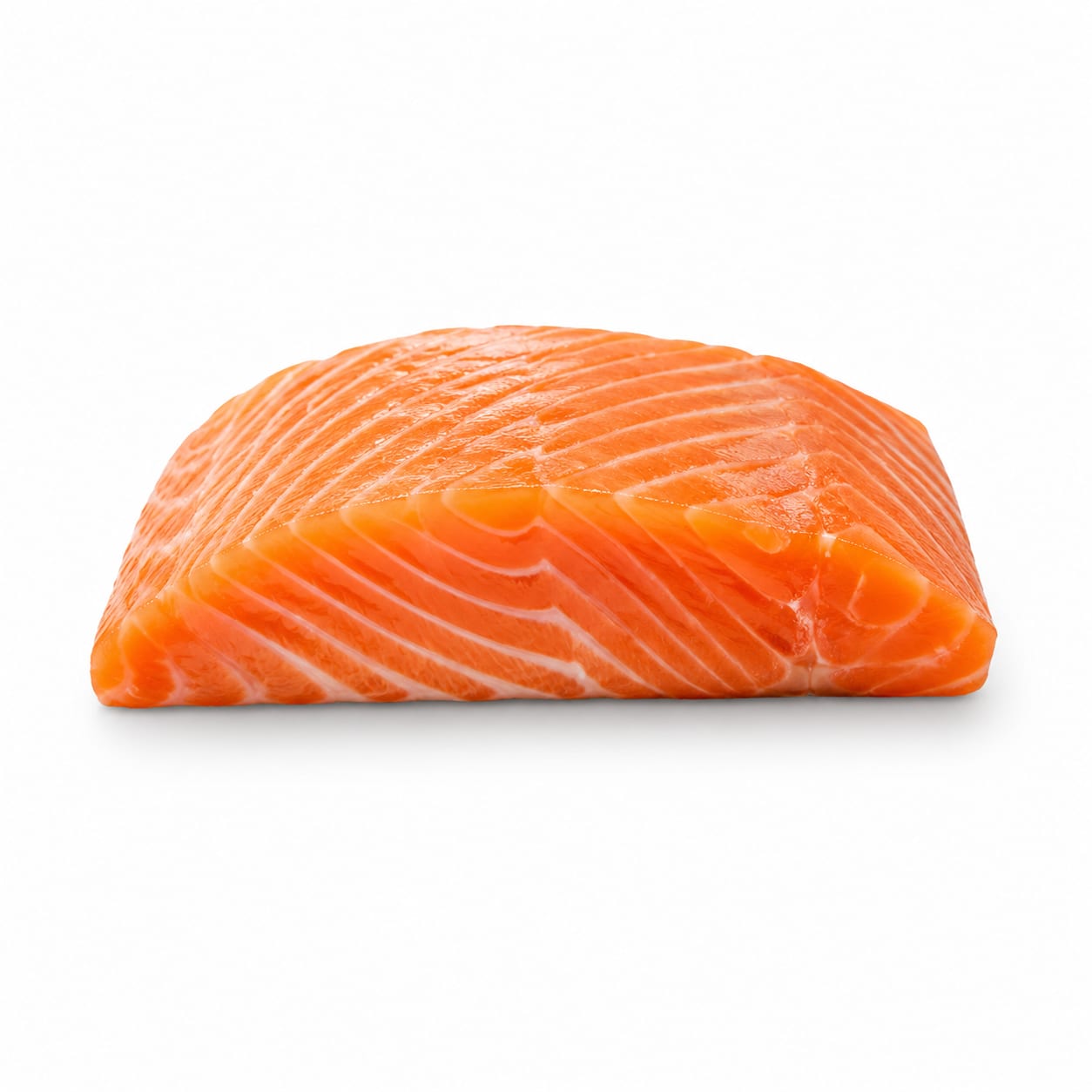
Salmon
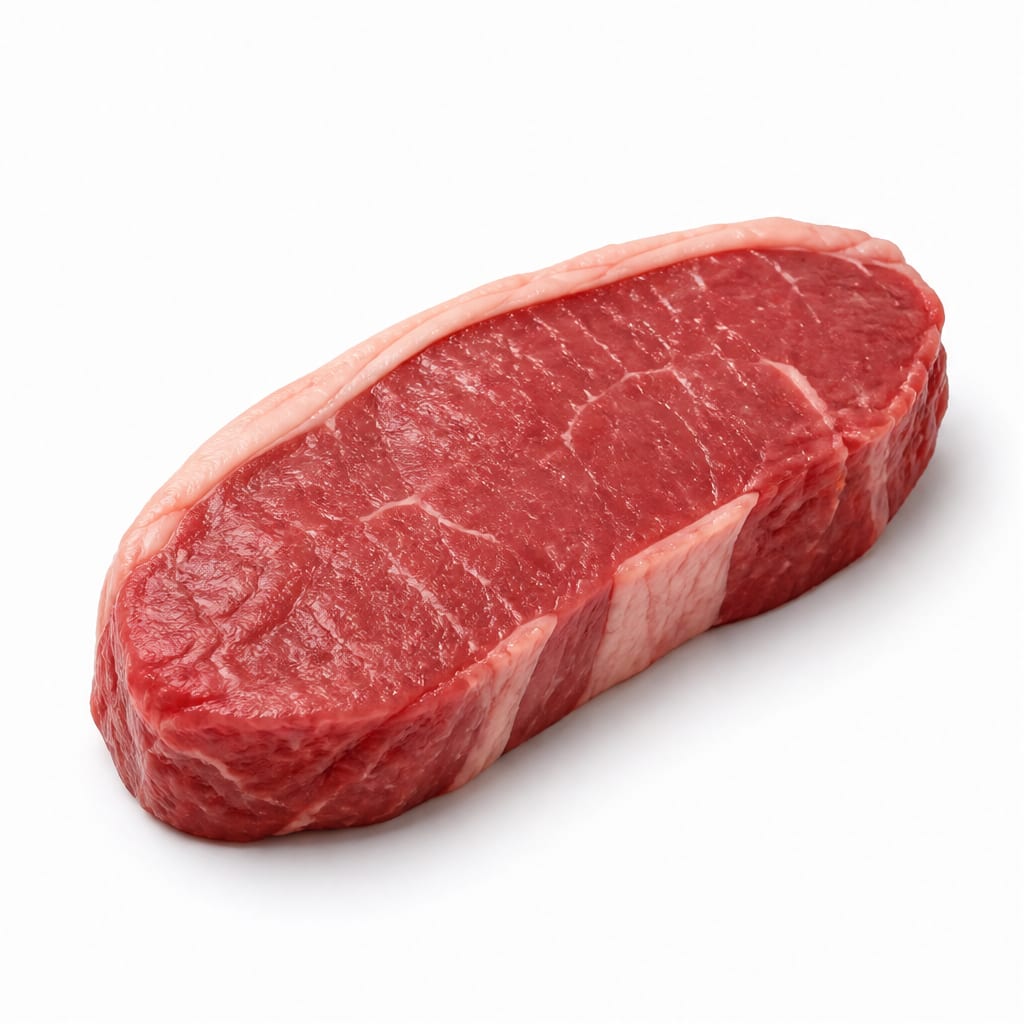
Beef Sirloin
Salmon edges out Beef Sirloin for overall health due to its omega-3 content, but Beef Sirloin is an iron and zinc powerhouse better suited for heavy muscle-building phases.
Salmon scores higher primarily due to its omega-3 fatty acids and lower saturated fat content, making it more universally beneficial for long-term health. Beef Sirloin remains an excellent nutrient-dense choice but carries more cardiovascular tradeoffs for daily consumption.
You trade the heart-healthy omega-3s and anti-inflammatory fats of Salmon for the dense iron, zinc, and B12 profile of Beef Sirloin.
At a glance
Executive summary
Overall
Salmon
Healthier
Salmon
More practical
It depends
Daily use
Salmon
Key comparison lenses
Heart health and inflammation
The omega-3 to saturated fat ratio is the most critical health difference between these two proteins.
Micronutrient density (Iron vs Vitamin D)
Salmon and Beef Sirloin offer completely different vitamin and mineral profiles that serve different bodily needs.
Muscle building and recovery
Both are premium protein sources, but their amino acid profiles and accompanying nutrients affect muscle differently.
Contaminant and safety exposure
Mercury and PCBs in seafood versus antibiotics and cooking carcinogens in beef are major consumer concerns.
Best choice for
Salmon
- Heart health and cardiovascular protection
- Brain function and mood support
- Reducing chronic inflammation
Beef Sirloin
- Preventing or reversing iron-deficiency anemia
- Heavy lifting and muscle-building phases
- Boosting testosterone and energy metabolism
Least suitable for
Salmon
- Those with severe fish or seafood allergies
- People on strict low-fat diets
Beef Sirloin
- Those managing high LDL cholesterol
- People needing to limit saturated fat intake
Deep comparison
Dimension by dimension
Each lens scores both foods and breaks down who each option suits.
- Dimension 1 · Priority 95Salmon
Heart Health & Inflammation
Salmon · 95Beef Sirloin · 55Salmon is rich in omega-3s which actively lower inflammation and protect the heart, while Beef Sirloin contains more saturated fat which can raise LDL cholesterol if eaten frequently.
Tradeoff
You sacrifice heart-protective fats for richer flavor and higher heme iron.
Why it matters
Heart disease is a leading cause of death, and swapping saturated fat for omega-3s is one of the most impactful dietary changes you can make.
Real-world impact
Eating Salmon a few times a week can noticeably improve cholesterol panels, whereas daily Beef Sirloin might slowly nudge LDL upward.
Salmon
- Lowering blood pressure
- Reducing joint pain
- Improving cholesterol ratios
Better for
- Quick iron replenishment for anemia
Worse for
Beef Sirloin
- Sustaining long workouts without digestive heaviness
Better for
- Cardiovascular health
- Inflammatory conditions like arthritis
Worse for
- Dimension 2 · Priority 90It depends
Micronutrient Density
Salmon · 85Beef Sirloin · 88Beef Sirloin dominates in heme iron, zinc, and B12, while Salmon provides rare Vitamin D, astaxanthin, and selenium.
Tradeoff
Salmon gives you nutrients hard to find elsewhere like Vitamin D and astaxanthin, but Beef Sirloin delivers massive amounts of energy-supporting minerals like iron and B12.
Why it matters
Iron and B12 are critical for energy and preventing anemia, while Vitamin D and selenium support immune function and mood.
Real-world impact
If you feel sluggish and cold, Beef Sirloin might be the boost you need. If you lack sun exposure, Salmon is a rare dietary Vitamin D source.
Salmon
- Immune support
- Mood regulation
- Antioxidant defense
Better for
- Treating iron-deficiency anemia
- High zinc needs for wound healing
Worse for
Beef Sirloin
- Energy production
- Oxygen transport
- Immune cell development
Better for
- Vitamin D deficiency
- Antioxidant variety
Worse for
- Dimension 3 · Priority 85It depends
Satiety & Protein Quality
Salmon · 88Beef Sirloin · 90Both are highly filling and offer complete, high-quality protein, but Beef Sirloin packs slightly more protein per calorie.
Tradeoff
Salmon offers slightly more fat which slows digestion for longer fullness, while Beef Sirloin offers more protein per bite for muscle repair.
Why it matters
Staying full helps with weight management, and protein quality determines how well your body builds and repairs tissue.
Real-world impact
A Salmon dinner keeps you satisfied through the evening with its rich fats, while a Beef Sirloin post-workout gives a slightly bigger protein hit for recovery.
Salmon
- Evening meals to prevent late snacking
- Sustained energy without a heavy stomach
Better for
- Maximizing protein per calorie
Worse for
Beef Sirloin
- Post-workout recovery
- Lean muscle retention during calorie deficits
Better for
- Sustained slow-burn fullness
Worse for
- Dimension 4 · Priority 75It depends
Safety & Contamination
Salmon · 75Beef Sirloin · 78Salmon carries risks of heavy metals and PCBs, while Beef Sirloin carries risks of antibiotic residues and cooking carcinogens.
Tradeoff
You choose between ocean-borne contaminants and land-based agricultural concerns.
Why it matters
Long-term accumulation of heavy metals or exposure to antibiotic-resistant bacteria are serious health concerns.
Real-world impact
Eating too much large Salmon can increase mercury exposure, while overcooking Beef Sirloin creates carcinogenic compounds.
Salmon
- Lower risk of cooking carcinogens if baked or poached
Better for
- Mercury exposure
- PCB accumulation from farmed sources
Worse for
Beef Sirloin
- No mercury risk
- Lower persistent organic pollutant risk
Better for
- HCAs and PAHs if grilled or charred
- Antibiotic residue exposure in conventional meat
Worse for
Timeline
Health impact over time
Short-term
Hours to days
Salmon
- Quick satiety from healthy fats
- Steadier energy without a crash
- Lighter digestive feel compared to red meat
Beef Sirloin
- High energy from B12 and iron
- Very filling, heavy meal feeling
- Potential for sluggishness if portion is large
Long-term
Months to years
Salmon
- Reduced cardiovascular risk
- Better cognitive aging
- Lower systemic inflammation
Beef Sirloin
- Improved red blood cell production
- Maintained muscle mass and strength
- Potential increased LDL cholesterol if overconsumed
Risk profile
Safety & processing
Both Salmon and Beef Sirloin are whole, minimally processed foods. The main concerns come from how they are raised, such as farmed versus wild-caught Salmon or conventional versus grass-fed Beef, rather than from added ingredients.
Salmon
Mercury and PCB exposure
mediumEspecially prevalent in farmed or large wild-caught Salmon; can accumulate over time with frequent consumption.
Parasites
lowRaw or undercooked Salmon can carry parasites; proper freezing or cooking eliminates this risk entirely.
Beef Sirloin
Antibiotic and hormone residues
mediumConventional beef may contain residues from farming practices; choosing grass-fed beef minimizes this concern.
Carcinogens from high-heat cooking
mediumCharring or grilling Beef Sirloin creates HCAs and PAHs, which are linked to cancer. Medium heat is safer.
Who wins for whom
Audience fit
Same foods, different winners depending on your goal.
children
It dependsBeef Sirloin provides crucial iron and zinc for growth, while Salmon provides omega-3s for brain development; both are highly beneficial in rotation.
daily consumption
SalmonThe daily inclusion of omega-3s provides more cumulative health benefits and less cardiovascular risk than daily red meat consumption.
diabetes
SalmonSalmon's anti-inflammatory fats improve insulin sensitivity, whereas the saturated fat in Beef Sirloin can worsen insulin resistance over time.
elderly
SalmonSalmon is easier to chew, digests lighter, and its omega-3s protect against cognitive decline and heart disease common in aging.
muscle gain
Beef SirloinBeef Sirloin offers slightly more protein per calorie and is rich in creatine, iron, and zinc which directly support muscle growth, testosterone production, and recovery.
weight loss
SalmonSalmon's omega-3s improve metabolic health and its fats promote strong satiety, making it easier to eat less overall without feeling deprived.
Your move
Decision guide
Choose Salmon
- You want to prioritize heart and brain health
- You are trying to reduce systemic inflammation or joint pain
- You prefer a lighter, easier-to-digest protein
- You need more Vitamin D in your diet
Choose Beef Sirloin
- You need to boost iron levels or fight fatigue
- You are in a heavy muscle-building or strength training phase
- You prefer the taste and satisfaction of red meat
- You want maximum protein per calorie
Either works if
- You need a high-quality complete protein source
- You are aiming for a filling, low-carb meal
- You want to avoid ultra-processed protein sources
Avoid both if
- You have severe gout and need a low-purine diet
- You are on a strict low-fat diet for medical reasons
- You have kidney disease requiring severe protein restriction
Final recommendation
Make Salmon your default for regular meals to reap the cardiovascular and anti-inflammatory benefits, and enjoy Beef Sirloin once a week or so when you need an iron boost or crave a satisfying red meat meal.
Practical
Consumer tips
- 1
Choose wild-caught Salmon when possible to avoid PCBs and get higher omega-3 content.
- 2
Opt for grass-fed Beef Sirloin to get a better omega-3 to omega-6 ratio and avoid antibiotic residues.
- 3
Bake or poach Salmon to preserve its delicate healthy fats; avoid deep frying.
- 4
Cook Beef Sirloin to medium rather than well-done to avoid creating carcinogenic compounds while maintaining tenderness.
- 5
Pair Beef Sirloin with Vitamin C-rich vegetables like bell peppers to dramatically boost iron absorption.
- 6
Limit Salmon to 2-3 servings a week if you are concerned about heavy metal accumulation.