
Nutrition comparison
Salmon vs Cod: Which Fish Is Healthier for You?
Compare Salmon and Cod on omega-3s, protein, mercury, price, and more. Learn which fish fits your health goals, budget, and lifestyle best.
Overall winner · Salmon
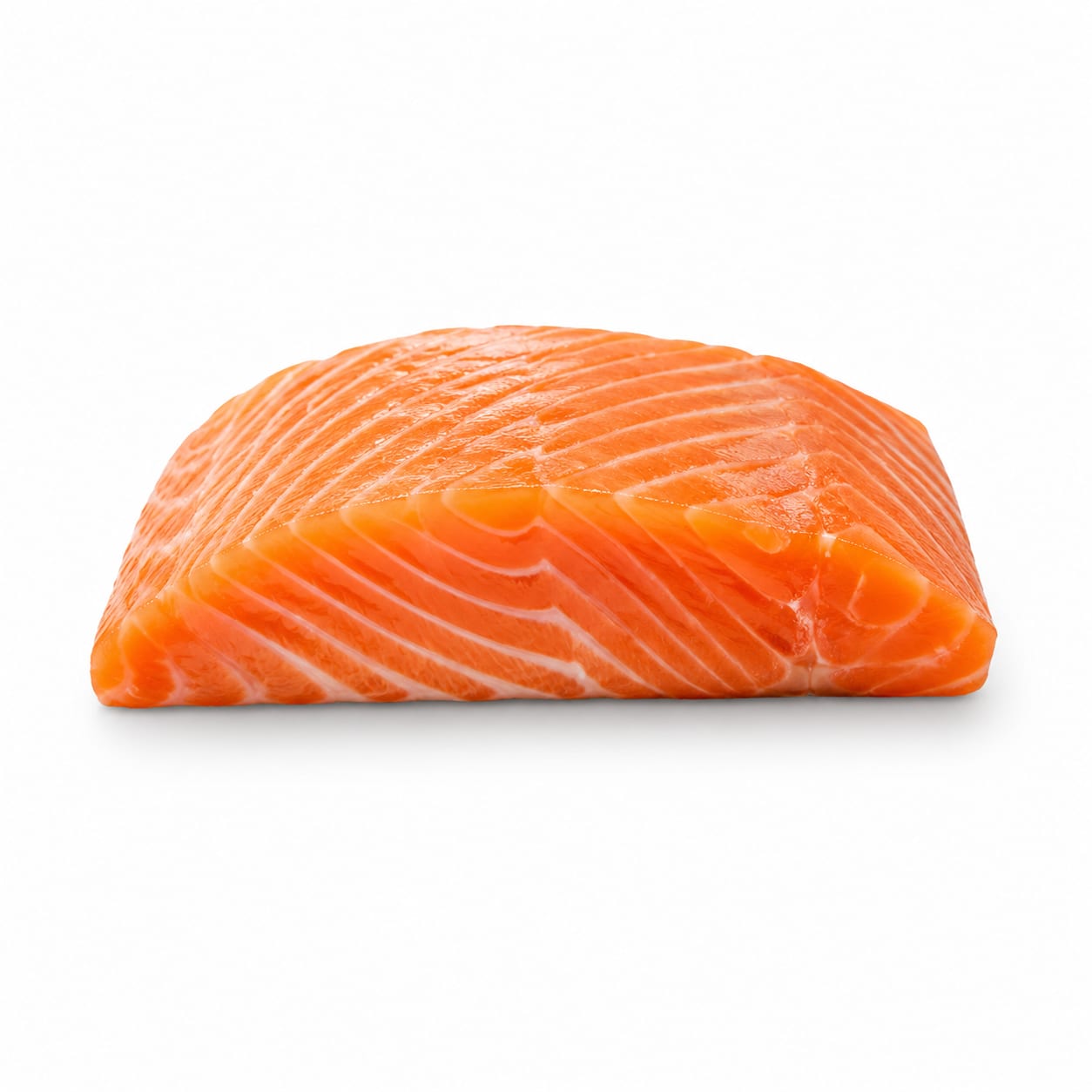
Salmon
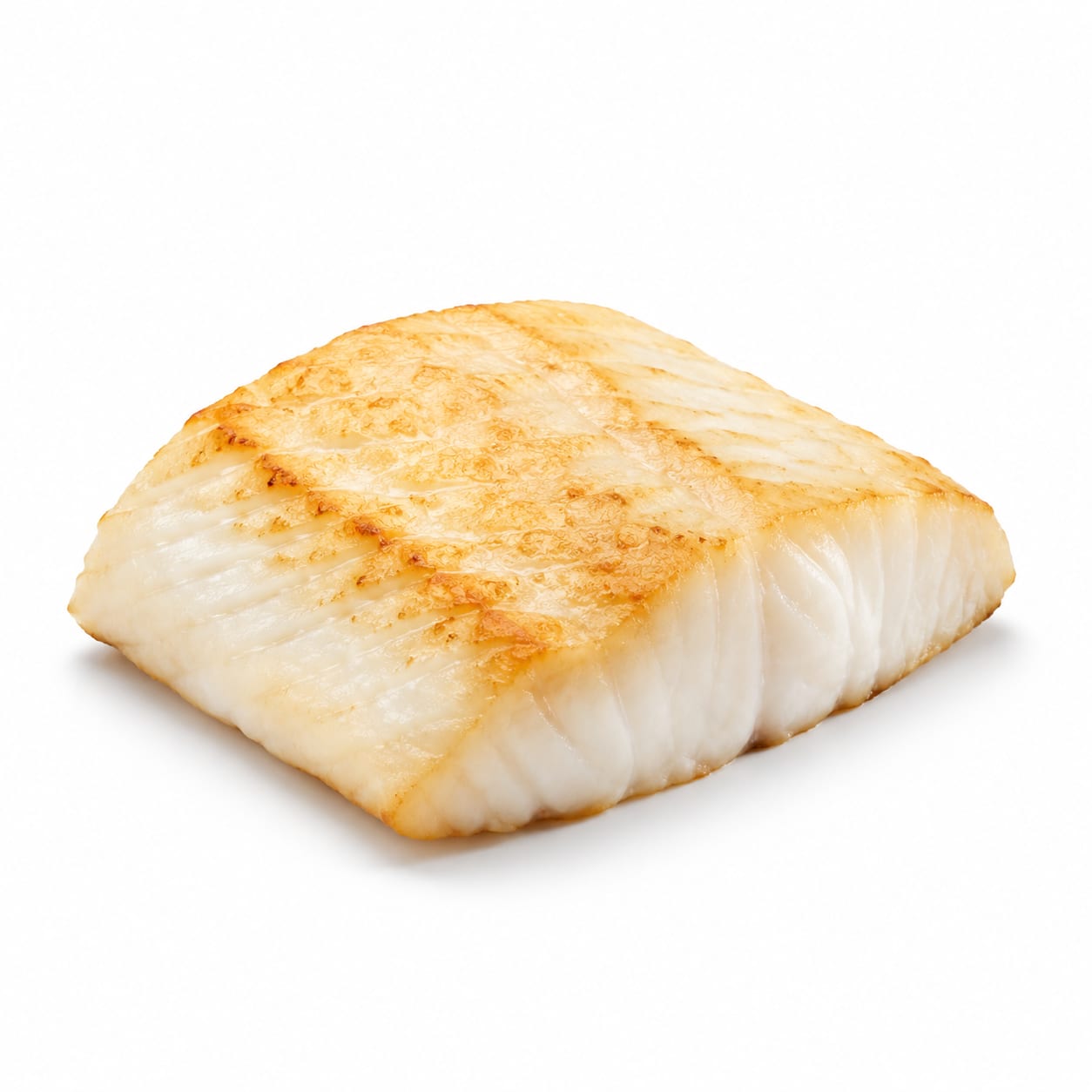
Cod
Salmon wins on nutritional depth, especially omega-3s and vitamin D, but Cod is the smarter choice when you need lean protein, lower calories, or a tighter budget.
Salmon scores higher due to its superior omega-3 content, vitamin D, and overall nutrient density. Cod remains a strong choice for lean protein and affordability, but lacks the healthy fats that give Salmon its edge for long-term health outcomes.
Salmon gives you more anti-inflammatory fats and fat-soluble nutrients per bite, while Cod gives you more protein per calorie at a lower price point.
At a glance
Executive summary
Overall
Salmon
Healthier
Salmon
More practical
Cod
Daily use
It depends
Key comparison lenses
omega-3 and anti-inflammatory benefits
Salmon delivers dramatically more omega-3s than Cod, making this the single most important nutritional differentiator between the two
lean protein vs nutrient-dense protein
Cod offers very lean protein while Salmon brings fat-soluble vitamins and healthy fats alongside protein, creating a core tradeoff
mercury and contaminant safety
Both fish carry some heavy metal risk, but Cod generally has lower mercury, making safety a real decision factor
budget and accessibility
Cod is typically much cheaper and more widely available, affecting how often people can realistically eat it
satiety and meal satisfaction
Salmon's fat content makes meals more filling and satisfying, while Cod leans lighter and less satiating on its own
Best choice for
Salmon
- People prioritizing heart and brain health
- Those needing more omega-3s in their diet
- Anyone looking for a satisfying, filling meal
- People low in vitamin D
- Anti-inflammatory eating patterns
Cod
- Calorie-conscious eaters wanting lean protein
- People on a budget who eat fish frequently
- Those who prefer milder-tasting fish
- Anyone watching fat intake closely
- Families needing affordable weekly fish options
Least suitable for
Salmon
- People strictly limiting dietary fat
- Those on very tight grocery budgets
- Anyone who dislikes strong fish flavors
- People concerned about higher contaminant levels in fattier fish
Cod
- Those relying on fish as their primary omega-3 source
- People needing more satiating meals
- Anyone with vitamin D deficiency relying on food sources
- Those who find lean fish unsatisfying or boring
Deep comparison
Dimension by dimension
Each lens scores both foods and breaks down who each option suits.
- Dimension 1 · Priority 95Salmon
omega-3 fatty acids
Salmon · 95Cod · 25Salmon contains roughly 5-10 times more omega-3s than Cod, making it one of the best dietary sources available.
Tradeoff
You get far more anti-inflammatory and brain-supportive fats from Salmon, but Cod's leanness means fewer calories from fat if that matters for your goals.
Why it matters
Omega-3s support heart health, brain function, and mood regulation. Most people don't get enough, and Salmon is one of the easiest ways to fix that.
Real-world impact
Eating Salmon twice a week can meaningfully improve your omega-3 status within weeks. You'd need to eat Cod far more often to get similar intake.
Salmon
- Heart health optimization
- Brain function and mood support
- Reducing chronic inflammation
- Pregnancy and fetal development
Better for
- Very low-fat diet requirements
Worse for
Cod
- Strict low-fat dietary protocols
- Calorie restriction with high protein volume
Better for
- Meeting omega-3 needs efficiently
- Anti-inflammatory eating patterns
Worse for
- Dimension 2 · Priority 85It depends
protein quality and density
Salmon · 82Cod · 85Both are excellent complete protein sources, but Cod provides slightly more protein per calorie due to its leanness.
Tradeoff
Cod gives you more protein per bite with fewer calories, while Salmon's protein comes packaged with beneficial fats that enhance nutrient absorption.
Why it matters
Protein quality matters for muscle maintenance, satiety, and metabolic health. Both fish deliver all essential amino acids efficiently.
Real-world impact
For a post-workout meal where you want high protein without much fat, Cod is cleaner. For a dinner where satisfaction matters more, Salmon's fat-protein combo wins.
Salmon
- Meals where satisfaction and fullness matter
- Nutrient absorption benefits from dietary fat
Better for
- Strict macro tracking with low fat allowances
Worse for
Cod
- Lean bulking or cutting phases
- Higher protein volume per calorie
Better for
- Meals that feel too light or unsatisfying alone
Worse for
- Dimension 3 · Priority 82Salmon
vitamin and mineral density
Salmon · 88Cod · 60Salmon is significantly richer in vitamin D, B12, selenium, and astaxanthin. Cod provides decent B12 and iodine but falls short on fat-soluble vitamins.
Tradeoff
Salmon's fat content enables it to carry fat-soluble vitamins that Cod simply cannot match. Cod offers good iodine for thyroid health but less overall micronutrient impact.
Why it matters
Vitamin D deficiency is widespread, and Salmon is one of the few natural food sources. This alone makes it nutritionally superior for many people.
Real-world impact
A single serving of Salmon can provide your full daily vitamin D needs. Cod provides almost none, which matters especially in winter or for indoor lifestyles.
Salmon
- Vitamin D deficiency risk
- Overall micronutrient insurance
- Thyroid and immune support combined
Better for
- Situations requiring minimal fat-soluble vitamin intake
Worse for
Cod
- Iodine intake without excess calories
- Lower calorie micronutrient sourcing
Better for
- Reliance on food for vitamin D
- Comprehensive nutrient coverage from single foods
Worse for
- Dimension 4 · Priority 75Salmon
satiety and meal satisfaction
Salmon · 85Cod · 62Salmon's healthy fat content makes meals significantly more filling and satisfying than Cod, which can feel light to the point of unsatisfying.
Tradeoff
Salmon keeps you full longer but delivers more calories per serving. Cod is lighter and less filling, which can be good or bad depending on your goals.
Why it matters
Meals that actually satisfy you reduce snacking and overeating later. Salmon's fat-protein balance naturally achieves this better than lean Cod.
Real-world impact
A Salmon dinner tends to carry you through the evening without cravings. A Cod dinner often needs sides with healthy fats to feel complete.
Salmon
- Reducing late-night snacking
- Meals that need to hold you for hours
- Emotional satisfaction from eating
Better for
- When you want a light meal
Worse for
Cod
- Light meals before exercise
- Smaller appetite situations
- Multi-course meals where fish is one component
Better for
- Situations where you need one dish to fully satisfy
Worse for
- Dimension 5 · Priority 78Cod
contaminant and mercury safety
Salmon · 62Cod · 78Cod generally carries lower mercury and fewer persistent organic pollutants than Salmon, especially farmed Salmon.
Tradeoff
Cod's lean tissue accumulates fewer fat-soluble contaminants, but Salmon's benefits still outweigh risks for most adults eating it in moderation.
Why it matters
Fatty fish store more contaminants in their tissue. Farmed Salmon can carry PCBs and dioxins at higher levels than wild-caught Cod.
Real-world impact
For pregnant women and children, Cod's lower contaminant profile offers peace of mind. For healthy adults, Salmon's benefits still clearly win at 2 servings per week.
Salmon
- Adults getting enough omega-3 to justify moderate contaminant exposure
Better for
- High-frequency consumption increasing contaminant load
- Pregnancy caution periods
Worse for
Cod
- Pregnant women being cautious about contaminants
- Children's fish servings
- Very frequent fish consumers minimizing cumulative exposure
Better for
- Situations where omega-3 benefits clearly outweigh contaminant concerns
Worse for
- Dimension 6 · Priority 72Cod
budget and accessibility
Salmon · 40Cod · 80Cod is significantly cheaper and more widely available than Salmon, making it a more realistic everyday option for most households.
Tradeoff
Cod costs less per pound and is easier to find fresh or frozen everywhere. Salmon demands a higher grocery budget, especially for wild-caught varieties.
Why it matters
The best fish for you is the one you can actually afford to eat regularly. Cod's affordability makes consistent fish consumption possible for more people.
Real-world impact
A family eating Cod twice a week spends far less than one eating Salmon at the same frequency. Over a year, this difference can be hundreds of dollars.
Salmon
- Smaller portions of nutrient-dense fish when budget allows
Better for
- Tight grocery budgets
- Feeding large households
Worse for
Cod
- Frequent fish consumption on a budget
- Feeding a family affordably
- Consistent weekly fish habits without financial strain
Better for
- When nutrient density per serving matters more than cost
Worse for
Timeline
Health impact over time
Short-term
Hours to days
Salmon
- More sustained energy after meals due to fat-protein balance
- Greater immediate satiety and reduced hunger between meals
- Richer, heavier feeling that some find comforting and others find heavy
Cod
- Lighter post-meal feeling, easier on digestion
- Less satiating on its own, may need sides to feel complete
- Clean lean protein hit without heaviness
Long-term
Months to years
Salmon
- Stronger cardiovascular protection from consistent omega-3 intake
- Better inflammatory status linked to reduced chronic disease risk
- Improved vitamin D status supporting bone and immune health
- Potential contaminant accumulation if consumed very frequently
Cod
- Reliable lean protein supporting muscle maintenance over time
- Lower lifetime contaminant exposure from fish consumption
- Possible insufficient omega-3 intake if Cod is your only fish source
- Good thyroid support from consistent iodine intake
Risk profile
Safety & processing
Both Salmon and Cod are typically sold as minimally processed whole fish or fillets. Farmed Salmon may contain artificial colorants added to feed, while wild-caught Salmon and Cod are essentially free of additives. Watch for smoked or breaded versions, which introduce sodium and processing concerns.
Salmon
PCBs and dioxins
mediumFarmed Salmon can have higher levels of persistent organic pollutants stored in fat. Wild-caught Salmon is significantly cleaner. Choosing wild when possible reduces this concern.
mercury exposure
lowSalmon is generally a low-mercury fish, but frequent consumption of any fish adds to cumulative exposure. Two servings per week is considered safe for most adults.
antibiotic residues in farmed varieties
mediumFarmed Salmon operations may use antibiotics, though regulations vary by country. Wild-caught avoids this entirely.
Cod
mercury exposure
lowCod is a low-mercury fish and generally considered safe for regular consumption, including by pregnant women in moderation.
parasites in raw or undercooked preparations
mediumCod can carry parasites that require proper cooking or freezing to eliminate. This is a concern for sushi or ceviche preparations.
overfishing and sustainability concerns
mediumSome Cod populations are overfished. Choosing MSC-certified Cod helps ensure sustainable sourcing.
Who wins for whom
Audience fit
Same foods, different winners depending on your goal.
children
CodCod's lower contaminant profile and milder flavor make it a safer and more kid-friendly introduction to fish. Many children prefer its gentler taste.
daily consumption
CodCod's lower contaminant levels and affordable price make it more sustainable as a near-daily protein source. Salmon is better limited to 2-3 times per week due to contaminant accumulation.
diabetes
SalmonSalmon's omega-3s improve insulin sensitivity and reduce inflammation, both critical for diabetes management. The fat content also slows digestion, preventing blood sugar spikes.
elderly
SalmonSalmon's omega-3s support brain health and reduce age-related inflammation, while its vitamin D helps prevent bone loss. Both are critical concerns for older adults.
muscle gain
It dependsCod offers slightly more protein per calorie, which helps during lean bulking. Salmon provides more calories and healthy fats that support hormone production during mass-gaining phases.
weight loss
CodCod's lower calorie density lets you eat a satisfying portion size while staying in a deficit more easily than Salmon's higher fat content.
Your move
Decision guide
Choose Salmon
- Heart and brain health are your top priorities
- You want maximum nutrition per serving without supplements
- You can afford wild-caught and want the full omega-3 benefit
- You find lean fish unsatisfying and end up snacking later
- You're older and need anti-inflammatory and vitamin D support
Choose Cod
- You're counting calories and want lean protein
- Budget matters and you want to eat fish more often
- You're cautious about contaminants, especially during pregnancy
- You prefer milder fish that takes on other flavors easily
- You eat fish multiple times per week and need variety
Either works if
- You simply want a high-quality protein source for dinner
- You're rotating fish types throughout the week anyway
- You pair fish with vegetables and healthy sides for complete meals
Avoid both if
- You have a confirmed fish allergy
- You're on a very strict low-protein diet for kidney issues
- You cannot verify the source and contamination risk is unacceptable
Final recommendation
Eat Salmon 2 times per week for omega-3s and vitamin D, and fill other fish meals with Cod for lean protein at lower cost. This combination gives you the best of both worlds without overexposing yourself to contaminants from either fish. If you must pick only one, Salmon wins on health outcomes for most adults, but Cod wins for budget-conscious households and those who eat fish very frequently.
Practical
Consumer tips
- 1
Choose wild-caught Salmon when possible to reduce contaminant exposure and avoid artificial colorants used in some farmed varieties
- 2
Look for MSC-certified Cod to support sustainable fishing practices and avoid depleted fish populations
- 3
Buy frozen fish fillets for better value without sacrificing nutrition, as fish is typically frozen at peak freshness
- 4
Bake or poach both fish rather than frying to preserve omega-3s and avoid adding inflammatory oils
- 5
Pair Cod with olive oil, avocado, or nuts to add the healthy fats that Cod naturally lacks
- 6
If buying farmed Salmon, look for certifications like Aquaculture Stewardship Council for better farming standards
- 7
Canned Salmon with bones is an affordable way to get omega-3s plus calcium, often cheaper than fresh fillets
- 8
Avoid fish with a strong fishy smell, which indicates age or poor handling regardless of species