
Nutrition comparison
Salmon vs Halibut: Nutrition, Mercury, and Health Benefits Compared
Compare Salmon and Halibut to see which fish is healthier. Learn about omega-3s, mercury levels, protein, and the best choice for your diet.
Overall winner · Salmon
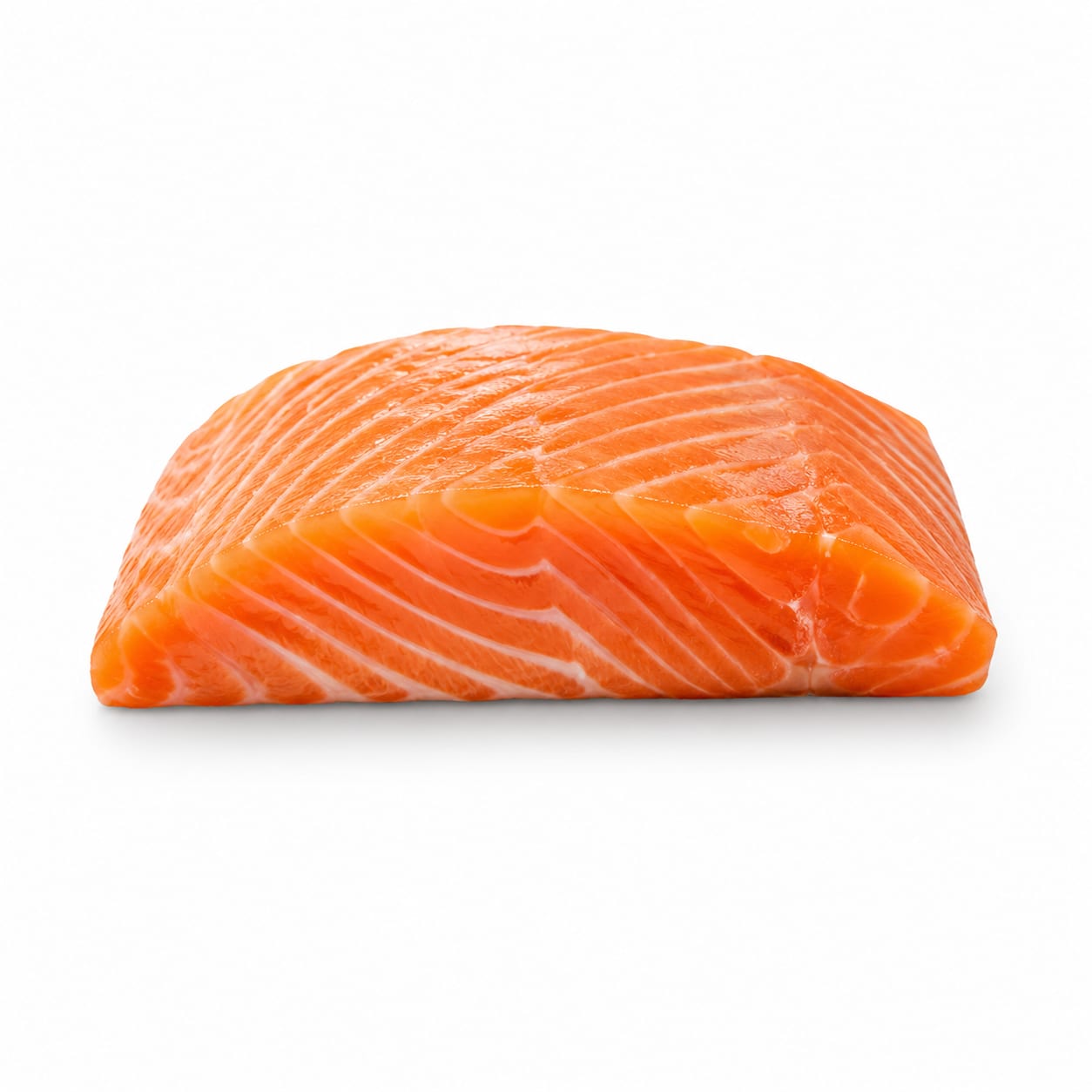
Salmon
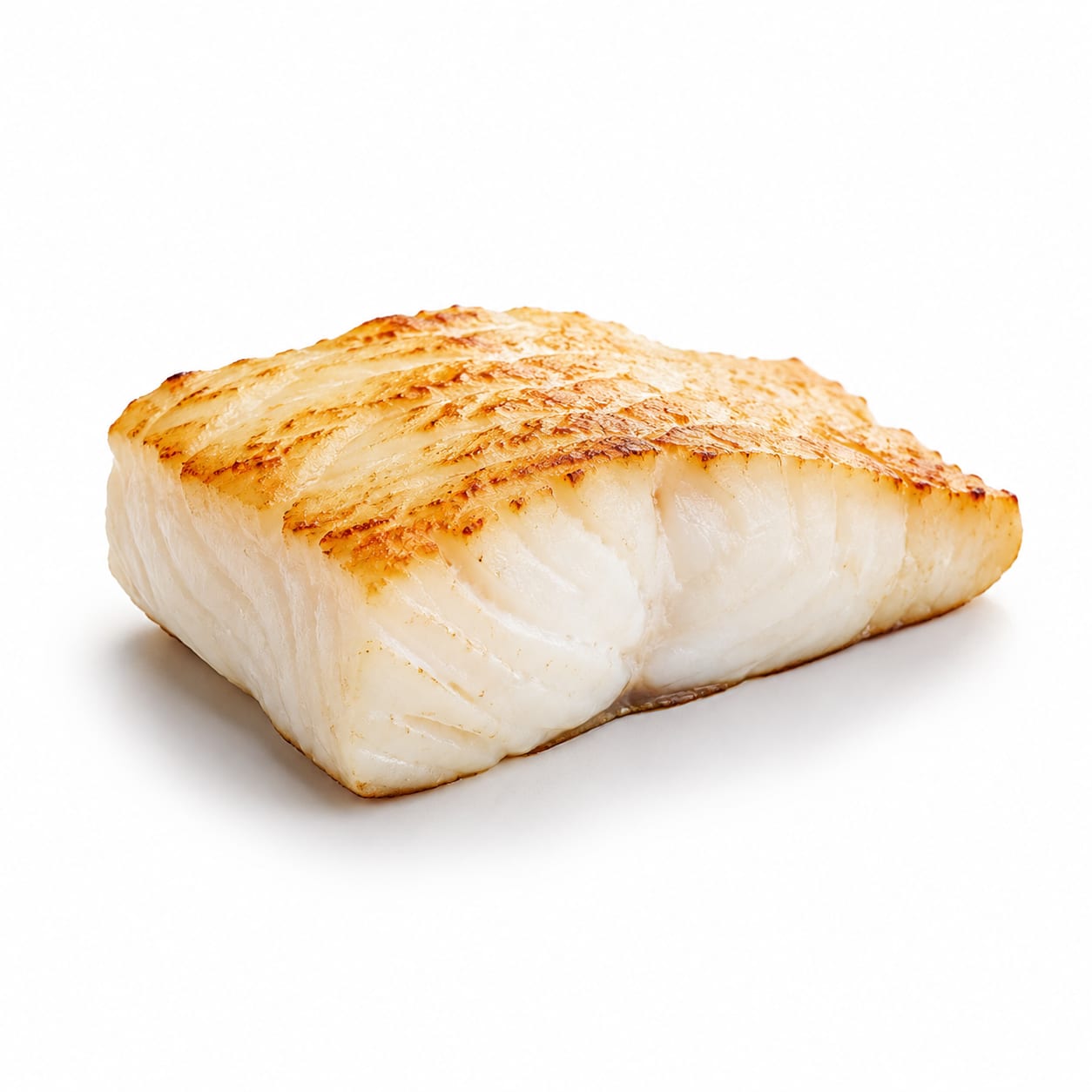
Halibut
Salmon dominates in omega-3s and heart health, while Halibut offers leaner protein and a milder flavor with different mercury considerations.
Salmon scores higher due to its exceptional omega-3 content and broader long-term health benefits, though Halibut remains an excellent lean protein choice.
Rich anti-inflammatory fats versus leaner protein and lower calories, balancing PCB concerns in farmed Salmon against mercury in Halibut.
At a glance
Executive summary
Overall
Salmon
Healthier
Salmon
More practical
It depends
Daily use
Salmon
Key comparison lenses
Omega-3 and anti-inflammatory benefits
Salmon is famously rich in omega-3s, while Halibut is much lower, making this the most significant nutritional divergence.
Protein density and leanness
Halibut offers a leaner protein profile, which matters for specific macro-tracking and calorie-restricted diets.
Mercury and heavy metal exposure
Halibut accumulates more mercury than Salmon, which impacts safe consumption frequency, especially for vulnerable groups.
Culinary use and flavor preference
Salmon is rich and distinct; Halibut is mild and flaky, leading to very different cooking applications and enjoyment.
Best choice for
Salmon
- Heart health focus
- Anti-inflammatory diets
- Keto or low-carb high-fat diets
Halibut
- Lean muscle building
- Calorie-restricted diets
- Those who dislike strong fish flavors
Least suitable for
Salmon
- People strictly limiting dietary fat
- Those on very low-calorie diets
Halibut
- Those needing high omega-3 intake from food
- Pregnant women due to mercury
Deep comparison
Dimension by dimension
Each lens scores both foods and breaks down who each option suits.
- Dimension 1 · Priority 95Salmon
Omega-3 & Anti-Inflammatory Fats
Salmon · 95Halibut · 40Salmon is one of the best dietary sources of omega-3s, while Halibut is relatively low in these essential fats.
Tradeoff
You get significantly more anti-inflammatory benefits from Salmon, but also more total fat and calories.
Why it matters
Omega-3s are crucial for heart and brain health, and most people do not get enough from their diet.
Real-world impact
Eating Salmon regularly can meaningfully improve joint stiffness and heart markers compared to Halibut.
Salmon
- Reducing inflammation
- Brain health
- Heart disease prevention
Better for
- Strict low-fat diets
Worse for
Halibut
- Keeping fat intake low
- Macro counting for low-fat diets
Better for
- Meeting daily omega-3 needs
Worse for
- Dimension 2 · Priority 85Halibut
Protein Quality & Leanness
Salmon · 80Halibut · 92Halibut provides more protein per calorie and is extremely lean, whereas Salmon carries more fat.
Tradeoff
Halibut gives you pure protein with fewer calories, but lacks the satiating fats found in Salmon.
Why it matters
Lean protein is key for muscle repair and weight management without overshooting calorie limits.
Real-world impact
If you are tracking macros strictly or cutting, Halibut lets you hit protein targets easier without blowing past fat limits.
Salmon
- Meals where healthy fats are desired
- Satiety without carbs
Better for
- High-fat diet restrictions
Worse for
Halibut
- Post-workout lean protein
- Low-calorie dieting
Better for
- Meals relying on fats for fullness
Worse for
- Dimension 3 · Priority 80It depends
Heavy Metals & Contaminants
Salmon · 75Halibut · 70Farmed Salmon can have PCB concerns, while larger Halibut carry higher mercury levels.
Tradeoff
Choosing wild Salmon minimizes PCBs, but Halibut's mercury remains a concern for frequent consumption.
Why it matters
Mercury and industrial pollutants affect neurological health and are especially risky for pregnant women and children.
Real-world impact
You can eat wild Salmon more frequently safely; Halibut should be limited to a few times a month to avoid mercury buildup.
Salmon
- Frequent fish eaters if choosing wild
- Pregnant women if choosing wild
Better for
- High intake of farmed varieties
Worse for
Halibut
- Avoiding farmed fish pollutants
Better for
- Frequent daily or weekly consumption
- Pregnant women
Worse for
- Dimension 4 · Priority 70It depends
Flavor & Culinary Versatility
Salmon · 88Halibut · 85Salmon has a rich, distinct flavor that stands on its own; Halibut is mild and flaky, acting as a blank canvas for sauces.
Tradeoff
Salmon's richness limits its pairing options for some, while Halibut's mildness can bore people who love bold flavors.
Why it matters
Enjoying what you eat is crucial for long-term dietary adherence and meal satisfaction.
Real-world impact
Choose Salmon for simple grilling or searing; choose Halibut when you want the seasoning or sauce to shine.
Salmon
- Simple preparations
- Sushi and raw applications
Better for
- Delicate flavor profiles
- People who dislike fishy taste
Worse for
Halibut
- Heavy sauces
- Fish tacos
- Picky eaters
Better for
- Stand-alone dishes needing richness
Worse for
Timeline
Health impact over time
Short-term
Hours to days
Salmon
- Quick satiety from fat content
- Steadier blood sugar due to fat slowing digestion
Halibut
- Lighter post-meal feeling
- Rapid protein absorption for muscle recovery
Long-term
Months to years
Salmon
- Lower risk of cardiovascular disease
- Reduced systemic inflammation
- Better cognitive aging
Halibut
- Easier weight maintenance due to low calories
- Preserved lean muscle mass
Risk profile
Safety & processing
Both Salmon and Halibut are typically sold as fresh or frozen whole fillets with minimal processing, though farmed Salmon may contain artificial colorants in its feed.
Salmon
PCBs and Dioxins
mediumPrimarily a concern in farmed Salmon; choosing wild caught significantly reduces this risk.
Artificial Colorants
lowFarmed Salmon is often fed astaxanthin to mimic the pink color of wild fish, which is generally recognized as safe but viewed as unnatural by some.
Halibut
Mercury Exposure
mediumHalibut are large, long-lived fish that accumulate moderate to high levels of mercury, requiring consumption limits especially for pregnant women.
Who wins for whom
Audience fit
Same foods, different winners depending on your goal.
children
SalmonWild Salmon provides essential fats for brain development with lower mercury risk than Halibut.
daily consumption
SalmonWild Salmon can be safely eaten multiple times a week, whereas Halibut should be limited due to mercury accumulation.
diabetes
SalmonSalmon's high omega-3 content improves insulin sensitivity and its fats prevent blood sugar spikes.
elderly
SalmonThe anti-inflammatory properties and cardiovascular protection of Salmon are especially beneficial for aging bodies.
muscle gain
HalibutHalibut provides more protein per serving and per calorie, supporting muscle synthesis without adding extra dietary fat.
weight loss
HalibutHalibut offers high protein with far fewer calories and almost no fat, making it easier to stay in a calorie deficit.
Your move
Decision guide
Choose Salmon
- You want to boost omega-3 intake naturally
- Heart and brain health are top priorities
- You prefer rich, flavorful fish
- You are pregnant or planning to be (choose wild)
Choose Halibut
- You are tracking calories and macros strictly
- You need lean protein for muscle building
- You dislike strong fish flavors
- You want a firm, flaky texture for fish tacos or heavy sauces
Either works if
- You just need a high-quality whole-food protein source
- You are rotating seafood to vary your nutrient intake
Avoid both if
- You have a severe fish allergy
- You are strictly vegan or vegetarian
Final recommendation
Make wild Salmon your default fish for its unmatched omega-3 benefits and safety profile, but swap in Halibut when you crave a leaner meal or milder flavor.
Practical
Consumer tips
- 1
Always ask for wild-caught Salmon to avoid PCBs and artificial colorants found in farmed varieties.
- 2
Limit Halibut to 1-2 servings per week to keep mercury exposure in check.
- 3
Canned Salmon is a budget-friendly, high-omega-3 alternative that almost always uses wild fish.
- 4
Halibut's lean meat dries out easily; try poaching or braising instead of high-heat grilling.