
Whole Grain
Rye
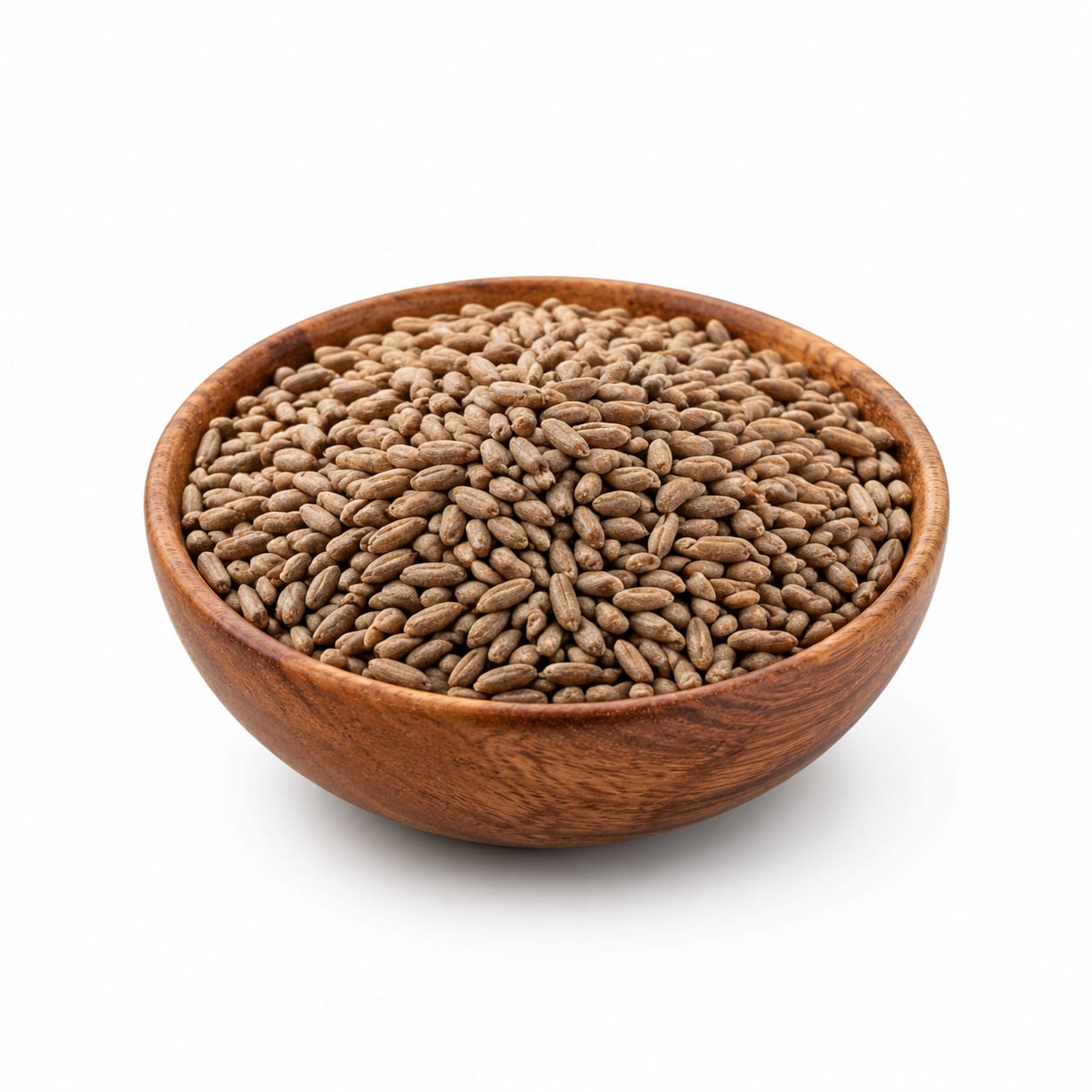
Rye is a nutrient-dense whole grain prized for its high fiber content, low glycemic impact, and distinct earthy flavor.
Rye is a cereal grain closely related to wheat and barley, known for its robust, earthy flavor and high dietary fiber content. It is commonly consumed as whole berries, cracked grains, flour, or bread.
high-fiber low-glycemic whole grain
Typical serving · 100g
Common varieties · rye berries, dark rye flour, light rye flour, pumpernickel rye, whole grain rye flakes
Overall context score across nutrition, safety, and diet fit
At a glance
Quick facts
Simple indicators based on nutrition, processing, and diet fit.
The story
What makes it unique
Rye is characterized by a high proportion of arabinoxylan fiber, which increases viscosity in the gut, slowing gastric emptying and glucose absorption. Its macronutrient profile features moderate protein, low fat, and complex carbohydrates. The dense fiber matrix results in a lower digestion speed and higher satiety compared to wheat, while its minimal processing as a whole grain preserves its nutrient density.
Varieties: rye berries · dark rye flour · light rye flour · pumpernickel rye · whole grain rye flakes
Per 100g
Nutrition breakdown
Macro balance and key metrics at a glance.
Energy
Density 3.38 kcal/g
Protein
Carbs
Fat
Fiber
Sugar
0.8 g
Sodium
2 mg
Potassium
510 mg
Glycemic index
29
Glycemic load
15
Water content
11%
Standout compounds
Nutrient highlights
Fiber
highpromotes satiety and feeds beneficial gut bacteria
Manganese
highsupports bone health and metabolic function
Phosphorus
moderateessential for bone structure and energy production
Magnesium
moderateimportant for muscle relaxation and nerve function
Arabinoxylan
highprebiotic fiber that lowers blood sugar response
Wellness map
Health scores & processing
NOVA processing scale
minimally_processed · Whole food
Whole rye berries and whole grain rye flour are minimally processed, retaining the bran, germ, and endosperm of the kernel.
Diet compatibility
- Weight loss
- Muscle gain
- Diabetes
- Gut health
- Low carb
- High protein
- Heart health
Relative standing
Food rankings
Qualitative ranks compared to similar whole foods.
- Satietyexcellent
- Blood sugarexcellent
- Nutrient densitygood
- Fitness fuelgood
- Processing qualityexcellent
Eat with confidence
Food safety profile
Rye is generally safe for consumption. Modern agricultural practices strictly monitor for ergot, a fungus that historically contaminated rye crops. Conventional rye may carry trace pesticide residues.
Evidence confidence 90%
- Pesticideslow
- Antibioticslow
- Heavy metalslow
- Contaminationlow
Watch for
- ergot fungus
- pesticide residues
Safer choices
Organic whole grain rye berries to minimize pesticide exposure and ensure strict ergot screening.
Prep tips
Rinse whole rye berries thoroughly under cold water before cooking to remove dust and field debris.
Monitoring for ergot alkaloids is standard in commercial rye production due to historical contamination risks.
Deep dive
Health analysis
How this food may fit different goals and preparation choices.
Weight loss
High fiber content promotes prolonged fullness and reduces overall calorie intake, though it is energy-dense in its dry form.
Blood sugar
Low glycemic index and high viscous fiber slow glucose absorption, preventing sharp blood sugar spikes and improving insulin sensitivity.
Fitness & energy
Provides sustained, slow-releasing carbohydrates ideal for endurance activities, but less suitable for rapid post-workout glycogen replenishment.
Gut health
Rich in prebiotic fibers like arabinoxylan and beta-glucan that feed beneficial gut bacteria, improve microbiome diversity, and support regular bowel movements.
Processing quality
Whole rye berries are minimally processed; however, many commercial rye breads are made with refined rye flour mixed with wheat flour, which diminishes the nutritional benefits.
Food safety
Generally very safe; historical concerns about ergot fungus are well-controlled by modern agricultural screening and milling practices.
Common mistakes
Assuming all dark rye breads are whole grain; many commercial varieties use refined flour colored with molasses or caramel coloring.
Best preparation
Soaking and boiling whole rye berries, or baking with 100% whole grain rye flour using sourdough fermentation to lower phytic acid and improve mineral absorption.
Practical guide
Best use cases
When and how this food fits real eating patterns.
sustained energy for endurance sports
The slow-digesting complex carbohydrates provide a steady release of glucose during prolonged physical activity.
blood sugar friendly breakfast
Whole grain rye porridge or bread minimizes morning glucose spikes and sustains energy until lunch.
high fiber side dish
Boiled rye berries offer a chewy, nutrient-dense alternative to rice or pasta, boosting the fiber content of any meal.
Balance sheet
Pros & cons
Upsides
- very high in dietary fiber
- low glycemic index stabilizes blood sugar
- rich in prebiotics for gut health
- good source of manganese and magnesium
- more satiating than wheat
Trade-offs
- contains gluten, unsuitable for celiacs
- dry grain requires long soaking and cooking times
- commercial rye bread is often refined and mixed with wheat
- high in phytic acid which can reduce mineral absorption
Fit check
Who is it for?
Great match
- blood sugar management
- gut microbiome support
- endurance athletes
- high-volume eating
Consider alternatives
- celiac disease
- strict ketogenic diets
- rapid post-workout recovery
- quick-cooking meals
Side by side
How it compares
Open the full head-to-head analysis for nutrition, safety, and practical tradeoffs.
This food
Rye
VS90% alike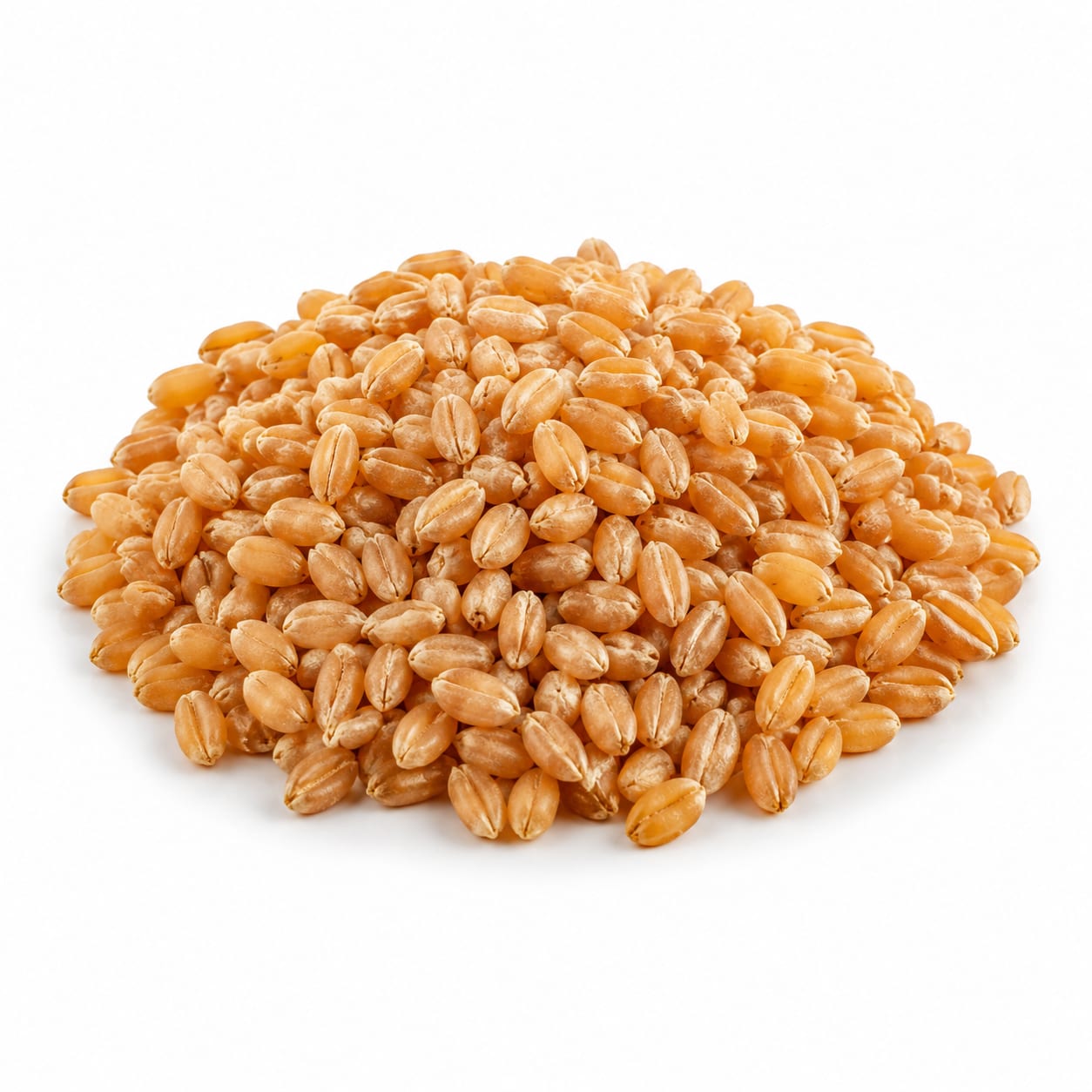
Compare with
Wheat
Rye provides more fiber and a lower glycemic index than wheat, while wheat offers higher protein and stronger gluten for baking.
Rye beats wheat for blood sugar control and satiety due to higher fiber, but wheat provides more protein and better baking structure.
This food
Rye
VS85% alike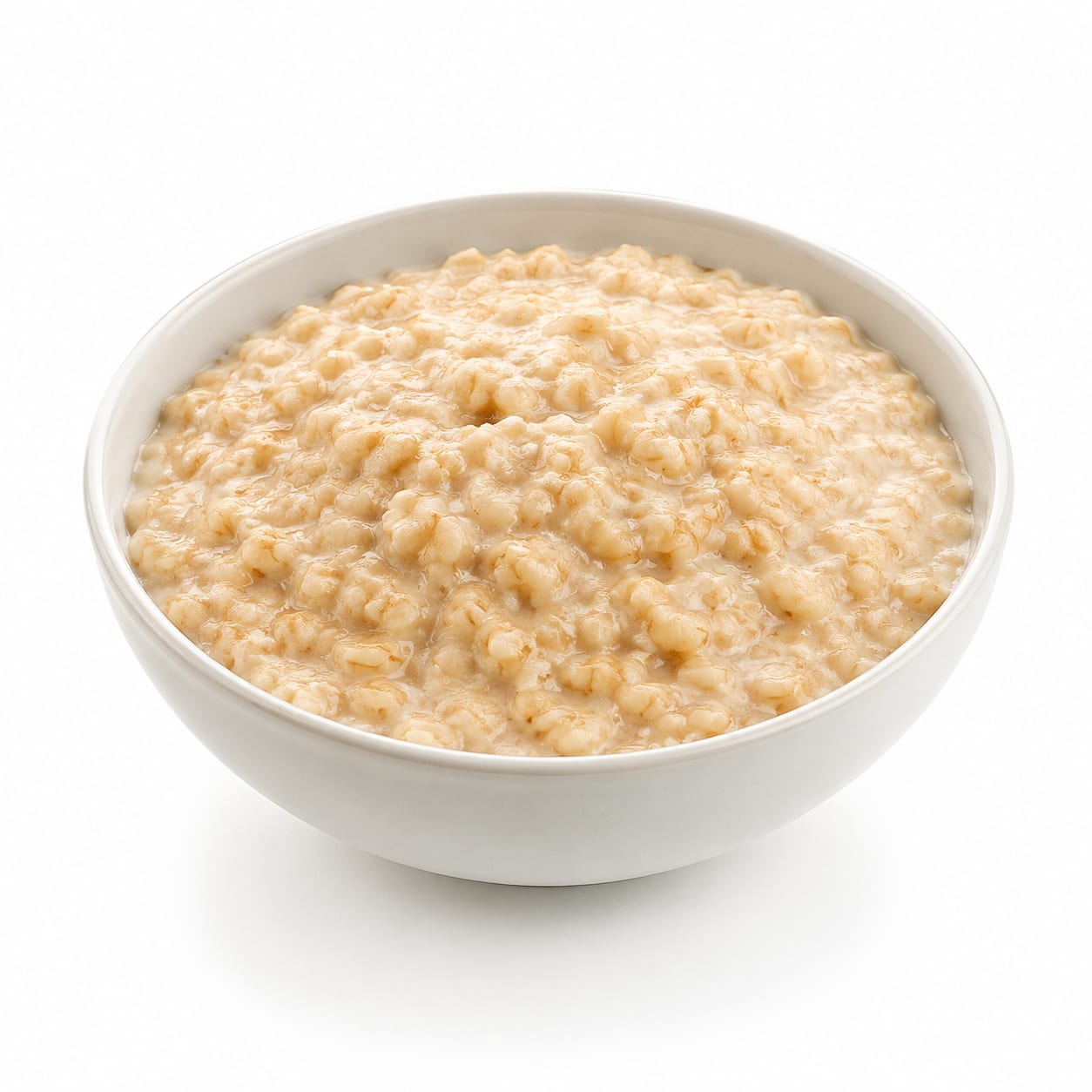
Compare with
Oats
Oats are higher in beta-glucan and easier to prepare, while rye offers a lower glycemic index and more diverse prebiotic fibers.
Oats are better for cholesterol and quick breakfasts, while rye provides superior blood sugar control and a chewier texture.
This food
Rye
VS85% alike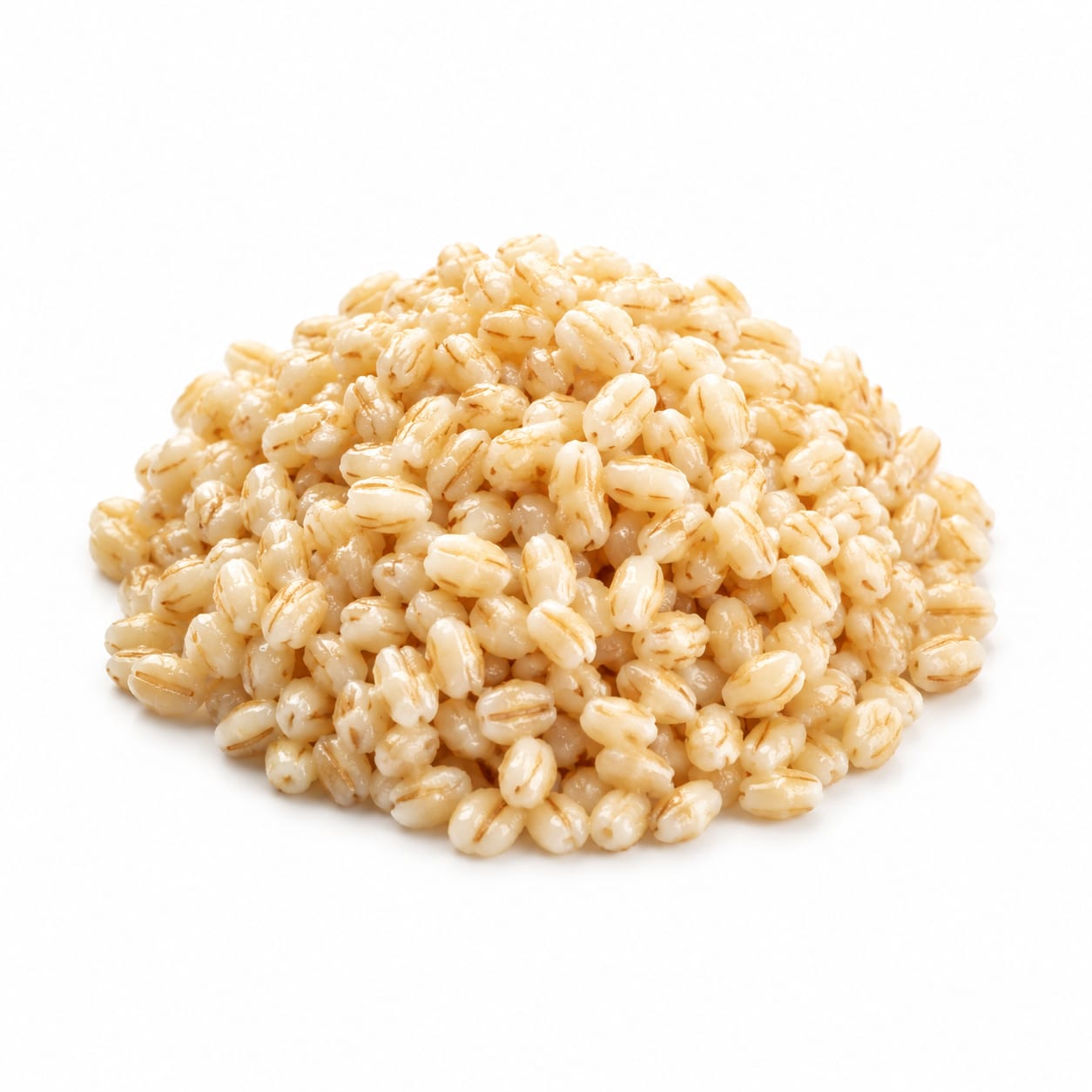
Compare with
Barley
Barley and rye are both excellent for blood sugar, but barley has slightly more beta-glucan, while rye has more arabinoxylan.
Barley and rye are nutritional peers for fiber and blood sugar, but barley edges out slightly for cholesterol reduction.
This food
Rye
VS75% alike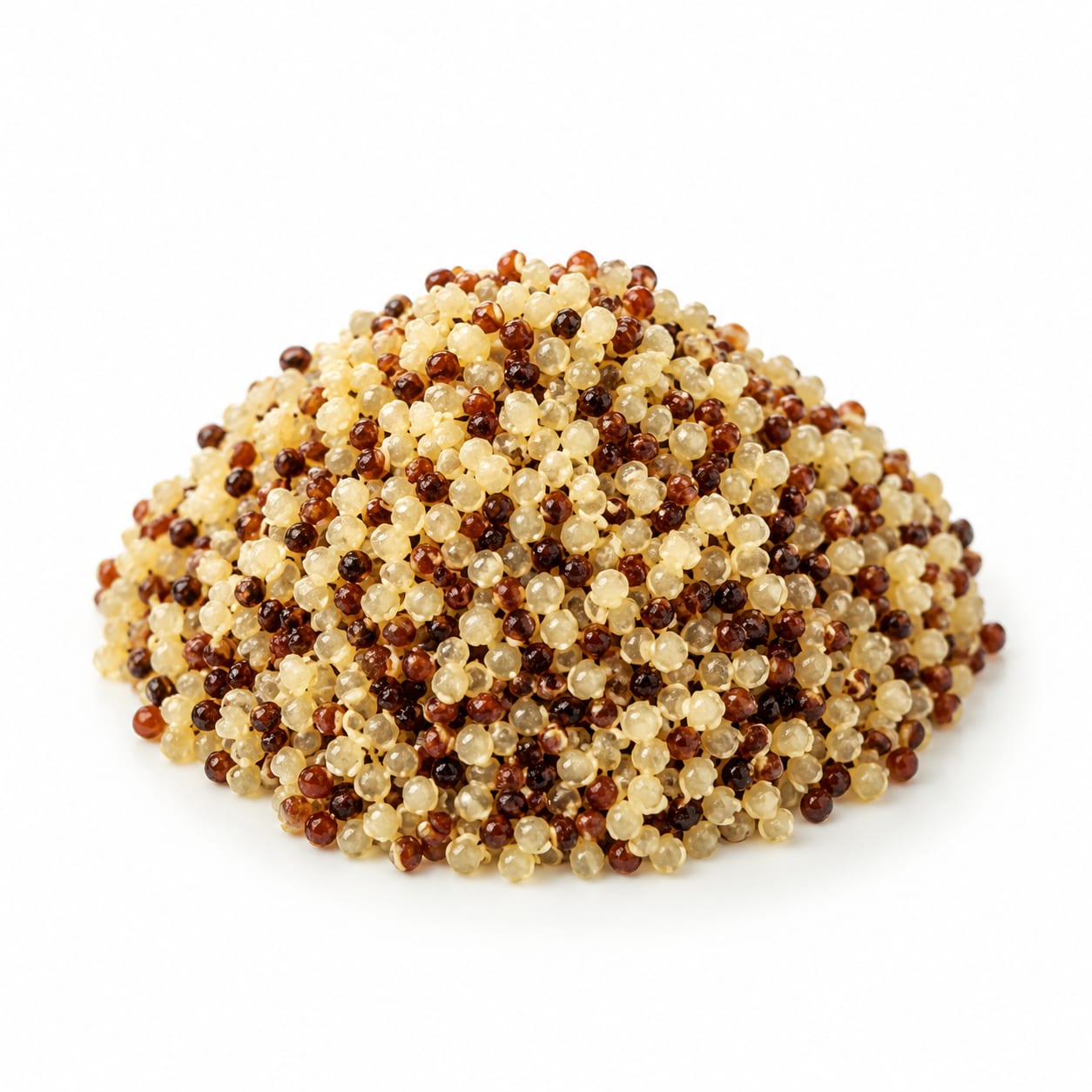
Compare with
Quinoa
Quinoa is a complete protein and gluten-free, while rye is much higher in fiber and better for sustained satiety.
Quinoa wins for muscle-building protein and gluten-free diets, but rye is superior for fiber and keeping you full longer.
This food
Rye
VS70% alike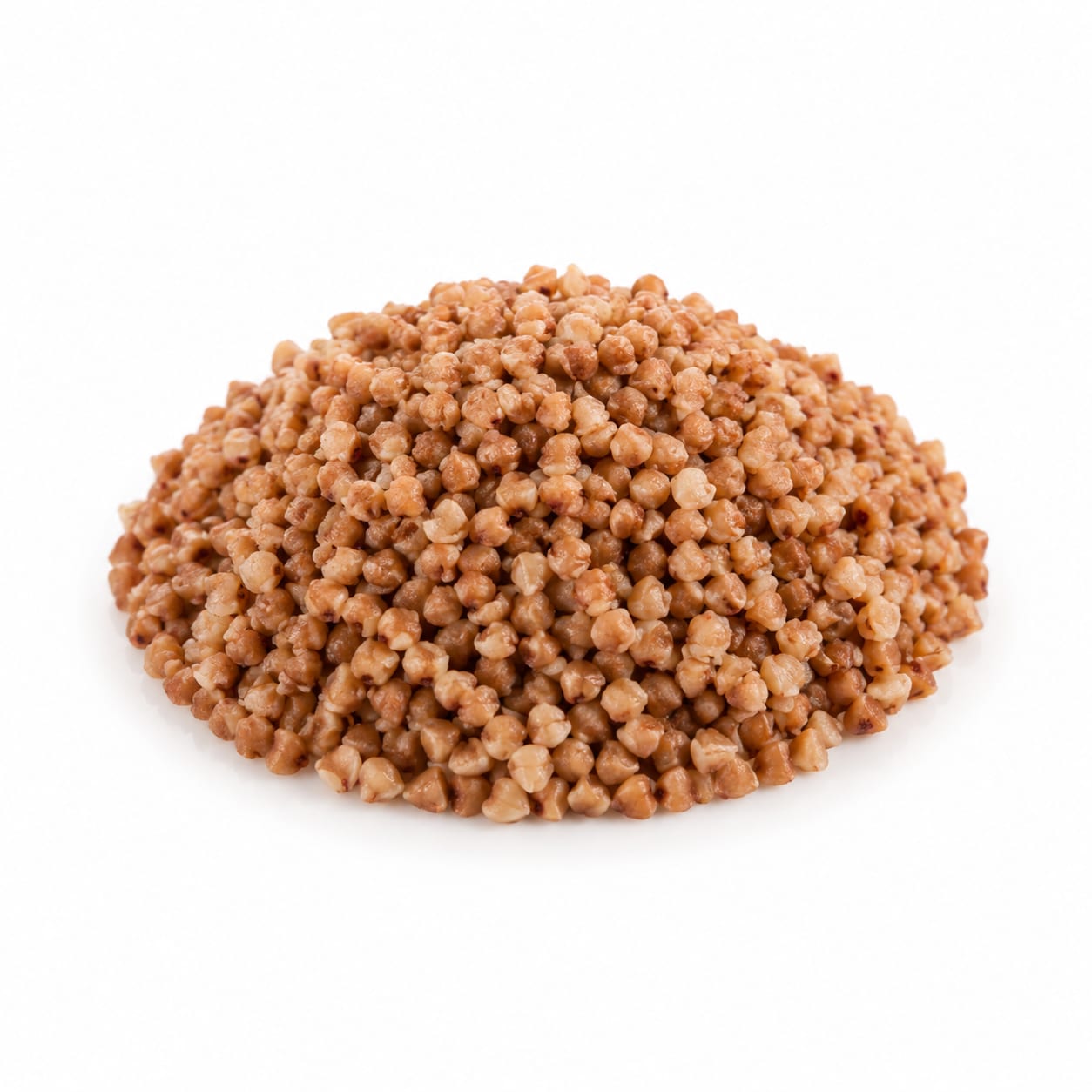
Compare with
Buckwheat
Buckwheat is gluten-free and richer in antioxidants, while rye provides more total fiber and better glycemic control.
Buckwheat is the go-to for gluten-free eaters, but rye offers more soluble fiber for blood sugar management.
This food
Rye
VS65% alike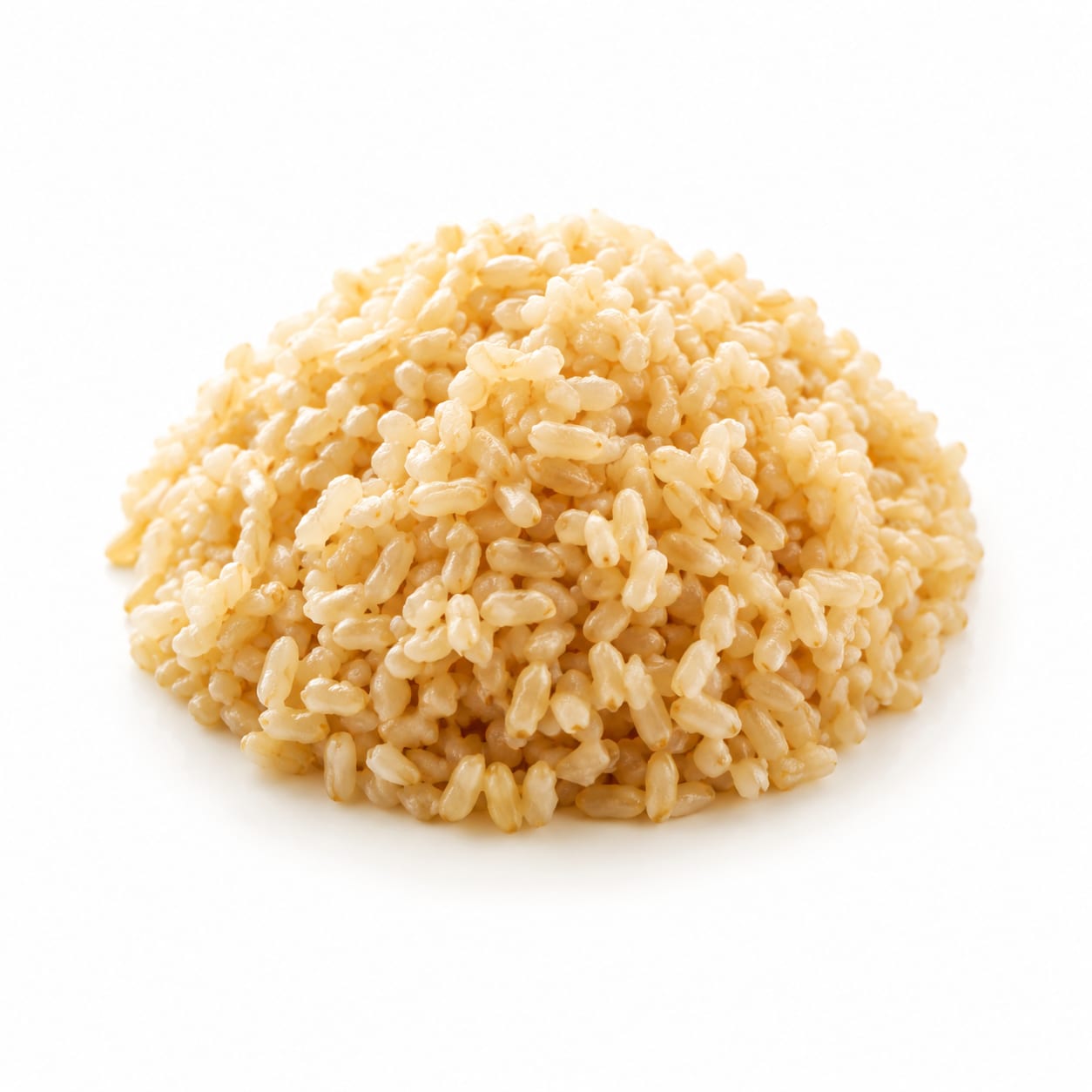
Compare with
Brown Rice
Rye is vastly superior in fiber, protein, and blood sugar regulation compared to brown rice.
Rye easily beats brown rice for fiber, protein, and blood sugar control, making it the healthier grain choice.
This food
Rye
VS80% alike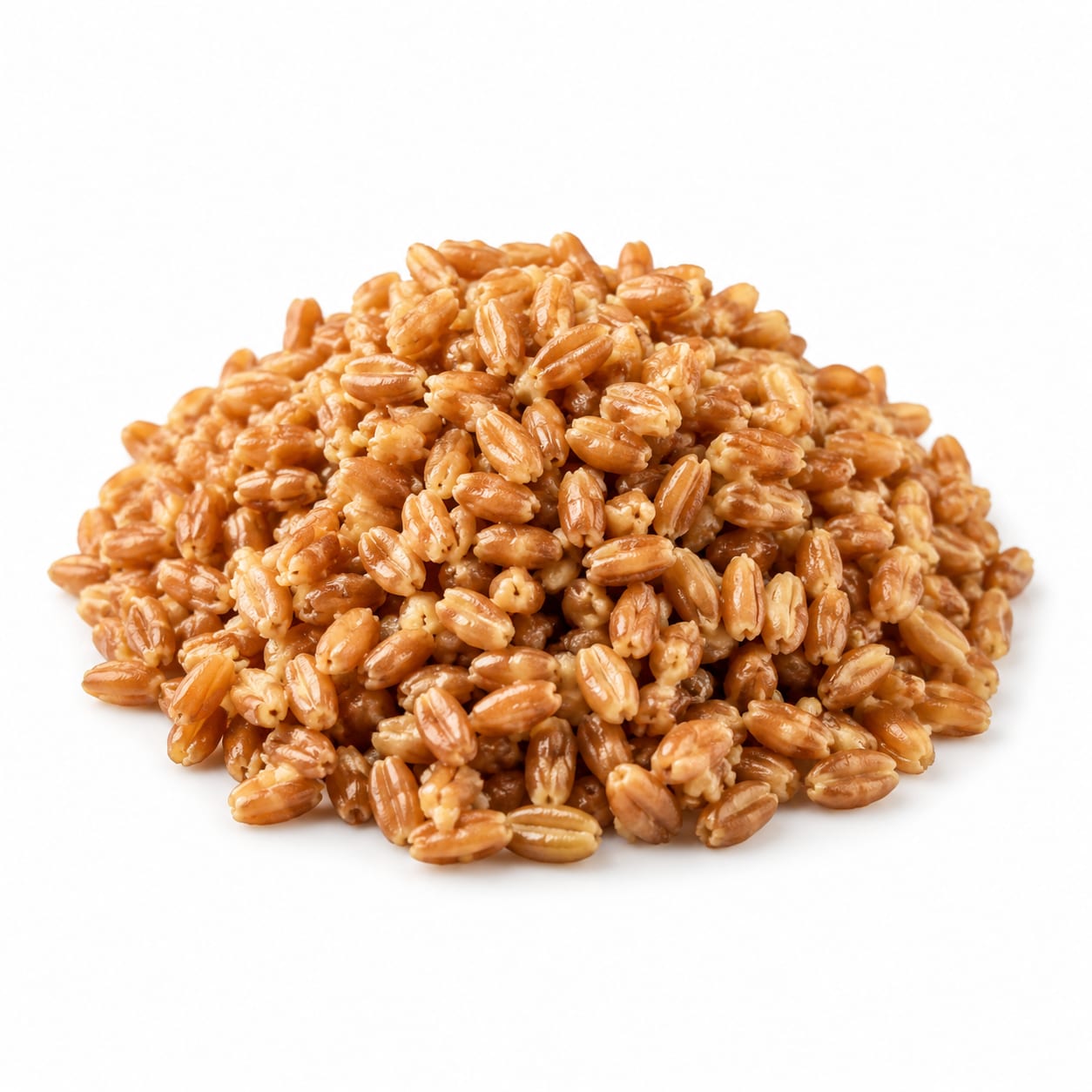
Compare with
Spelt
Spelt is easier to digest for some and higher in protein, but rye is significantly higher in fiber and lower in glycemic impact.
Spelt offers more protein and easier digestion, but rye is the clear winner for fiber and blood sugar stability.
This food
Rye
VS40% alike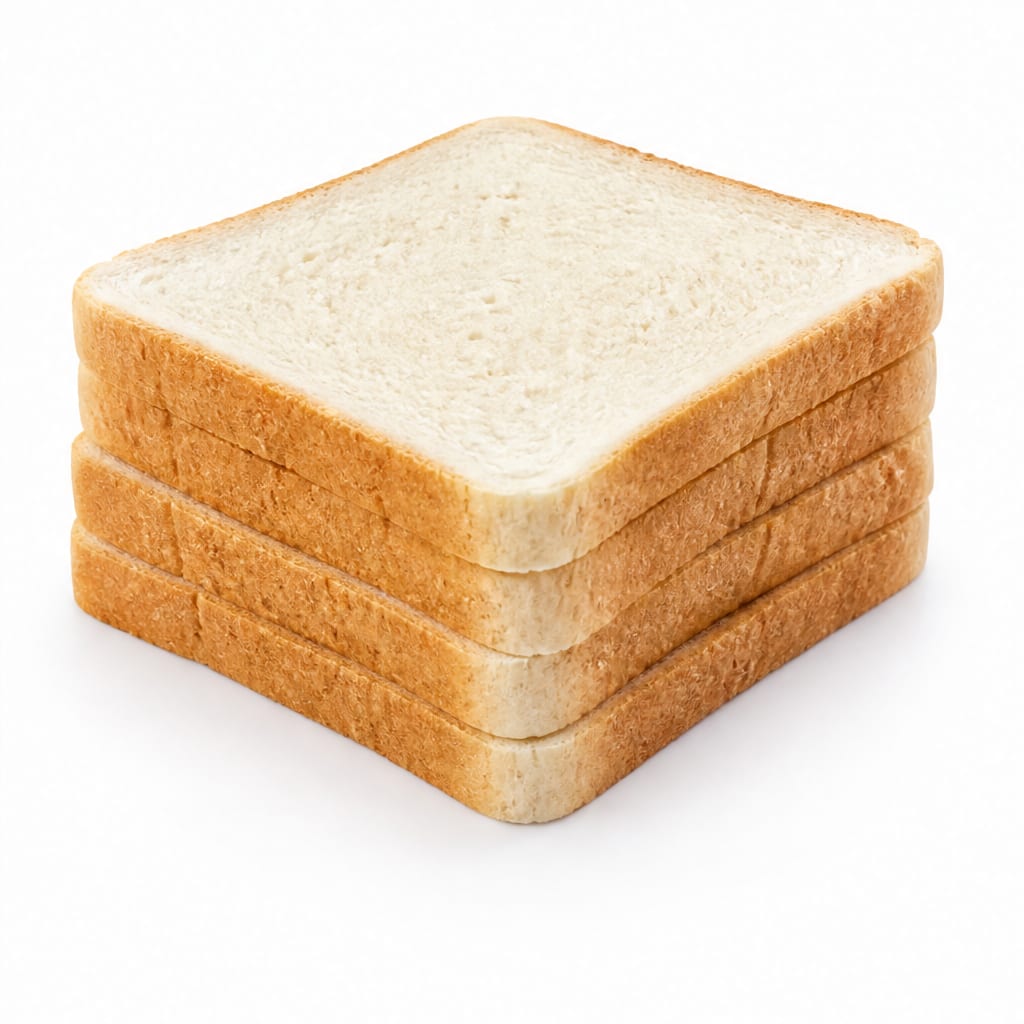
Compare with
White Bread
Whole rye is far superior to white bread in fiber, nutrient density, and glycemic control, while white bread digests rapidly.
Whole rye dominates white bread in every health metric, offering sustained energy and fullness instead of sugar spikes.
This food
Rye
VS70% alike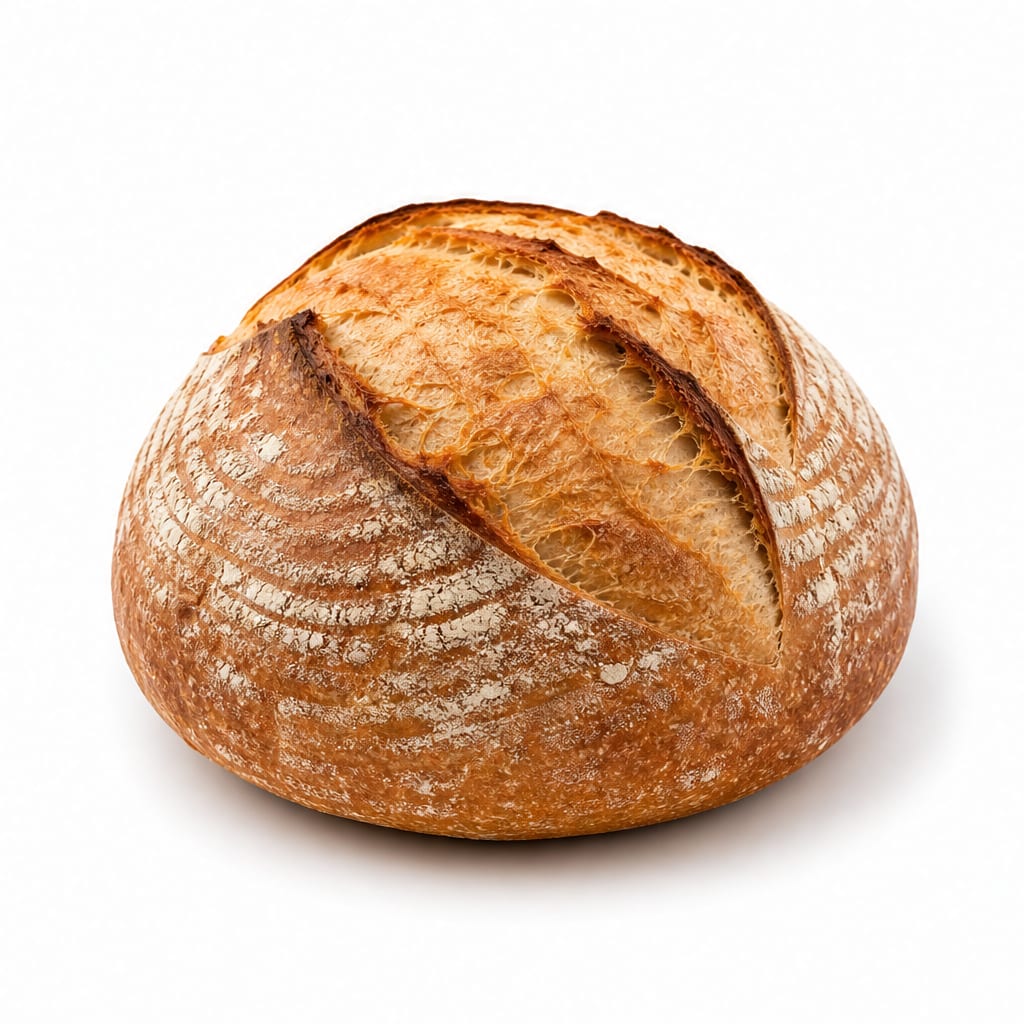
Compare with
Sourdough Bread
Sourdough fermentation lowers glycemic impact, but whole grain rye provides more fiber and prebiotics than refined sourdough.
Whole rye offers more fiber and gut benefits than standard sourdough, though sourdough rye combines the best of both.
This food
Rye
VS60% alike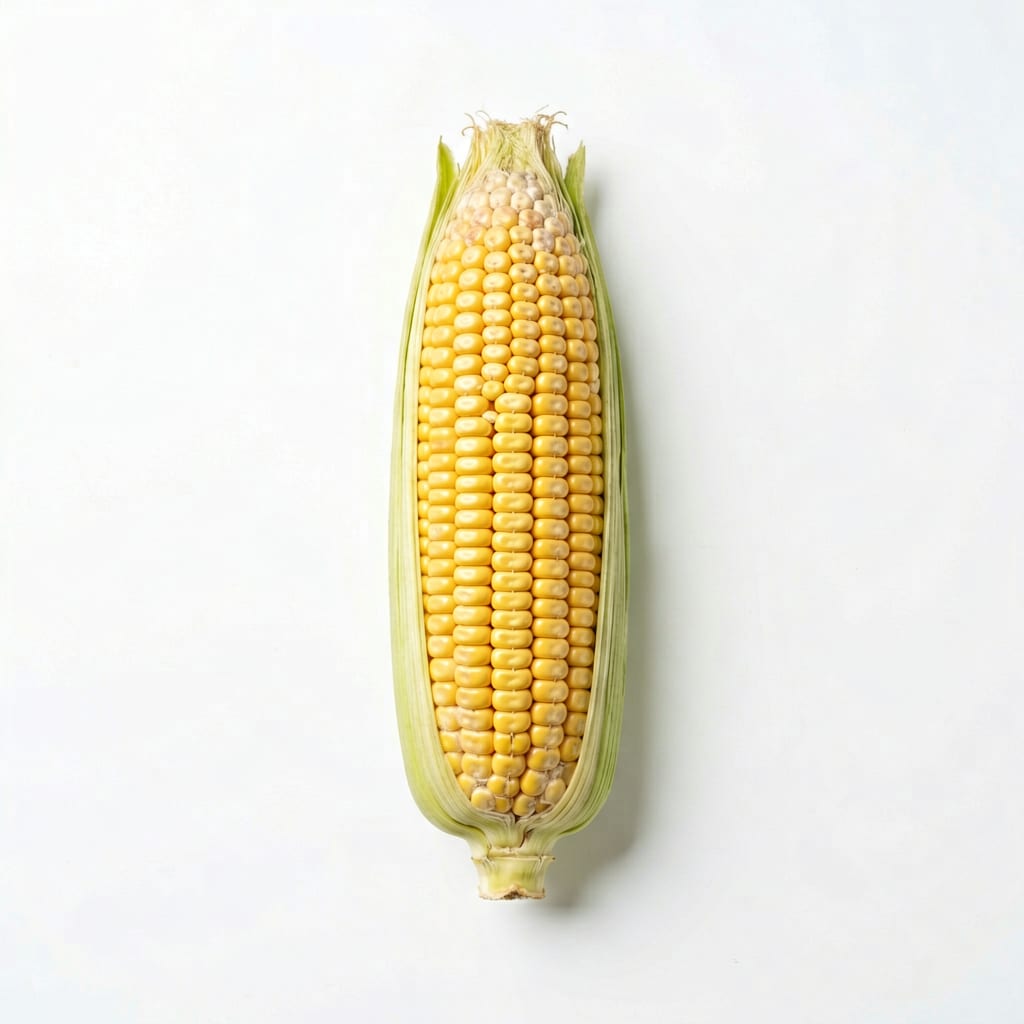
Compare with
Corn
Rye is higher in protein and fiber with a lower glycemic index, while corn is gluten-free and higher in certain antioxidants.
Rye provides more fiber and better blood sugar control than corn, though corn is a safe choice for gluten-free diets.
Common questions
FAQ
Answers aligned with how people search for this food.
Is rye healthier than wheat?
Rye generally offers better blood sugar control and higher fiber content than wheat, particularly refined wheat. Its arabinoxylan fiber slows digestion more effectively, leading to greater satiety and a lower insulin response.
Is rye bread good for diabetics?
Yes, whole grain rye bread has a low glycemic index and high viscous fiber content, which slows glucose absorption and helps stabilize blood sugar levels, making it a suitable choice for diabetics.
Does rye contain gluten?
Yes, rye contains gluten, specifically secalin. It is not safe for individuals with celiac disease or gluten intolerance, though its gluten content is generally lower than wheat.
Is rye good for weight loss?
Rye can support weight loss due to its high fiber content, which increases satiety and reduces hunger. However, portion control is important as it is calorie-dense in its dry form.
What is the glycemic index of rye?
Whole grain rye has a low glycemic index of approximately 29, meaning it causes a slow and steady rise in blood sugar compared to high-GI carbohydrates.
Is rye keto-friendly?
No, rye is not keto-friendly. It is a high-carbohydrate grain, containing about 76 grams of carbohydrates per 100 grams, which exceeds the strict carb limits of a ketogenic diet.
Can celiacs eat rye?
No, people with celiac disease cannot eat rye. It contains gluten proteins that trigger the same autoimmune intestinal damage as wheat and barley.
What are the benefits of rye bread vs white bread?
Whole grain rye bread provides significantly more fiber, keeps you full longer, and causes much lower blood sugar spikes compared to white bread, which is made from refined flour and lacks these metabolic benefits.
Transparency
Data confidence
Estimated confidence for nutrition data, interpretation, safety notes, and comparisons.
Nutrition data
Health analysis
Food safety
Comparisons