
Nutrition comparison
Wheat vs Rye: Which Grain Is Better for Blood Sugar, Fullness, and Daily Health?
Compare wheat and rye for nutrition, glycemic impact, fiber, and digestive health. Learn which grain keeps you fuller longer and when each is the smarter choice.
Overall winner · Rye
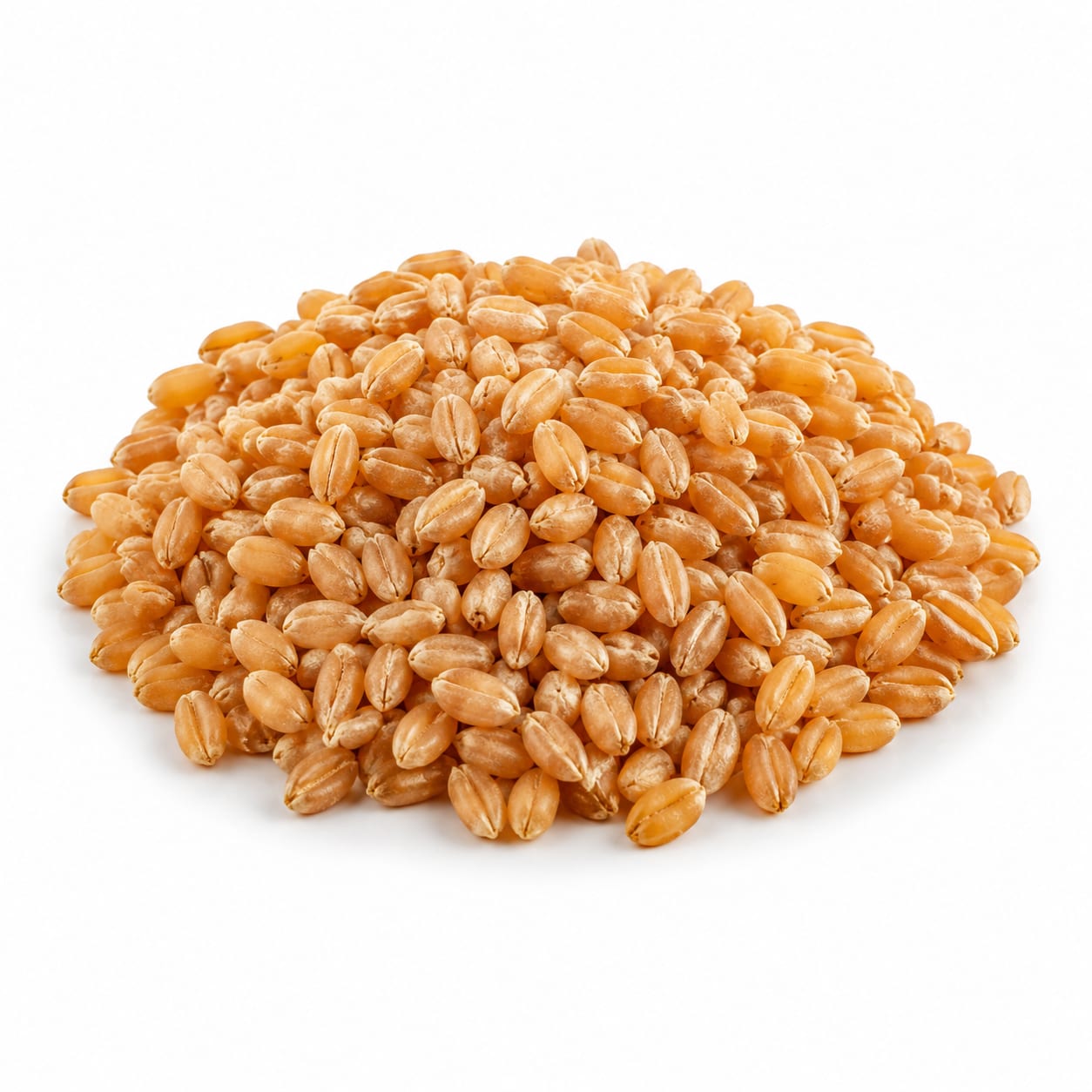
Wheat
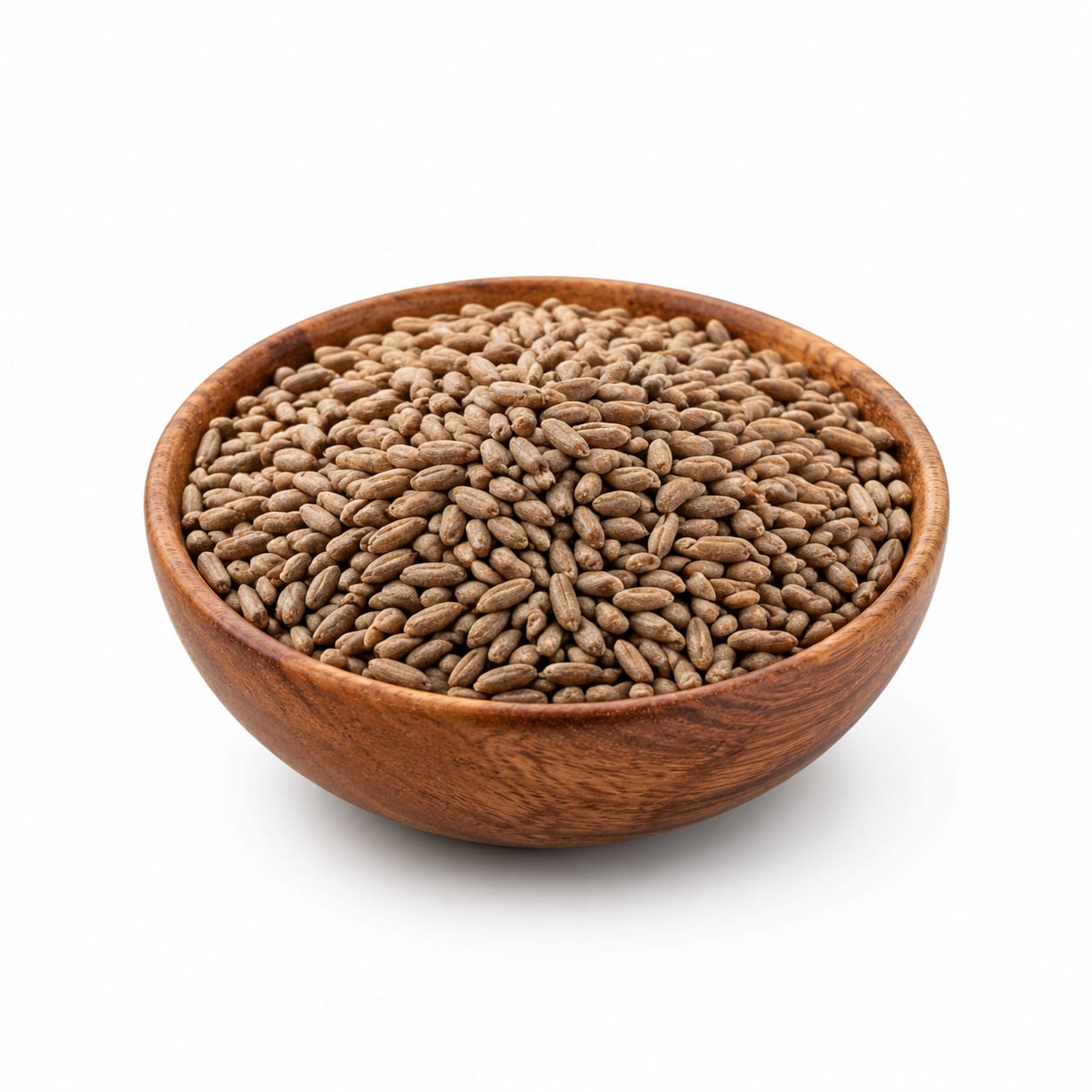
Rye
Rye edges out wheat for metabolic health and satiety, but wheat wins on versatility and availability.
Rye scores higher due to superior fiber, lower glycemic impact, and better mineral content. Wheat remains competitive through unmatched availability and culinary versatility.
Rye gives you steadier energy and more fullness; wheat gives you softer texture, milder flavor, and far easier access.
At a glance
Executive summary
Overall
Rye
Healthier
Rye
More practical
Wheat
Daily use
It depends
Key comparison lenses
blood sugar management and glycemic impact
Rye's lower glycemic index is the most clinically meaningful difference between these grains
digestive health and fiber quality
Rye offers significantly more soluble fiber, impacting satiety and gut health
gluten sensitivity tolerance
Both contain gluten but in different amounts and types, affecting tolerance
everyday practicality and availability
Wheat dominates grocery shelves and menus, making it the default choice for most people
weight management and fullness
Rye's density and fiber create longer-lasting fullness per calorie
Best choice for
Wheat
- People who need widely available, affordable grain options
- Anyone baking at home who wants light, fluffy results
- Families with picky eaters who prefer milder flavors
- Endurance athletes needing quick-access carbohydrates
Rye
- People managing blood sugar or insulin resistance
- Anyone wanting longer-lasting fullness between meals
- Those prioritizing gut health and digestive regularity
- People seeking more nutrient density per calorie
Least suitable for
Wheat
- People with wheat-specific allergies
- Those struggling with blood sugar spikes after meals
- Anyone seeking maximum fiber per serving
Rye
- People with fructan intolerance or FODMAP sensitivity
- Anyone who dislikes dense, heavy bread textures
- Those needing widely available grain products while traveling
Deep comparison
Dimension by dimension
Each lens scores both foods and breaks down who each option suits.
- Dimension 1 · Priority 92Rye
Blood Sugar Stability
Wheat · 45Rye · 78Rye causes slower, gentler blood sugar rises compared to wheat.
Tradeoff
Wheat products digest faster, which can be useful during exercise but problematic for sedentary meals.
Why it matters
Steadier blood sugar means fewer energy crashes and less craving between meals.
Real-world impact
A rye bread breakfast keeps you satisfied until lunch; wheat toast may leave you hungry by 10am.
Wheat
- Quick energy before or during intense exercise
- Post-workout recovery when fast carbs help
Better for
- Sedentary office workers prone to afternoon slumps
- Anyone monitoring fasting blood sugar
Worse for
Rye
- Morning meals when you want lasting energy
- Preventing afternoon energy crashes
- Managing insulin resistance or prediabetes
Better for
- Athletes needing rapid carbohydrate availability mid-event
Worse for
- Dimension 2 · Priority 88Rye
Satiety and Fullness
Wheat · 48Rye · 82Rye is significantly more filling per serving due to its soluble fiber content and denser structure.
Tradeoff
Rye's heaviness feels comforting at mealtime but can feel too dense for light snacking.
Why it matters
Feeling full longer reduces overall calorie intake without conscious effort.
Real-world impact
A rye sandwich at noon holds you until dinner; a wheat sandwich leaves you raiding the snack drawer by 3pm.
Wheat
- Light meals before physical activity
- People who prefer eating smaller, more frequent meals
Better for
- People who struggle with between-meal snacking
Worse for
Rye
- Anyone trying to eat less without feeling deprived
- Long workdays without meal breaks
- Weight management without counting calories
Better for
- Those who find heavy meals uncomfortable or fatigue-inducing
Worse for
- Dimension 3 · Priority 85Rye
Digestive Health
Wheat · 50Rye · 79Rye's soluble fiber feeds beneficial gut bacteria and promotes more regular digestion than wheat.
Tradeoff
Rye is higher in fructans, which can trigger symptoms in people with IBS or FODMAP sensitivity.
Why it matters
Better gut health links to improved immunity, mood, and long-term disease risk.
Real-world impact
Regular rye consumption often means more consistent, comfortable digestion. But for IBS sufferers, it can mean the opposite.
Wheat
- People with identified fructan intolerance
- Those on a low-FODMAP elimination diet
Better for
- Those needing more dietary fiber for regularity
Worse for
Rye
- Anyone wanting to improve gut microbiome diversity
- People with sluggish digestion or irregularity
Better for
- IBS patients sensitive to fermentable carbohydrates
Worse for
- Dimension 4 · Priority 78Rye
Nutrient Density
Wheat · 52Rye · 72Rye delivers more magnesium, iron, zinc, and B vitamins per serving than wheat.
Tradeoff
Rye's higher phytic acid can slightly reduce mineral absorption, partially offsetting the advantage.
Why it matters
More nutrients per bite matters when grains are a dietary staple eaten daily.
Real-world impact
Over months, choosing rye over wheat contributes meaningfully to meeting daily mineral needs.
Wheat
- Sourdough wheat preparations that reduce phytic acid
Better for
- Those not supplementing minerals through other foods
Worse for
Rye
- Anyone relying on grains as a primary mineral source
- Older adults needing more magnesium and zinc
Better for
- Meals not paired with vitamin C sources to enhance iron absorption
Worse for
- Dimension 5 · Priority 75Wheat
Versatility and Practicality
Wheat · 90Rye · 48Wheat is everywhere, works in nearly every recipe, and tastes familiar to almost everyone.
Tradeoff
Convenience comes at the cost of wheat being more processed in typical food products.
Why it matters
The healthiest grain only helps if you can actually find, afford, and enjoy eating it.
Real-world impact
Wheat bread, pasta, and wraps are available at any store. Rye options require specialty shops or extra effort.
Wheat
- Busy families needing quick, accessible meal options
- Home bakers wanting reliable, forgiving recipes
- Eating at restaurants where rye options are rare
Better for
- Those wanting to break out of monotonous grain routines
Worse for
Rye
- People who enjoy dense, flavorful European-style breads
- Meal preppers who can plan around specialty shopping
Better for
- Anyone without access to specialty or artisan bakeries
- Travelers needing reliable food options
Worse for
- Dimension 6 · Priority 72It depends
Gluten and Allergy Considerations
Wheat · 40Rye · 45Neither grain is safe for celiac disease. Rye has less gluten overall but is higher in fructans that mimic sensitivity symptoms.
Tradeoff
Some people with non-celiac gluten sensitivity tolerate rye slightly better, but others find it equally or more problematic.
Why it matters
Misunderstanding gluten differences can lead to painful mistakes for sensitive individuals.
Real-world impact
If regular wheat causes bloating, rye might feel better. But if you have celiac disease, both are strictly off-limits.
Wheat
- People specifically allergic to rye proteins
- Those who tolerate wheat well and have no reason to switch
Better for
- Anyone with diagnosed wheat allergy
Worse for
Rye
- People with wheat-specific allergies who can tolerate rye
- Some non-celiac gluten sensitivity cases
Better for
- All celiac patients — rye contains gluten
- Fructan-sensitive IBS sufferers
Worse for
Timeline
Health impact over time
Short-term
Hours to days
Wheat
- Quick energy that may fade within 2-3 hours
- Possible bloating in sensitive individuals
- Lighter digestive feel after meals
Rye
- Steady energy lasting 4+ hours after eating
- Initial adjustment period if your gut is unused to high fiber
- Greater immediate fullness that reduces snacking urges
Long-term
Months to years
Wheat
- Higher refined wheat intake links to increased metabolic syndrome risk
- Consistent blood sugar spikes may worsen insulin sensitivity over years
- Widely available whole wheat options mitigate most long-term concerns
Rye
- Better long-term blood sugar control and diabetes risk reduction
- Improved gut microbiome diversity with regular consumption
- Greater mineral intake supporting bone and immune health over decades
Risk profile
Safety & processing
Most wheat consumed today is heavily refined and stripped of bran and germ. Rye products more commonly retain their whole grain form because rye flour is harder to refine effectively.
Wheat
Pesticide residue
mediumWheat is among the most pesticide-treated grain crops globally. Choosing organic reduces exposure significantly.
Glyphosate pre-harvest treatment
mediumSome wheat crops are sprayed with glyphosate as a desiccant before harvest, leaving trace residues.
Rye
Ergot contamination
lowRye is more susceptible to ergot fungus than wheat, but modern agricultural practices make this extremely rare in commercial products.
Mycotoxin exposure
lowRye's hardier growing conditions can attract fungal contamination, though testing protocols catch most issues before market.
Who wins for whom
Audience fit
Same foods, different winners depending on your goal.
children
WheatKids generally accept wheat's milder taste and softer texture more readily, making healthy eating habits easier to build.
daily consumption
It dependsRye is nutritionally superior for daily use, but wheat's convenience and familiarity make it more sustainable for most people's lifestyles.
diabetes
RyeRye's lower glycemic index and higher soluble fiber create significantly gentler blood sugar responses.
elderly
RyeOlder adults benefit more from rye's mineral density, fiber for regularity, and blood sugar stability.
muscle gain
WheatWheat's faster-digesting carbohydrates are more useful around workouts, and wheat protein isolates are common in muscle-building diets.
weight loss
RyeRye's superior satiety means fewer calories consumed naturally throughout the day without feeling restricted.
Your move
Decision guide
Choose Wheat
- You need widely available, affordable grain options
- You are an athlete needing quick-digesting carbs around training
- Your family prefers familiar, mild-flavored foods
- You bake frequently and want reliable, forgiving results
Choose Rye
- You want steadier energy and fewer cravings between meals
- Blood sugar management is a health priority
- You enjoy dense, hearty breads with robust flavor
- Gut health and digestive regularity matter to you
Either works if
- You tolerate both grains well and want variety
- You are mixing grains for balanced nutrition
- You are eating whole grain versions of either option
Avoid both if
- You have celiac disease — both contain gluten
- You are following a strict grain-free or paleo approach
- You have confirmed allergies to both grains
Final recommendation
Choose rye when health optimization is your priority, especially for blood sugar and fullness. Choose wheat when practicality, availability, and family acceptance matter more. The best approach for most people is rotating both, favoring whole grain versions of either.
Practical
Consumer tips
- 1
Sourdough fermentation reduces phytic acid in both grains, making minerals more absorbable
- 2
Look for 'whole rye' or 'whole wheat' as the first ingredient — anything else means refined flour
- 3
Rye crispbread is an easy entry point if you find rye bread too dense
- 4
If switching from wheat to rye, introduce it gradually to let your gut adjust to the fiber increase
- 5
Freezing rye bread works well and preserves its texture better than refrigerating
- 6
Pair either grain with protein and healthy fat to further slow digestion and stabilize energy