
Nutrition comparison
Barley vs Rye: Which Whole Grain is Healthier?
Compare Barley vs Rye to find out which grain is better for blood sugar, cholesterol, gut health, and weight loss. Discover the nutritional tradeoffs.
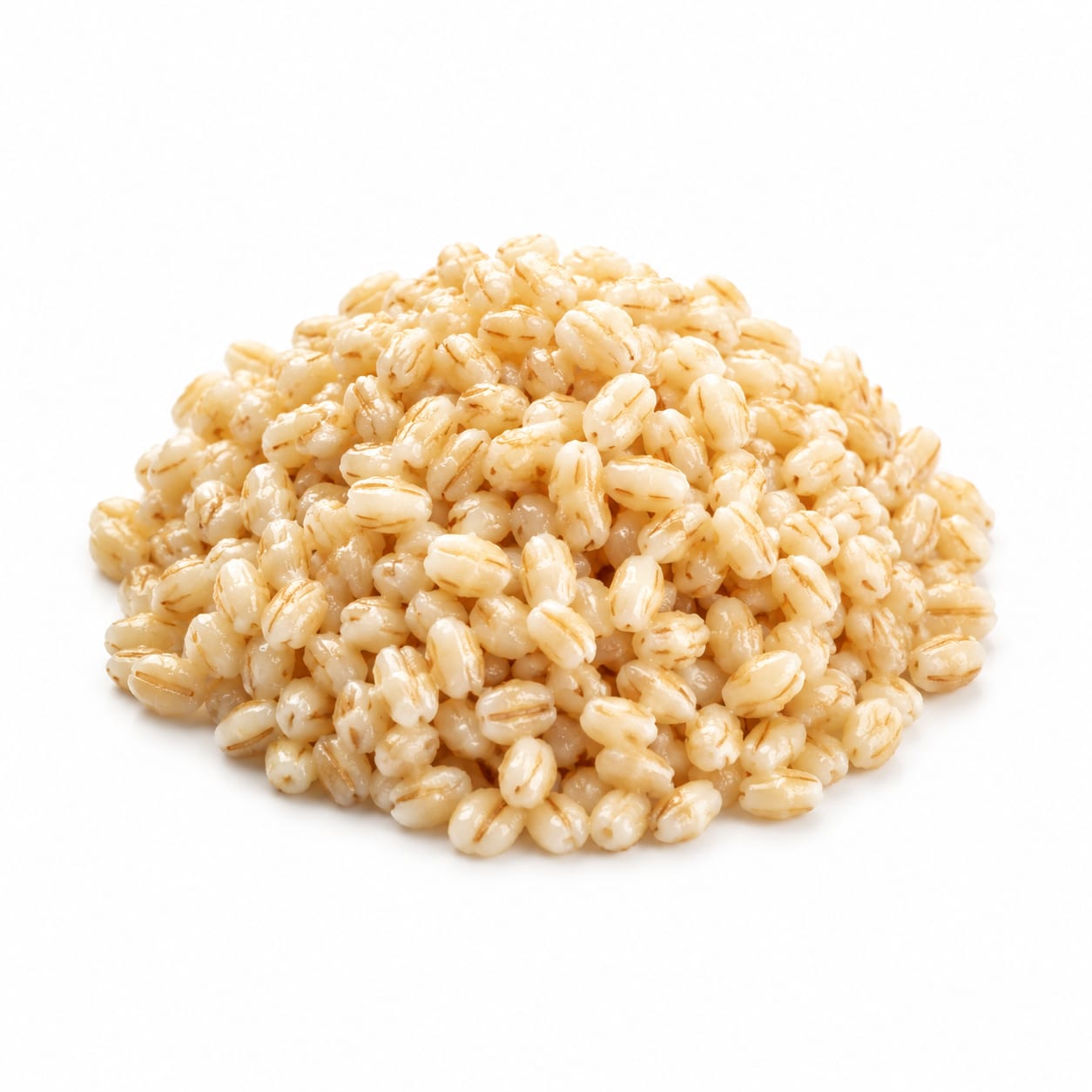
Barley
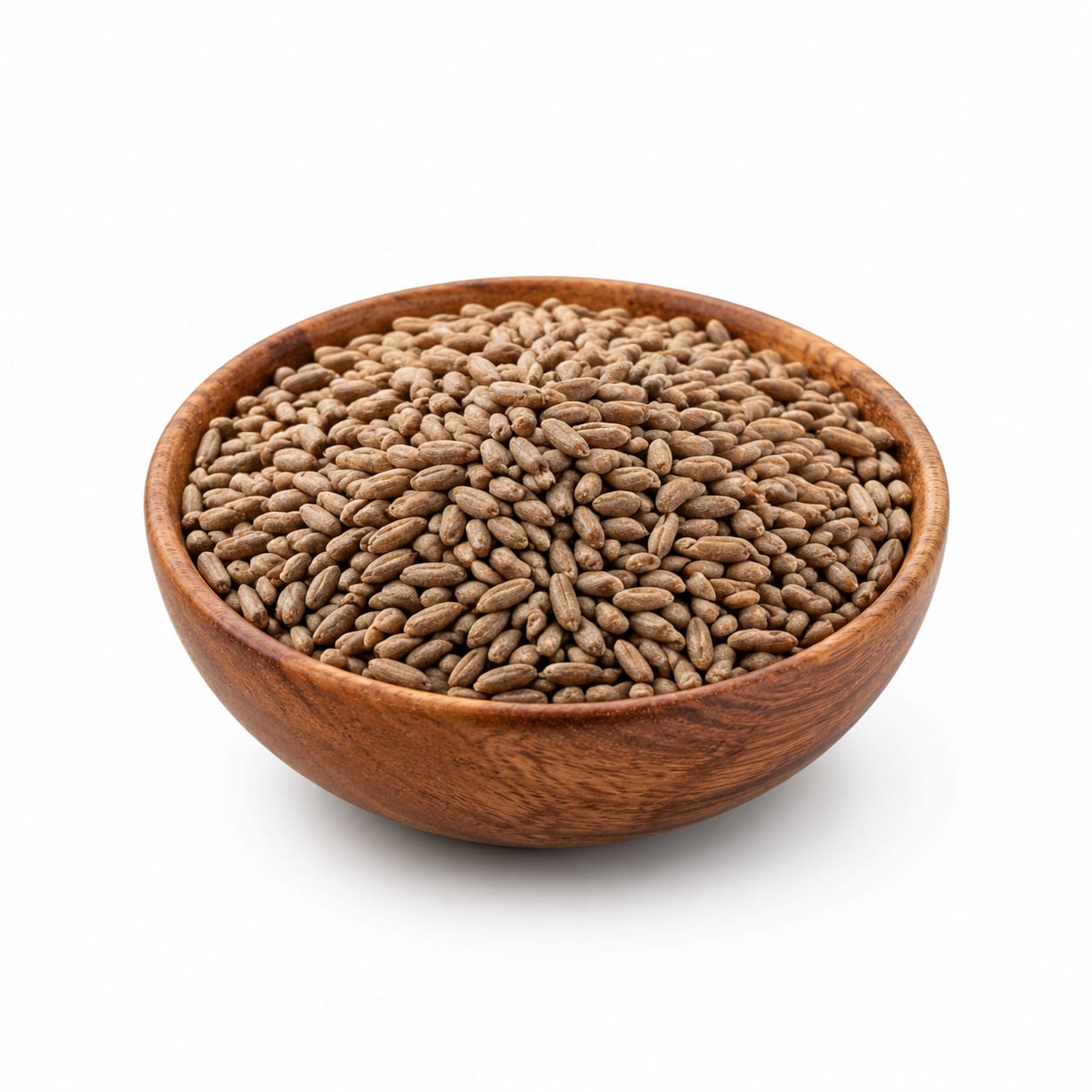
Rye
Barley excels at lowering cholesterol and stabilizing blood sugar, while Rye is the champion for gut health and long-lasting fullness.
Rye edges out slightly due to its superior satiety and gut health benefits, but Barley remains a top-tier choice for metabolic health. The close scores reflect their shared whole-grain excellence.
Targeted cholesterol reduction with Barley versus deeper gut health and sustained satiety with Rye.
At a glance
Executive summary
Overall
It depends
Healthier
It depends
More practical
Barley
Daily use
It depends
Key comparison lenses
Blood sugar management
Both are whole grains, but Barley's beta-glucan is clinically renowned for blunting glucose spikes.
Heart health and cholesterol
Barley's soluble fiber actively lowers LDL cholesterol, a key differentiator from Rye.
Gut health and microbiome
Rye's resistant starch and insoluble fiber make it a powerful prebiotic compared to Barley.
Satiety and appetite control
Rye is exceptionally filling, often outperforming other grains in keeping hunger at bay.
Best choice for
Barley
- Lowering cholesterol with Barley
- Steadying blood sugar with Barley
- Soups and stews using Barley
Rye
- Improving gut health with Rye
- Staying full longer with Rye
- Dense, hearty Rye breads
Least suitable for
Barley
- Celiac disease or gluten intolerance (Barley contains gluten)
- Quick cooking needs (hulled Barley takes a long time)
Rye
- Celiac disease or gluten intolerance (Rye contains gluten)
- Those who dislike Rye's strong earthy flavors
Deep comparison
Dimension by dimension
Each lens scores both foods and breaks down who each option suits.
- Dimension 1 · Priority 90Barley
Blood Sugar Control
Barley · 92Rye · 85Barley's high beta-glucan content creates a thick gel in the gut, slowing down sugar absorption remarkably well.
Tradeoff
Rye is still a low-glycemic grain, but Barley's soluble fiber makes it more consistent for blunting blood sugar spikes.
Why it matters
Steadier blood sugar means fewer afternoon energy crashes and reduced cravings.
Real-world impact
Eating Barley at lunch makes you less likely to reach for a sugary snack at 3 PM.
Barley
- Diabetics choosing Barley
- Insulin resistance management with Barley
Better for
- Those who prefer bread over Barley grains
Worse for
Rye
- General low-glycemic diet using Rye
Better for
- People needing Barley's aggressive cholesterol reduction
Worse for
- Dimension 2 · Priority 85Barley
Heart Health & Cholesterol
Barley · 95Rye · 82Barley is one of the best grains for actively lowering LDL cholesterol thanks to its dense beta-glucan content.
Tradeoff
Rye supports heart health through fiber and antioxidants, but lacks the targeted cholesterol-lowering punch of Barley's soluble fiber.
Why it matters
High LDL cholesterol is a silent risk factor; eating foods that actively reduce it is a powerful daily habit.
Real-world impact
Swapping out white rice for Barley a few times a week can meaningfully improve your lipid panel over months.
Barley
- High cholesterol management with Barley
- Cardiovascular risk reduction with Barley
Better for
- Those avoiding gluten in Barley
Worse for
Rye
- General heart-healthy diet using Rye
Better for
- People needing aggressive cholesterol reduction
Worse for
- Dimension 3 · Priority 80Rye
Satiety & Fullness
Barley · 80Rye · 92Rye is incredibly filling due to its unique combination of resistant starch and insoluble fiber, keeping hunger at bay for hours.
Tradeoff
While Barley is satisfying, Rye physically expands in the stomach and ferments slowly, creating a deeper, longer-lasting feeling of fullness.
Why it matters
Staying full longer makes it easier to naturally eat less without feeling deprived.
Real-world impact
A slice of dense Rye bread at breakfast can keep you full until lunch, whereas other grains might leave you hungry by mid-morning.
Barley
- Those who prefer warm Barley grain bowls
Better for
- People who get hungry quickly after carb-heavy meals
Worse for
Rye
- Weight management with Rye
- Appetite control using Rye
Better for
- Those with sensitive digestion who struggle with heavy Rye fiber
Worse for
- Dimension 4 · Priority 80Rye
Gut Health & Digestion
Barley · 78Rye · 90Rye acts as a powerful prebiotic, feeding beneficial gut bacteria thanks to its high levels of arabinoxylan and resistant starch.
Tradeoff
Barley's soluble fiber is gut-friendly, but Rye's insoluble fiber and resistant starch are better for bulking stool and nurturing a diverse microbiome.
Why it matters
A healthy gut microbiome affects everything from immunity to mood.
Real-world impact
Regularly eating Rye can lead to smoother digestion and less bloating over time, though introducing it too fast can cause temporary gas.
Barley
- Sensitive stomachs needing Barley's gentle soluble fiber
Better for
- Severe constipation requiring Rye's insoluble fiber
Worse for
Rye
- Microbiome health improvement with Rye
- Constipation relief using Rye
Better for
- IBS flare-ups (Rye can be too fermentable)
Worse for
- Dimension 5 · Priority 60Rye
Micronutrient Density
Barley · 75Rye · 82Rye packs slightly more magnesium, iron, and B vitamins per serving compared to Barley.
Tradeoff
Barley is no slouch, offering good selenium and niacin, but Rye's overall mineral profile is slightly richer.
Why it matters
Minerals like magnesium are crucial for energy production and stress management.
Real-world impact
Choosing Rye gives you a subtle edge in meeting your daily mineral needs, especially if you don't eat much meat.
Barley
- Meeting selenium needs with Barley
Better for
- Those needing an iron boost
Worse for
Rye
- Iron and magnesium boosts with Rye
Better for
- Those relying on grain as a primary selenium source
Worse for
Timeline
Health impact over time
Short-term
Hours to days
Barley
- Steadier energy after meals from Barley
- Gentle digestion without heavy bloating from Barley
Rye
- Very prolonged fullness from Rye
- Possible gas from Rye if you aren't used to high fiber
Long-term
Months to years
Barley
- Lower LDL cholesterol from Barley
- Better blood sugar management with Barley
- Reduced heart disease risk from Barley
Rye
- Improved gut microbiome diversity from Rye
- Better weight maintenance with Rye
- More regular digestion from Rye
Risk profile
Safety & processing
Both Barley and Rye are naturally whole grains with minimal processing when purchased as berries or whole grain flour. Watch out for pearled Barley, which strips away some bran and nutrients.
Barley
Gluten content
highBarley contains hordein, a gluten protein that triggers severe reactions in people with celiac disease.
Rye
Gluten content
highRye contains secalin, a gluten protein that is strictly unsafe for those with celiac disease.
Who wins for whom
Audience fit
Same foods, different winners depending on your goal.
children
BarleyBarley has a milder, sweeter flavor and softer texture when cooked, making it more appealing to kids than the dense, earthy taste of Rye.
daily consumption
It dependsRotate both. Barley for metabolic and heart benefits, Rye for gut health and satiety. Variety is the best long-term strategy.
diabetes
BarleyBarley's beta-glucan is clinically proven to blunt blood sugar spikes more effectively than almost any other grain.
elderly
BarleyBarley is gentler on the digestive system and easier to chew when cooked, while providing crucial soluble fiber for heart health.
muscle gain
It dependsNeither is a primary protein source, but both provide steady carbs for fueling workouts. Choose based on personal digestion preference.
weight loss
RyeRye's resistant starch and high fiber content create exceptional satiety, making it easier to naturally reduce overall calorie intake.
Your move
Decision guide
Choose Barley
- You are actively trying to lower your cholesterol with Barley's soluble fiber
- You need Barley's steady blood sugar control after meals
- You prefer Barley's milder, slightly nutty flavor in soups and salads
- You want a grain like Barley that is gentler on the stomach
Choose Rye
- You want Rye to stay full for hours without snacking
- You are focused on improving your gut microbiome with Rye
- You love dense, hearty, dark Rye breads
- You need Rye for a boost in dietary iron and magnesium
Either works if
- You are looking for healthy whole-grain carbohydrates like Barley or Rye
- You want to increase your daily fiber intake with Barley or Rye
- You do not have celiac disease or gluten sensitivity and can tolerate Barley or Rye
Avoid both if
- You have celiac disease or a severe gluten intolerance, making both Barley and Rye unsafe
- You are on a strict low-carb or ketogenic diet, which excludes Barley and Rye
Final recommendation
Let your primary health goal decide: choose Barley for heart and blood sugar benefits, and Rye for gut health and appetite control. Both are exceptional whole grains that outperform wheat and white rice in almost every nutritional dimension.
Practical
Consumer tips
- 1
If buying Barley, opt for 'hulled' over 'pearled' to keep the bran and maximize fiber.
- 2
If buying Rye bread, look for 'whole grain rye' or 'pumpernickel'—many commercial rye breads are mostly refined wheat flour with caramel coloring.
- 3
Introduce both Barley and Rye slowly into your diet to give your gut time to adjust to the high fiber content and avoid bloating.
- 4
Cook Rye berries like you would brown rice, but allow for a longer cooking time—soaking them overnight helps.