
Nutrition comparison
Rye vs Quinoa: Nutrition, Protein, and Blood Sugar Compared
Discover the key differences between Rye and Quinoa. Learn which grain is better for blood sugar, protein intake, and gluten-free diets.
Overall winner · Quinoa
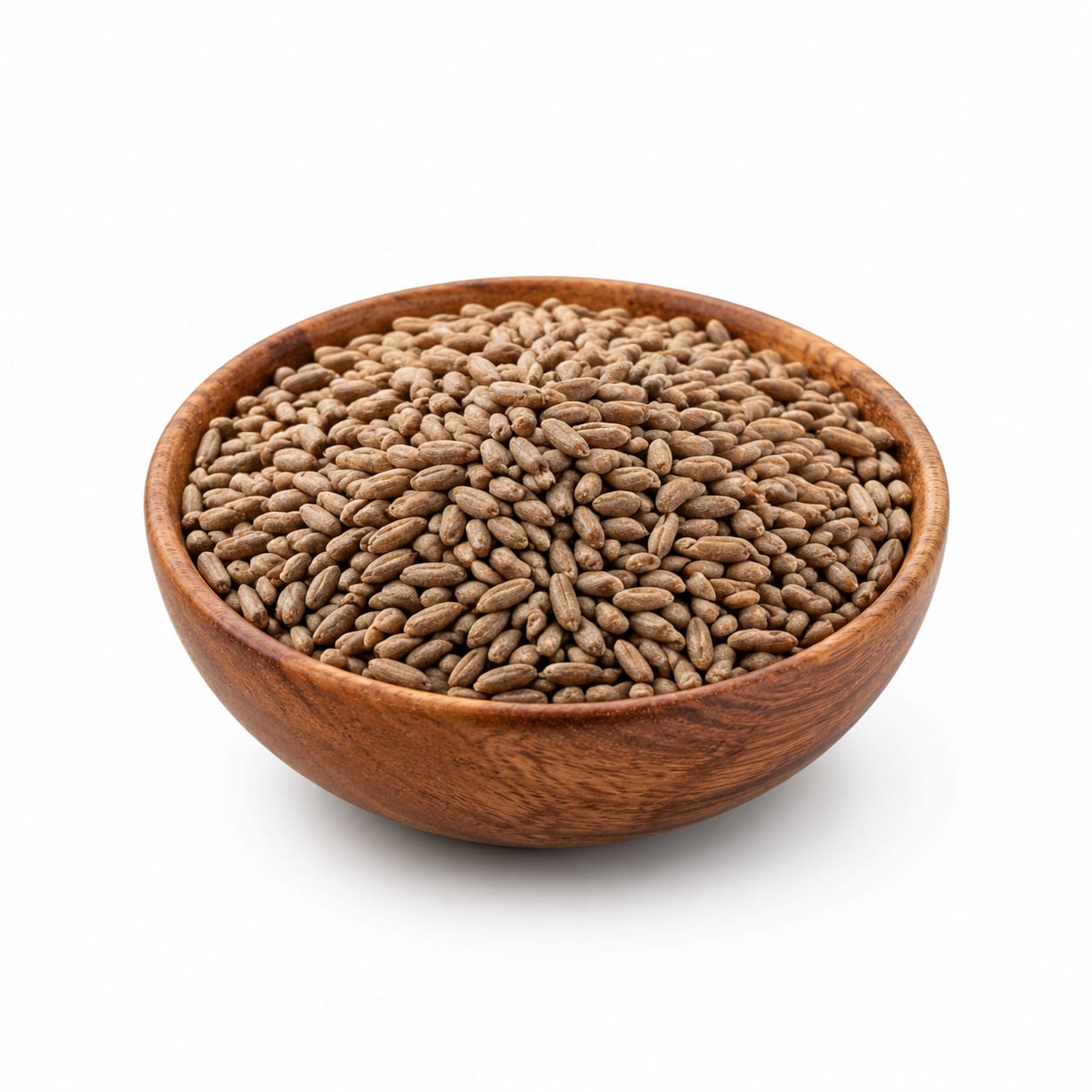
Rye
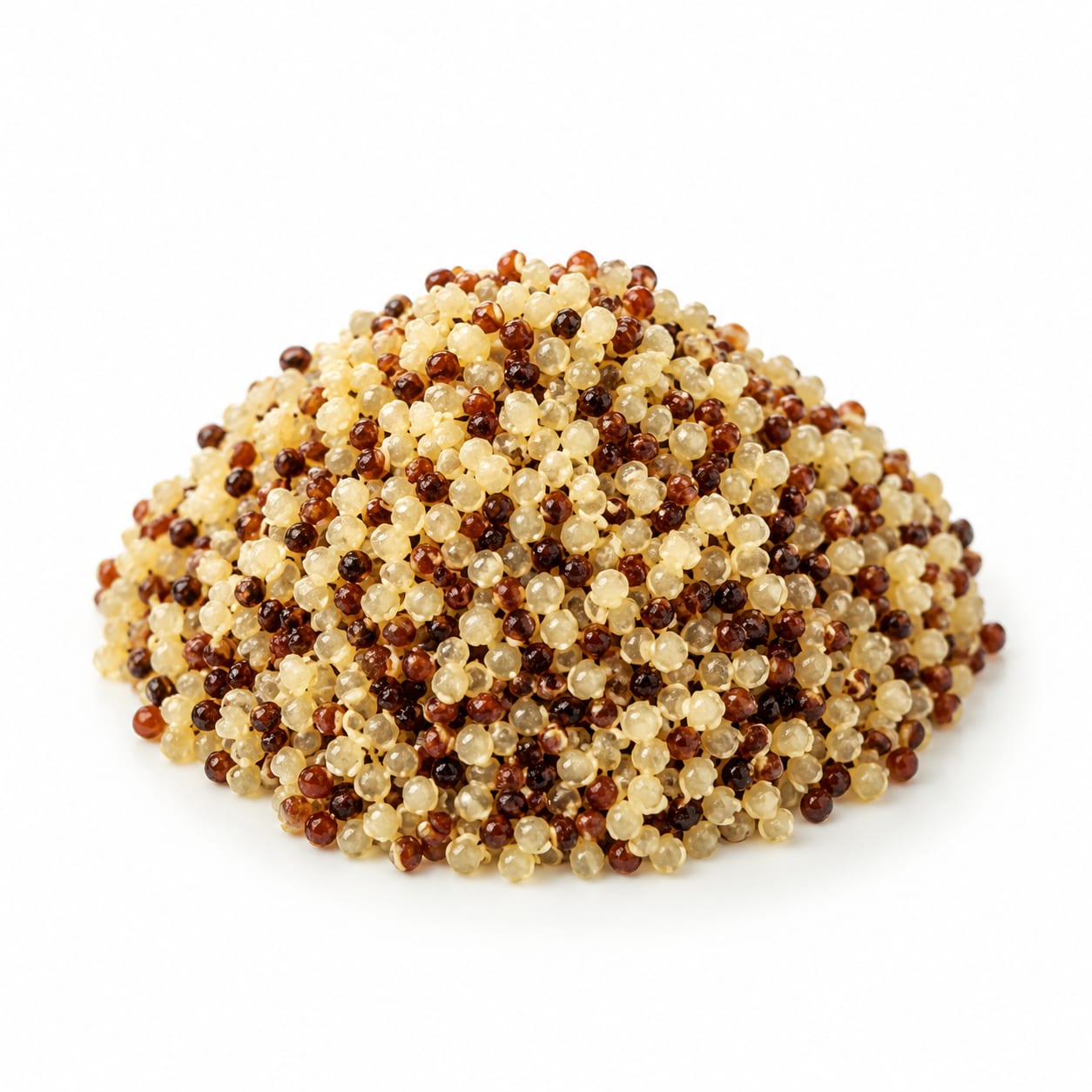
Quinoa
Quinoa is the more versatile and universally tolerated choice, but Rye is unmatched for keeping you full and stabilizing blood sugar.
Quinoa scores higher overall due to its complete protein and gluten-free versatility, though Rye excels in specific areas like satiety and blood sugar control.
Complete protein and gluten-free digestion (Quinoa) versus deeper satiety and superior blood sugar control (Rye).
At a glance
Executive summary
Overall
Quinoa
Healthier
Quinoa
More practical
Quinoa
Daily use
Quinoa
Key comparison lenses
Blood sugar management
Rye is famous for its low glycemic impact, making this a critical differentiator for diabetics or those seeking steady energy.
Gluten tolerance
Quinoa is naturally gluten-free while Rye contains gluten, a major deciding factor for a large portion of the population.
Protein completeness
Quinoa offers a complete amino acid profile, whereas Rye does not, which is vital for vegans and vegetarians.
Best choice for
Rye
- People managing blood sugar who tolerate gluten
- Those seeking maximum fullness to prevent overeating
- Fans of traditional dense, hearty breads
Quinoa
- Gluten-free eaters and those with IBS
- Vegans needing a complete protein source
- Those wanting a light, quick-cooking grain
Least suitable for
Rye
- Celiacs and people with gluten sensitivity
- Those on a low-carb diet
Quinoa
- People sensitive to saponins who dislike rinsing grains
- Those on a strict low-carb diet
Deep comparison
Dimension by dimension
Each lens scores both foods and breaks down who each option suits.
- Dimension 1 · Priority 95Rye
Blood Sugar Stability
Rye · 92Quinoa · 75Rye has a remarkably low glycemic index due to its viscous fiber, making it superior for preventing sugar spikes.
Tradeoff
Quinoa is still a moderate glycemic food, but Rye's blood sugar dampening effect is much stronger.
Why it matters
Stable blood sugar means fewer afternoon energy crashes and less cravings.
Real-world impact
Eating rye bread at lunch keeps you from reaching for a snack at 3 PM.
Rye
- Diabetics
- People prone to energy crashes
Better for
- People on low-carb diets
Worse for
Quinoa
- Those wanting moderate energy without gluten
Better for
- Diabetics needing the tightest blood sugar control
Worse for
- Dimension 2 · Priority 85Quinoa
Protein Quality & Muscle Support
Rye · 55Quinoa · 90Quinoa is a complete protein with all essential amino acids, while Rye is deficient in lysine.
Tradeoff
You get much more muscle-supporting protein per serving from Quinoa.
Why it matters
Complete proteins are essential for muscle repair and overall cell function.
Real-world impact
A quinoa bowl after a workout actually helps rebuild muscle, whereas rye needs to be paired with beans or eggs.
Rye
- Sedentary individuals needing less protein
Better for
- Vegans relying on a single grain for protein
Worse for
Quinoa
- Athletes
- Vegans needing complete proteins
Better for
- People strictly limiting protein intake
Worse for
- Dimension 3 · Priority 90Quinoa
Digestive Tolerance & Gluten
Rye · 40Quinoa · 85Quinoa is naturally gluten-free, while Rye contains gluten and specific fructans that can trigger IBS.
Tradeoff
Rye's fiber is great for gut bacteria, but its gluten and fructans make it a nightmare for sensitive stomachs.
Why it matters
Bloating and digestive distress can outweigh any nutritional benefits.
Real-world impact
A quinoa salad sits lightly in the stomach, while rye bread can cause bloating for those with gluten sensitivity.
Rye
- People with very robust digestion
Better for
- Anyone with celiac disease or gluten intolerance
Worse for
Quinoa
- Celiacs
- People with IBS or gluten sensitivity
Better for
- People sensitive to saponins who don't rinse their grains
Worse for
- Dimension 4 · Priority 80Rye
Satiety & Fullness
Rye · 90Quinoa · 82Rye's unique soluble fiber forms a gel in the gut, delaying stomach emptying and creating profound fullness.
Tradeoff
Quinoa is filling, but Rye is famously one of the most satiating grains on the planet.
Why it matters
Staying full longer makes it easier to eat less throughout the day.
Real-world impact
Rye toast at breakfast can easily keep you full until lunch, while quinoa might leave you hungry an hour sooner.
Rye
- People trying to reduce overall calorie intake
- Heavy snackers
Better for
- People who dislike feeling overly stuffed
Worse for
Quinoa
- Those wanting a lighter meal that won't feel heavy
Better for
- Those who need maximum fullness from a small portion
Worse for
- Dimension 5 · Priority 75Quinoa
Micronutrient Density
Rye · 70Quinoa · 88Quinoa packs more magnesium, iron, folate, and manganese per serving compared to Rye.
Tradeoff
Rye offers decent minerals, but Quinoa is a true micronutrient powerhouse.
Why it matters
Better mineral intake supports energy production, bone health, and immune function.
Real-world impact
Regularly eating Quinoa helps cover your bases for essential vitamins and minerals without needing supplements.
Rye
- Those getting minerals from other abundant sources
Better for
- Those relying on a single grain for most of their micronutrients
Worse for
Quinoa
- Pregnant women needing folate
- People at risk of magnesium deficiency
Better for
- People who overcook it and leach out water-soluble vitamins
Worse for
Timeline
Health impact over time
Short-term
Hours to days
Rye
- Extremely filling
- Steady energy without a crash
- Potential bloating if sensitive to gluten
Quinoa
- Light but sustained energy
- Easy on the stomach
- Requires thorough rinsing to avoid bitterness
Long-term
Months to years
Rye
- Excellent for heart health and blood sugar management
- Promotes a healthy gut microbiome
- Risk of chronic inflammation if gluten-intolerant
Quinoa
- Supports muscle maintenance and metabolic health
- Reduces systemic inflammation
- Great for long-term gluten-free diets
Risk profile
Safety & processing
Both Rye and Quinoa are whole foods that require minimal processing when purchased as whole grains or seeds, offering clean nutrition without artificial additives.
Rye
Gluten toxicity
highContains gluten which triggers autoimmune responses in celiacs and severe discomfort in those with sensitivities.
Fructan intolerance
mediumHigh in fructans which can cause significant IBS symptoms like gas and bloating.
Quinoa
Saponin toxicity
mediumNaturally coated in bitter saponins that can cause stomach upset if not rinsed off before cooking.
Oxalate content
lowContains moderate oxalates which might be a concern for people prone to kidney stones.
Who wins for whom
Audience fit
Same foods, different winners depending on your goal.
children
QuinoaQuinoa is easier to digest, free of common allergens like gluten, and provides complete protein for growing bodies.
daily consumption
QuinoaQuinoa is more universally tolerated and offers a broader, more complete nutritional profile for everyday meals.
diabetes
RyeRye's viscous fiber dramatically slows sugar absorption, making it one of the best grains for stable blood sugar.
elderly
QuinoaQuinoa is gentler on aging digestive systems and provides highly bioavailable nutrients without gluten irritation.
muscle gain
QuinoaQuinoa provides all essential amino acids needed for muscle repair, unlike Rye which is low in lysine.
weight loss
RyeRye's exceptional fiber creates such profound fullness that it naturally reduces overeating throughout the day.
Your move
Decision guide
Choose Rye
- You tolerate gluten well
- You want maximum fullness from your meals
- You need strict blood sugar control
- You love traditional dense breads
Choose Quinoa
- You eat gluten-free
- You need a complete plant protein
- You want a lighter grain that digests easily
- You need a versatile side dish for bowls or salads
Either works if
- You want a high-fiber whole grain alternative to wheat
- You are trying to improve your overall diet quality
Avoid both if
- You are on a strict ketogenic or very low-carb diet
Final recommendation
Quinoa is the safer daily staple for most people due to its complete protein and gluten-free nature, but Rye is a powerful tool for blood sugar management and satiety if you tolerate gluten well.
Practical
Consumer tips
- 1
Always rinse Quinoa under cold water for 30 seconds to wash off bitter saponins.
- 2
Look for whole rye berries or 100% whole rye flour to get the full blood sugar benefits; refined rye loses its edge.
- 3
Toasting Quinoa in a dry pan before boiling adds a pleasant nutty flavor.
- 4
Pair Rye with a healthy fat or protein to further stabilize its already impressive blood sugar response.