
Nutrition comparison
Rye vs Buckwheat: Which is Better for Blood Sugar & Gut Health?
Compare Rye vs Buckwheat for weight loss, diabetes, and digestion. Discover which grain offers better protein, gluten-free benefits, and steady energy.
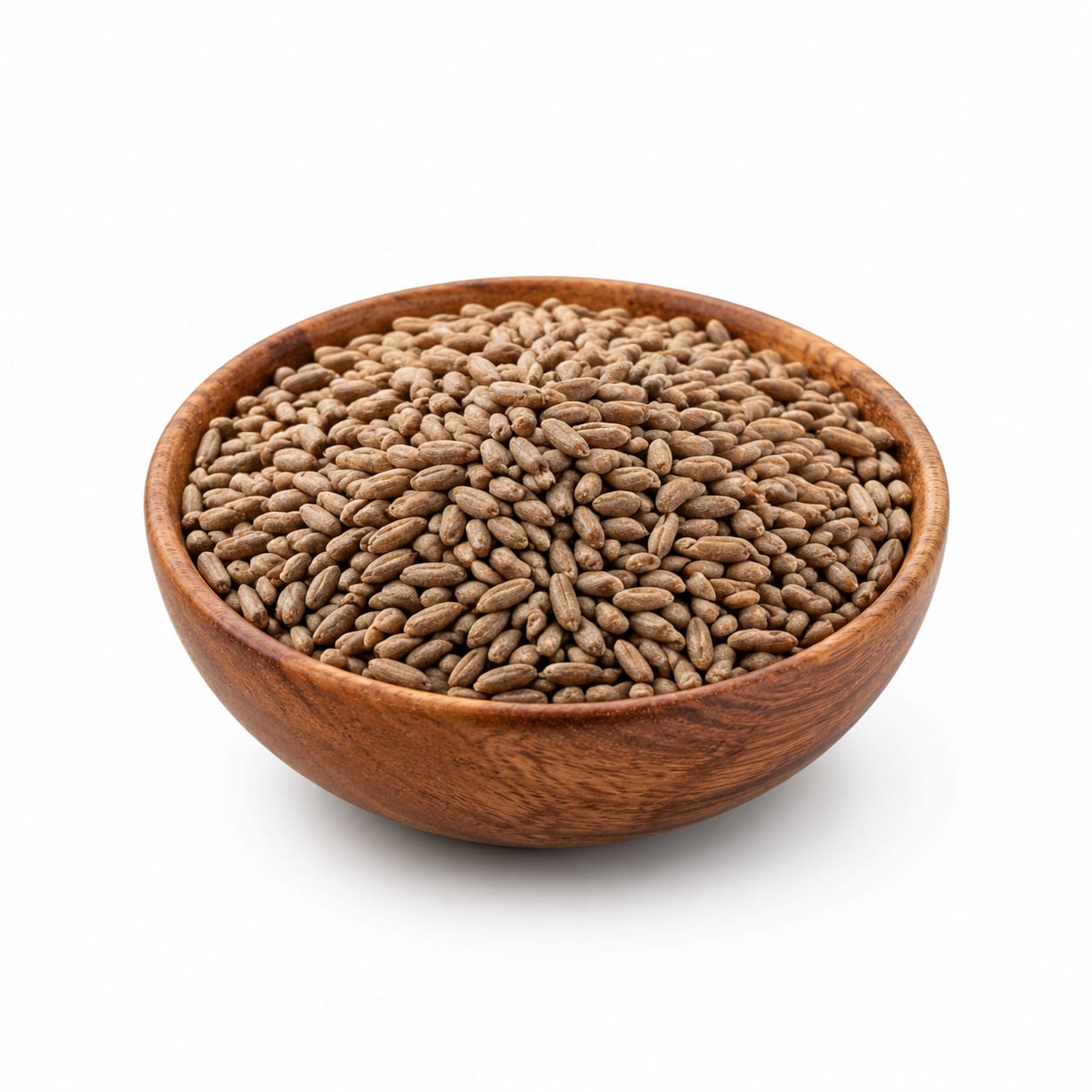
Rye
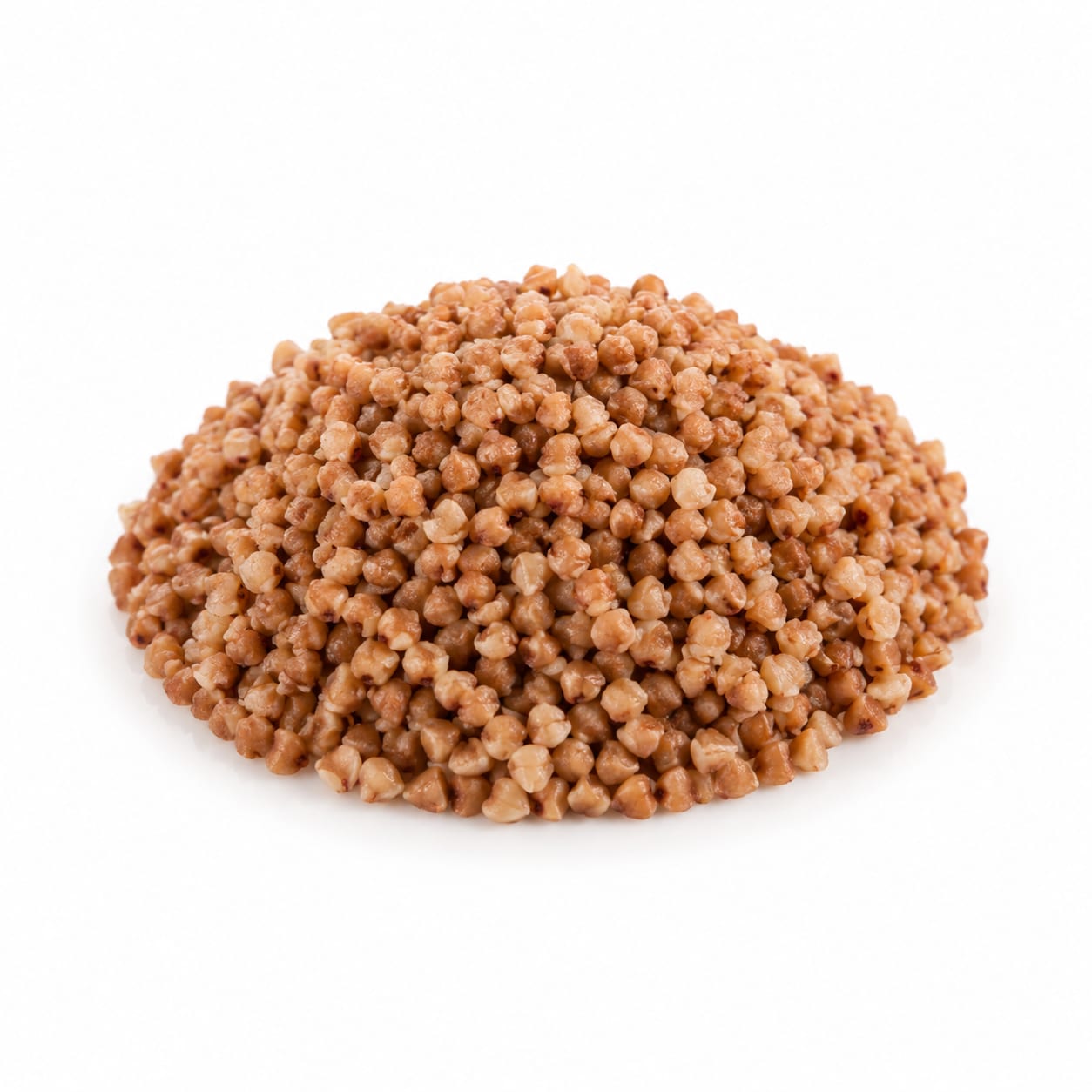
Buckwheat
Buckwheat wins for gluten-free diets and complete protein, while Rye dominates for satiety and blood sugar control.
Buckwheat scores slightly higher due to its complete protein and gluten-free nature, making it accessible to more people. Rye remains exceptional for satiety and metabolic health but is off-limits for a significant portion of the population.
You trade the deep, filling fiber and blood sugar stability of Rye for the gluten-free, protein-rich versatility of Buckwheat.
At a glance
Executive summary
Overall
It depends
Healthier
It depends
More practical
Buckwheat
Daily use
It depends
Key comparison lenses
Gluten tolerance and digestive compatibility
Rye contains gluten while Buckwheat is naturally gluten-free, making this the primary deciding factor for many consumers.
Blood sugar management
Both are praised for steady energy, but their fiber types affect blood sugar differently.
Satiety and weight management
Rye is famously filling, while Buckwheat offers a lighter but nutrient-dense alternative.
Protein quality for plant-based diets
Buckwheat provides a complete protein, which is rare for plant foods and matters for vegetarians.
Best choice for
Rye
- People wanting long-lasting fullness
- Those managing blood sugar spikes
- Anyone seeking a dense, hearty grain for cold climates
Buckwheat
- People with celiac disease or gluten sensitivity
- Vegetarians needing complete protein sources
- Those wanting a lighter seed that cooks quickly
Least suitable for
Rye
- Anyone with celiac disease or gluten intolerance
- People with IBS sensitive to fructans
- Those wanting a light, quick-digesting meal
Buckwheat
- People strictly avoiding carbs for ketosis
- Those who dislike earthy, nutty flavors
- Anyone with severe buckwheat allergies (rare but serious)
Deep comparison
Dimension by dimension
Each lens scores both foods and breaks down who each option suits.
- Dimension 1 · Priority 95Rye
Blood Sugar Stability
Rye · 92Buckwheat · 80Rye is a powerhouse for steady energy due to its unique viscous fiber.
Tradeoff
Buckwheat is still a low-glycemic choice, but Rye actively slows down sugar absorption in the gut more effectively.
Why it matters
Steadier energy means fewer afternoon crashes and less craving for sweets after meals.
Real-world impact
A rye bread breakfast keeps you full and stable until lunch; buckwheat porridge might leave you hungry an hour sooner.
Rye
- Diabetics needing strict glucose control
- Anyone prone to afternoon energy crashes
Better for
- Sensitive to fermentable fibers causing bloating
Worse for
Buckwheat
- Those who find dense grains too heavy on the stomach
Better for
- Those needing maximum satiety from minimal calories
Worse for
- Dimension 2 · Priority 85Buckwheat
Protein Quality
Rye · 60Buckwheat · 90Buckwheat provides a rare complete plant protein with all essential amino acids.
Tradeoff
Rye has decent protein content but lacks sufficient lysine, making it an incomplete protein source on its own.
Why it matters
Complete proteins support muscle repair and immune function without needing to be paired with other foods.
Real-world impact
A buckwheat bowl after a workout gives your muscles exactly what they need; rye requires pairing with beans or eggs to hit the same marks.
Rye
- Vegans relying heavily on single grains for protein
Worse for
Buckwheat
- Plant-based eaters needing reliable protein
- Athletes looking for post-workout recovery meals
Better for
- Dimension 3 · Priority 90Buckwheat
Digestive Tolerance
Rye · 55Buckwheat · 88Buckwheat is naturally gluten-free and generally easier on the gut lining.
Tradeoff
Rye contains both gluten and high levels of fructans, which trigger symptoms in many people with sensitive digestion.
Why it matters
Eating foods your gut tolerates well reduces systemic inflammation and daily discomfort.
Real-world impact
Buckwheat feels light and comforting after eating; rye can cause bloating or brain fog in those with undiagnosed gluten or FODMAP sensitivities.
Rye
- Those with wheat-related gut issues
Worse for
Buckwheat
- People with IBS or FODMAP sensitivities
- Anyone with celiac or non-celiac gluten sensitivity
Better for
- Individuals with rare buckwheat allergies
Worse for
- Dimension 4 · Priority 85Rye
Satiety and Fullness
Rye · 94Buckwheat · 75Rye is one of the most filling grains on the planet.
Tradeoff
Buckwheat satisfies hunger but digests faster than the dense, fibrous matrix of whole rye.
Why it matters
Feeling full prevents overeating and makes it easier to maintain a healthy weight without counting calories.
Real-world impact
A slice of dark rye bread feels like a meal in itself; a serving of buckwheat groats feels like a satisfying but lighter side dish.
Rye
- Those trying to lose weight by reducing snacking
- Manual laborers needing long-lasting fuel
Better for
- People wanting a light, quick-digesting pre-workout meal
Worse for
Buckwheat
- Those wanting a lighter dinner before bed
Better for
- Dimension 5 · Priority 80Buckwheat
Micronutrients and Antioxidants
Rye · 72Buckwheat · 88Buckwheat is rich in rutin and magnesium, while rye provides solid lignans and B vitamins.
Tradeoff
Rutin in buckwheat specifically supports blood vessel health and circulation, giving it a unique medicinal edge.
Why it matters
Targeted antioxidants improve long-term cardiovascular health and reduce cellular aging.
Real-world impact
Regular buckwheat consumption can help with cold hands and feet by improving circulation; rye supports general metabolic health.
Rye
- Those seeking hormonal balance from lignans
Better for
Buckwheat
- People wanting to support cardiovascular health
- Those needing more magnesium for sleep or muscle cramps
Better for
Timeline
Health impact over time
Short-term
Hours to days
Rye
- Extremely high fullness after meals
- Potential bloating or gas if gut flora is unaccustomed to high fiber
- Steady, crash-free energy for hours
Buckwheat
- Quick, comfortable digestion
- Light but sustained energy
- Reduced fluid retention due to magnesium content
Long-term
Months to years
Rye
- Improved insulin sensitivity from viscous fiber
- Better weight management due to natural appetite suppression
- Gut inflammation if gluten intolerant
Buckwheat
- Stronger blood vessels and improved circulation from rutin
- Better muscle recovery from complete amino acid profile
- Lower systemic inflammation from avoiding gluten
Risk profile
Safety & processing
Both rye berries and buckwheat groats are whole, minimally processed foods. However, commercial rye breads often contain added wheat gluten and preservatives, while buckwheat is typically sold as a simple raw groat.
Rye
Gluten exposure
highContains gluten, which triggers autoimmune damage in those with celiac disease.
Fructan intolerance
mediumHigh in fructans, which cause significant bloating and IBS symptoms in sensitive individuals.
Buckwheat
Cross-contamination with gluten
mediumOften grown and processed alongside wheat, so always look for certified gluten-free labels if sensitive.
Buckwheat allergy
lowRare but can cause severe anaphylactic reactions in predisposed individuals.
Who wins for whom
Audience fit
Same foods, different winners depending on your goal.
children
BuckwheatBuckwheat is easier to digest, gluten-free, and provides essential amino acids crucial for growing bodies.
daily consumption
BuckwheatBuckwheat is gentler on the digestive system day after day and fits more dietary restrictions seamlessly.
diabetes
RyeThe viscous fiber in rye physically slows glucose absorption better than almost any other grain, leading to flatter blood sugar curves.
elderly
It dependsRye helps with constipation and blood sugar, but Buckwheat is easier to chew, digest, and provides circulation support.
muscle gain
BuckwheatBuckwheat offers a complete protein profile with all essential amino acids needed for muscle repair.
weight loss
RyeRye's extreme satiety factor makes it easier to naturally eat less throughout the day without feeling deprived.
Your move
Decision guide
Choose Rye
- You have no issues with gluten and want maximum fullness
- You are managing type 2 diabetes or insulin resistance
- You love dense, hearty breads and want to stay full until dinner
Choose Buckwheat
- You are gluten-free or have IBS
- You eat mostly plant-based and need high-quality protein
- You want cardiovascular benefits from rutin
Either works if
- You want a warm, comforting porridge for breakfast
- You are looking to diversify your whole grain intake
- You want complex carbs instead of refined grains for dinner
Avoid both if
- You are on a strict ketogenic diet
- You have severe grain or seed allergies
Final recommendation
Let your gut decide. If you tolerate gluten, Rye is an unmatched tool for appetite control and blood sugar stability. If you have any digestive sensitivities or want a lighter, protein-rich option, Buckwheat is the clear winner. Rotate both for the best range of nutrients.
Practical
Consumer tips
- 1
Always buy buckwheat labeled certified gluten-free if you have celiac, as cross-contamination is common.
- 2
Choose whole rye berries or 100% whole grain rye bread to get the blood sugar benefits; light rye breads often contain refined wheat flour.
- 3
Soak buckwheat groats overnight to reduce cooking time and improve mineral absorption.
- 4
If rye makes you bloated, try sourdough rye; the fermentation breaks down much of the gluten and fructans.
- 5
Toast buckwheat groats (kasha) in a dry pan before cooking to bring out a rich, nutty flavor.