
Nutrition comparison
Rye vs Spelt: Which Ancient Grain Is Better for Your Health Goals?
Compare Rye and Spelt nutrition, fiber, protein, glycemic impact, and baking versatility. Find out which grain suits your diet, diabetes management, or weight loss plan.
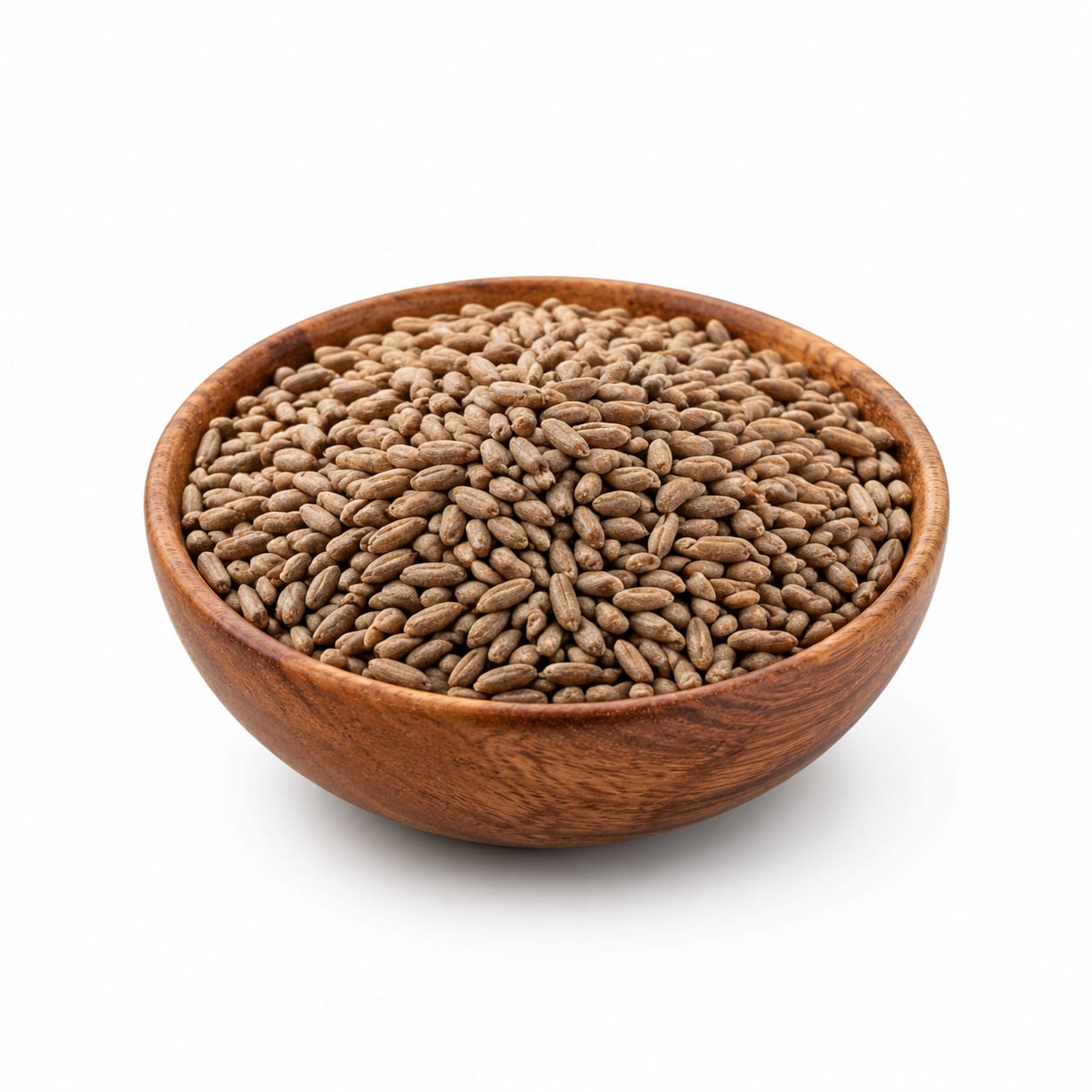
Rye
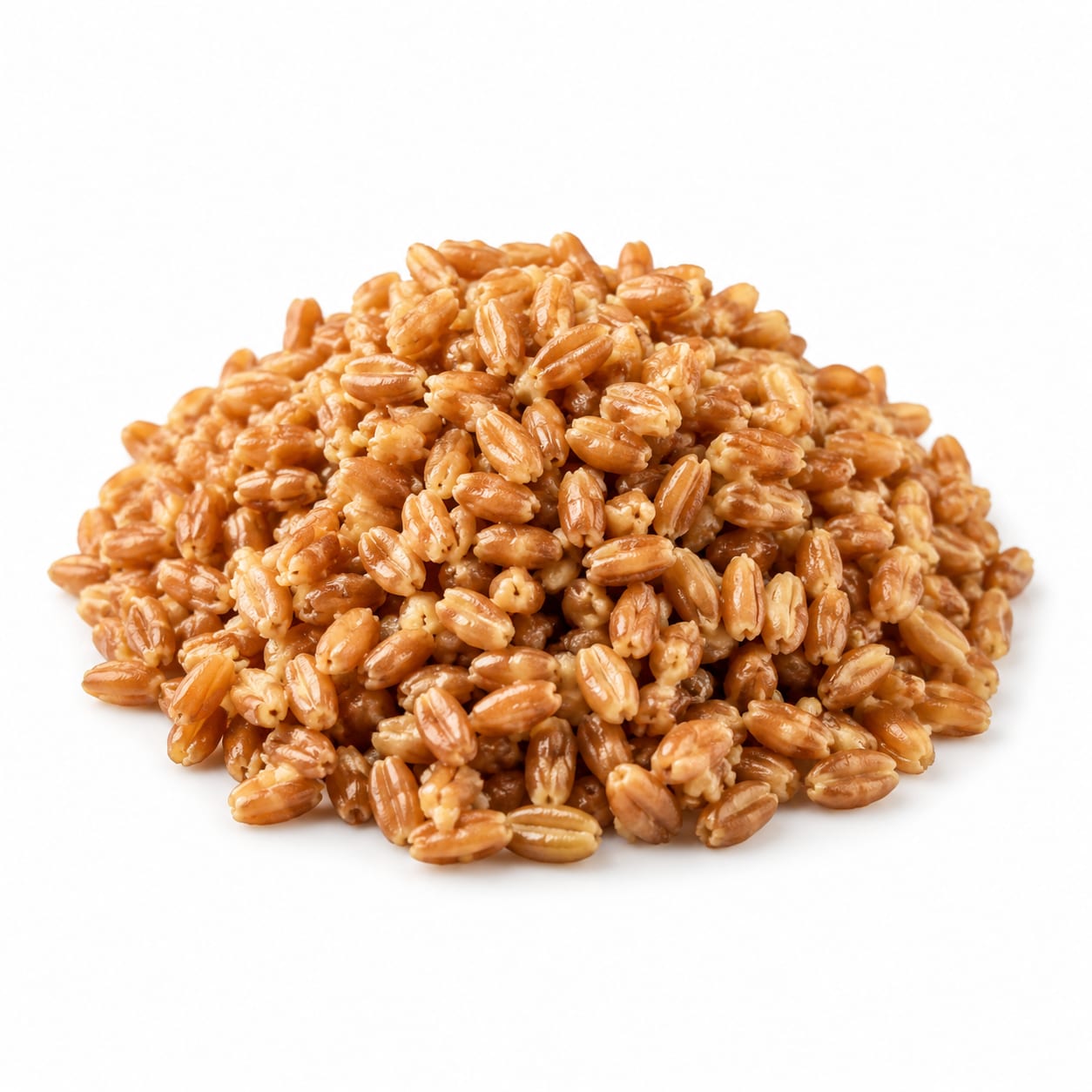
Spelt
Rye excels at blood sugar control and keeping you full, while Spelt delivers more protein and bakes far more easily.
Rye edges ahead due to its superior fiber profile and blood sugar benefits, but Spelt stays competitive with higher protein and mineral content. The close scores reflect that both are genuinely healthy whole grains with different strengths.
Rye gives you steadier energy and better satiety, but Spelt gives you better nutrition per calorie and a much friendlier baking experience.
At a glance
Executive summary
Overall
It depends
Healthier
Rye
More practical
Spelt
Daily use
It depends
Key comparison lenses
blood sugar management
Rye is renowned for its low glycemic impact, making this the most clinically relevant dimension for comparison
baking and culinary versatility
Spelt forms stronger gluten networks, making it far more adaptable for home baking and recipes
weight management and satiety
Both grains are whole grain options but differ significantly in fiber type and fullness factor
digestive tolerance
Both contain gluten but in different amounts and structures, affecting how people tolerate them
nutrient density
Spelt offers more protein and minerals while Rye leads in unique fiber compounds
Best choice for
Rye
- People managing diabetes or insulin resistance
- Anyone wanting longer-lasting fullness between meals
- Those prioritizing gut health and digestive regularity
- Weight management focused eaters
Spelt
- Home bakers wanting reliable results
- Vegetarians needing more plant protein
- Anyone looking for higher mineral intake
- People who find Rye bread too dense or sour
Least suitable for
Rye
- People with severe gluten sensitivity
- Anyone who dislikes dense, heavy bread textures
- Those wanting high-protein grain options
Spelt
- People strictly managing blood sugar spikes
- Those on low-calorie diets who need maximum fullness per calorie
- Anyone with wheat allergy since Spelt is a wheat species
Deep comparison
Dimension by dimension
Each lens scores both foods and breaks down who each option suits.
- Dimension 1 · Priority 92Rye
Blood Sugar Stability
Rye · 88Spelt · 62Rye is one of the best grains for steady blood sugar, while Spelt behaves more like wheat and causes faster glucose rises.
Tradeoff
Choosing Spelt means accepting less glycemic control in exchange for better baking performance and higher protein.
Why it matters
If you get afternoon energy crashes or have insulin resistance, this difference alone could determine which grain works better for you.
Real-world impact
A Rye bread breakfast keeps you steady until lunch. Spelt bread may leave you hungry again by mid-morning.
Rye
- Diabetics and pre-diabetics
- People who experience energy crashes after carbs
- Anyone doing intermittent fasting who wants stable energy
Better for
- Moments when you need quick energy replenishment
Worse for
Spelt
- Post-workout meals where faster carb availability helps recovery
- Active individuals who tolerate carbs well
Better for
- Sedentary mornings when a big glucose spike just sits unused
- Late dinners that could disrupt sleep quality
Worse for
- Dimension 2 · Priority 85Rye
Satiety and Fullness
Rye · 86Spelt · 68Rye's unique soluble fiber (arabinoxylan) forms a gel in your gut that physically slows digestion and signals fullness longer.
Tradeoff
Rye keeps you fuller but can feel heavy and overly filling. Spelt feels lighter in the stomach, which some people prefer.
Why it matters
If you snack too much between meals, Rye can naturally reduce that urge without willpower.
Real-world impact
A Rye sandwich at noon often prevents the 3pm vending machine visit. Spelt may not have the same staying power.
Rye
- Emotional eaters who need physical fullness cues
- People trying to reduce portion sizes naturally
- Anyone who skips meals and needs long-lasting fuel
Better for
- Hot summer days when heavy food feels unappealing
Worse for
Spelt
- Light eaters who feel uncomfortably stuffed by dense bread
- Athletes who need to eat again within a few hours
Better for
- Cutting calories when hunger makes you miserable
Worse for
- Dimension 3 · Priority 80Spelt
Protein and Mineral Density
Rye · 58Spelt · 82Spelt delivers noticeably more protein, iron, magnesium, and zinc per serving than Rye.
Tradeoff
Spelt gives you more building blocks for muscle and metabolism, but Rye compensates with fiber compounds that feed gut bacteria.
Why it matters
If you eat mostly plant-based meals, Spelt helps close nutrient gaps that Rye leaves wider.
Real-world impact
A Spelt grain bowl contributes meaningfully toward your daily iron and protein targets. Rye contributes less toward those goals.
Rye
- Anyone already getting plenty of protein from other sources
Better for
- Plant-based eaters who need every protein gram they can get
Worse for
Spelt
- Vegetarians and vegans counting on grains for protein
- Women who need more dietary iron
- Active people repairing muscle tissue
Better for
- Those who already exceed protein needs from animal sources
Worse for
- Dimension 4 · Priority 85Spelt
Baking and Culinary Versatility
Rye · 48Spelt · 84Spelt bakes like wheat with a nutty flavor and good rise. Rye produces dense, heavy loaves that require skill and specific techniques.
Tradeoff
Spelt is approachable for casual home bakers. Rye rewards experienced bakers but frustrates beginners.
Why it matters
If you cannot realistically turn a grain into food you enjoy eating, its nutritional advantages become theoretical.
Real-world impact
Spelt flour works in pancakes, muffins, cookies, and bread with minimal recipe adjustments. Rye flour often needs blending with wheat just to be workable.
Rye
- Sourdough enthusiasts who enjoy traditional techniques
- People who love the distinct sour, earthy flavor of pumpernickel
Better for
- Weeknight baking when you need something quick and foolproof
Worse for
Spelt
- Busy home cooks wanting reliable results
- Families baking together who need forgiving recipes
- Anyone transitioning from white flour who wants an easy swap
Better for
- Artisan bakers specifically seeking that dense Rye texture
Worse for
- Dimension 5 · Priority 75It depends
Digestive Tolerance
Rye · 65Spelt · 65Both contain gluten and both can cause issues, but for different reasons. Rye has less gluten but more fermentable fiber. Spelt has more gluten but less rough fiber.
Tradeoff
Rye may bloat sensitive people due to fermentable fiber, while Spelt may trigger those sensitive to gluten itself.
Why it matters
Your specific digestive sensitivity determines which grain is gentler for you personally.
Real-world impact
Some people feel gassy after Rye bread but fine after Spelt. Others experience the exact opposite. Neither is universally easier to digest.
Rye
- People sensitive to gluten quantity but okay with fiber fermentation
Better for
- Anyone with IBS who reacts to fermentable carbohydrates
Worse for
Spelt
- People sensitive to high-fiber fermentation but okay with moderate gluten
Better for
- People with non-celiac gluten sensitivity who react to Spelt gluten
Worse for
Timeline
Health impact over time
Short-term
Hours to days
Rye
- More stable energy for hours after eating due to slow glucose release
- Possible bloating or gas if your gut is not used to high fermentable fiber
- Strong feeling of physical fullness that reduces snacking urges
Spelt
- Faster energy availability which can feel energizing or cause a mild crash depending on activity level
- Easier digestion for those unaccustomed to high-fiber diets
- Less immediate satiety, potentially leading to eating sooner
Long-term
Months to years
Rye
- Improved insulin sensitivity with regular consumption
- Better gut microbiome diversity from unique fiber compounds
- Lower risk of type 2 diabetes and cardiovascular disease in population studies
- Possible improved cholesterol levels from soluble fiber binding bile acids
Spelt
- Better mineral status over time, particularly iron and magnesium
- Improved muscle maintenance from higher protein intake
- Ancient grain consumption associated with reduced inflammation markers
- Easier dietary sustainability since Spelt is more enjoyable to eat regularly for most people
Risk profile
Safety & processing
Both Rye and Spelt are whole grains that require minimal processing to reach your plate. The main concern is what happens after milling: both lose nutrients rapidly when refined into white flour. Always choose whole grain versions of either grain for maximum benefit.
Rye
Ergot contamination
lowRye is more susceptible to ergot fungus than other grains, but modern agricultural practices and milling effectively eliminate this risk in commercial products.
Gluten exposure
mediumRye contains gluten and is unsafe for those with celiac disease, though it has less gluten than Spelt.
Phytic acid reducing mineral absorption
lowRye's phytic acid can bind minerals, but sourdough fermentation significantly reduces this effect.
Spelt
Wheat allergy cross-reactivity
mediumSpelt is a wheat species and triggers wheat allergies. It is not a safe alternative for wheat-allergic individuals despite its ancient grain reputation.
Gluten exposure
mediumSpelt contains gluten and is unsafe for those with celiac disease. It has more gluten than Rye.
Misleading health halo
lowSpelt is often marketed as a gluten-free alternative, which is incorrect. This misinformation poses a real risk to celiac patients.
Who wins for whom
Audience fit
Same foods, different winners depending on your goal.
children
SpeltSpelt's milder flavor and lighter texture are more kid-friendly. Children also benefit more from the extra protein and iron for growth.
daily consumption
It dependsRye is better if blood sugar and fullness are priorities. Spelt is better if you want something you will actually enjoy eating every day without baking frustration.
diabetes
RyeRye is one of the best-studied grains for glycemic control. Its arabinoxylan fiber dramatically slows sugar absorption compared to Spelt.
elderly
RyeOlder adults benefit most from Rye's fiber for digestive regularity and its blood sugar stability, which becomes more important with age.
muscle gain
SpeltSpelt provides more protein per serving and works better as a carb source around workouts due to faster glucose availability.
weight loss
RyeRye's superior fiber and satiety profile naturally reduces calorie intake without feeling deprived. You eat less because you feel full longer.
Your move
Decision guide
Choose Rye
- You have diabetes, prediabetes, or insulin resistance
- You want to feel full for hours without snacking
- You enjoy or want to learn sourdough baking techniques
- Digestive regularity is a daily concern
- You are focused on long-term metabolic health
Choose Spelt
- You bake at home and want reliable, enjoyable results
- You are vegetarian or vegan and need more protein from grains
- You find Rye bread too heavy, sour, or unappealing
- You want a gentle transition away from refined wheat flour
- You need more iron or magnesium in your diet
Either works if
- You have celiac disease, since neither grain is safe
- You want a low-calorie grain, since both are similar in calories
- You are looking for a grain to use in both sweet and savory dishes
Avoid both if
- You have celiac disease or a serious wheat allergy
- You are on a strict low-carb or ketogenic diet
- You have severe IBS and are following a low-FODMAP elimination phase
Final recommendation
Let your primary goal decide. If metabolic health and satiety matter most, Rye is the stronger choice despite its baking challenges. If you want a nutritious grain you will actually cook with and enjoy eating, Spelt is the more practical pick. The best grain for you is the one you will eat consistently.
Practical
Consumer tips
- 1
Look for whole grain Rye flour, not refined Rye which loses most of its fiber advantage
- 2
Sourdough fermentation makes Rye more nutritious and easier to digest by breaking down phytic acid
- 3
Spelt flour can replace wheat flour in most recipes at a 1:1 ratio with only minor texture adjustments
- 4
If trying Rye bread for the first time, start with a lighter Rye-wheat blend before jumping to 100% pumpernickel
- 5
Store both flours in the fridge or freezer to prevent rancidity, since the oils in whole grains go stale within weeks at room temperature
- 6
Never assume Spelt is gluten-free. This is a dangerous myth that persists on packaging and in health food stores
- 7
Mixing both grains gives you Rye's fiber benefits and Spelt's protein and baking performance in one loaf