
Nutrition comparison
Rye vs Sourdough Bread: Which Is Healthier for You?
Compare rye and sourdough bread on blood sugar, digestion, fiber, and daily practicality. Find out which bread fits your health goals and lifestyle better.
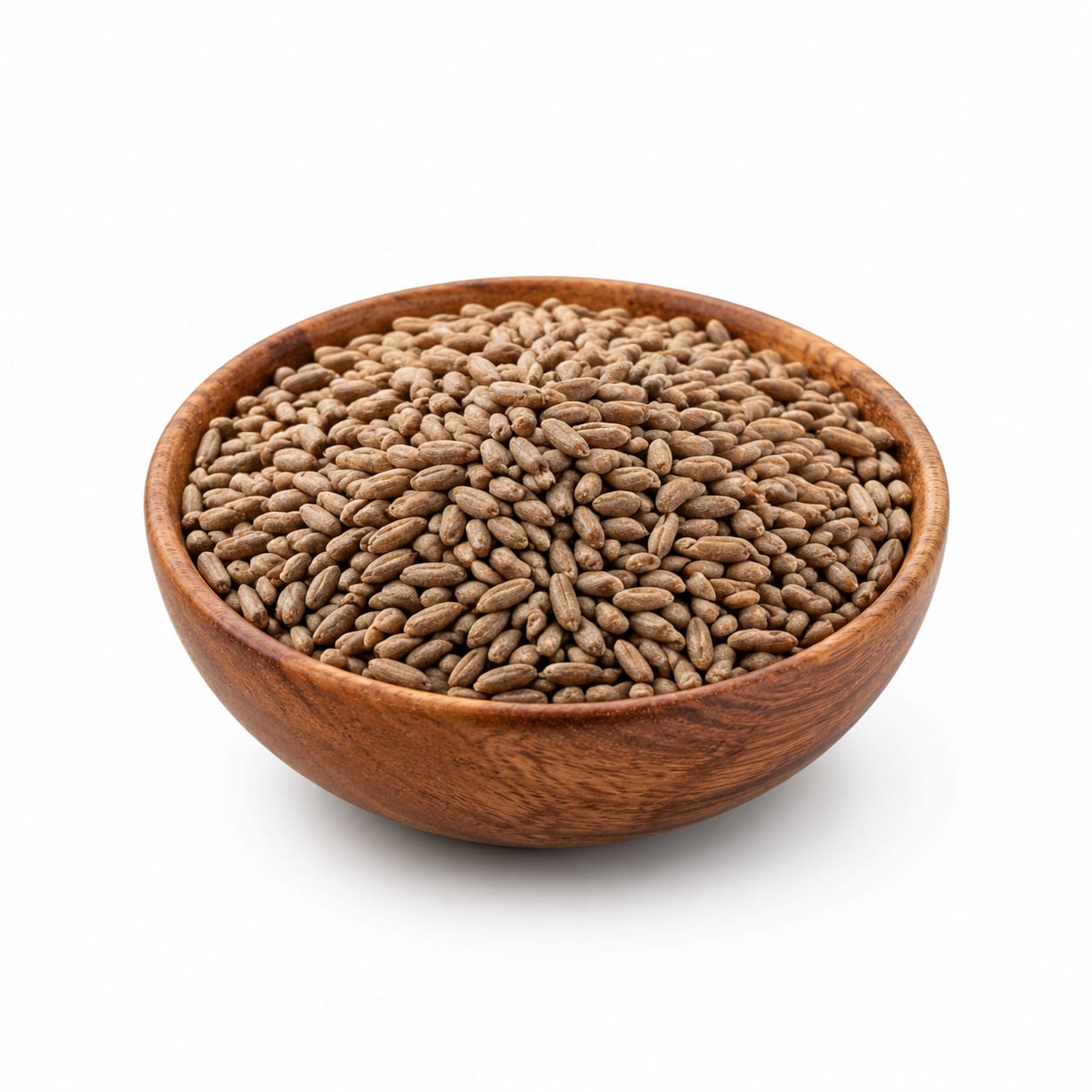
Rye
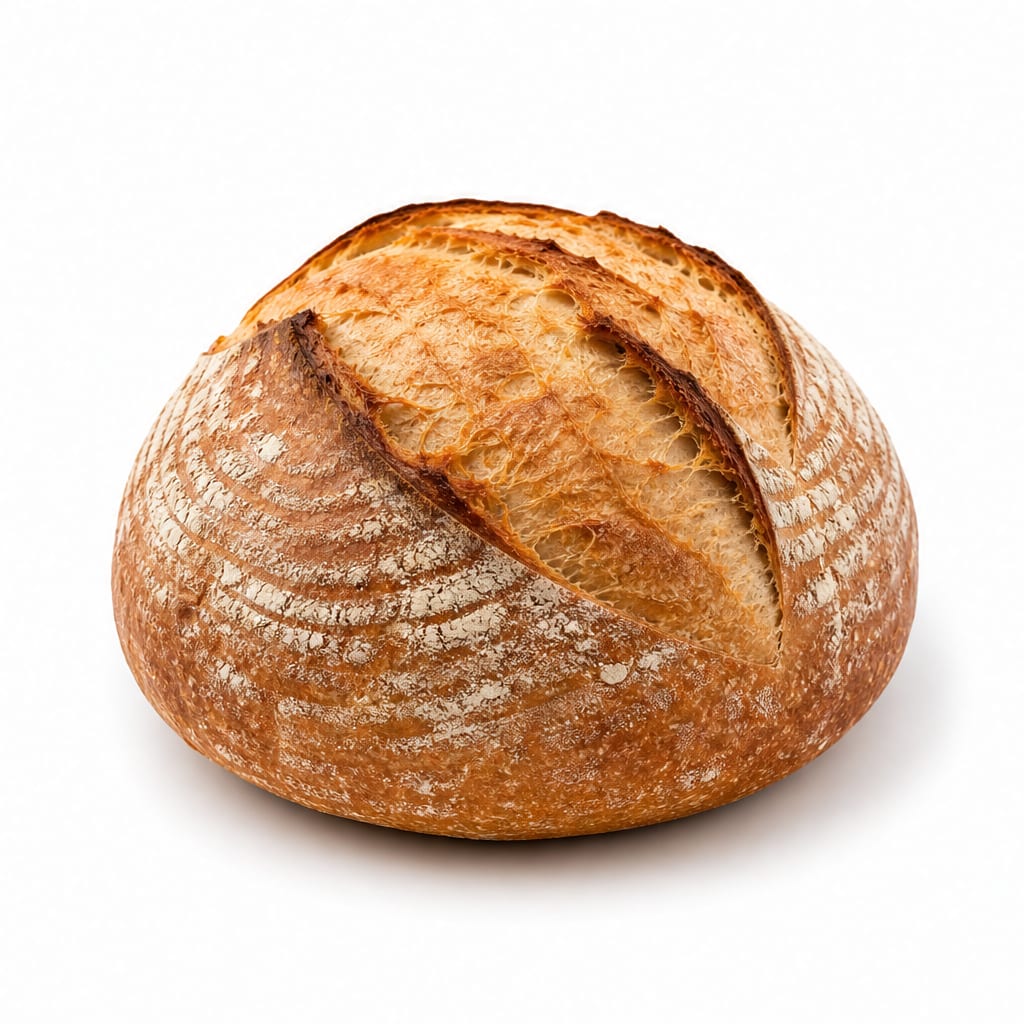
Sourdough Bread
Rye delivers more fiber and steadier blood sugar, while sourdough offers better digestibility and broader meal versatility. The right pick depends on whether you prioritize metabolic stability or gut comfort.
Rye edges ahead on raw nutritional metrics like fiber and mineral content, but sourdough's fermentation benefits and everyday practicality keep it competitive. The close scores reflect that neither dominates universally.
Rye gives you denser nutrition and longer-lasting fullness, but sourdough is gentler on digestion and easier to enjoy daily.
At a glance
Executive summary
Overall
It depends
Healthier
Rye
More practical
Sourdough Bread
Daily use
It depends
Key comparison lenses
Blood sugar management
Both options have meaningfully different glycemic impacts, which is the top concern for most people choosing between breads
Digestive health and tolerance
Sourdough's fermentation and rye's high fiber create distinct digestive profiles that affect daily comfort
Nutrient density and satiety
Rye's whole grain advantage versus sourdough's improved nutrient bioavailability is a core tradeoff
Practical everyday eating
Availability, versatility, and taste preferences heavily influence which bread people actually stick with long-term
Best choice for
Rye
- People managing blood sugar or diabetes
- Those wanting maximum fullness from fewer calories
- Anyone seeking higher fiber intake
- People who prefer dense, hearty breads
Sourdough Bread
- People with mild gluten sensitivity
- Those who want easier digestion
- Anyone seeking versatile sandwich and toast bread
- People new to healthier bread options
Least suitable for
Rye
- People with gluten sensitivity or celiac disease
- Those who prefer light, airy bread textures
- Anyone unfamiliar with rye's distinct earthy flavor
Sourdough Bread
- People strictly managing blood sugar spikes
- Those avoiding refined flour, since many commercial sourdoughs use white flour
- Anyone sensitive to fermented foods
Deep comparison
Dimension by dimension
Each lens scores both foods and breaks down who each option suits.
- Dimension 1 · Priority 95Rye
Blood Sugar Stability
Rye · 85Sourdough Bread · 72Rye causes significantly lower and slower blood sugar rises than sourdough, especially when comparing whole grain rye to white flour sourdough.
Tradeoff
Rye's denser fiber matrix slows glucose absorption more effectively, but sourdough's fermentation still beats regular bread. If the sourdough is whole wheat, the gap narrows considerably.
Why it matters
Steadier blood sugar means fewer energy crashes, less cravings, and better long-term metabolic health.
Real-world impact
A rye-based breakfast keeps you full until lunch. Sourdough may leave you reaching for a snack by mid-morning, especially if made with refined flour.
Rye
- Sustained energy without afternoon crashes
- Diabetes management and insulin sensitivity
- Reduced cravings between meals
Better for
- Dense texture feels heavy for some at breakfast
Worse for
Sourdough Bread
- Still better than conventional white bread
- More enjoyable eating experience may improve dietary adherence
Better for
- Commercial sourdough often uses refined flour, spiking blood sugar more than expected
- Less effective at preventing energy dips
Worse for
- Dimension 2 · Priority 90Sourdough Bread
Digestive Comfort
Rye · 65Sourdough Bread · 82Sourdough's fermentation breaks down gluten and phytic acid, making nutrients more accessible and digestion smoother for many people.
Tradeoff
Rye's high fiber feeds gut bacteria long-term but can cause bloating initially. Sourdough is gentler day-to-day but offers less fiber for gut microbiome health.
Why it matters
Daily comfort matters more than occasional nutritional perfection. Bread you digest easily is bread you'll actually eat.
Real-world impact
Sourdough toast sits lightly. Rye bread can feel heavy or gassy, especially if your body isn't used to high-fiber foods.
Rye
- Higher fiber supports long-term gut microbiome diversity
- Promotes regular bowel movements
Better for
- Can cause bloating if fiber intake increases too quickly
- Gluten content may bother sensitive individuals
Worse for
Sourdough Bread
- Pre-digested gluten is easier on sensitive stomachs
- Lower phytic acid means better mineral absorption per bite
- Less bloating and gas for most people
Better for
- Lower fiber means less prebiotic fuel for beneficial gut bacteria
Worse for
- Dimension 3 · Priority 85Rye
Nutrient Density
Rye · 82Sourdough Bread · 68Whole grain rye packs more magnesium, iron, zinc, and B vitamins per serving than most sourdough breads, which often use refined flour.
Tradeoff
Rye has more total nutrients, but sourdough's fermentation makes a higher percentage of those nutrients absorbable. Raw content versus usable content.
Why it matters
Eating nutrient-dense food reduces the need for supplements and supports overall health without extra effort.
Real-world impact
Choosing rye means getting more minerals from your bread. Choosing sourdough means absorbing more of fewer minerals. Both approaches work, but rye has the edge in total delivery.
Rye
- Higher magnesium for muscle and nerve function
- More iron for energy and oxygen transport
- Richer in lignans with antioxidant properties
Better for
- Phytic acid can bind minerals and reduce absorption
- Nutrient gains are modest compared to vegetables and legumes
Worse for
Sourdough Bread
- Fermentation unlocks more bioavailable folate
- Lower phytic acid means less mineral blocking
Better for
- Many commercial sourdoughs use refined flour with stripped nutrients
- Fewer total micronutrients per serving
Worse for
- Dimension 4 · Priority 82Rye
Satiety and Fullness
Rye · 86Sourdough Bread · 70Rye's dense fiber and lower digestibility keep you full significantly longer than sourdough, which digests faster.
Tradeoff
Rye's heaviness is great for appetite control but can feel uncomfortable. Sourdough feels lighter but may not hold you as long between meals.
Why it matters
Staying full longer means fewer snacks, better portion control, and easier weight management without willpower battles.
Real-world impact
A rye sandwich at noon often satisfies until dinner. A sourdough sandwich might have you hunting for chips by 3pm.
Rye
- Longer-lasting fullness reduces snacking
- Lower calorie density per unit of satisfaction
- Viscous fiber slows stomach emptying
Better for
- Can feel uncomfortably heavy before physical activity
- Dense texture is filling but not always satisfying emotionally
Worse for
Sourdough Bread
- Lighter feel suits people who dislike heavy meals
- Better for pre-workout when you want energy without feeling weighed down
Better for
- Hunger returns sooner, increasing total daily calorie intake risk
- Less effective for appetite management
Worse for
- Dimension 5 · Priority 78Sourdough Bread
Versatility and Enjoyment
Rye · 58Sourdough Bread · 84Sourdough works for sandwiches, toast, dipping, grilling, and more. Rye's strong flavor and dense texture limit its pairings.
Tradeoff
Rye's distinctive taste is either loved or disliked. Sourdough's mild tang complements almost anything, making it a safer daily choice.
Why it matters
The healthiest bread only works if you actually eat it. Versatility determines whether it becomes a staple or sits in the fridge going stale.
Real-world impact
Sourdough fits seamlessly into any meal. Rye demands specific pairings like smoked fish or strong cheeses to shine.
Rye
- Distinctive flavor is deeply satisfying for fans
- Pairs beautifully with Nordic and Eastern European cuisines
Better for
- Strong flavor limits topping options
- Kids and picky eaters often reject it
- Harder to find quality versions at regular stores
Worse for
Sourdough Bread
- Works with sweet and savory toppings equally
- Better for grilled cheese, French toast, and bread bowls
- More universally liked by families and guests
Better for
- Milder flavor means less culinary personality
- Popularity leads to many low-quality commercial versions
Worse for
- Dimension 6 · Priority 75Rye
Processing and Ingredient Quality
Rye · 78Sourdough Bread · 65Whole rye is closer to its natural state with minimal ingredients. Many commercial sourdoughs add preservatives, sugar, or dough conditioners.
Tradeoff
True artisan sourdough has just flour, water, and salt, but grocery store versions often cut corners. Rye products tend to have simpler ingredient lists.
Why it matters
Fewer additives mean fewer unknown health risks and a cleaner relationship with your food.
Real-world impact
Reading labels matters more for sourdough. A quality bakery sourdough is clean, but a supermarket version might contain more additives than you'd expect from bread.
Rye
- Simpler ingredient lists on most products
- Less likely to contain hidden sugars or preservatives
- Closer to whole food form
Better for
- Some packaged rye breads add wheat flour and sweeteners
- Pumpernickel varieties may include added sugar
Worse for
Sourdough Bread
- Authentic sourdough uses only three ingredients
- Fermentation itself is a natural preservation method
Better for
- Mass-produced versions frequently contain dough conditioners and preservatives
- Yeast-added sourdough skips the long fermentation that provides health benefits
Worse for
Timeline
Health impact over time
Short-term
Hours to days
Rye
- Noticeable fullness after eating, sometimes to the point of discomfort
- Possible bloating or gas if transitioning from low-fiber breads
- Steadier energy without the sugar rush and crash cycle
Sourdough Bread
- Comfortable, light digestion for most people
- Mild blood sugar rise depending on flour type used
- Satisfying eating experience that feels like regular bread
Long-term
Months to years
Rye
- Improved insulin sensitivity from consistent low-glycemic eating
- Better gut microbiome diversity from high fiber intake
- Reduced cardiovascular risk linked to whole grain consumption
Sourdough Bread
- Improved mineral absorption from reduced phytic acid exposure
- Potential anti-inflammatory benefits from lactic acid bacteria
- Easier dietary adherence due to broader meal compatibility
Risk profile
Safety & processing
Whole rye is closer to its natural grain state with fewer steps between field and table. Sourdough is inherently more processed through fermentation and baking, and commercial versions often include additives that authentic sourdough doesn't need.
Rye
Mycotoxin contamination
lowRye is susceptible to ergot fungus, but modern agricultural practices and testing make this rare in commercial products.
Gluten exposure
mediumRye contains gluten as secalin, making it unsafe for those with celiac disease or significant gluten sensitivity.
Sourdough Bread
Misleading labeling
mediumMany commercial sourdoughs use added yeast and skip the long fermentation, eliminating the digestive benefits while charging a premium.
Acrylamide formation
lowAll toasted or baked breads form some acrylamide, but sourdough's lower baking temperature and acidity may reduce levels slightly compared to conventional bread.
Who wins for whom
Audience fit
Same foods, different winners depending on your goal.
children
Sourdough BreadKids generally prefer sourdough's milder flavor and softer texture, making it an easier transition from conventional bread.
daily consumption
It dependsRye is nutritionally superior for daily use, but sourdough's versatility and enjoyment factor make it more sustainable long-term for most people.
diabetes
RyeRye's significantly lower glycemic index and higher fiber content create more predictable, manageable blood sugar responses.
elderly
Sourdough BreadSourdough's easier digestibility and softer texture are gentler on aging digestive systems, while still offering fermentation benefits.
muscle gain
Sourdough BreadSourdough provides faster-digesting carbohydrates that work better around workouts, and its lighter texture is easier to eat in larger quantities.
weight loss
RyeRye's superior satiety and lower glycemic impact make it easier to eat less overall without feeling deprived.
Your move
Decision guide
Choose Rye
- Blood sugar management is your top priority
- You want to stay full longer between meals
- You enjoy dense, hearty breads with bold flavor
- You're looking to increase your whole grain intake
Choose Sourdough Bread
- Digestive comfort matters more than maximum fiber
- You want a versatile bread for all meals and occasions
- You're feeding a family with varying taste preferences
- You can source authentic long-fermented sourdough from a quality bakery
Either works if
- You're simply upgrading from conventional white bread
- You rotate breads for variety and balance
- You pair bread with protein and healthy fats to buffer blood sugar
Avoid both if
- You have celiac disease or confirmed gluten intolerance
- You're strictly limiting carbohydrates for ketosis
- You have a wheat or grain allergy
Final recommendation
If metabolic health drives your decision, rye is the stronger choice. If daily enjoyment and digestive ease matter more, sourdough wins. The ideal approach for many people is keeping both: rye for mornings when you need lasting energy, sourdough for meals where comfort and versatility matter more.
Practical
Consumer tips
- 1
For sourdough, check that the ingredient list contains only flour, water, and salt. Avoid brands with added yeast, sugar, or dough conditioners.
- 2
For rye, look for whole grain rye as the first ingredient. Many rye breads are mostly wheat flour with a small amount of rye added.
- 3
Pumpernickel is a type of rye bread but often contains added sweeteners like molasses. Read labels carefully.
- 4
Freeze sliced rye bread if you don't eat it quickly. It goes stale faster than sourdough due to lower fat content.
- 5
If transitioning to rye, start with lighter rye varieties and gradually move to darker, whole grain versions to let your digestion adjust.
- 6
Authentic sourdough should taste noticeably tangy and have an irregular, holey crumb structure. Uniform texture often means commercial production with shortcuts.