
Nutrition comparison
Rye vs Corn: Which Grain Is Healthier for Blood Sugar, Weight Loss, and Daily Nutrition?
Compare rye and corn nutrition including fiber, glycemic index, gluten content, and eye health benefits. Find out which grain better fits your health goals and dietary needs.
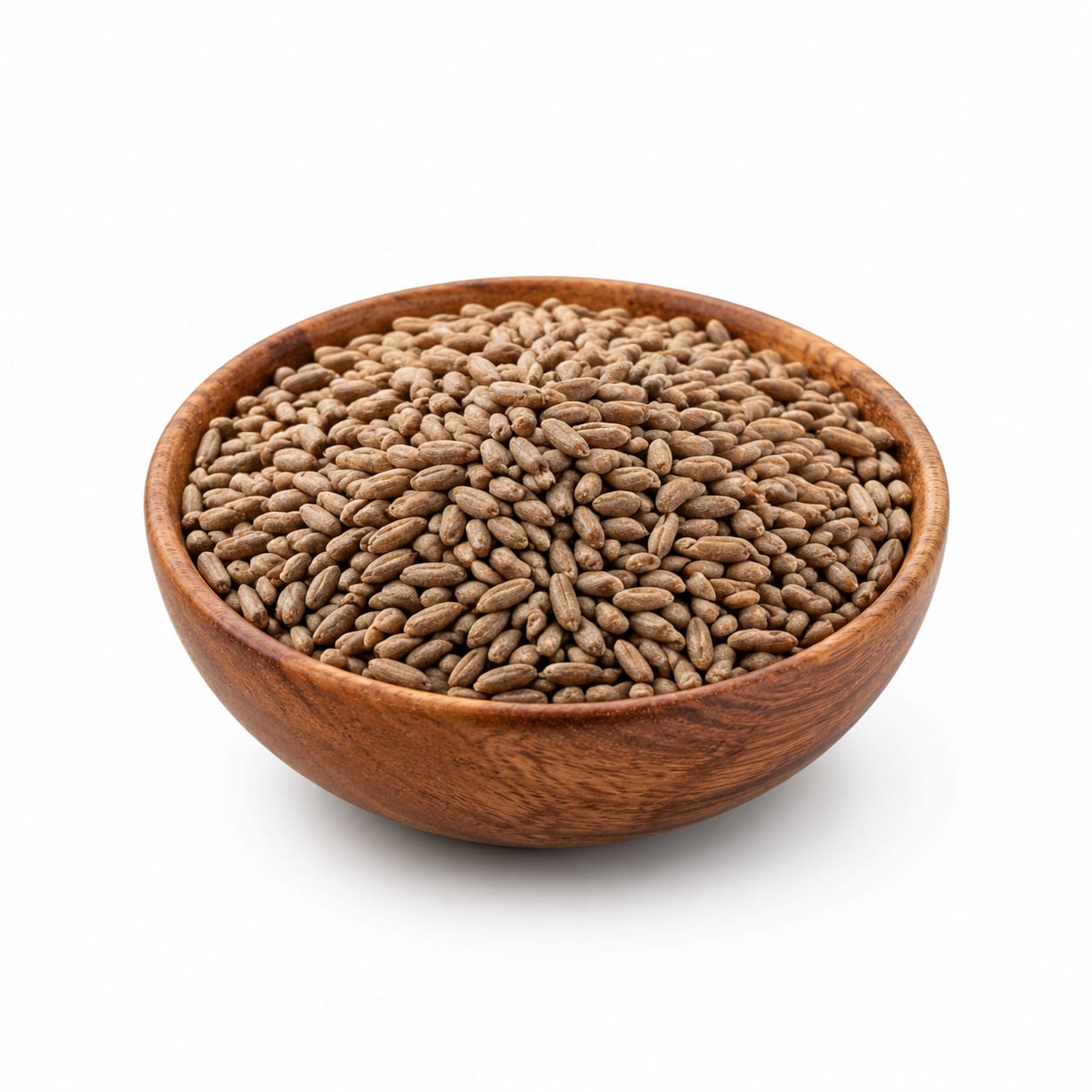
Rye
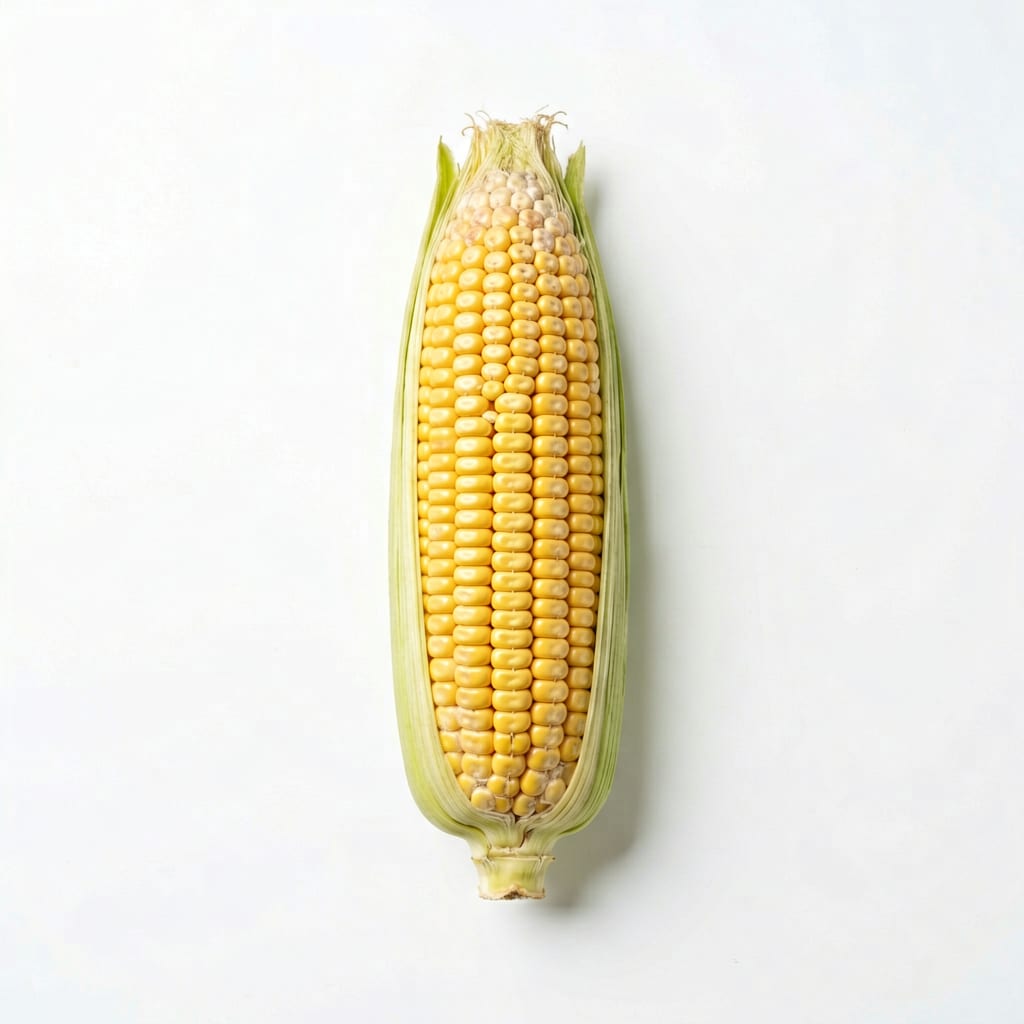
Corn
Rye wins for blood sugar control and fullness; corn wins for gluten-free needs and eye health nutrients.
Rye scores higher due to superior fiber, blood sugar stability, and satiety benefits. Corn remains competitive through gluten-free status and unique antioxidants. The gap reflects rye's broader metabolic advantages for most people.
Rye offers steadier energy and more fiber but contains gluten. Corn is gluten-free and richer in vision-supporting antioxidants but spikes blood sugar faster.
At a glance
Executive summary
Overall
It depends
Healthier
Rye
More practical
Corn
Daily use
Rye
Key comparison lenses
blood sugar management
Rye's superior fiber profile and lower glycemic index make this the most consequential difference for daily health decisions
gluten sensitivity and celiac safety
Corn is naturally gluten-free while rye contains gluten, a dealbreaker for many consumers
satiety and weight management
Rye keeps you full significantly longer, directly impacting eating behavior and portion control
digestive tolerance
Both grains can cause digestive issues but for different reasons, affecting daily comfort
GMO and pesticide exposure
Corn is predominantly GMO in many markets while rye is rarely genetically modified
Best choice for
Rye
- People managing diabetes or insulin resistance
- Anyone seeking longer-lasting fullness between meals
- Those wanting steadier energy without afternoon crashes
- People prioritizing heart health and cholesterol management
Corn
- People with celiac disease or gluten sensitivity
- Those seeking eye-health supporting nutrients like lutein
- Anyone needing a versatile gluten-free grain base
- People following Latin American traditional diets
Least suitable for
Rye
- Anyone with celiac disease or gluten intolerance
- People with wheat-related digestive discomfort
- Those seeking a light, easy-to-digest grain option
Corn
- People managing blood sugar spikes or diabetes
- Those avoiding GMO foods in non-organic markets
- Anyone seeking maximum satiety from their grain choice
Deep comparison
Dimension by dimension
Each lens scores both foods and breaks down who each option suits.
- Dimension 1 · Priority 95Rye
Blood Sugar Stability
Rye · 88Corn · 52Rye causes significantly slower blood sugar rises than corn, making it far easier on your metabolism.
Tradeoff
You gain metabolic stability with rye but lose the gluten-free advantage corn provides.
Why it matters
Steady blood sugar means fewer energy crashes, less cravings, and lower long-term diabetes risk.
Real-world impact
A rye-based breakfast keeps you satisfied until lunch. Corn-based meals often leave you hungry again within two hours.
Rye
- Diabetics and pre-diabetics
- Anyone prone to afternoon energy crashes
- People trying to reduce sugar cravings
Better for
- People who need rapid carbohydrate replenishment post-workout
Worse for
Corn
- Those who need quick energy before intense physical activity
Better for
- Anyone monitoring fasting blood sugar
- People with metabolic syndrome
Worse for
- Dimension 2 · Priority 90Rye
Satiety and Fullness
Rye · 85Corn · 58Rye is one of the most filling grains available. Corn digests faster and leaves you hungry sooner.
Tradeoff
Rye's heaviness can feel uncomfortable for some, while corn's lighter feel comes at the cost of staying power.
Why it matters
Feeling full longer means less snacking, easier portion control, and fewer calories consumed overall.
Real-world impact
Rye bread at lunch means you skip the 3pm vending machine visit. Corn tortillas may have you reaching for chips an hour later.
Rye
- Anyone trying to eat less without feeling deprived
- People who skip meals and need long-lasting fuel
- Weight management focused eaters
Better for
- People who find heavy grains cause bloating
Worse for
Corn
- Those who prefer lighter meals
- People with small appetites who find dense grains uncomfortable
Better for
- Emotional eaters who need satiety signals to stop
- Anyone prone to overeating when hungry
Worse for
- Dimension 3 · Priority 88Corn
Gluten-Free Safety
Rye · 15Corn · 95Corn is naturally gluten-free and safe for celiacs. Rye contains gluten and is strictly off-limits for anyone with celiac disease.
Tradeoff
Choosing corn for gluten safety means accepting higher blood sugar impact and lower fiber.
Why it matters
For roughly 1% of the population with celiac disease and many more with gluten sensitivity, this alone determines the choice.
Real-world impact
If gluten causes you digestive distress, rye is simply not an option regardless of its other benefits.
Rye
- No one with gluten concerns should choose rye
Better for
- All gluten-sensitive individuals
Worse for
Corn
- Celiacs and gluten-sensitive individuals
- Families cooking for mixed dietary needs
- Anyone with unexplained digestive issues testing elimination diets
Better for
- No downside on this specific dimension
Worse for
- Dimension 4 · Priority 85Rye
Fiber Quality and Quantity
Rye · 90Corn · 55Rye delivers substantially more fiber, including soluble types that feed gut bacteria and lower cholesterol.
Tradeoff
Rye's high fiber can cause gas during adjustment periods. Corn's lower fiber is gentler but less beneficial long-term.
Why it matters
Fiber drives gut health, cholesterol management, and blood sugar control. Most people get far too little.
Real-world impact
Switching to rye can meaningfully improve digestion and cholesterol within weeks, but expect a brief adjustment period.
Rye
- People with high cholesterol
- Anyone needing more fiber in their diet
- Those seeking gut microbiome diversity
Better for
- People suddenly increasing fiber without adequate water intake
Worse for
Corn
- People with irritable bowel who need lower fiber options
- Those transitioning to whole grains who find high fiber uncomfortable
Better for
- Anyone already struggling to meet daily fiber targets
Worse for
- Dimension 5 · Priority 70Corn
Eye Health Nutrients
Rye · 35Corn · 82Corn provides lutein and zeaxanthin, carotenoids that protect your eyes from age-related damage. Rye offers minimal amounts.
Tradeoff
You gain vision-protecting compounds with corn but sacrifice the metabolic benefits of rye.
Why it matters
These carotenoids accumulate in your retina and are difficult to get from most grain sources.
Real-world impact
Regular corn consumption contributes to long-term eye health, especially valuable for older adults concerned about macular degeneration.
Rye
- No specific eye health advantage
Better for
- Those relying heavily on grains for carotenoid intake
Worse for
Corn
- Older adults concerned about vision preservation
- People with family history of macular degeneration
- Anyone wanting dietary eye protection beyond leafy greens
Better for
- No specific disadvantage on this dimension
Worse for
- Dimension 6 · Priority 72Rye
GMO and Pesticide Exposure
Rye · 85Corn · 45Rye is rarely genetically modified and typically grown with fewer pesticides. Most conventional corn in the US is GMO.
Tradeoff
Choosing organic corn eliminates the GMO concern but costs more and may be harder to find.
Why it matters
For consumers avoiding GMOs, corn requires careful sourcing while rye is generally safe by default.
Real-world impact
If you buy conventional corn products, you are likely eating GMO. Organic rye and organic corn both avoid this, but rye rarely needs the organic premium.
Rye
- Consumers avoiding GMO foods
- Those concerned about pesticide residue on grains
- Budget-conscious shoppers who cannot afford organic premiums
Better for
- No significant disadvantage on this dimension
Worse for
Corn
- Those who buy organic and find certified non-GMO corn easily
Better for
- Anyone avoiding GMOs who cannot access or afford organic corn
Worse for
- Dimension 7 · Priority 68Corn
Culinary Versatility
Rye · 55Corn · 82Corn works in more dishes across more cuisines, from tortillas to polenta to corn on the cob. Rye is more niche.
Tradeoff
Corn's versatility makes it easier to incorporate daily, but rye's distinctive flavor can elevate specific meals.
Why it matters
The grain you actually enjoy cooking and eating consistently matters more than theoretical nutritional advantages.
Real-world impact
Corn tortillas, cornmeal, and fresh corn fit seamlessly into weekly meal rotation. Rye bread is excellent but less flexible beyond sandwiches and toast.
Rye
- Fans of Scandinavian and Eastern European cuisine
- People who enjoy dense, flavorful breads
Better for
- Anyone bored by limited preparation methods
Worse for
Corn
- Home cooks wanting flexible grain options
- Those following Latin American or Southern US food traditions
- Families needing kid-friendly grain formats
Better for
- No significant culinary downside
Worse for
Timeline
Health impact over time
Short-term
Hours to days
Rye
- Noticeably fuller after meals, reducing between-meal snacking
- More stable energy without the sugar rush and crash cycle
- Possible bloating or gas if your body is not used to high fiber intake
- Not suitable for anyone with gluten sensitivity, causing immediate digestive distress
Corn
- Quicker energy availability, useful before physical activity
- Less immediate fullness, potentially leading to larger portions
- Easier digestion for those sensitive to gluten
- Possible blood sugar spike followed by hunger return within 1-2 hours
Long-term
Months to years
Rye
- Improved cholesterol levels from consistent soluble fiber intake
- Better blood sugar regulation reducing diabetes risk over time
- Healthier gut microbiome from diverse fiber feeding beneficial bacteria
- Lower inflammatory markers associated with metabolic health
Corn
- Accumulated lutein and zeaxanthin supporting retinal health with age
- Potential blood sugar management challenges if consumed as a primary grain
- Possible GMO exposure effects depending on sourcing choices
- Adequate but not optimal fiber intake for gut health
Risk profile
Safety & processing
Both rye and corn are whole grains that can be consumed with minimal processing. However, corn products like cornmeal and corn flour often undergo more processing steps, and conventional corn carries higher GMO risk. Whole grain rye berries and rye flour typically retain more of their natural state.
Rye
Gluten exposure for celiacs
highRye contains secalin, a gluten protein that triggers autoimmune responses in celiac individuals. Even trace contamination can cause intestinal damage.
Mycotoxin contamination
lowRye can occasionally harbor ergot fungus, though modern agricultural practices and screening have made this extremely rare in commercial products.
Corn
GMO exposure
mediumOver 90% of US corn is genetically modified. While health effects remain debated, many consumers prefer avoiding GMOs. Organic certification eliminates this concern.
Aflatoxin contamination
mediumCorn is susceptible to aflatoxin-producing molds, particularly in warm humid storage conditions. Quality sourcing and proper storage significantly reduce this risk.
Pesticide residue
lowConventional corn often receives pesticide treatments. Residue levels typically test within safety limits, but organic options further reduce exposure.
Who wins for whom
Audience fit
Same foods, different winners depending on your goal.
children
CornCorn's milder flavor, gluten-free safety, and kid-friendly formats like tortillas and corn on the cob make it more practical for families.
daily consumption
RyeFor those without gluten issues, rye's metabolic benefits make it the stronger daily staple for long-term health outcomes.
diabetes
RyeRye's lower glycemic index and higher fiber content significantly reduce blood sugar spikes compared to corn.
elderly
It dependsRye supports blood sugar and heart health concerns common with aging. Corn supports eye health with lutein. The choice depends on which risk factor matters more for the individual.
muscle gain
CornCorn provides faster-digesting carbohydrates that replenish glycogen more efficiently after training, though neither grain is a protein standout.
weight loss
RyeRye's superior satiety and blood sugar stability naturally reduce overall calorie intake without requiring willpower.
Your move
Decision guide
Choose Rye
- You want steadier energy and fewer cravings throughout the day
- Blood sugar management is a health priority for you
- You have no gluten sensitivity and enjoy dense, flavorful breads
- You prefer avoiding GMO foods without paying organic premiums
- Cholesterol reduction is part of your health goals
Choose Corn
- You have celiac disease, gluten sensitivity, or are testing an elimination diet
- Eye health and lutein intake are priorities, especially as you age
- You need a versatile grain that works across many cuisines and meal types
- You want quick energy before or after physical activity
- You cook Latin American dishes regularly and need authentic ingredients
Either works if
- You rotate grains for dietary diversity, which is beneficial regardless of which you pick
- You buy organic and want whole grain options without strong preference
- You are generally healthy without specific metabolic or digestive concerns
Avoid both if
- You are following a grain-free or strict low-carb protocol
- You have severe grain allergies beyond gluten
- You are eliminating all whole grains temporarily for an autoimmune protocol
Final recommendation
If gluten is not a concern, rye is the nutritionally stronger daily choice for most people thanks to its fiber, satiety, and blood sugar advantages. If you need gluten-free or prioritize eye health nutrients, corn is your grain. The best approach for many is rotating both: rye for everyday metabolic benefits, corn when you need gluten-free meals or want lutein support.
Practical
Consumer tips
- 1
If choosing corn, buy organic whenever possible to avoid GMO exposure and reduce pesticide residue
- 2
Start with small portions of rye if you are not used to high-fiber grains, and increase gradually to avoid bloating
- 3
Look for whole grain rye bread with visible seeds and grains for maximum fiber benefit, not refined rye flour products
- 4
Nixtamalized corn products like masa and tortillas improve niacin absorption and reduce mycotoxin risk compared to plain cornmeal
- 5
Sourdough rye bread offers additional digestive benefits through fermentation, making nutrients more bioavailable
- 6
If blood sugar is a concern and you choose corn, pair it with protein and healthy fats to slow glucose absorption
- 7
Freeze rye bread slices individually if you do not go through a loaf quickly, as it preserves freshness without additives