
Nutrition comparison
Rye vs Oats: Which Grain Is Better for Blood Sugar, Satiety, and Heart Health?
Compare rye and oats on blood sugar control, cholesterol, gluten, satiety, and convenience. Find out which whole grain fits your health goals and daily routine.
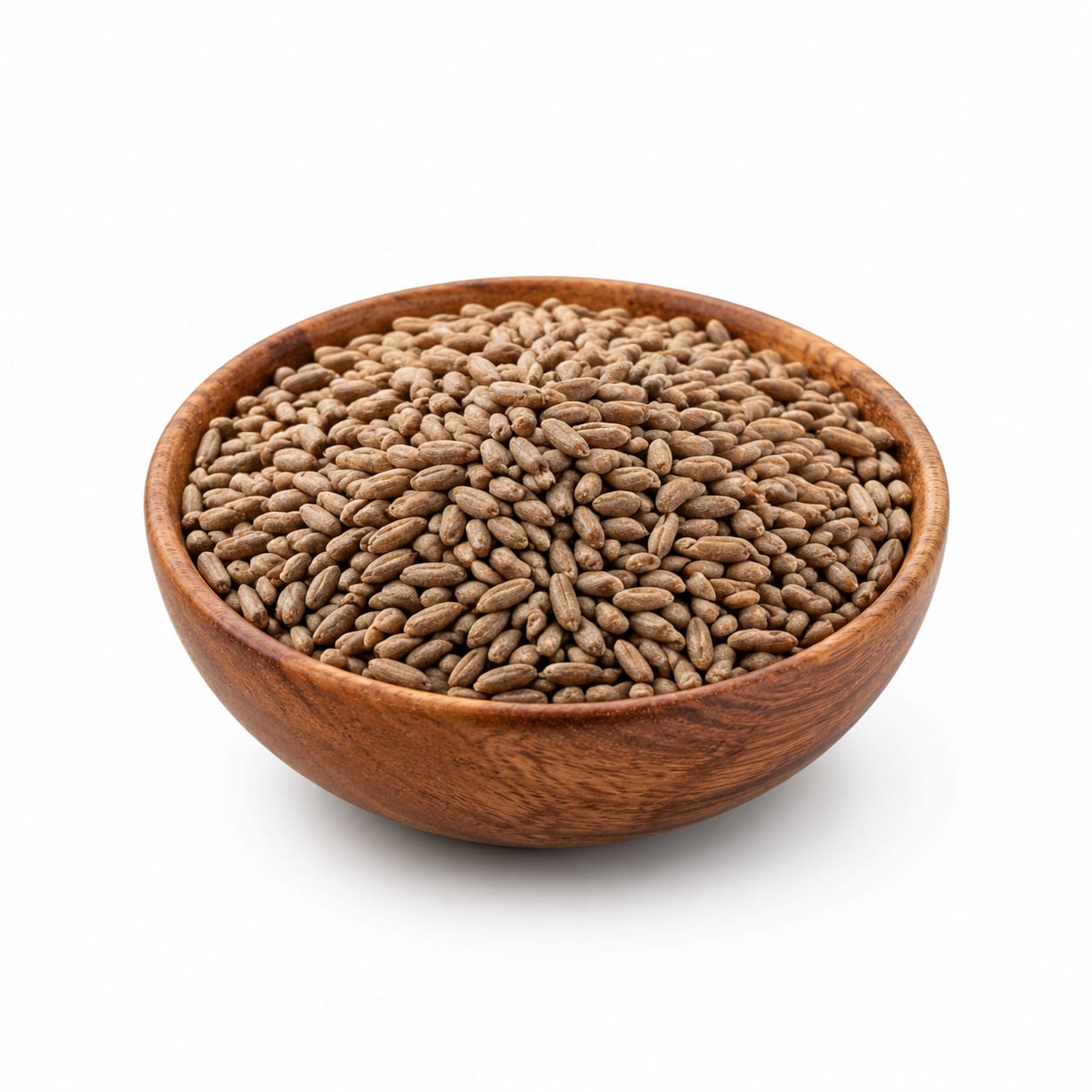
Rye
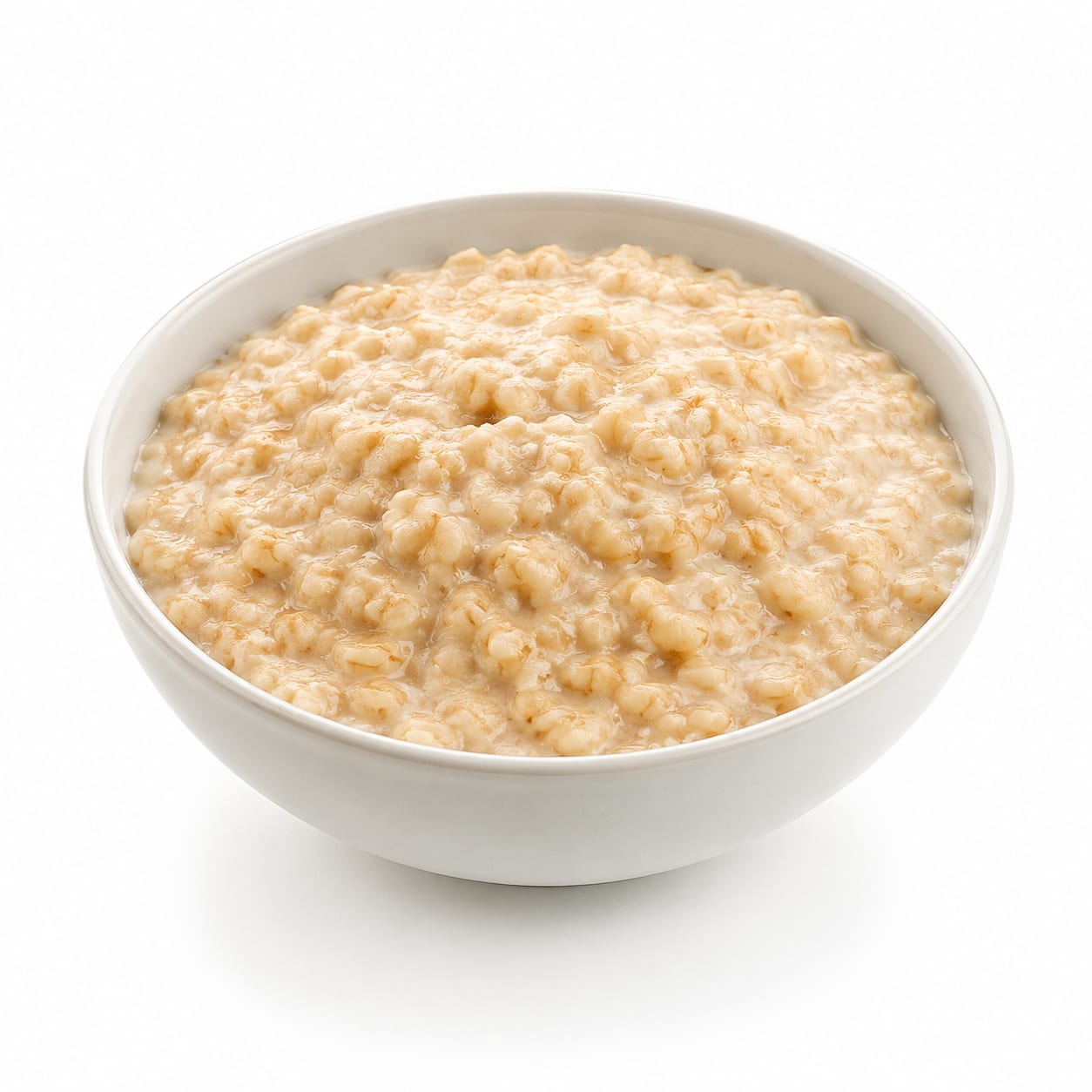
Oats
Oats win on versatility and heart health, rye wins on blood sugar stability and satiety. Your pick depends on what your body needs most.
Oats score slightly higher due to broader accessibility, gluten-free status, and stronger clinical evidence for heart health. Rye's blood sugar advantage is significant but narrower in who it benefits.
Oats give you easier mornings and proven cholesterol benefits; rye gives you steadier energy and fewer hunger crashes but contains gluten and is less convenient.
At a glance
Executive summary
Overall
It depends
Healthier
It depends
More practical
Oats
Daily use
Oats
Key comparison lenses
blood sugar control and satiety
Rye's unique fiber profile creates dramatically steadier blood sugar responses compared to most grains, making this the most impactful difference for daily eaters
heart health and cholesterol management
Oats are renowned for beta-glucan's cholesterol-lowering effect, while rye offers different cardiovascular benefits through lignans and fiber
gluten sensitivity and digestive tolerance
Rye contains gluten while oats are naturally gluten-free, a critical decision factor for many consumers
weight management and fullness
Both grains support satiety but through different mechanisms, with rye often producing longer-lasting fullness
meal versatility and convenience
Oats dominate breakfast routines while rye requires more creativity but offers savory options
Best choice for
Rye
- People managing blood sugar or insulin resistance
- Anyone who gets hungry again quickly after eating grains
- Those seeking maximum fiber per calorie
- People who prefer savory breakfasts and meals
- Individuals focused on long-lasting satiety
Oats
- People with gluten sensitivity or celiac concerns
- Anyone managing cholesterol levels
- Those who want a quick, easy breakfast routine
- People new to whole grains who need approachability
- Anyone seeking proven heart health benefits
Least suitable for
Rye
- Anyone with celiac disease or gluten intolerance
- People who want quick-cooking grain options
- Those who dislike dense, earthy flavors
- Anyone seeking a neutral-tasting grain base
Oats
- People with severe oat cross-reactivity or avenin sensitivity
- Those who find oat breakfasts leave them hungry within two hours
- Anyone avoiding even trace gluten from cross-contamination
Deep comparison
Dimension by dimension
Each lens scores both foods and breaks down who each option suits.
- Dimension 1 · Priority 95Rye
blood sugar stability
Rye · 91Oats · 72Rye produces a notably flatter blood sugar curve than oats, meaning less of an energy spike and crash after eating.
Tradeoff
Rye's advantage comes from its unique arabinoxylan fiber, but this benefit only matters if you're eating whole grain rye rather than refined rye flour products.
Why it matters
Steadier blood sugar means fewer afternoon energy crashes, less cravings between meals, and better long-term metabolic health.
Real-world impact
A rye-based breakfast often keeps you satisfied until lunch without reaching for a snack. Oatmeal can trigger hunger sooner for some people, especially if sweetened.
Rye
- Prediabetics and anyone monitoring glucose
- People who experience energy crashes after carb meals
- Anyone trying to reduce between-meal snacking
Better for
- Not applicable for this dimension
Worse for
Oats
- Those who tolerate oats well without hunger rebound
- Active individuals who want faster-available energy before exercise
Better for
- People prone to reactive hypoglycemia after carb-heavy meals
Worse for
- Dimension 2 · Priority 88Oats
heart health and cholesterol
Rye · 75Oats · 92Oats contain significantly more beta-glucan, a soluble fiber with strong clinical evidence for lowering LDL cholesterol.
Tradeoff
Rye still supports heart health through lignans and fiber, but its evidence base for cholesterol reduction is weaker and less established than oats.
Why it matters
If your primary goal is improving cholesterol numbers, oats have the most robust scientific backing and even carry an approved health claim.
Real-world impact
Eating a bowl of oatmeal daily can meaningfully move your cholesterol numbers over weeks. Rye helps cardiovascular health too, but less predictably.
Rye
- People already managing cholesterol well through other means
- Those who want broader cardiovascular benefits beyond LDL reduction
Better for
- People specifically targeting LDL reduction through diet
Worse for
Oats
- Anyone with elevated LDL cholesterol
- People with family history of heart disease seeking preventive foods
- Those wanting a food with proven, measurable cholesterol impact
Better for
- Not applicable for this dimension
Worse for
- Dimension 3 · Priority 82Rye
satiety and fullness
Rye · 89Oats · 76Rye consistently outperforms oats in satiety research, keeping people fuller for longer with fewer calories consumed at subsequent meals.
Tradeoff
Rye's density and earthiness feel heavier and more filling, which is great for hunger control but less appealing if you prefer lighter meals.
Why it matters
Better satiety means naturally eating less throughout the day without willpower, which is the most sustainable path to weight management.
Real-world impact
After a rye-based meal, you're less likely to raid the pantry two hours later. Oatmeal can feel light and leave you reaching for a mid-morning snack.
Rye
- Anyone trying to eat less without feeling deprived
- People who skip meals and need long-lasting fuel
- Those prone to late-afternoon overeating
Better for
- People who dislike feeling overly full after eating
Worse for
Oats
- People who prefer eating smaller, more frequent meals
- Those who find heavy meals uncomfortable or sluggish
Better for
- Anyone finding themselves hungry again shortly after oatmeal
Worse for
- Dimension 4 · Priority 85Oats
gluten and digestive tolerance
Rye · 45Oats · 88Oats are naturally gluten-free while rye contains gluten, making oats the clear choice for anyone with gluten-related concerns.
Tradeoff
Oats can be cross-contaminated with gluten during processing, so truly sensitive individuals need certified gluten-free oats. Rye is never safe for celiac patients.
Why it matters
For the roughly 7% of people with gluten sensitivity or celiac disease, this alone determines the choice completely.
Real-world impact
If you have celiac disease, rye is off the table entirely. If you're mildly gluten-sensitive, oats are usually well tolerated but require careful sourcing.
Rye
- People with no gluten sensitivity who digest rye well
Better for
- Anyone with celiac disease or gluten intolerance
- People with wheat-related digestive issues who may cross-react
Worse for
Oats
- Anyone with celiac disease
- People with non-celiac gluten sensitivity
- Those following gluten-free diets for inflammation management
Better for
- Rare individuals with avenin sensitivity who react to oat protein
Worse for
- Dimension 5 · Priority 75Oats
convenience and versatility
Rye · 58Oats · 90Oats cook quickly, work in sweet and savory dishes, and are universally available. Rye requires more effort and creativity to use regularly.
Tradeoff
Rye's limited convenience is partly because most people only know it as bread or crackers, while oats have an entire breakfast culture built around them.
Why it matters
The healthiest grain only works if you actually eat it. Oats' ease of preparation makes consistent daily use realistic for most people.
Real-world impact
You can make oatmeal in two minutes on a busy morning. Rye berries take 45-60 minutes to cook, and rye flour behaves differently in recipes than wheat flour.
Rye
- Home cooks who enjoy batch-prepping grains
- People who like dense, hearty breads and crackers
- Anyone comfortable with longer cooking times
Better for
- Anyone with limited cooking time
- People who want instant or quick-prep meals
Worse for
Oats
- Busy people who need quick breakfasts
- Anyone new to cooking whole grains
- People who want one grain that works in dozens of recipes
Better for
- Not applicable for this dimension
Worse for
- Dimension 6 · Priority 80Rye
fiber quality and digestive health
Rye · 88Oats · 80Rye provides more total fiber and a more diverse fiber profile, including arabinoxylan and fructan, which feed different beneficial gut bacteria.
Tradeoff
Rye's higher fructan content can cause bloating in sensitive individuals, while oats' gentler beta-glucan is usually better tolerated.
Why it matters
More diverse fiber means feeding more types of beneficial gut bacteria, which supports broader microbiome health and immune function.
Real-world impact
Regular rye consumption often improves bowel regularity more noticeably than oats, but can cause gas during the adjustment period.
Rye
- People seeking maximum fiber intake
- Those wanting to diversify their gut microbiome
- Anyone dealing with sluggish digestion
Better for
- People with fructan intolerance or FODMAP sensitivities
- Those experiencing bloating from high-fiber foods
Worse for
Oats
- People with IBS or fructan sensitivity
- Those who need a gentler fiber source
- Anyone transitioning from low-fiber to high-fiber diets
Better for
- Anyone wanting the most fiber per serving possible
Worse for
Timeline
Health impact over time
Short-term
Hours to days
Rye
- Noticeable and sustained fullness after meals
- Steadier energy without the mid-morning crash
- Possible bloating or gas if your gut isn't used to high fructan intake
- More stable blood sugar within hours of eating
Oats
- Comforting, warm meal that digests easily for most people
- Possible quicker hunger return compared to rye-based meals
- Gentle on the digestive system with well-tolerated fiber
- Mild blood sugar rise that's manageable for most people
Long-term
Months to years
Rye
- Improved insulin sensitivity with regular consumption
- Better weight maintenance through naturally reduced calorie intake
- More diverse gut microbiome from varied fiber types
- Potential reduction in type 2 diabetes risk
- Must avoid entirely if celiac or gluten-intolerant
Oats
- Measurable LDL cholesterol reduction with daily intake
- Established cardiovascular risk reduction over years
- Consistent digestive regularity and gut health support
- May help maintain healthy blood pressure
- Sustainable long-term habit due to ease of preparation
Risk profile
Safety & processing
Both rye and oats are whole grains that can be purchased with minimal processing. Steel-cut oats and rye berries are the least processed forms. Instant oatmeal and refined rye flour are the most processed versions to watch out for.
Rye
Gluten exposure for sensitive individuals
highRye contains secalin, a gluten protein that triggers reactions in celiac patients and some gluten-sensitive people. No rye product is safe for these groups.
Ergot contamination
lowRye is more susceptible to ergot fungus than other grains, but modern agricultural practices and quality controls make this extremely rare in commercial products.
Pesticide residue
lowConventional rye may carry pesticide residues, but rye is generally a hardy crop requiring fewer chemical inputs than many other grains.
Oats
Gluten cross-contamination
mediumOats are naturally gluten-free but frequently processed in facilities that handle wheat, barley, and rye. Certified gluten-free oats are necessary for celiac patients.
Avenin sensitivity
lowA small percentage of celiac patients react to avenin, the oat protein similar to gluten. Most tolerate oats well, but monitoring is advised when first introducing them.
Glyphosate residue
mediumOats are commonly pre-harvest treated with glyphosate as a desiccant. Choosing organic oats significantly reduces this exposure.
Who wins for whom
Audience fit
Same foods, different winners depending on your goal.
children
OatsOats are milder in flavor, easier to prepare, and more palatable for kids. The creamy texture and sweetness compatibility make breakfast battles less likely.
daily consumption
OatsOats' convenience, tolerability, and versatility make daily consumption realistic for most people. Rye's gluten content and preparation demands limit daily use for some.
diabetes
RyeRye's dramatically lower glycemic impact and insulin response makes it the stronger choice for blood sugar management, assuming no gluten issues.
elderly
OatsOats are gentler on aging digestive systems, easier to chew when cooked, and their proven heart health benefits align with elderly cardiovascular concerns.
muscle gain
OatsOats provide slightly more protein per serving and faster-available energy for training, plus they're easier to eat in larger quantities.
weight loss
RyeRye's superior satiety means naturally eating less throughout the day without feeling deprived, which is more sustainable than relying on willpower alone.
Your move
Decision guide
Choose Rye
- You're managing blood sugar, insulin resistance, or prediabetes
- Gluten isn't a concern for you and you want maximum satiety
- You tend to get hungry quickly after eating grains
- You enjoy dense, earthy flavors and savory grain dishes
- You want to diversify your grain intake beyond the usual options
Choose Oats
- You have any gluten sensitivity or eat gluten-free
- Lowering cholesterol is a primary health goal
- You need a quick, reliable breakfast that takes minutes
- You're feeding kids or picky eaters
- You want one grain you can use every single day without effort
Either works if
- You're generally healthy and just want a nutritious whole grain
- Neither gluten nor blood sugar is a personal concern
- You enjoy rotating between different grains for variety
- You're focused on overall fiber intake from multiple sources
Avoid both if
- You have grain allergies or sensitivities to both
- You're strictly following a grain-free or paleo protocol
- You experience digestive discomfort from both gluten and high-fiber foods
Final recommendation
Keep both in your kitchen. Use oats for easy weekday breakfasts and heart health support. Use rye when you need lasting fullness and steady energy, especially for busy days when you can't snack. If you must pick one, oats are the safer all-around choice, but rye is the underrated powerhouse for metabolic health.
Practical
Consumer tips
- 1
Choose steel-cut or rolled oats over instant oatmeal to preserve fiber and avoid added sugars
- 2
Look for certified gluten-free oats if you have celiac disease or gluten sensitivity
- 3
Buy organic oats to minimize glyphosate exposure from pre-harvest desiccation
- 4
Try whole rye berries cooked like rice for maximum fiber benefit, not just rye bread
- 5
If rye bread is your main rye source, check that it's 100% whole grain rye, not refined rye flour mixed with wheat
- 6
Soak rye berries overnight to reduce cooking time from 60 minutes to about 30
- 7
Pair oats with protein and healthy fat to reduce the blood sugar spike that can occur when eaten alone
- 8
Introduce rye gradually if you're not used to high-fiber foods to minimize bloating and gas