
Nutrition comparison
Rye vs Brown Rice: Which Grain is Healthier?
Comparing Rye vs Brown Rice for fiber, blood sugar, and weight loss. Learn which grain is better for diabetes, gluten-free diets, and daily health.
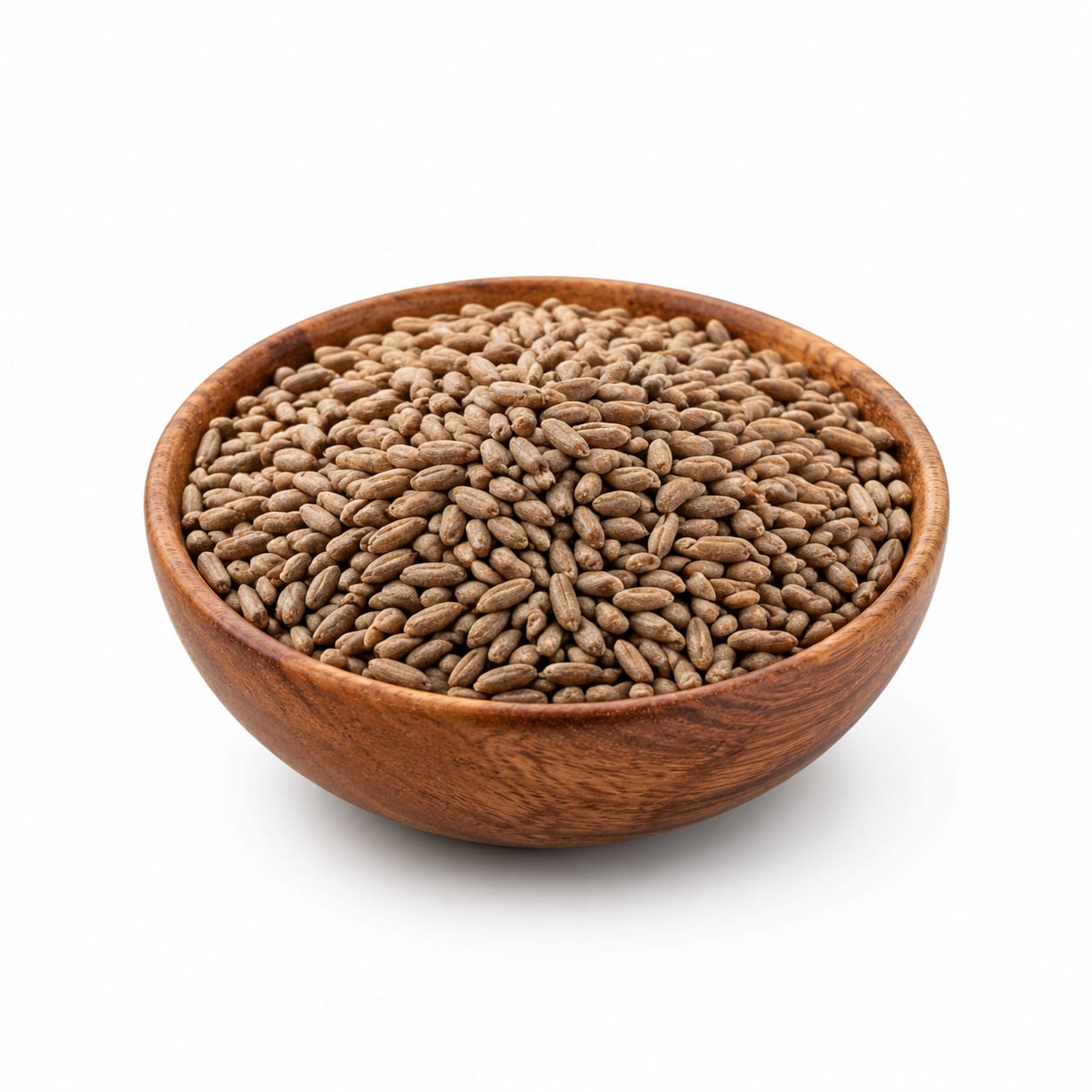
Rye
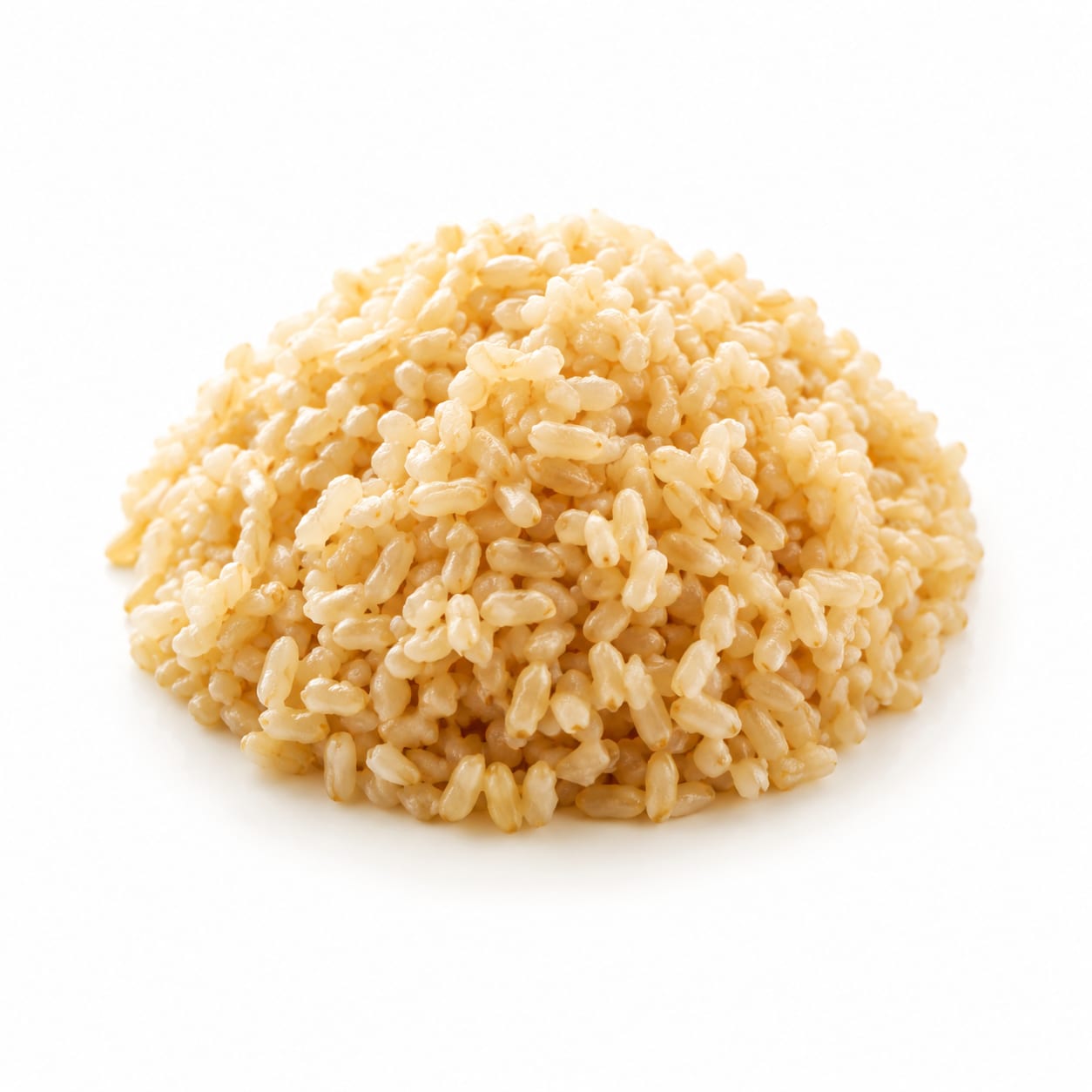
Brown Rice
Rye is the champion for steady energy and fullness, while Brown Rice is the safe haven for gluten-free diets and versatile meals.
Rye scores higher due to its exceptional fiber content and blood sugar benefits, but Brown Rice remains highly relevant for gluten-free needs, keeping the gap manageable.
You trade the superior blood sugar control and fiber of Rye for the digestive safety and culinary flexibility of Brown Rice.
At a glance
Executive summary
Overall
It depends
Healthier
Rye
More practical
Brown Rice
Daily use
It depends
Key comparison lenses
Blood sugar management
Rye is famous for its low glycemic impact, making it a critical differentiator against Brown Rice.
Gluten tolerance and gut health
Rye contains gluten while Brown Rice is naturally gluten-free, a major deciding factor for many.
Heavy metal exposure
Brown Rice tends to accumulate arsenic, a safety concern that Rye avoids.
Satiety and weight control
Rye's unique fiber makes it exceptionally filling, which directly impacts eating habits.
Best choice for
Rye
- People managing diabetes or insulin resistance
- Those wanting longer-lasting fullness between meals
- Anyone looking to increase daily fiber easily
Brown Rice
- People with celiac disease or gluten sensitivity
- Those eating dairy-free or vegan who need a neutral calorie base
- Anyone wanting an easy-digesting carb after stomach upset
Least suitable for
Rye
- People with celiac disease or severe gluten intolerance
- Those who dislike dense, earthy flavors
Brown Rice
- People strictly managing blood sugar spikes
- Those highly concerned about arsenic in their diet
Deep comparison
Dimension by dimension
Each lens scores both foods and breaks down who each option suits.
- Dimension 1 · Priority 95Rye
Blood Sugar Stability
Rye · 88Brown Rice · 65Rye causes a much slower and lower rise in blood sugar compared to Brown Rice.
Tradeoff
You get steadier energy with Rye, but you miss out on the quick carb replenishment that Brown Rice can offer after intense exercise.
Why it matters
Avoiding blood sugar spikes prevents that afternoon energy crash and reduces cravings later in the day.
Real-world impact
Eating Rye at lunch means you are far less likely to hit the vending machine at 3 PM.
Rye
- Preventing afternoon energy crashes
- Managing insulin resistance
Better for
- Situations requiring rapid energy replenishment
Worse for
Brown Rice
- Quick post-workout carb reloading
Better for
- Sitting at a desk all day without blood sugar swings
Worse for
- Dimension 2 · Priority 85Rye
Satiety and Fullness
Rye · 90Brown Rice · 70Rye is incredibly filling thanks to its unique soluble fiber, keeping hunger at bay for hours.
Tradeoff
Rye can feel heavy and dense in the stomach, while Brown Rice feels lighter and less bloating for some.
Why it matters
Staying full longer makes it effortlessly easier to eat less throughout the day without feeling deprived.
Real-world impact
A bowl of Rye porridge or rye bread sandwich will easily carry you to dinner, whereas Brown Rice might leave you hunting for a snack.
Rye
- Controlling portions without feeling hungry
- Long stretches between meals
Better for
- Those who prefer light, fluffy meals
Worse for
Brown Rice
- Eating before a workout when you need a lighter stomach
Better for
- Controlling late-night snacking urges
Worse for
- Dimension 3 · Priority 90Brown Rice
Digestive Tolerance and Allergens
Rye · 45Brown Rice · 92Brown Rice is naturally gluten-free and very gentle on the digestive tract, while Rye contains gluten.
Tradeoff
Choosing Brown Rice guarantees a safe meal for sensitive guts, but you sacrifice the metabolic benefits of Rye's fiber.
Why it matters
For anyone with celiac disease or gluten sensitivity, this is the ultimate dealbreaker.
Real-world impact
If you have gluten issues, eating Rye will cause bloating and discomfort, making Brown Rice the obvious stress-free choice.
Rye
- Feeding beneficial gut bacteria if you tolerate gluten well
Better for
- Anyone with celiac disease or non-celiac gluten sensitivity
Worse for
Brown Rice
- Avoiding gluten-induced inflammation
- Easing digestive distress
Better for
- Maximizing prebiotic fiber intake
Worse for
- Dimension 4 · Priority 80Rye
Safety and Contamination
Rye · 85Brown Rice · 55Brown Rice is known for accumulating arsenic from soil and water, whereas Rye carries minimal heavy metal risk.
Tradeoff
You avoid arsenic with Rye, but you must navigate the gluten content instead.
Why it matters
Long-term arsenic exposure is linked to heart disease and certain cancers, making it a hidden risk in daily rice consumption.
Real-world impact
If Brown Rice is your daily staple, you might be accumulating heavy metals, whereas rotating in Rye reduces that burden.
Rye
- Reducing daily heavy metal load
- Long-term cancer risk reduction
Better for
- People with extreme gluten allergies who cannot risk cross-contamination
Worse for
Brown Rice
- Avoiding wheat-family crop sensitivities
Better for
- Daily consumption in areas with high soil arsenic
Worse for
- Dimension 5 · Priority 70Brown Rice
Culinary Versatility
Rye · 60Brown Rice · 90Brown Rice is a blank canvas that absorbs flavors beautifully, while Rye has a strong, distinct earthy taste.
Tradeoff
Brown Rice fits seamlessly into almost any cuisine, whereas Rye works best in specific dishes like breads or porridge.
Why it matters
If a grain doesn't taste good in your favorite recipes, you won't eat it, no matter how healthy it is.
Real-world impact
You can toss Brown Rice into a stir-fry, curry, or bowl effortlessly, but Rye requires more deliberate meal planning.
Rye
- Hearty, savory breakfast bowls
- Robust bread baking
Better for
- Light, summery salads
- Asian-inspired dishes
Worse for
Brown Rice
- Stir-fries and curries
- Meal-prep grain bowls
Better for
- Baking dense, flavorful breads
Worse for
Timeline
Health impact over time
Short-term
Hours to days
Rye
- Prolonged fullness and reduced snacking
- Steady energy without a sugar crash
- Potential bloating if sensitive to gluten or high fiber
Brown Rice
- Quick, accessible energy
- Light feeling in the stomach
- Easy digestion for sensitive guts
Long-term
Months to years
Rye
- Better insulin sensitivity and diabetes prevention
- Improved heart health from soluble fiber
- Risk of nutrient malabsorption if undiagnosed celiac is present
Brown Rice
- Reliable gluten-free energy source
- Possible heavy metal accumulation if consumed excessively without rinsing
Risk profile
Safety & processing
Both Rye and Brown Rice are whole grains that require minimal processing to reach your plate, making them clean, natural choices.
Rye
Gluten reactivity
highRye contains gluten that triggers severe autoimmune responses in people with celiac disease.
Ergot fungus
lowModern farming practices have virtually eliminated this historical fungus risk from Rye.
Brown Rice
Arsenic contamination
mediumRice naturally absorbs more arsenic from soil and water than other grains, requiring rinsing and varied cooking methods to reduce.
Who wins for whom
Audience fit
Same foods, different winners depending on your goal.
children
Brown RiceBrown Rice is gluten-free, easy to digest, and has a mild flavor kids accept readily, though arsenic intake should be monitored.
daily consumption
It dependsRye is better for daily metabolic health, but Brown Rice is necessary for daily gluten-free living.
diabetes
RyeRye's low glycemic index and high viscous fiber make it far superior for keeping blood sugar stable.
elderly
RyeRye supports heart health and blood sugar regulation, which are critical concerns as we age, provided they tolerate gluten.
muscle gain
It dependsBoth provide similar moderate protein and quality carbs; the choice depends on whether you need a slower or faster energy release.
weight loss
RyeRye's exceptional fiber content keeps you satisfied for hours, naturally cutting down on overeating.
Your move
Decision guide
Choose Rye
- You want to avoid afternoon energy crashes and stay full longer
- You are focused on managing blood sugar or insulin levels
- You want to lower your exposure to heavy metals like arsenic
Choose Brown Rice
- You have celiac disease, gluten sensitivity, or a wheat allergy
- You need a neutral carb base for stir-fries, curries, or meal prep
- You prefer a lighter, fluffier texture in your meals
Either works if
- You are simply looking to eat more whole grains instead of refined ones
- You want to rotate your grain intake to diversify your fiber sources
Avoid both if
- You are on a strict ketogenic or very low-carb diet
- You have severe digestive issues that require temporarily eliminating all grains
Final recommendation
If you tolerate gluten, Rye is the stronger nutritional choice for steady energy and fullness. If you are gluten-free or need a versatile meal base, Brown Rice is a reliable staple—just cook it like pasta to cut down on arsenic.
Practical
Consumer tips
- 1
Cook Brown Rice in excess water (like pasta) and drain it to reduce arsenic levels by up to 50%.
- 2
Look for whole Rye berries or 100% whole grain rye flour to ensure you get the full fiber benefit, not refined rye.
- 3
If Rye's dense texture is too heavy, try mixing Rye flakes with oats for a more balanced breakfast porridge.
- 4
Rinsing Brown Rice thoroughly before cooking is a simple, effective step to lower heavy metal content.