
Nutrition comparison
Rye vs White Bread: Which Is Actually Better for You?
Rye bread dramatically outperforms white bread for blood sugar control, fullness, and long-term health. See the complete nutritional comparison and learn which to choose for your goals.
Overall winner · Rye
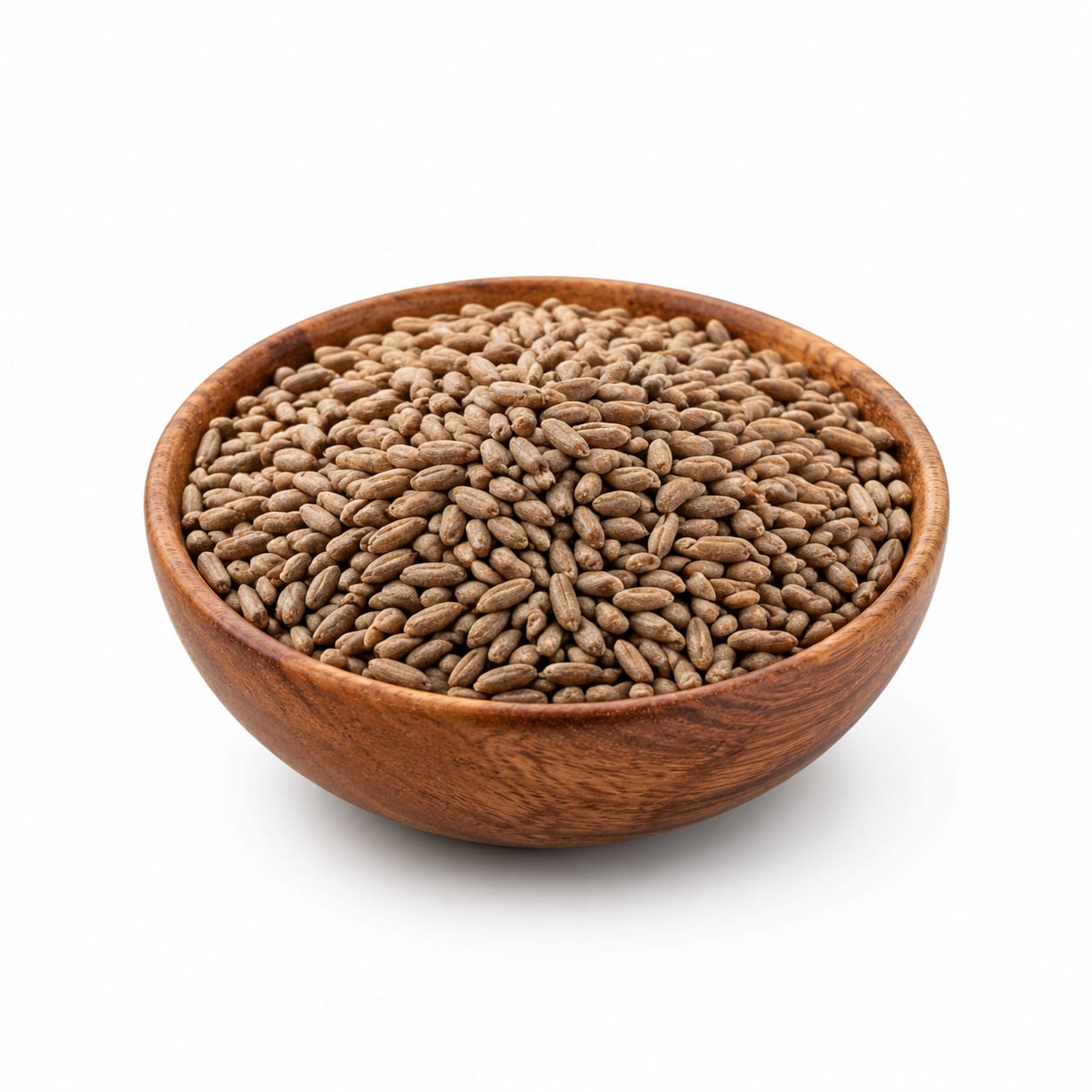
Rye
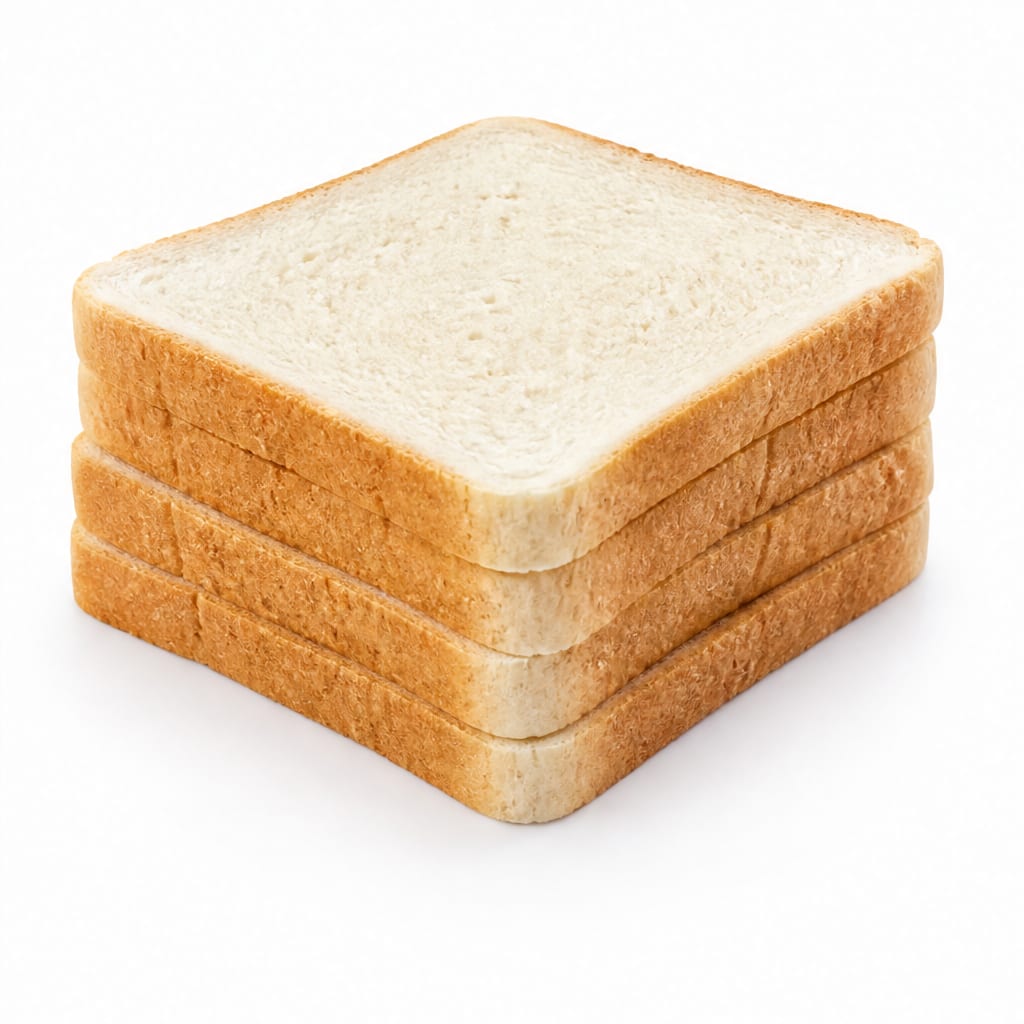
White Bread
Rye wins convincingly for health, but white bread remains easier to eat and more universally accepted, especially by kids.
Rye scores significantly higher due to superior fiber, blood sugar stability, and lower processing. White bread's main advantages are palatability and convenience, which matter but don't offset the health gap.
You trade softness and convenience for dramatically better blood sugar control, fullness, and long-term health.
At a glance
Executive summary
Overall
Rye
Healthier
Rye
More practical
White Bread
Daily use
Rye
Key comparison lenses
blood sugar management
The glycemic gap between rye and white bread is massive — this is the single most important reason people choose between them
weight management and satiety
Fiber density in rye keeps you full far longer, directly impacting how much you eat throughout the day
processing and ingredient quality
White bread is heavily refined with additives; rye varies but is typically closer to whole food
digestive health
Fiber and fermentation differences make this comparison relevant for gut health and regularity
everyday practicality and taste preference
White bread is softer and more familiar; rye is denser and more acquired — this affects long-term adherence
Best choice for
Rye
- People managing diabetes or prediabetes
- Anyone trying to stay full longer between meals
- Those prioritizing gut health and digestion
- Weight-conscious eaters who want fewer cravings
- People reducing ultra-processed food intake
White Bread
- Children who are picky about texture
- Anyone needing quick calories after intense exercise
- People with temporary digestive sensitivity needing bland food
- Those transitioning from no bread to healthier options
Least suitable for
Rye
- People with gluten sensitivity or celiac disease
- Those unaccustomed to dense, heavy bread textures
- Anyone needing rapid carbohydrate replenishment post-workout
White Bread
- People with insulin resistance or metabolic syndrome
- Anyone prone to afternoon energy crashes
- Those trying to reduce hunger and snacking
- People avoiding ultra-processed foods
Deep comparison
Dimension by dimension
Each lens scores both foods and breaks down who each option suits.
- Dimension 1 · Priority 95Rye
Blood Sugar Stability
Rye · 85White Bread · 20Rye causes a slow, steady rise in blood sugar. White bread spikes it fast and crashes it hard.
Tradeoff
White bread gives quick energy but leaves you hungry again within an hour. Rye delivers steadier fuel for hours.
Why it matters
Blood sugar spikes drive cravings, fatigue, and over time, insulin resistance. This is the most consequential difference between these two foods.
Real-world impact
A white bread sandwich at noon often means you're raiding the snack drawer by 2pm. A rye sandwich keeps you focused until dinner.
Rye
- Diabetics and prediabetics
- Office workers who need sustained focus
- Anyone tired of energy rollercoasters
Better for
- Moments requiring instant glucose
Worse for
White Bread
- Endurance athletes mid-race
- Hypoglycemic recovery moments
Better for
- Anyone with metabolic syndrome
- Late-night snacking that disrupts sleep
Worse for
- Dimension 2 · Priority 90Rye
Satiety and Fullness
Rye · 88White Bread · 25Rye is dramatically more filling. Its fiber and density slow digestion and signal fullness to your brain.
Tradeoff
You eat less rye naturally because it satisfies faster. White bread is easy to overeat because it never quite fills you up.
Why it matters
Satiety is the hidden driver of weight management. Foods that fail to fill you lead to excess calories without you noticing.
Real-world impact
Two slices of white bread disappear without satisfaction. Two slices of rye feel like an actual meal.
Rye
- Weight loss efforts
- People who snack too much between meals
- Anyone eating desk lunches
Better for
- Those who need to eat more but feel too full
Worse for
White Bread
- Underweight individuals needing easy calories
Better for
- Emotional eaters — easy to overconsume
- Portion control struggles
Worse for
- Dimension 3 · Priority 85Rye
Fiber and Digestive Health
Rye · 90White Bread · 10Rye delivers 3-5x more fiber than white bread, feeding gut bacteria and keeping digestion regular.
Tradeoff
If your body isn't used to fiber, rye can cause temporary bloating. White bread is gentler on an unadapted gut but offers zero digestive benefits.
Why it matters
Fiber isn't just about regularity — it feeds beneficial gut bacteria, reduces inflammation, and lowers disease risk long-term.
Real-world impact
Regular rye eaters tend to notice better digestion within a week. White bread eaters often need coffee just to stay regular.
Rye
- Anyone with sluggish digestion
- Gut microbiome optimization
- Long-term colon health
Better for
- Sudden fiber increase without adaptation
Worse for
White Bread
- Acute digestive upset recovery
- BRAT-style bland diet needs
Better for
- Chronic constipation sufferers
- Long-term gut health
Worse for
- Dimension 4 · Priority 80Rye
Processing and Ingredient Quality
Rye · 70White Bread · 20Genuine whole grain rye is minimally processed. White bread is refined flour stripped of nutrients, often with added preservatives and dough conditioners.
Tradeoff
Not all rye is equal — some commercial rye breads are refined with caramel coloring. Always check labels. White bread is consistently ultra-processed regardless of brand.
Why it matters
Ultra-processed foods are linked to obesity, heart disease, and shorter lifespan. The less processing, the better your body recognizes and uses the food.
Real-world impact
Reading the ingredient list on white bread often reveals 15+ items including preservatives. Real rye bread might have 5 ingredients you can actually pronounce.
Rye
- Clean eating goals
- Reducing additive exposure
- Whole food prioritization
Better for
- Fake rye breads with refined flour and coloring
Worse for
White Bread
- No realistic advantage in this category
Better for
- Anyone avoiding ultra-processed food
- Chemical sensitivity concerns
Worse for
- Dimension 5 · Priority 70White Bread
Taste and Everyday Enjoyment
Rye · 55White Bread · 80White bread is soft, familiar, and universally liked. Rye is denser, earthier, and more of an acquired taste.
Tradeoff
Enjoyment matters for sustainability. If you hate rye, you won't stick with it. But taste buds adapt — rye becomes enjoyable within weeks for most people.
Why it matters
The healthiest food only works if you actually eat it. Palatability is a legitimate factor in long-term dietary change.
Real-world impact
Kids usually reject rye at first. Adults often grow to prefer it once they notice how much better they feel after eating it.
Rye
- Adventurous eaters
- Those who enjoy hearty, savory flavors
- People motivated by feeling good after meals
Better for
- First-time switchers expecting white bread texture
Worse for
White Bread
- Picky eaters and children
- Comfort food moments
- Sandwiches where bread texture matters more than nutrition
Better for
- Anyone who finds bland food unsatisfying
Worse for
- Dimension 6 · Priority 75Rye
Nutrient Density
Rye · 75White Bread · 15Rye retains its bran and germ, delivering magnesium, iron, B vitamins, and antioxidants. White bread is mostly empty starch with synthetic vitamins sprayed back in.
Tradeoff
White bread is fortified, so it isn't zero-nutrient — but the nutrients are less bioavailable and less complete than what rye provides naturally.
Why it matters
Every calorie is an opportunity to nourish. Nutrient-dense foods reduce the need for supplements and protect against hidden deficiencies.
Real-world impact
Rye contributes meaningfully to your daily mineral intake. White bread fills you temporarily but contributes almost nothing nutritionally.
Rye
- Nutrient gap prevention
- Mineral intake support
- Antioxidant benefits
Better for
- Not a significant source of any single nutrient in isolation
Worse for
White Bread
- Folic acid from fortification during pregnancy
Better for
- Reliance on it as a staple creates broad nutrient gaps
Worse for
Timeline
Health impact over time
Short-term
Hours to days
Rye
- Steadier energy for 3-4 hours after eating
- Possible mild bloating if transitioning from low-fiber diet
- Better satiety reducing between-meal snacking
White Bread
- Quick energy spike within 30 minutes followed by a crash
- Hunger returning within 60-90 minutes
- Brain fog or fatigue in the afternoon if eaten at lunch
Long-term
Months to years
Rye
- Lower risk of type 2 diabetes due to improved insulin sensitivity
- Better cardiovascular markers from fiber and magnesium
- Healthier gut microbiome diversity from prebiotic fiber
- Easier weight maintenance without calorie counting
White Bread
- Increased risk of insulin resistance with regular consumption
- Higher likelihood of weight gain from chronic overconsumption
- Greater inflammatory marker elevation over years
- Potential contribution to fatty liver from refined carbohydrate load
Risk profile
Safety & processing
Whole grain rye bread is a relatively natural product with minimal additives. White bread is ultra-processed with refined flour, dough conditioners, preservatives like calcium propionate, and added sugars. The processing gap is one of the starkest differences between these two foods.
Rye
Gluten exposure
highRye contains gluten and is unsafe for those with celiac disease or gluten sensitivity. Not interchangeable with gluten-free alternatives.
Mold spoilage
mediumAuthentic rye bread without preservatives spoils faster than white bread. Store properly and consume within a few days.
White Bread
Potassium bromate exposure
mediumSome commercial white breads use potassium bromate as a dough conditioner, a possible carcinogen banned in many countries but still permitted in the US.
Calcium propionate sensitivity
lowCommon preservative in white bread linked to behavioral changes in some children and migraine triggers in sensitive adults.
Acrylamide formation
lowToasting white bread to a dark brown creates acrylamide, a probable carcinogen. Light toasting is safer.
Who wins for whom
Audience fit
Same foods, different winners depending on your goal.
children
It dependsWhite bread is more palatable and easier for kids to eat, but rye provides better nutrition. Gradually mixing both or using lighter rye varieties is a practical middle ground.
daily consumption
RyeDaily rye consumption supports long-term health with minimal downside. Daily white bread consumption gradually undermines metabolic health.
diabetes
RyeRye's low glycemic index and high fiber dramatically blunt blood sugar response. White bread is one of the worst choices for glycemic control.
elderly
RyeOlder adults benefit most from rye's fiber for digestion, magnesium for bone health, and blood sugar stability. Though those with dental issues may find white bread easier to chew.
muscle gain
White BreadWhite bread provides fast-digesting carbohydrates useful post-workout when rapid glycogen replenishment matters more than sustained energy.
weight loss
RyeRye's fiber and density naturally reduce total calorie intake by keeping you full longer. White bread's low satiety makes portion control nearly impossible.
Your move
Decision guide
Choose Rye
- You want steadier energy without afternoon crashes
- Blood sugar management is a priority for you
- You're trying to eat less without feeling hungry
- Gut health and digestion matter to you
- You want to reduce ultra-processed food in your diet
Choose White Bread
- You need quick carbs after intense exercise
- You're recovering from stomach illness and need bland food
- A child refuses anything else and some bread is better than no bread
- You're gradually transitioning to healthier bread and need a stepping stone
Either works if
- You only eat bread occasionally and the difference is minimal
- You're pairing with enough protein and fat to blunt any blood sugar spike
- Neither is a staple in your diet — just an occasional convenience
Avoid both if
- You have celiac disease or confirmed gluten intolerance
- You're following a strict low-carb or ketogenic protocol
- You're eliminating grains for autoimmune protocols
Final recommendation
Make rye your default bread. It's not even close nutritionally. If the taste or texture feels unfamiliar at first, try lighter rye varieties or toast it — most people adapt within two weeks and start preferring it. Save white bread for rare moments when nothing else works, not as a daily staple.
Practical
Consumer tips
- 1
Check the label: real rye bread should list whole rye flour as the first ingredient, not wheat flour with rye as an afterthought
- 2
Sourdough rye is the gold standard — fermentation lowers glycemic impact further and improves digestibility
- 3
If switching from white bread feels drastic, try pumpernickel or light rye first before moving to dense whole rye
- 4
Freeze rye bread in slices if you can't finish a loaf quickly — it toasts beautifully from frozen
- 5
Pair either bread with protein and healthy fat to slow digestion and reduce blood sugar impact
- 6
Avoid white bread with added high fructose corn syrup — check ingredients, as many mainstream brands include it
- 7
German and Scandinavian rye breads tend to be the most authentic and least processed options available