
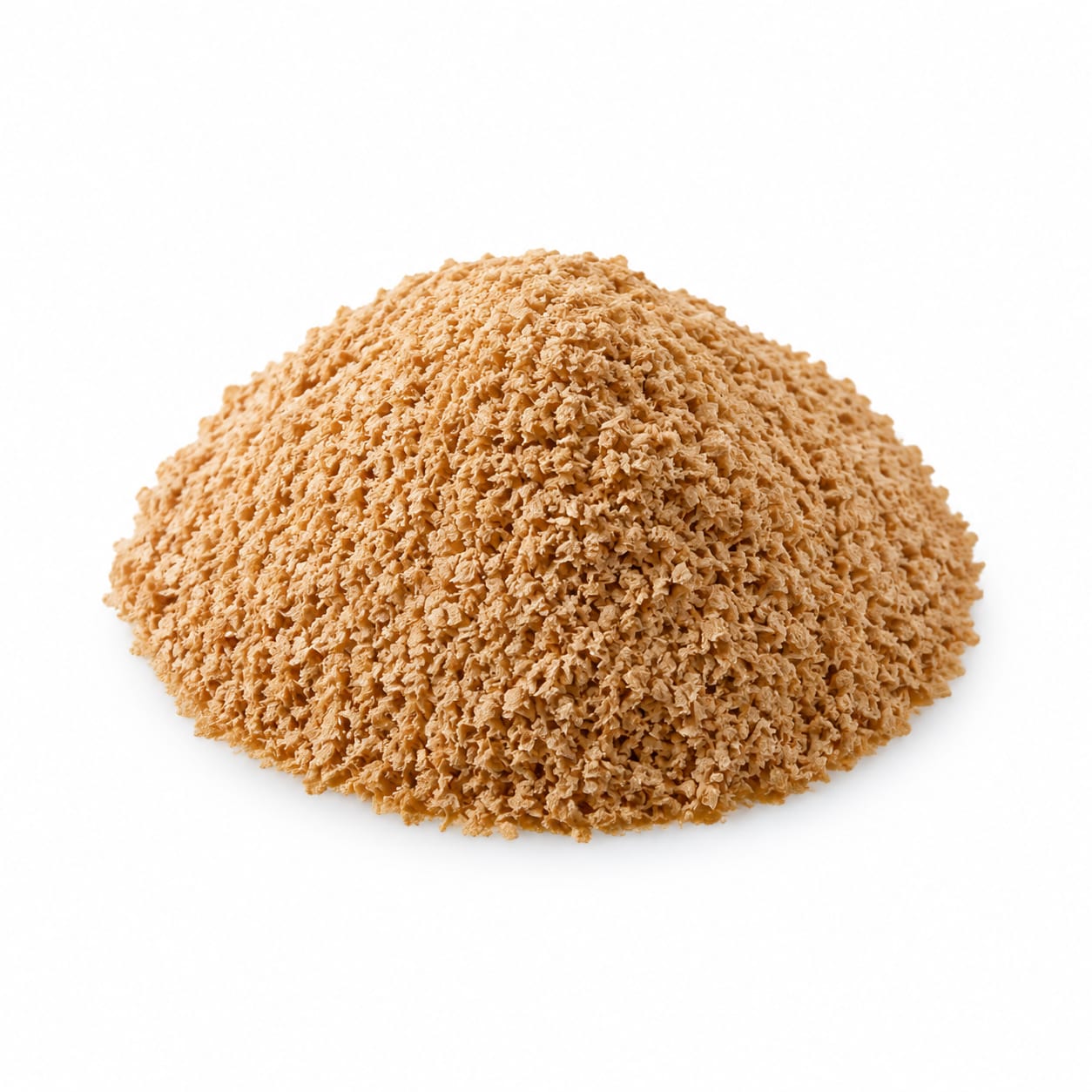
Whole Grain Fraction
Rice Bran
Rice bran is the fiber- and nutrient-rich outer coating of the rice kernel removed during milling.
Rice bran is the nutrient-dense outer layer of the rice grain, removed during the milling process to produce white rice. It is rich in fiber, healthy fats, and antioxidants, but requires stabilization to prevent rancidity.
high-fiber whole grain fraction
Typical serving · 30g
Common varieties · stabilized rice bran, defatted rice bran, raw rice bran, black rice bran, parboiled rice bran
Overall context score across nutrition, safety, and diet fit
At a glance
Quick facts
Simple indicators based on nutrition, processing, and diet fit.
The story
What makes it unique
Rice bran digests moderately slowly due to its high dietary fiber and fat content, which delays gastric emptying and promotes extended satiety. Its macronutrient profile features a balance of complex carbohydrates, unsaturated fats, and plant protein. Processing requires heat stabilization to deactivate endogenous lipase enzymes, preventing rapid oxidative rancidity.
Varieties: stabilized rice bran · defatted rice bran · raw rice bran · black rice bran · parboiled rice bran
Per 100g
Nutrition breakdown
Macro balance and key metrics at a glance.
Energy
Density 3.16 kcal/g
Protein
Carbs
Fat
Fiber
Sugar
1.2 g
Sodium
5 mg
Potassium
1480 mg
Glycemic index
55
Glycemic load
16
Water content
7%
Standout compounds
Nutrient highlights
Dietary Fiber
highPromotes regular bowel movements and feeds beneficial gut bacteria
Gamma-oryzanol
highAntioxidant that supports heart health and may reduce cholesterol absorption
Magnesium
moderateEssential for muscle function, nerve signaling, and blood glucose control
B Vitamins
moderateSupports energy metabolism and neurological function
Wellness map
Health scores & processing
NOVA processing scale
minimally processed · Whole food
Stabilized rice bran undergoes mild heat treatment to deactivate lipase enzymes and prevent rancidity, preserving its natural nutrient profile without adding artificial substances.
Diet compatibility
- Weight loss
- Muscle gain
- Diabetes
- Gut health
- Low carb
- High protein
- Heart health
Relative standing
Food rankings
Qualitative ranks compared to similar whole foods.
- Satietyexcellent
- Blood sugargood
- Nutrient densityexcellent
- Fitness fuelmoderate
- Processing qualitygood
Eat with confidence
Food safety profile
As the outer layer of the grain, rice bran naturally accumulates environmental contaminants like arsenic and pesticide residues at higher levels than white rice. Choosing organic or sourced from regions with lower arsenic levels reduces risk.
Evidence confidence 85%
- Pesticideshigh
- Antibioticslow
- Heavy metalsmoderate
- Contaminationmoderate
Watch for
- inorganic arsenic
- pesticide residues
- mycotoxins
Safer choices
Organic stabilized rice bran, or rice bran sourced from regions known to have lower soil arsenic levels (e.g., California, India).
Prep tips
Rice bran cannot be washed without losing its powdery texture; sourcing clean products is the primary safety strategy. Always store in an airtight container in the fridge or freezer to prevent rancidity.
Rice bran concentrates arsenic and pesticide residues present in the outer husk of conventionally grown rice. Regulatory agencies monitor inorganic arsenic levels in rice products.
Deep dive
Health analysis
How this food may fit different goals and preparation choices.
Weight loss
High fiber and fat content significantly increase satiety, though its high energy density requires mindful portion control to avoid overconsuming calories.
Blood sugar
The substantial fiber and fat matrix slows carbohydrate digestion, resulting in a moderate glycemic response that helps stabilize blood glucose levels.
Fitness & energy
Provides a slow-releasing source of complex carbohydrates and fats, making it better for sustained endurance activities than rapid post-workout recovery.
Gut health
An excellent source of insoluble and soluble fiber that feeds beneficial gut bacteria and promotes regular bowel movements.
Processing quality
Heat stabilization is necessary to prevent rancidity but retains the natural matrix of vitamins, minerals, and antioxidants.
Food safety
The outer bran layer concentrates inorganic arsenic and agricultural chemicals; prioritizing organic or tested sources is highly recommended.
Common mistakes
Consuming raw or unstabilized rice bran which quickly turns rancid, or over-consuming it leading to excessive calorie and potential arsenic intake.
Best preparation
Stir into oatmeal, blend into smoothies, or mix into baked goods. Must be stabilized prior to purchase and kept cool.
Practical guide
Best use cases
When and how this food fits real eating patterns.
Smoothie fiber booster
Adding a tablespoon of rice bran to a smoothie increases fiber and healthy fats without altering the flavor significantly.
Oatmeal mix-in
Stirring rice bran into morning oatmeal enhances the nutrient density, adds a nutty flavor, and prolongs satiety.
High-fiber baking
Substituting a portion of flour with rice bran in muffins or breads boosts the fiber and fat content for a more filling baked good.
Balance sheet
Pros & cons
Upsides
- Exceptionally high in dietary fiber for gut health
- Rich in unique antioxidants like gamma-oryzanol
- Contains healthy unsaturated fats
- Adds significant satiety to meals
- Mild flavor that integrates easily into recipes
Trade-offs
- Concentrates inorganic arsenic from the rice grain
- High in calories and easy to overconsume
- Unstabilized forms go rancid very quickly
- Not suitable for strict low-carb or keto diets
- Can cause bloating if introduced too quickly into the diet
Fit check
Who is it for?
Great match
- increasing daily fiber intake
- constipation relief
- heart-healthy diets
- endurance athletes seeking sustained energy
- blood sugar management
Consider alternatives
- strict ketogenic diets
- low-calorie portion-controlled diets
- those with severe rice allergies
- individuals minimizing heavy metal exposure
Side by side
How it compares
Open the full head-to-head analysis for nutrition, safety, and practical tradeoffs.
This food
Rice Bran
VS90% alike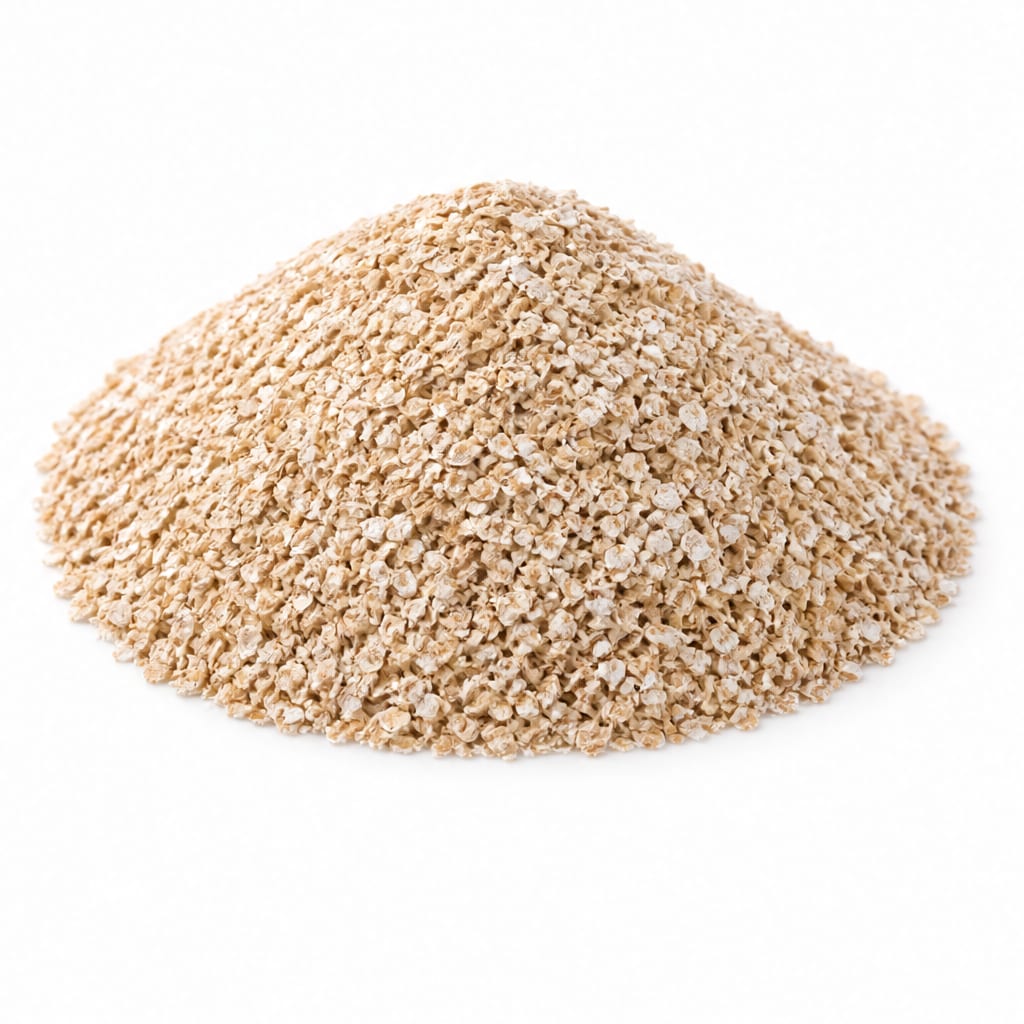
Compare with
Oat Bran
Oat bran is lower in fat and calories but higher in soluble beta-glucan fiber, while rice bran offers more unsaturated fats and unique antioxidants but carries an arsenic risk.
Oat bran is better for low-calorie diets and blood sugar control, while rice bran provides more healthy fats and a stronger satiety effect.
This food
Rice Bran
VS85% alike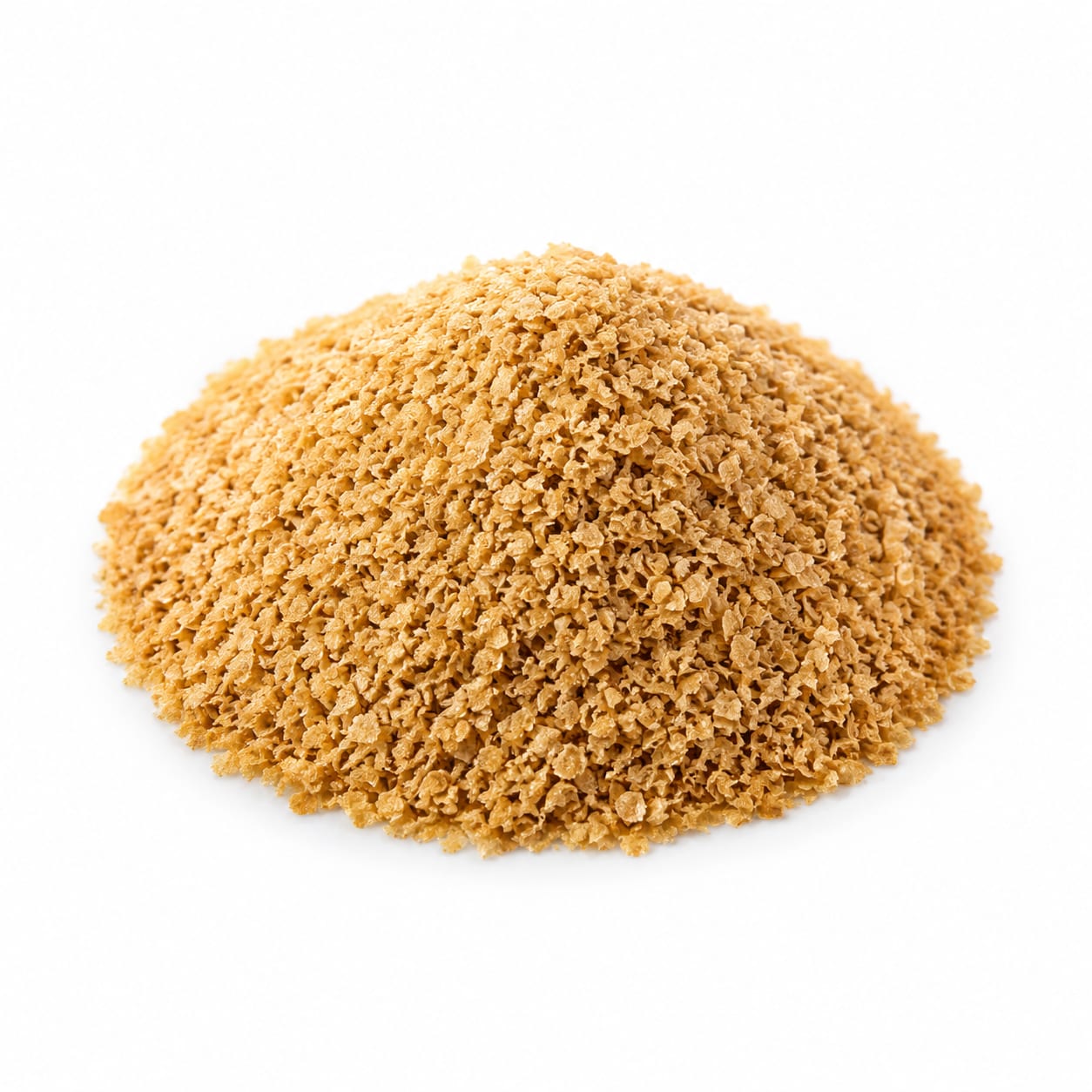
Compare with
Wheat Germ
Wheat germ is higher in protein and vitamin E, whereas rice bran is much higher in dietary fiber and healthy fats.
Rice bran offers more fiber and fat for fullness and blood sugar control, while wheat germ provides more protein and vitamin E for muscle recovery.
This food
Rice Bran
VS80% alike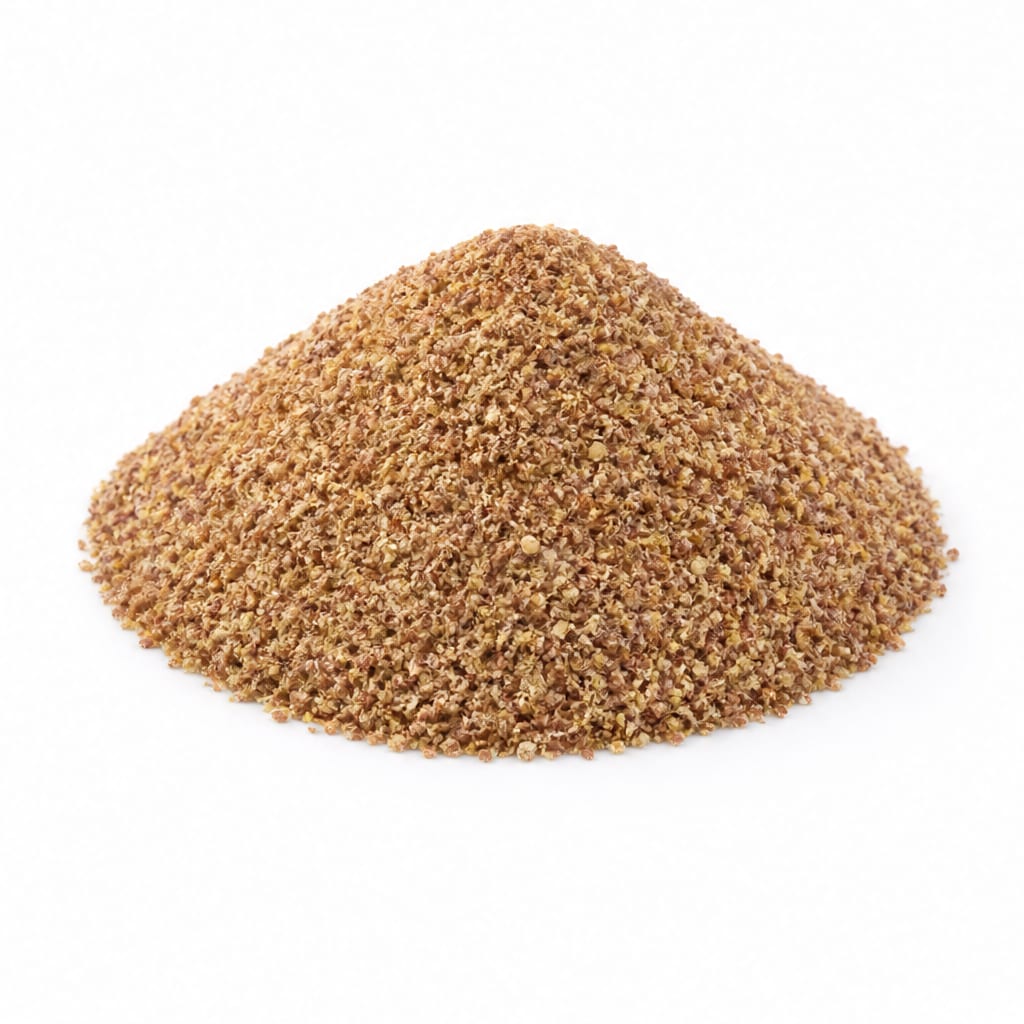
Compare with
Flaxseed Meal
Flaxseed meal is much lower in carbohydrates and rich in omega-3s, making it better for low-carb diets, while rice bran offers more complex carbs and a lighter texture.
Flaxseed meal is lower in carbs and richer in omega-3s, while rice bran provides more complex carbohydrates and a milder taste for baking.
This food
Rice Bran
VS75% alike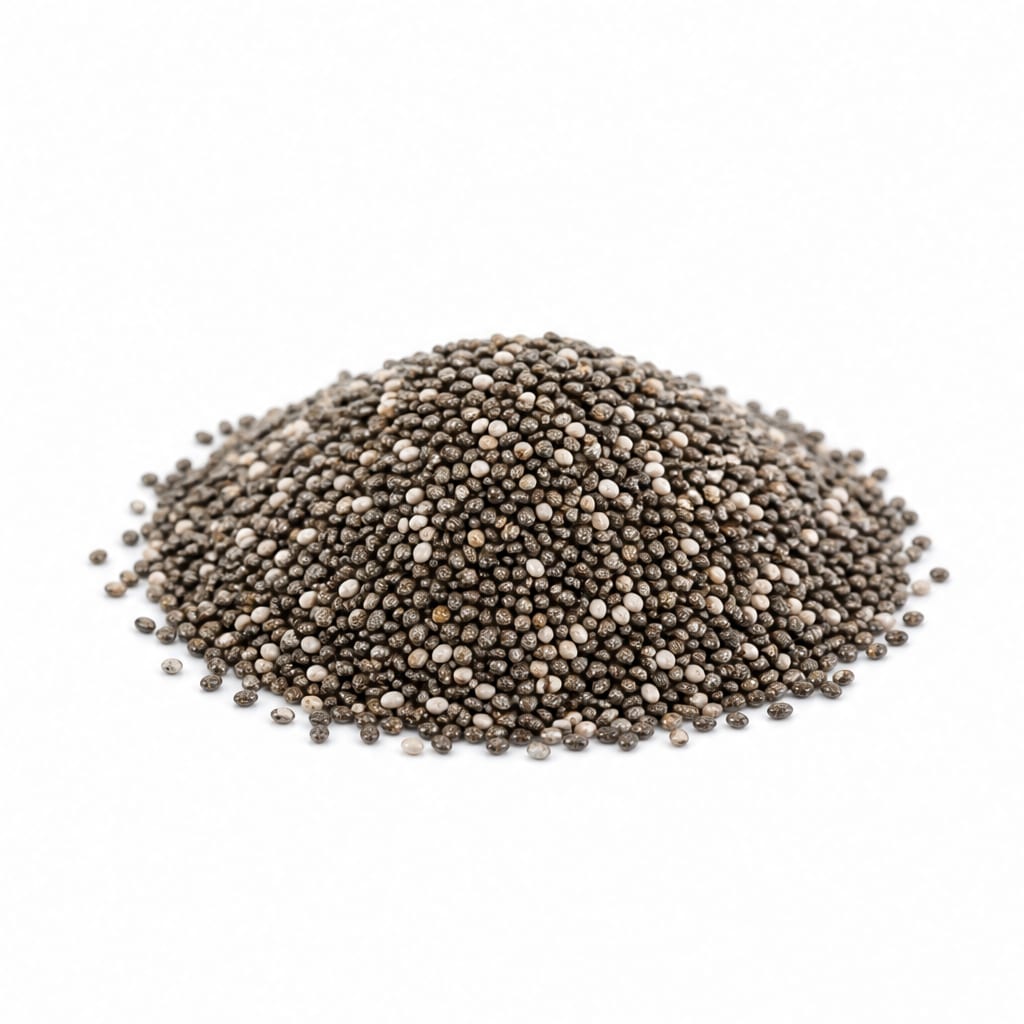
Compare with
Chia Seeds
Chia seeds provide soluble fiber and omega-3s with very low net carbs, whereas rice bran offers insoluble fiber and gamma-oryzanol but with more digestible carbohydrates.
Chia seeds win for blood sugar control and low-carb diets due to their omega-3s and soluble fiber, while rice bran offers a lighter, less gelatinous texture.
This food
Rice Bran
VS70% alike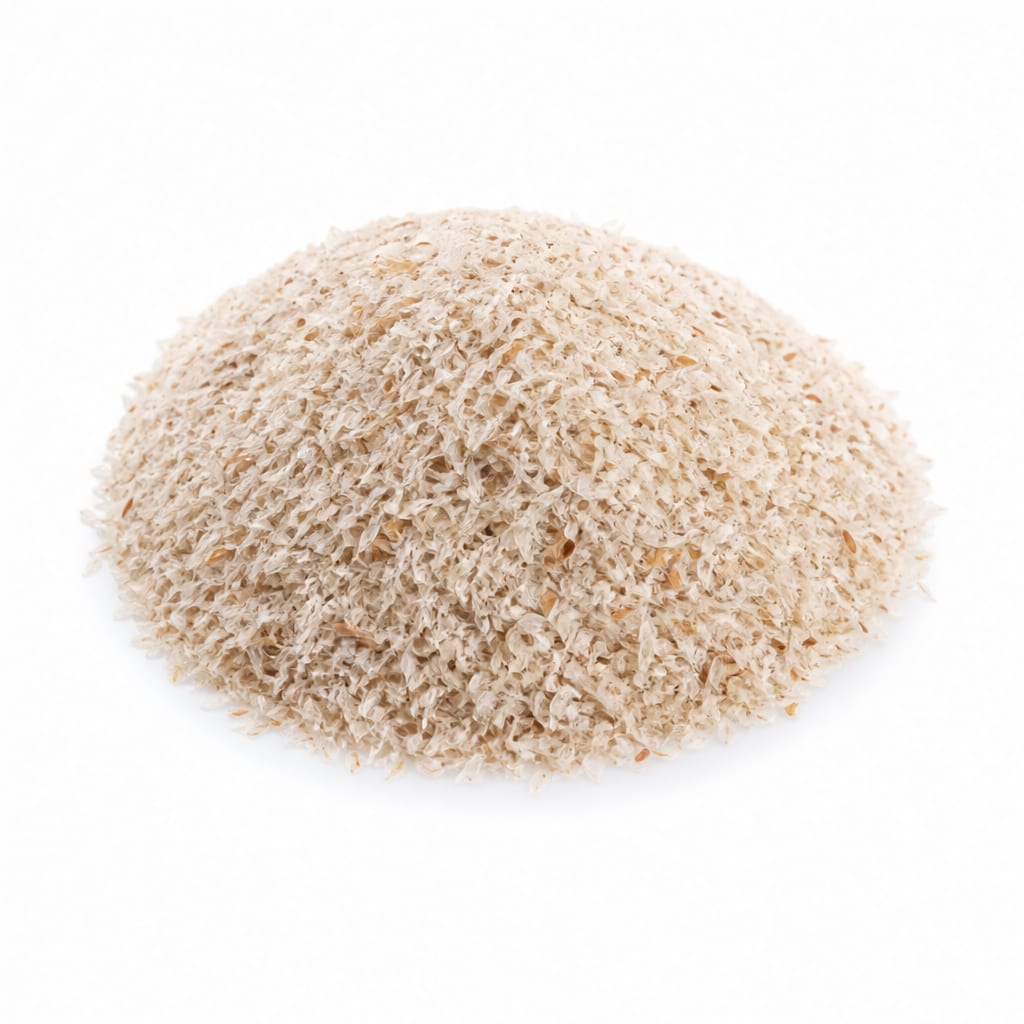
Compare with
Psyllium Husk
Psyllium is almost entirely soluble fiber with minimal calories or fat, whereas rice bran provides a balance of macronutrients and calories.
Psyllium husk is a pure fiber supplement with almost no calories, while rice bran is a whole-food source of fats and carbs that provides actual energy.
This food
Rice Bran
VS65% alike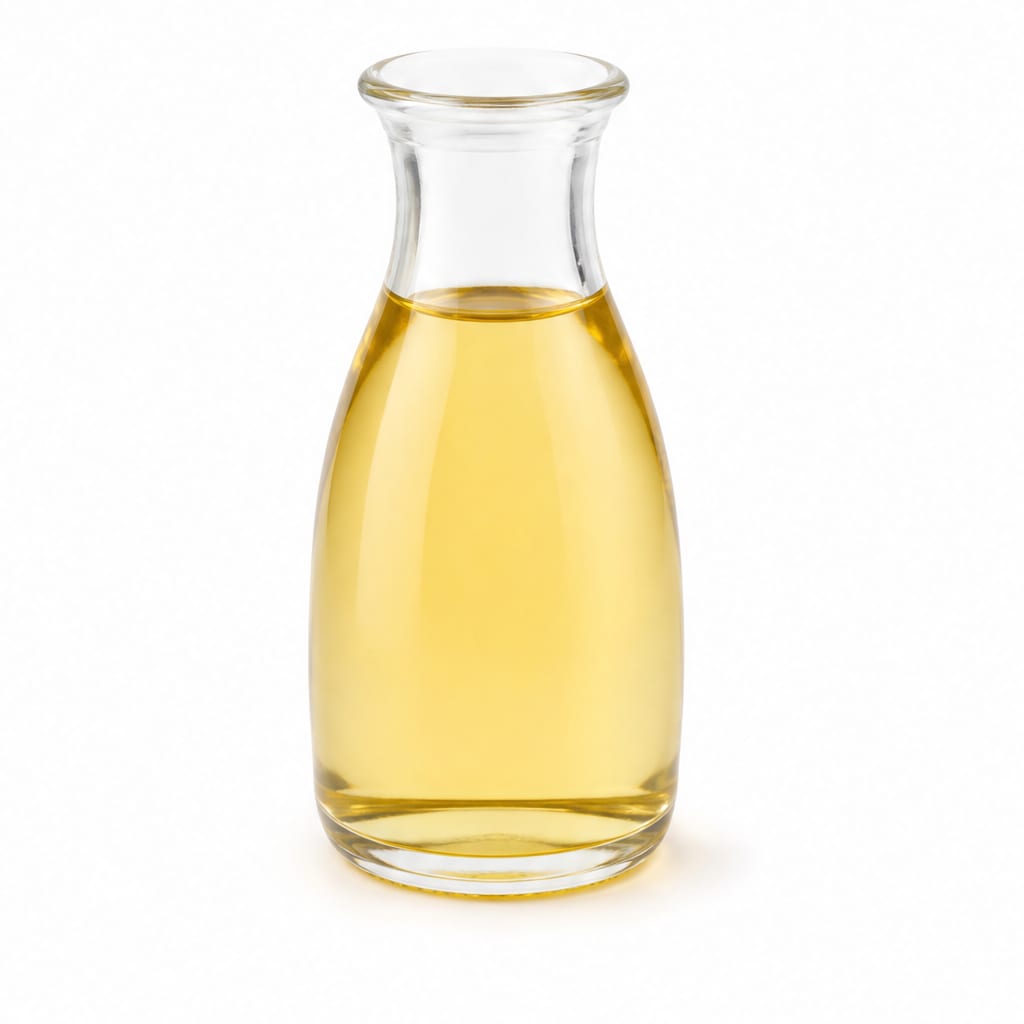
Compare with
Rice Bran Oil
Rice bran oil extracts the healthy fats and antioxidants like gamma-oryzanol but removes all fiber and carbohydrates, whereas the whole bran retains the fiber.
Rice bran provides filling fiber and complex carbs, while rice bran oil delivers concentrated healthy fats and antioxidants for high-heat cooking.
This food
Rice Bran
VS60% alike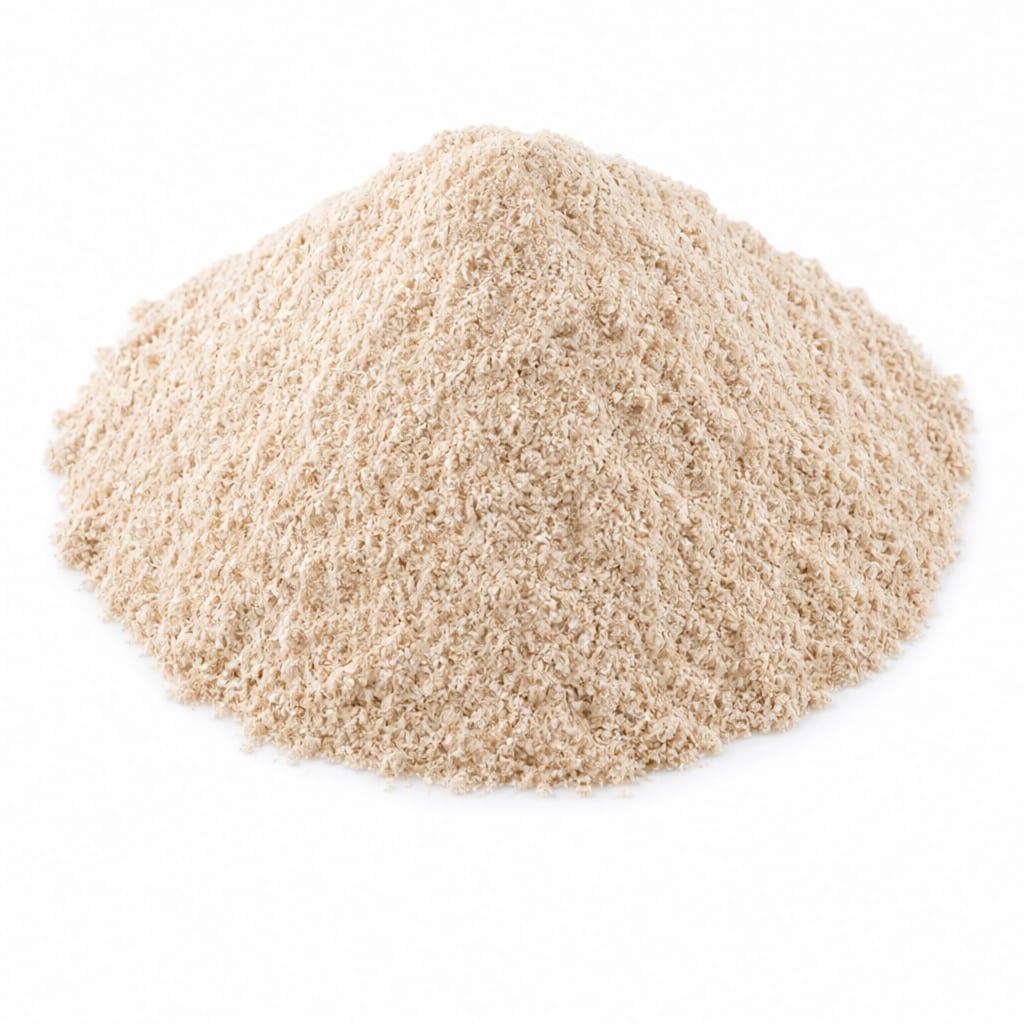
Compare with
Whole Wheat Flour
Whole wheat flour is higher in protein and acts as a structural base for baking, while rice bran is a fiber and fat booster meant to be added in smaller quantities.
Whole wheat flour provides baking structure and protein, while rice bran is a nutrient-dense add-in that boosts fiber, fat, and satiety.
This food
Rice Bran
VS55% alike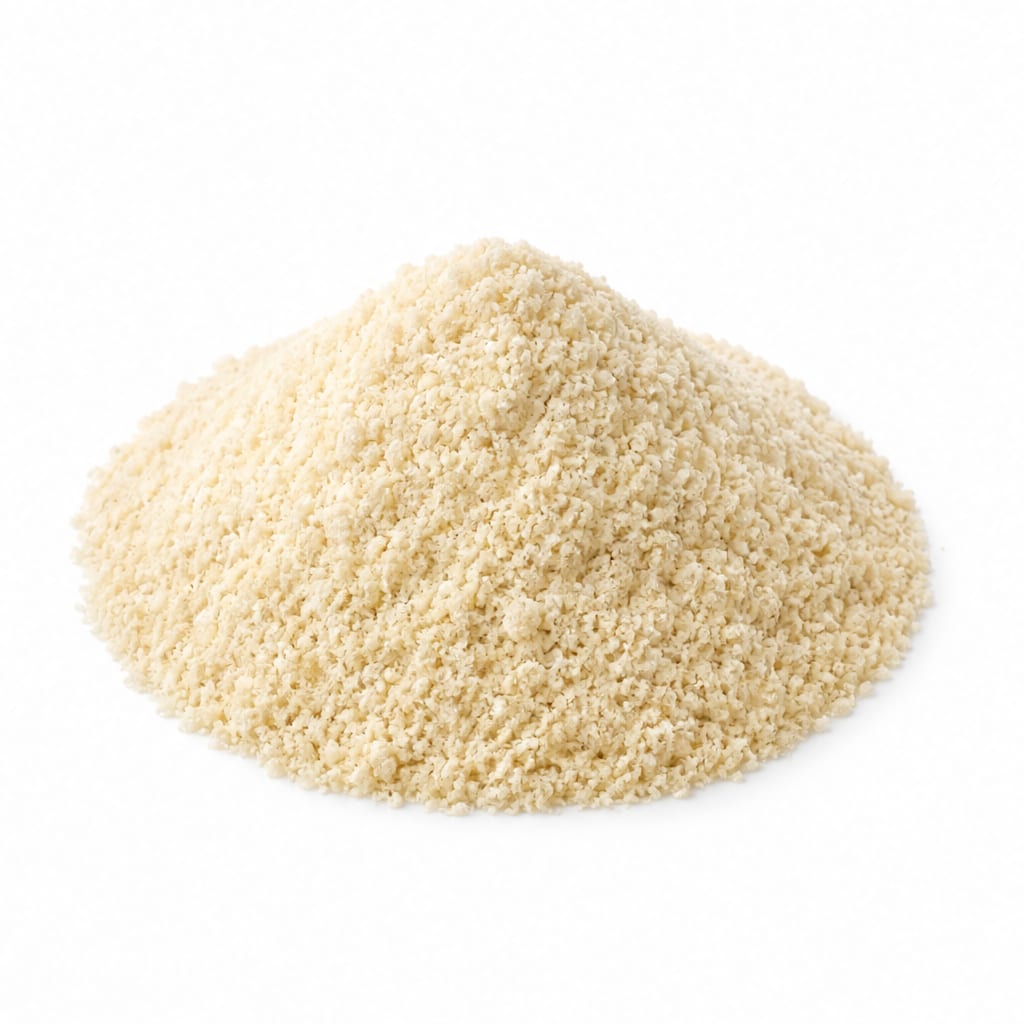
Compare with
Almond Flour
Almond flour is much lower in carbs and higher in protein and vitamin E, fitting keto diets, while rice bran is higher in complex carbs and fiber.
Almond flour is superior for low-carb and keto baking, whereas rice bran offers more dietary fiber and complex carbohydrates for sustained energy.
This food
Rice Bran
VS50% alike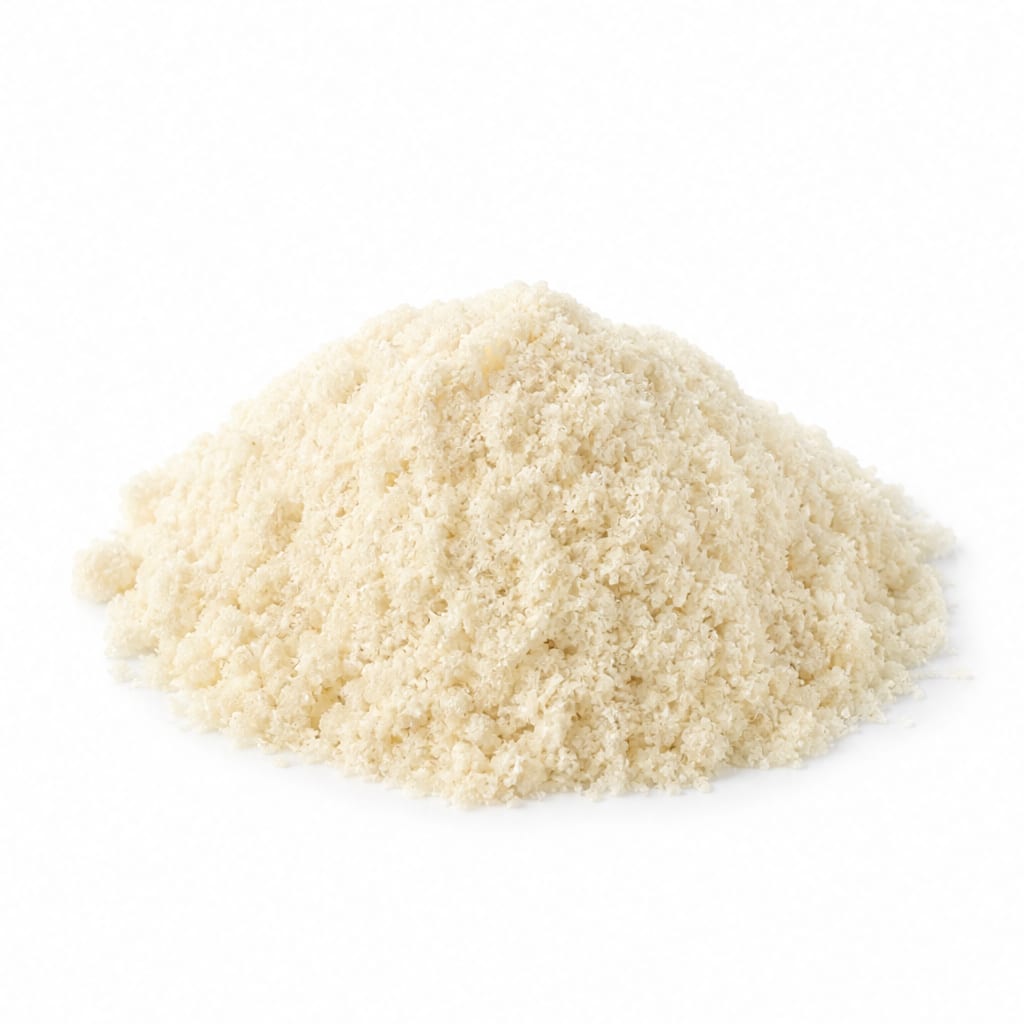
Compare with
Coconut Flour
Coconut flour is extremely high in fiber and very low in net carbs, absorbing large amounts of liquid, while rice bran has a more balanced macronutrient profile and behaves more like a standard mix-in.
Coconut flour is better for ultra-low-carb diets and absorbs heavy moisture, while rice bran provides a balanced mix of fats, carbs, and fiber for easier recipe integration.
This food
Rice Bran
VS45% alike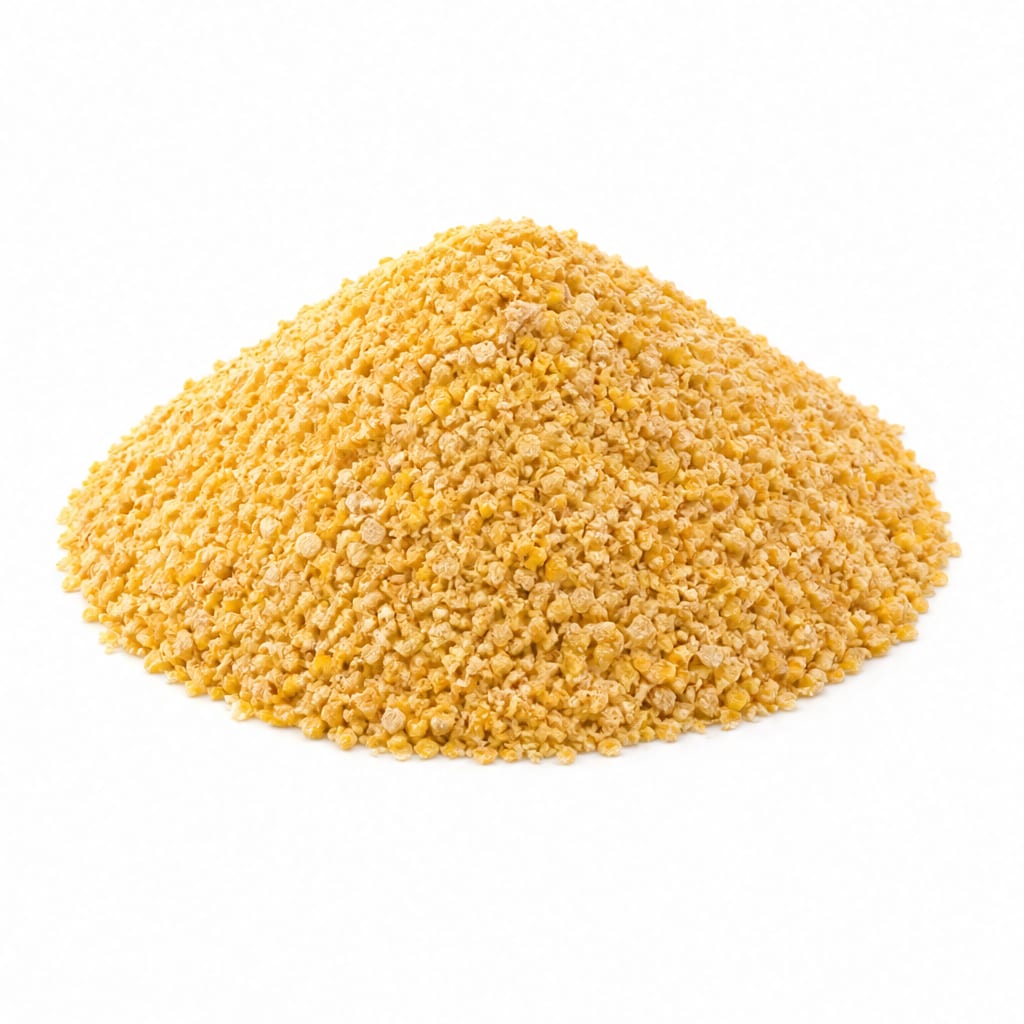
Compare with
Corn Bran
Corn bran is almost entirely insoluble fiber with minimal fat or protein, whereas rice bran offers a richer profile of fats, proteins, and antioxidants.
Corn bran is a nearly calorie-free pure fiber additive, while rice bran provides actual macronutrients, healthy fats, and antioxidants alongside its fiber content.
Common questions
FAQ
Answers aligned with how people search for this food.
Is rice bran good for weight loss?
Yes, rice bran is good for weight loss because its high fiber and fat content increase satiety and keep you full longer. However, it is calorie-dense, so portion control is necessary.
Does rice bran contain arsenic?
Yes, rice bran contains higher concentrations of inorganic arsenic than white rice because arsenic accumulates in the outer bran layer. Sourcing organic rice bran or brands testing for arsenic is recommended.
What is stabilized rice bran?
Stabilized rice bran is raw rice bran that has undergone a brief heat treatment to deactivate natural lipase enzymes. This prevents the oils from going rancid, extending the shelf life from days to over a year.
Can diabetics eat rice bran?
Yes, rice bran has a moderate glycemic index and its high fiber content slows glucose absorption, making it a blood-sugar-friendly addition to meals when portioned correctly.
How much rice bran should I eat per day?
A typical serving is 1 to 2 tablespoons (10-20 grams) per day. Starting with a small amount prevents sudden digestive upset from the high fiber content.
Is rice bran keto-friendly?
No, rice bran is not strictly keto-friendly as it contains roughly 29 grams of net carbs per 100 grams. It can only be used in very small quantities on a low-carb diet.
Does rice bran go bad quickly?
Unstabilized rice bran goes rancid very quickly, often within a few days at room temperature. Stabilized rice bran lasts much longer but should still be stored in a cool, dark place or refrigerated after opening.
What does rice bran taste like?
Rice bran has a mild, nutty, and slightly earthy flavor that blends well into smoothies, oatmeal, and baked goods without overpowering other ingredients.
Transparency
Data confidence
Estimated confidence for nutrition data, interpretation, safety notes, and comparisons.
Nutrition data
Health analysis
Food safety
Comparisons