
Nutrition comparison
Rice Bran vs Psyllium Husk: Which Fiber Source Is Right for You?
Compare Rice Bran and Psyllium Husk for digestion, cholesterol, blood sugar, and weight management. Learn which fiber supplement fits your health goals best.
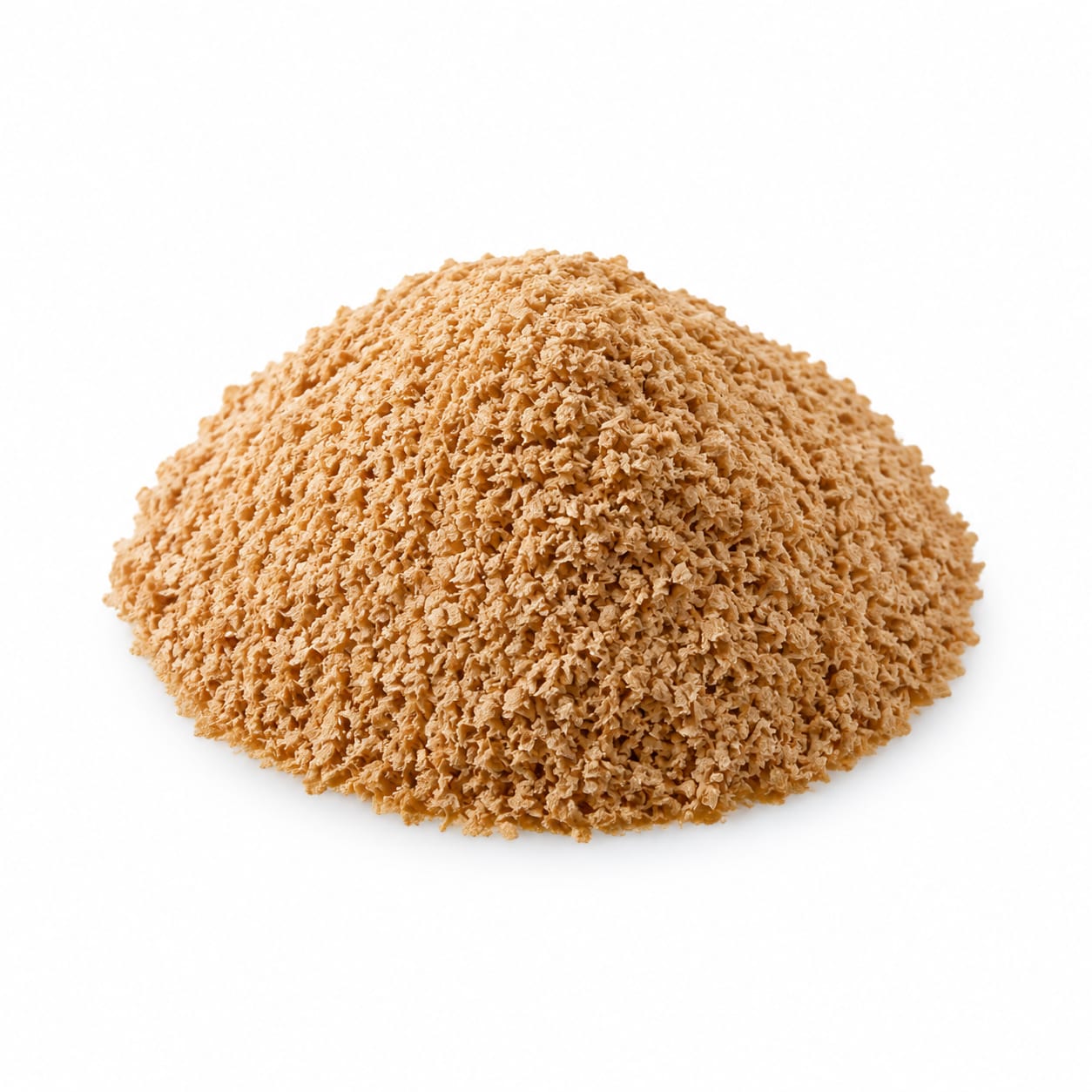
Rice Bran
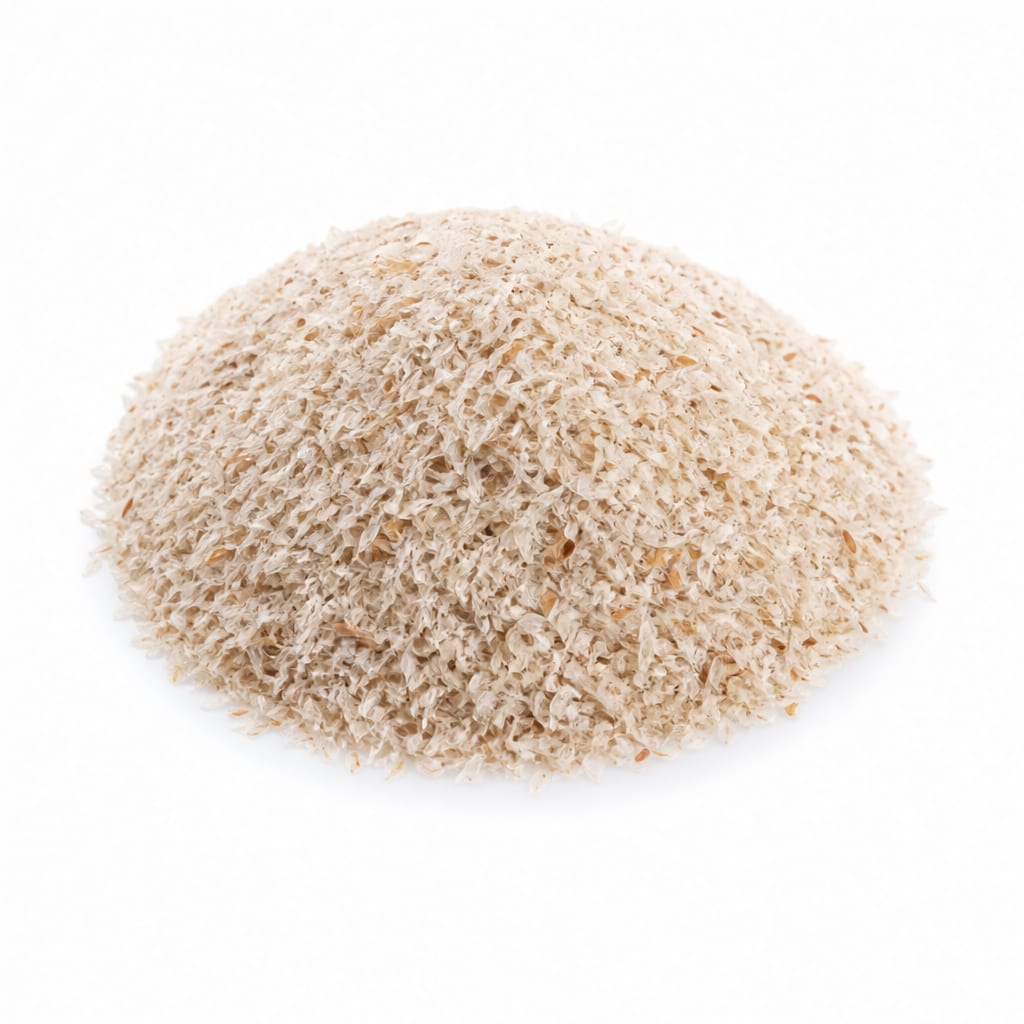
Psyllium Husk
Rice Bran is a nutrient-dense food with broad benefits; Psyllium Husk is a targeted fiber tool. They serve different purposes despite both being fiber sources.
Rice Bran scores slightly higher due to broader nutritional value, but Psyllium Husk is more effective for its primary purpose — targeted fiber supplementation. The close scores reflect that neither is universally better; it depends entirely on your goal.
Nutritional richness versus fiber potency — Rice Bran feeds your whole body, Psyllium Husk focuses on your gut and heart
At a glance
Executive summary
Overall
It depends
Healthier
It depends
More practical
Rice Bran
Daily use
Psyllium Husk
Key comparison lenses
digestive health and regularity
Both are primarily used for gut health and fiber supplementation, making this the core reason users compare them
cholesterol management
Psyllium Husk is clinically proven for cholesterol lowering, while Rice Bran offers oryzanol — users want to know which works better
nutritional value beyond fiber
Rice Bran carries significant micronutrients and healthy fats; Psyllium is almost pure fiber — a major differentiator
weight management and satiety
Both are used in weight management contexts but through different mechanisms
blood sugar control
Soluble fiber content in both affects glucose response, relevant for diabetic or prediabetic users
safety and contamination concerns
Rice products carry arsenic risk; Psyllium carries choking risk if misused — both have real safety considerations
Best choice for
Rice Bran
- People wanting a nutrient-dense fiber source with healthy fats and antioxidants
- Those looking to add nutrition to smoothies, baking, or meals rather than taking a supplement
- Anyone seeking oryzanol and vitamin E for anti-inflammatory benefits
- Individuals who want fiber plus minerals like magnesium and zinc
Psyllium Husk
- People with chronic constipation needing reliable, predictable relief
- Those clinically managing high cholesterol who want an evidence-backed soluble fiber supplement
- Anyone counting calories who wants fiber with near-zero caloric cost
- People who want a pure fiber supplement without additional fats or calories
Least suitable for
Rice Bran
- People avoiding rice-based products due to arsenic concerns
- Those on very low-fat diets who want to avoid the fat content in Rice Bran
- Anyone wanting a calorie-free fiber supplement
- People with severe constipation who need the gel-forming power of pure soluble fiber
Psyllium Husk
- Anyone who struggles to drink enough water throughout the day
- People wanting nutritional value beyond fiber from their supplement
- Those who find the texture of Psyllium Husk unpleasant or difficult to consume
- Children or elderly who may be at higher choking risk if not carefully supervised
Deep comparison
Dimension by dimension
Each lens scores both foods and breaks down who each option suits.
- Dimension 1 · Priority 95Psyllium Husk
Fiber Potency and Digestive Effectiveness
Rice Bran · 62Psyllium Husk · 92Psyllium Husk delivers far more soluble fiber per gram and forms the gel-like consistency that makes it uniquely effective for constipation and bowel regularity.
Tradeoff
Rice Bran offers a gentler, more balanced fiber mix but cannot match Psyllium's sheer bulking and stool-softening power
Why it matters
If you are specifically trying to resolve constipation or improve bowel regularity, Psyllium Husk works faster and more predictably
Real-world impact
Most people notice Psyllium's effect within 24-48 hours. Rice Bran supports healthy digestion over time but is less dramatic.
Rice Bran
- Maintaining general digestive health without dramatic changes
- People with sensitive systems who find Psyllium causes bloating
Better for
- Severe constipation that needs immediate resolution
Worse for
Psyllium Husk
- Chronic constipation relief
- Establishing daily regularity quickly
- IBS-C management under medical guidance
Better for
- Anyone not drinking enough water — can worsen constipation
Worse for
- Dimension 2 · Priority 88Rice Bran
Nutritional Density Beyond Fiber
Rice Bran · 91Psyllium Husk · 15Rice Bran is genuinely nutrient-dense with B vitamins, vitamin E, minerals, healthy fats, and antioxidants. Psyllium Husk is essentially pure fiber with negligible other nutrition.
Tradeoff
You get a multivitamin-like benefit from Rice Bran but at the cost of calories and fat; Psyllium gives you nothing except fiber
Why it matters
If you are already eating a nutrient-poor diet, Rice Bran adds real nutritional value beyond just fiber
Real-world impact
Adding Rice Bran to a smoothie boosts your magnesium, zinc, and vitamin E intake. Adding Psyllium only adds fiber.
Rice Bran
- Nutritional insurance alongside fiber
- People who want whole-food nutrition rather than isolated supplements
- Getting oryzanol and tocotrienols for antioxidant benefits
Better for
- People who assume all the benefit is from fiber alone
Worse for
Psyllium Husk
- Those who already take a multivitamin and only need fiber
- Anyone wanting to avoid additional fat or calorie intake
Better for
- Anyone relying on it as a nutritional supplement beyond fiber
Worse for
- Dimension 3 · Priority 85Psyllium Husk
Cholesterol and Heart Health
Rice Bran · 68Psyllium Husk · 88Psyllium Husk has stronger clinical evidence for LDL cholesterol reduction. Rice Bran helps through oryzanol and fiber but the evidence is less robust.
Tradeoff
Psyllium is the cardiologist's choice for cholesterol; Rice Bran offers broader cardiovascular support through antioxidants and healthy fats
Why it matters
If your doctor recommended fiber for cholesterol, Psyllium is the one with FDA-approved health claims
Real-world impact
Studies show Psyllium can reduce LDL cholesterol by 5-10% with consistent daily use. Rice Bran's effect is real but smaller and less predictable.
Rice Bran
- People wanting multi-pathway cardiovascular support including antioxidants
- Those who prefer food-based approaches over supplement-based ones
Better for
- Anyone needing the most proven cholesterol-lowering fiber option
Worse for
Psyllium Husk
- Clinically elevated LDL cholesterol requiring targeted intervention
- Post-heart attack or stroke prevention protocols
Better for
- People who dislike taking supplements and prefer food-based solutions
Worse for
- Dimension 4 · Priority 78Psyllium Husk
Blood Sugar Stability
Rice Bran · 65Psyllium Husk · 82Psyllium's viscous soluble fiber slows glucose absorption more effectively than Rice Bran's mixed fiber profile.
Tradeoff
Rice Bran still helps with blood sugar but contains some carbohydrates and fat that slightly dilute the net effect
Why it matters
For prediabetics and diabetics, the fiber that most effectively flattens glucose spikes matters most
Real-world impact
Taking Psyllium before a carb-heavy meal can visibly reduce the post-meal blood sugar spike. Rice Bran helps but less dramatically.
Rice Bran
- General blood sugar support as part of a nutrient-dense diet
Better for
- Those needing maximum glucose-blunting effect per gram
Worse for
Psyllium Husk
- Active blood sugar management in diabetes or prediabetes
- Reducing post-meal glucose spikes when taken before eating
Better for
- Anyone who forgets to take it before meals — timing matters
Worse for
- Dimension 5 · Priority 75Psyllium Husk
Caloric Efficiency and Weight Management
Rice Bran · 55Psyllium Husk · 85Psyllium Husk provides fiber with virtually zero calories. Rice Bran delivers nutrition but at roughly 250 calories per 100g with notable fat content.
Tradeoff
Rice Bran is more satiating as a food but adds real calories; Psyllium fills you up without the caloric cost
Why it matters
For strict calorie counting, Psyllium delivers fiber without impacting your daily budget
Real-world impact
A tablespoon of Psyllium adds about 15-20 calories. The same amount of Rice Bran adds roughly 50-60 calories with fat.
Rice Bran
- People who want fiber as part of a satisfying meal or snack
- Those not worried about moderate calorie intake from whole foods
Better for
- Strict calorie counters who want fiber without energy cost
Worse for
Psyllium Husk
- Calorie-restricted diets where every calorie counts
- Intermittent fasting protocols where minimal calorie fiber is preferred
Better for
- People who find pure fiber supplements unsatisfying and need food-based satiety
Worse for
- Dimension 6 · Priority 70Psyllium Husk
Safety and Contamination Risk
Rice Bran · 55Psyllium Husk · 75Rice Bran carries arsenic risk inherent to rice products. Psyllium's main risk is choking if taken without adequate water, which is easily managed.
Tradeoff
Rice Bran's contamination risk is invisible and cumulative; Psyllium's risk is obvious and preventable with proper use
Why it matters
Long-term daily consumption of rice products means chronic low-level arsenic exposure, which is particularly concerning for children
Real-world impact
If you use Rice Bran daily for years, arsenic accumulation is a real consideration. Psyllium's risk disappears entirely if you drink enough water.
Rice Bran
- Occasional use where arsenic accumulation is minimal
Better for
- Daily long-term use, especially in areas with known arsenic concerns in rice
- Families with young children
Worse for
Psyllium Husk
- Long-term daily supplementation where cumulative exposure matters
- Households with children where arsenic exposure is a higher concern
Better for
- Elderly or anyone with swallowing difficulties who may not consume enough water
Worse for
- Dimension 7 · Priority 65Rice Bran
Ease of Use and Versatility
Rice Bran · 80Psyllium Husk · 55Rice Bran works naturally in smoothies, baking, oatmeal, and cooking. Psyllium Husk has a distinctive gel texture that limits how you can use it.
Tradeoff
Rice Bran feels like food; Psyllium feels like medicine — that affects whether you actually stick with it
Why it matters
The best supplement is the one you actually use consistently. Rice Bran is easier to incorporate into meals.
Real-world impact
Rice Bran blends into muffins, pancakes, and smoothies without changing texture much. Psyllium turns everything gelatinous quickly.
Rice Bran
- Cooking and baking applications
- People who want to add fiber without changing food texture
- Smoothie additions where a nutty flavor is welcome
Better for
- People wanting a quick no-prep fiber supplement
Worse for
Psyllium Husk
- Quick morning drink mixed with water — simple routine
- Gluten-free baking where its gelling property is actually useful
Better for
- Anyone bothered by slimy or gelatinous textures
- Cooking applications where thickening is unwanted
Worse for
Timeline
Health impact over time
Short-term
Hours to days
Rice Bran
- Mild improvement in digestion over days to weeks
- Added satiety when included in meals due to fat and fiber content
- Potential for mild bloating if introduced too quickly
Psyllium Husk
- Noticeable improvement in bowel regularity within 1-3 days
- Initial gas and bloating common during the first week of use
- Risk of constipation worsening if water intake is insufficient
Long-term
Months to years
Rice Bran
- Improved antioxidant status from oryzanol and vitamin E
- Better mineral intake supporting bone and immune health
- Potential cumulative arsenic exposure with daily long-term use
- Moderate cardiovascular benefit from combined fiber, fats, and antioxidants
Psyllium Husk
- Clinically meaningful LDL cholesterol reduction with consistent use
- Improved glycemic control in diabetic and prediabetic individuals
- Reduced hemorrhoid risk and improved colorectal health
- Minimal nutritional benefit beyond fiber — not a substitute for nutrient-dense foods
Risk profile
Safety & processing
Both are minimally processed whole-food derivatives. Rice Bran is milled from rice grains; Psyllium Husk is harvested from Plantago ovata seeds. Neither typically contains artificial additives, though some commercial Psyllium products add flavors or sweeteners — check labels.
Rice Bran
Arsenic contamination
mediumRice naturally accumulates arsenic from soil and water. Bran concentrates it further. Long-term daily consumption may pose cumulative risk, especially for children and pregnant women.
Rancidity
mediumRice Bran's healthy fats oxidize quickly once milled. Stabilized Rice Bran addresses this, but unstabilized versions can go rancid within days at room temperature.
Phytic acid reducing mineral absorption
lowPhytic acid in Rice Bran can bind to iron, zinc, and calcium, reducing their absorption. This is a minor concern for most people eating a varied diet.
Psyllium Husk
Choking or esophageal blockage
highPsyllium expands dramatically in liquid. Taking it without enough water can cause it to swell in the throat or esophagus, creating a medical emergency. Always take with at least 8 ounces of water.
Medication interference
mediumPsyllium can reduce absorption of certain medications including lithium, carbamazepine, and some diabetes drugs. Take medications at least 2 hours before or after Psyllium.
Allergic reactions
lowRare but documented cases of Psyllium allergy, particularly in healthcare workers with repeated occupational exposure. Symptoms range from mild rhinitis to anaphylaxis.
Who wins for whom
Audience fit
Same foods, different winners depending on your goal.
children
Rice BranRice Bran provides nutrients growing bodies need, while Psyllium's choking risk and lack of nutritional value make it less suitable for children unless medically indicated
daily consumption
Psyllium HuskPsyllium's predictable effects and low calorie cost make it easier to sustain daily, while Rice Bran's arsenic concern and caloric load require more moderation
diabetes
Psyllium HuskPsyllium's viscous soluble fiber has stronger evidence for flattening post-meal glucose spikes and improving HbA1c
elderly
Psyllium HuskConstipation is extremely common in older adults and Psyllium addresses it directly, though adequate water intake must be ensured
muscle gain
Rice BranRice Bran provides some protein, magnesium, and zinc which support muscle function, while Psyllium offers nothing for muscle building
weight loss
Psyllium HuskNear-zero calories with strong satiety effect makes Psyllium Husk more efficient for calorie-restricted diets
Your move
Decision guide
Choose Rice Bran
- You want a nutrient-dense food that adds vitamins, minerals, antioxidants, and healthy fats alongside fiber
- You prefer adding fiber through meals and cooking rather than taking a supplement
- You are looking for anti-inflammatory benefits from oryzanol and tocotrienols
- You find Psyllium's gel texture unpleasant and want something that blends into food naturally
Choose Psyllium Husk
- You need reliable constipation relief — this is what Psyllium does best
- Your doctor recommended soluble fiber for cholesterol management
- You are managing diabetes or prediabetes and want maximum glucose-blunting effect
- You want fiber without adding calories or fat to your diet
- You are comfortable drinking plenty of water throughout the day
Either works if
- You simply want to increase your daily fiber intake and have no specific health condition driving the choice
- You are generally healthy and looking for digestive support
Avoid both if
- You have a bowel obstruction or fecal impaction — both could worsen the condition
- You have difficulty swallowing — both require adequate fluid intake and pose choking risks
- You are on medications that interact with fiber supplements without proper timing guidance from your doctor
Final recommendation
If you need targeted results — constipation relief, cholesterol reduction, or blood sugar control — Psyllium Husk is the clinical choice. If you want broader nutritional benefits and prefer a food-based approach, Rice Bran is the more nourishing option. Many people benefit from using both: Rice Bran in meals for nutrition and Psyllium as a targeted supplement for gut regularity. Just stay hydrated and introduce either one gradually to avoid bloating.
Practical
Consumer tips
- 1
Start with half the recommended dose of either product for the first week to minimize gas and bloating
- 2
If using Rice Bran, choose stabilized versions to avoid rancidity — unstabilized Rice Bran can spoil within days
- 3
Always take Psyllium Husk with at least 8 ounces of water, and drink extra water throughout the day
- 4
Consider sourcing Rice Bran from California-grown rice, which typically has lower arsenic levels than rice from the southern US
- 5
If you take medications, space Psyllium at least 2 hours apart from any prescription drugs
- 6
Rice Bran's nutty flavor works well in oatmeal, smoothies, and baked goods — try replacing 10-15% of flour with it in muffins
- 7
Psyllium works best taken before meals for blood sugar control, or between meals for cholesterol management
- 8
If Psyllium causes excessive gas, try splitting the dose into two smaller servings morning and evening