
Nutrition comparison
Rice Bran vs Almond Flour: Nutrition, Baking, and Health Comparison
Compare rice bran and almond flour side by side — fiber vs healthy fats, keto compatibility, allergen safety, cost, and which one fits your diet best.
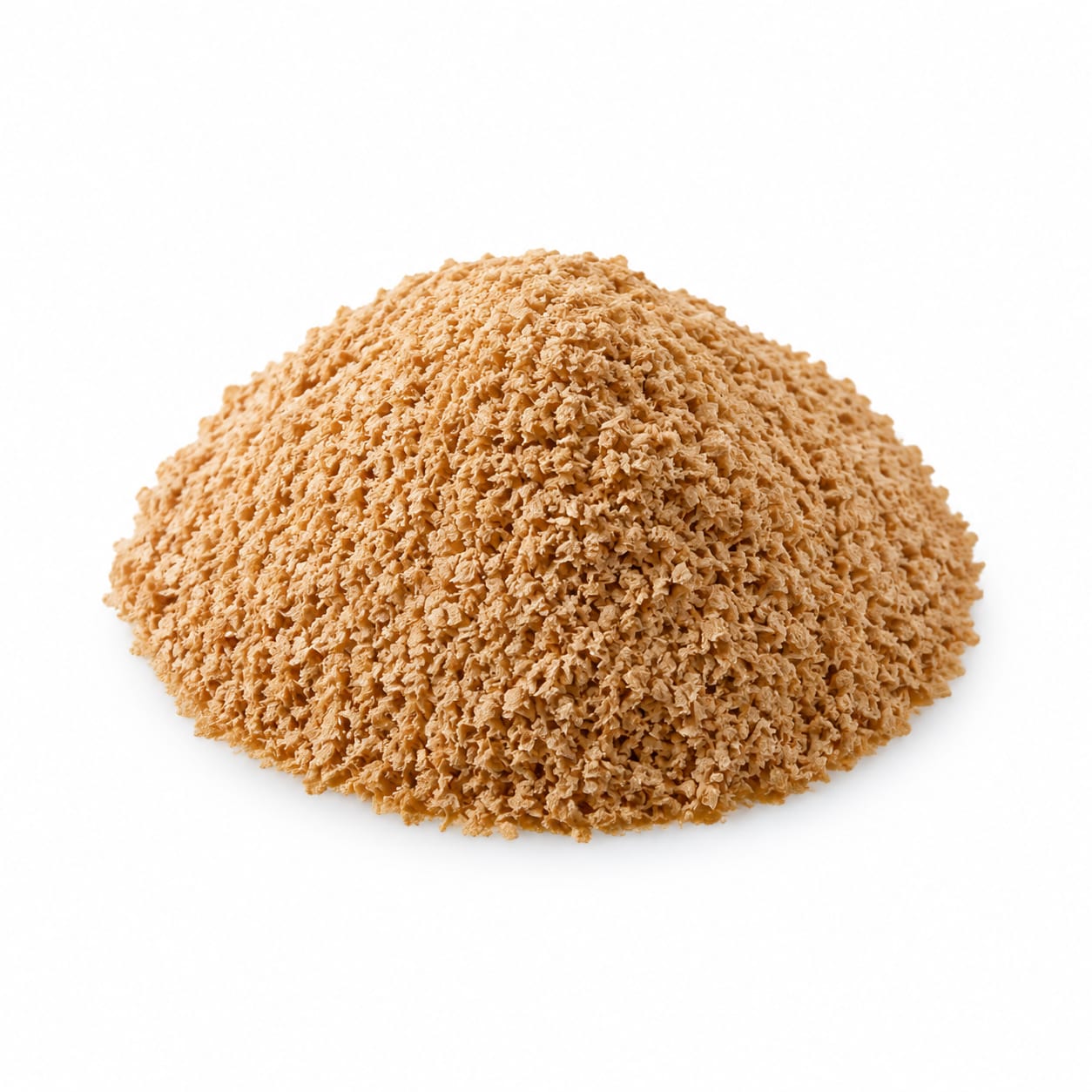
Rice Bran
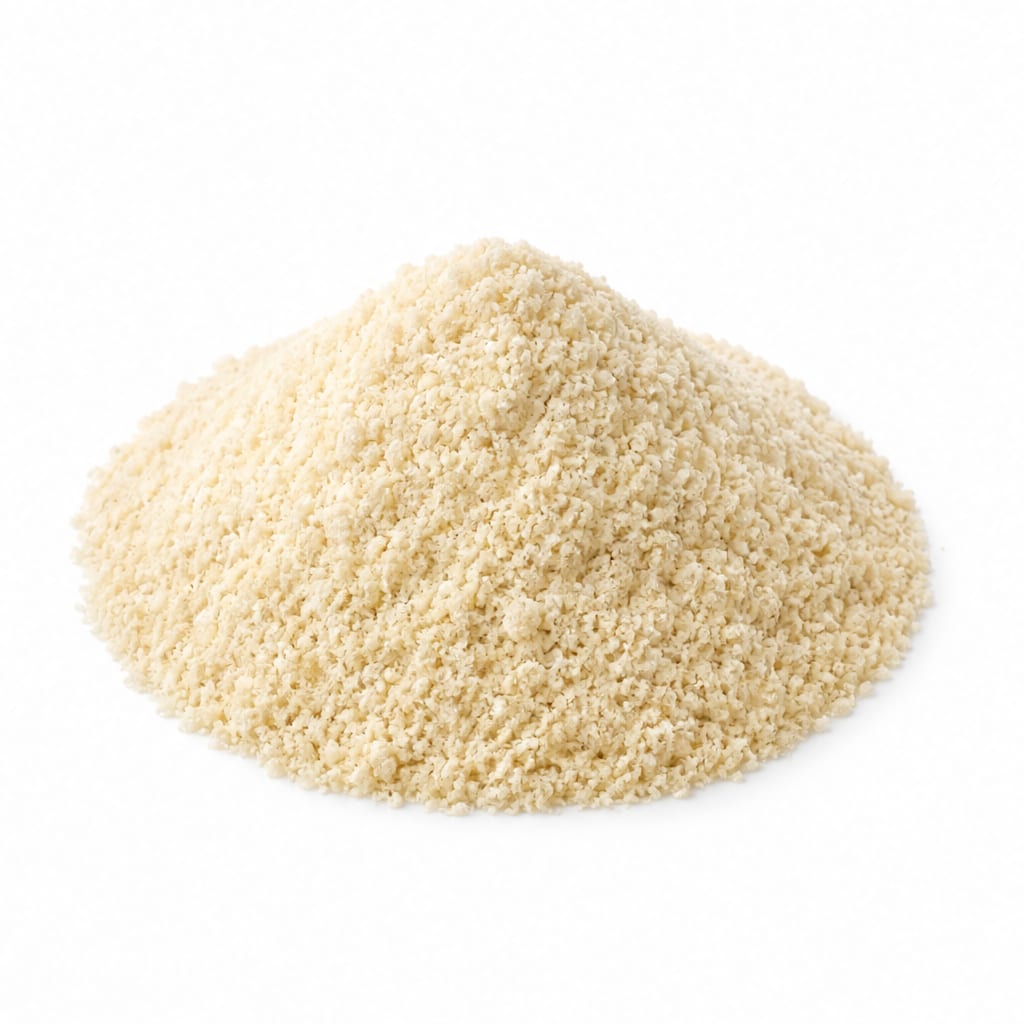
Almond Flour
Rice bran and almond flour serve completely different culinary and nutritional roles — choose based on your dietary philosophy, not generic health rankings.
Almond flour edges ahead slightly due to superior healthy fat content and keto compatibility, but rice bran wins on fiber, B vitamins, cost, and allergen safety. The near-tie reflects how context-dependent this choice truly is.
Almond flour delivers low-carb, high-fat nutrition perfect for keto baking, while rice bran offers fiber, B vitamins, and unique antioxidants at a fraction of the cost.
At a glance
Executive summary
Overall
It depends
Healthier
It depends
More practical
Rice Bran
Daily use
Rice Bran
Key comparison lenses
Low-carb and keto baking suitability
Almond flour is a staple in low-carb baking while rice bran is carb-heavy, making this the primary decision driver for most users
Nutrient density and health benefits
Both foods are nutritional powerhouses but in completely different ways — rice bran offers unique antioxidants while almond flour delivers healthy fats
Calorie density and weight management
Almond flour is very calorie-dense which surprises many users expecting a 'healthy' flour to be light
Allergen safety and dietary restrictions
Tree nut allergies make almond flour a non-starter for many households, while rice bran is rarely allergenic
Cost and everyday practicality
Almond flour is significantly more expensive, affecting whether people can sustain using it long-term
Best choice for
Rice Bran
- People avoiding tree nuts
- Budget-conscious households
- Anyone needing more fiber and B vitamins
- Those following a plant-based or whole-food diet
- Individuals seeking steady energy rather than fat-heavy meals
Almond Flour
- Keto and low-carb bakers
- People wanting vitamin E and magnesium
- Those needing calorie-dense nutrition for weight gain or recovery
- Gluten-free bakers wanting better texture than rice bran provides
- Anyone prioritizing healthy monounsaturated fats
Least suitable for
Rice Bran
- Keto dieters — too many carbs per serving
- People wanting a direct 1:1 flour substitute for baking
- Anyone needing calorie-dense options for recovery
- Those who dislike gritty or earthy textures in baked goods
Almond Flour
- Anyone with tree nut allergies
- Households with nut-allergic children
- People watching calorie intake closely
- Budget-limited families needing affordable staples
Deep comparison
Dimension by dimension
Each lens scores both foods and breaks down who each option suits.
- Dimension 1 · Priority 94Almond Flour
Macronutrient Balance
Rice Bran · 55Almond Flour · 82Almond flour provides a keto-friendly macronutrient profile with high fat and low carbs, while rice bran is carb-dominant with moderate fat.
Tradeoff
Almond flour's low-carb profile comes with very high calorie density — easy to overeat without realizing it.
Why it matters
Your macronutrient ratio directly affects blood sugar, satiety, and whether a food fits your dietary framework.
Real-world impact
A quarter cup of almond flour packs around 160 calories mostly from fat, while the same amount of rice bran is roughly 80 calories with steadier, slower-burning energy.
Rice Bran
- Balanced carb-fat ratio for moderate diets
- Prefer moderate calorie density
- Need sustained energy without fat overload
Better for
- Strict low-carb diets
- Anyone counting net carbs carefully
Worse for
Almond Flour
- Keto and low-carb meal plans
- Higher fat intake goals
- Want to feel full from fat-based satiety
Better for
- Low-fat diet approaches
- Calorie-restricted eating without portion control
Worse for
- Dimension 2 · Priority 90Rice Bran
Fiber and Digestive Health
Rice Bran · 92Almond Flour · 58Rice bran is a fiber powerhouse, delivering significantly more fiber per serving than almond flour, including both soluble and insoluble types.
Tradeoff
Rice bran's superior fiber comes with a gritty texture that some people find unpleasant in baked goods.
Why it matters
Fiber controls blood sugar, feeds gut bacteria, and keeps digestion regular — most people fall far short of daily targets.
Real-world impact
Adding rice bran to smoothies or oatmeal can meaningfully move the needle on your daily fiber intake in a way almond flour simply cannot match.
Rice Bran
- Improving daily fiber intake
- Gut microbiome support
- Managing constipation naturally
- Blood sugar stabilization through soluble fiber
Better for
- Sensitive digestive systems adjusting to high fiber
- Those who dislike gritty food textures
Worse for
Almond Flour
- Mild fiber contribution without texture disruption
- People already getting enough fiber elsewhere
Better for
- Anyone relying on it as a meaningful fiber source
Worse for
- Dimension 3 · Priority 86Almond Flour
Healthy Fats and Heart Health
Rice Bran · 48Almond Flour · 90Almond flour is rich in heart-healthy monounsaturated fats and vitamin E, while rice bran contains some healthy fats but far less total fat content.
Tradeoff
The heart-healthy fats in almond flour also make it very calorie-dense, which can backfire for weight management.
Why it matters
Monounsaturated fats support cardiovascular health and help absorb fat-soluble vitamins, but portion control becomes critical.
Real-world impact
Baking with almond flour gives you the same type of heart-friendly fats found in olive oil, but eating multiple servings of almond flour baked goods can easily push you past calorie needs.
Rice Bran
- Lower total fat intake goals
- Those watching calorie density
Better for
- Anyone needing significant healthy fat intake
- Low-fat diets that still want some fat quality
Worse for
Almond Flour
- Heart health focused diets
- Vitamin E needs
- Mediterranean-style eating patterns
- Fat-soluble vitamin absorption support
Better for
- Fat-restricted medical diets
- Easy overconsumption leading to weight gain
Worse for
- Dimension 4 · Priority 82It depends
Unique Antioxidants and Micronutrients
Rice Bran · 85Almond Flour · 80Rice bran contains unique gamma-oryzanol and ferulic acid found nowhere else, while almond flour excels in vitamin E and magnesium.
Tradeoff
Rice bran's antioxidants are more scientifically unique but less well-known, while almond flour's vitamin E is more immediately practical for most people.
Why it matters
Gamma-oryzanol may help with cholesterol and inflammation, while vitamin E protects cells from oxidative damage — both matter but in different ways.
Real-world impact
Rice bran offers something you genuinely cannot get from other common foods, while almond flour's vitamin E is also available from other nuts and seeds.
Rice Bran
- Cholesterol management support
- Unique antioxidant protection from gamma-oryzanol
- B vitamin needs including thiamine and niacin
Better for
- Those already supplementing with rice bran oil extracts
Worse for
Almond Flour
- Vitamin E requirements
- Magnesium supplementation through food
- Cell membrane protection from oxidative stress
Better for
- People getting plenty of vitamin E from other nuts and seeds already
Worse for
- Dimension 5 · Priority 88Almond Flour
Baking Versatility and Texture
Rice Bran · 40Almond Flour · 85Almond flour produces tender, moist baked goods with a pleasant nutty flavor, while rice bran is gritty and works better as an additive than a primary flour.
Tradeoff
Almond flour bakes beautifully but browns quickly and can feel heavy or greasy if overused; rice bran rarely works as a standalone flour.
Why it matters
If a healthy ingredient makes food you actually want to eat, you will use it consistently — texture and taste drive long-term adoption.
Real-world impact
Almond flour makes genuinely delicious cookies, cakes, and crusts that people enjoy eating. Rice bran works best mixed into smoothies, oatmeal, or blended with other flours in small amounts.
Rice Bran
- Adding nutrition to smoothies and porridge
- Boosting fiber in existing recipes as a minor ingredient
Better for
- Any recipe requiring a real flour texture
- Delicate baked goods where grittiness is noticeable
Worse for
Almond Flour
- Standalone low-carb baking
- Gluten-free crusts and coatings
- Dessert recipes where texture matters
- Keto bread and pastry alternatives
Better for
- High-heat baking where quick browning is a problem
- Recipes needing a neutral flavor — almond flavor comes through
Worse for
- Dimension 6 · Priority 80Rice Bran
Allergen Safety
Rice Bran · 95Almond Flour · 35Rice bran is one of the least allergenic foods available, while almond flour is a top allergen that excludes entire households.
Tradeoff
Rice bran's allergen safety comes with less culinary appeal, while almond flour's baking superiority comes with serious exclusion risks.
Why it matters
Tree nut allergies affect roughly 1% of the population and can be severe — this is a hard dealbreaker regardless of nutritional merits.
Real-world impact
If anyone in your home has a tree nut allergy, almond flour is simply not an option. Rice bran can be used safely in almost any household.
Rice Bran
- Nut-allergic individuals
- School-safe baking and cooking
- Shared kitchens with allergen concerns
- Families with young children where allergies are unknown
Better for
- No significant allergen downsides
Worse for
Almond Flour
- Homes with no nut allergies
- Adult-only households with known tolerance
Better for
- Tree nut allergy sufferers
- Classrooms and shared food environments
- Cross-contamination sensitive situations
Worse for
- Dimension 7 · Priority 75Rice Bran
Cost and Accessibility
Rice Bran · 90Almond Flour · 40Rice bran is remarkably affordable and often available in bulk, while almond flour is one of the most expensive specialty flours.
Tradeoff
Rice bran's low cost makes it easy to use generously, while almond flour's price forces portion awareness whether you want it or not.
Why it matters
A healthy ingredient you can afford to use daily beats a superior one you ration so carefully it barely impacts your diet.
Real-world impact
Rice bran costs roughly a quarter to a third of what almond flour costs per pound, making it realistic for daily smoothies, baking, and cooking without budget stress.
Rice Bran
- Budget-conscious meal prep
- Daily use without financial strain
- Bulk buying and storage
Better for
- No significant cost downsides
Worse for
Almond Flour
- Occasional special recipe use
- Those where cost is not a constraint
Better for
- Regular baking becomes expensive quickly
- Large families on tight food budgets
Worse for
Timeline
Health impact over time
Short-term
Hours to days
Rice Bran
- Improved digestion and regularity from high fiber intake
- Steadier blood sugar after meals due to soluble fiber content
- Possible mild bloating if increasing fiber too quickly
Almond Flour
- Quick satiety from high fat content, reducing between-meal hunger
- Slower blood sugar rise compared to grain-based flours
- Potential digestive heaviness if consuming large portions
Long-term
Months to years
Rice Bran
- Better cholesterol markers from gamma-oryzanol and soluble fiber
- Improved gut microbiome diversity from consistent fiber intake
- Reduced chronic disease risk associated with whole grain consumption patterns
Almond Flour
- Cardiovascular benefits from regular monounsaturated fat intake
- Improved vitamin E status supporting immune and skin health
- Risk of gradual weight gain if calorie density is not managed carefully
Risk profile
Safety & processing
Both rice bran and almond flour are single-ingredient, minimally processed foods. Rice bran is simply the outer layer milled from brown rice, and almond flour is ground blanched almonds. Neither typically contains additives, though always check labels — some almond flours include added oils or preservatives to extend shelf life.
Rice Bran
Arsenic contamination
mediumRice products can contain inorganic arsenic concentrated in the bran layer. Sourcing from California or testing brands can reduce this concern. Vary your grain intake rather than relying exclusively on rice bran daily.
Rancidity
mediumRice bran contains oils that can go rancid quickly at room temperature. Store in the refrigerator or freezer and use within a few months of opening.
Almond Flour
Tree nut allergy reactions
highAlmond flour can cause severe anaphylactic reactions in allergic individuals. Even trace cross-contamination in shared facilities poses risk for highly sensitive people.
Oxidation of fats
lowThe high fat content means almond flour can go rancid over time, though it is more stable than rice bran. Refrigerate after opening for best quality.
Who wins for whom
Audience fit
Same foods, different winners depending on your goal.
children
Rice BranRice bran avoids tree nut allergen concerns critical for children, provides B vitamins for growth, and its fiber supports developing digestive systems.
daily consumption
Rice BranRice bran is affordable, low in calories, and easy to add to daily meals without much thought, while almond flour's cost and calorie density make it better as an occasional ingredient.
diabetes
Almond FlourAlmond flour's low net carb content causes minimal blood sugar impact, while rice bran's carbs require more insulin management despite its helpful fiber content.
elderly
Rice BranRice bran's fiber supports the digestive regularity that often declines with age, and its B vitamins support cognitive health, all at a calorie level appropriate for lower activity levels.
muscle gain
Almond FlourAlmond flour provides more calories and healthy fats per serving, supporting the caloric surplus needed for muscle building, plus magnesium aids muscle recovery.
weight loss
Rice BranRice bran's lower calorie density and higher fiber content make it easier to use generously without overshooting calorie targets, while almond flour's calorie density requires careful portioning.
Your move
Decision guide
Choose Rice Bran
- You want affordable daily nutrition boosting without calorie overload
- Anyone in your household has a tree nut allergy
- You are focused on fiber intake and digestive health
- You want unique antioxidants like gamma-oryzanol for cholesterol support
- You prefer adding nutrition to smoothies and oatmeal over baking
Choose Almond Flour
- You are baking keto, paleo, or low-carb recipes regularly
- Heart-healthy monounsaturated fats are a priority for you
- You need calorie-dense nutrition for recovery or weight gain
- You have no nut allergies and want the best gluten-free baking texture
- Vitamin E and magnesium are nutrients you specifically want more of
Either works if
- You are simply looking for gluten-free flour alternatives to wheat
- You want to rotate between both for different nutritional benefits
- Cost is not a deciding factor for your household
Avoid both if
- You need a true all-purpose flour for traditional yeast bread baking
- You are looking for a high-protein flour — neither is protein-dense enough to serve as a primary protein source
Final recommendation
Keep both in your kitchen if budget allows — rice bran for daily smoothies and oatmeal, almond flour for weekend baking. If you must choose one, rice bran is the more practical daily staple, while almond flour is the better special-occasion baking investment.
Practical
Consumer tips
- 1
Store rice bran in the refrigerator or freezer to prevent rancidity — its oils spoil faster than most people expect
- 2
Look for rice bran sourced from California to minimize arsenic exposure concerns
- 3
When buying almond flour, choose blanched varieties for finer texture in baking, or unblanched if you want more fiber
- 4
Start with small amounts of rice bran and increase gradually to let your digestive system adjust to the fiber
- 5
Almond flour browns much faster than wheat flour — reduce oven temperature by 25 degrees and check baked goods early
- 6
Mix rice bran with other flours rather than using it alone — try combining it with oat flour for better baking results
- 7
Buy almond flour in bulk only if you bake frequently — it is too expensive to let sit unused and go rancid