
Nutrition comparison
Rice Bran vs Rice Bran Oil: Which Is Healthier for Daily Use?
Compare Rice Bran and Rice Bran Oil on nutrition, heart health, arsenic risk, and cooking utility. Find out which one fits your diet and when to use each.
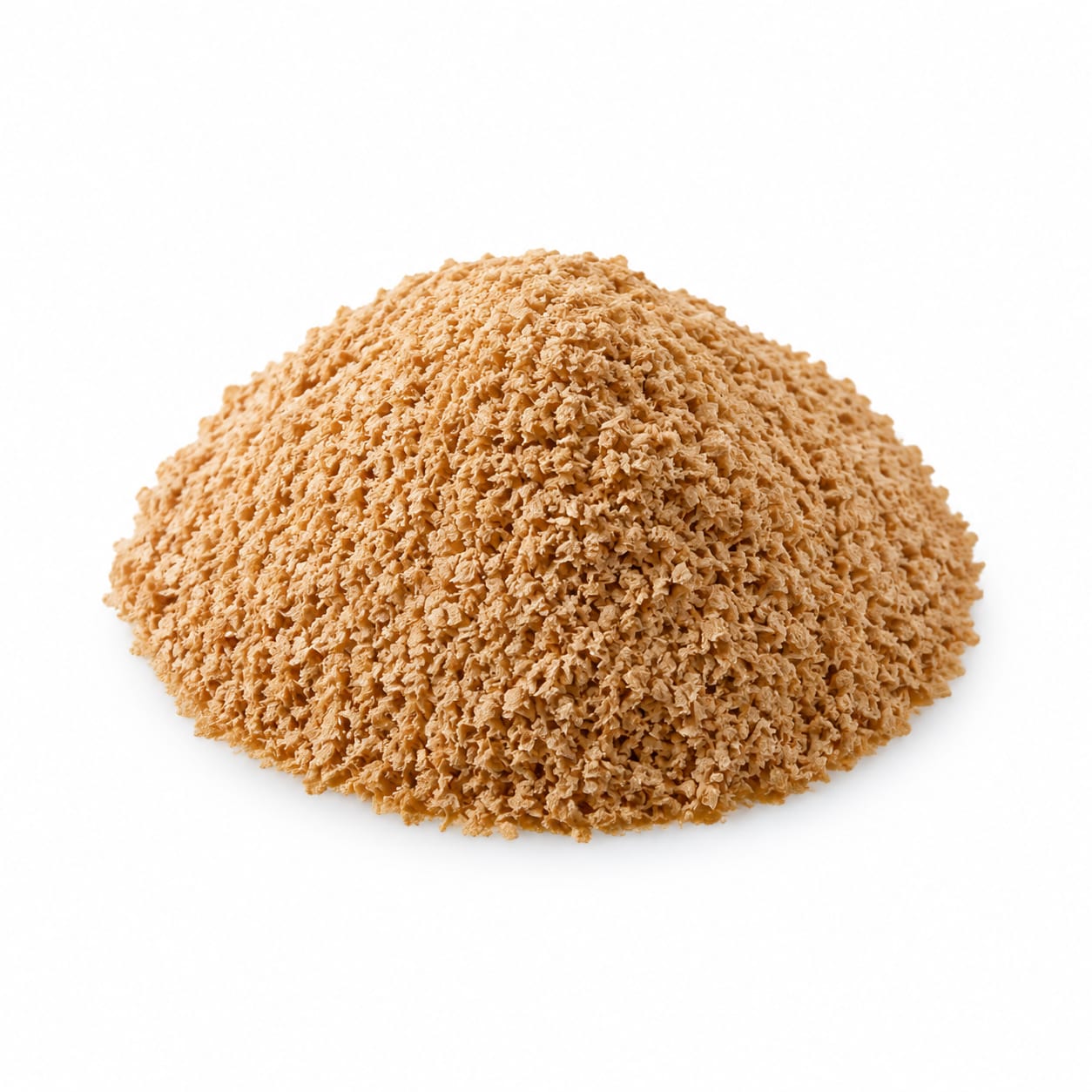
Rice Bran
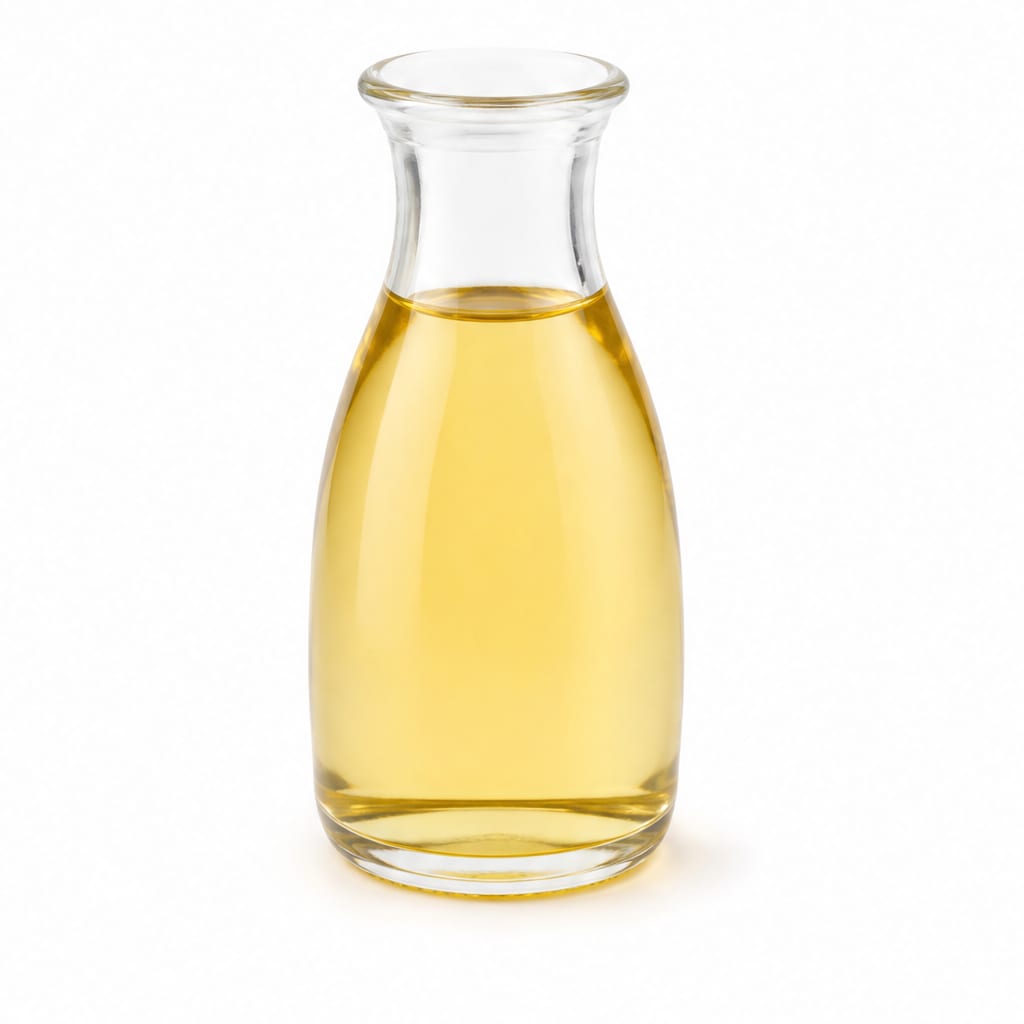
Rice Bran Oil
Rice Bran is the nutritional powerhouse with fiber, protein, and minerals intact. Rice Bran Oil is a refined cooking fat that concentrates certain antioxidants but loses everything else in extraction.
Rice Bran scores significantly higher for nutritional completeness and whole-food value. Rice Bran Oil earns points for cooking utility and concentrated antioxidants but loses ground on calorie density, zero fiber, and higher processing.
Whole-food nutrition versus cooking convenience — you either get the complete package or a shelf-stable fat optimized for high-heat cooking.
At a glance
Executive summary
Overall
It depends
Healthier
Rice Bran
More practical
Rice Bran Oil
Daily use
Rice Bran
Key comparison lenses
whole food vs extracted oil nutritional tradeoff
Rice Bran retains fiber, protein, and minerals lost during oil extraction, making this the central decision axis
heart health and cholesterol management
Both contain gamma-oryzanol but deliver it differently; users often choose between these for cardiovascular benefit
cooking utility and kitchen practicality
Rice Bran Oil is a versatile cooking fat with a high smoke point, while Rice Bran is a supplemental ingredient
arsenic and contamination safety
Rice products carry inorganic arsenic risk; the form consumed affects exposure level
weight management and satiety
Rice Bran fills you up with fiber and protein; Rice Bran Oil is calorie-dense with zero satiety fiber
Best choice for
Rice Bran
- People seeking fiber, protein, and micronutrients in one ingredient
- Anyone managing blood sugar or cholesterol through diet
- Smoothie and oatmeal boosters looking for nutritional density
- Those wanting a whole-food supplement rather than a refined fat
Rice Bran Oil
- Home cooks needing a high-smoke-point oil for stir-frying and deep-frying
- Anyone focused specifically on gamma-oryzanol and vitamin E intake
- People who already get enough fiber and protein from other sources
- Those wanting a neutral-flavored cooking fat with some antioxidant edge
Least suitable for
Rice Bran
- People with severe rice allergy or arsenic sensitivity
- Anyone wanting a pourable cooking oil
- Those who dislike gritty or powdery textures in food
- Individuals on very low-fiber diets for medical reasons
Rice Bran Oil
- Anyone tracking calories closely — it is pure fat at 120 calories per tablespoon
- People seeking fiber or protein from their ingredients
- Those avoiding refined or extracted oils
- Individuals concerned about solvent residues in processed oils
Deep comparison
Dimension by dimension
Each lens scores both foods and breaks down who each option suits.
- Dimension 1 · Priority 95Rice Bran
Nutritional Completeness
Rice Bran · 88Rice Bran Oil · 22Rice Bran delivers fiber, protein, B vitamins, and minerals alongside its fats. Rice Bran Oil strips nearly everything away, leaving only lipids and fat-soluble compounds.
Tradeoff
You sacrifice the full nutrient profile for a pourable, shelf-stable cooking fat.
Why it matters
Eating the whole bran gives you slow-digesting fiber and plant protein that stabilize blood sugar and keep you full — the oil provides none of that.
Real-world impact
A few tablespoons of Rice Bran in your morning oatmeal adds meaningful fiber and protein. The same amount of Rice Bran Oil adds 240 calories with zero fullness benefit.
Rice Bran
- Complete daily nutrition in a single ingredient
- Blood sugar stability from fiber
- Gut health from insoluble fiber
Better for
- Lower total gamma-oryzanol per serving compared to the oil
Worse for
Rice Bran Oil
- Concentrated fat-soluble antioxidants like gamma-oryzanol
- Vitamin E tocotrienols in a more bioavailable lipid form
Better for
- Zero fiber, zero protein, minimal micronutrients beyond fat-soluble compounds
Worse for
- Dimension 2 · Priority 88It depends
Heart Health and Cholesterol
Rice Bran · 78Rice Bran Oil · 76Both support heart health through gamma-oryzanol and phytosterols, but they arrive via different mechanisms. Rice Bran adds soluble fiber that binds cholesterol; Rice Bran Oil delivers concentrated phytosterols that block cholesterol absorption.
Tradeoff
Fiber-based cholesterol management versus phytosterol-based — both work, but through different pathways.
Why it matters
If your diet is already fiber-rich, Rice Bran Oil may add incremental benefit. If you need more fiber anyway, Rice Bran tackles cholesterol from two angles at once.
Real-world impact
Adding Rice Bran to meals gives you both fiber and oryzanol. Using Rice Bran Oil for cooking gives you oryzanol in every dish but no fiber assist.
Rice Bran
- Soluble fiber actively removes cholesterol via digestion
- Dual-action: fiber binding plus phytosterol blocking
Better for
- Lower total phytosterol dose per serving
Worse for
Rice Bran Oil
- Higher phytosterol concentration per gram
- Easier to consume daily through cooking without changing food texture
Better for
- No fiber contribution to cholesterol management
Worse for
- Dimension 3 · Priority 82Rice Bran Oil
Cooking Utility
Rice Bran · 25Rice Bran Oil · 90Rice Bran Oil is a chef-friendly fat with a 450°F smoke point and neutral flavor. Rice Bran is a powdery additive — useful in baking and smoothies but useless for sautéing.
Tradeoff
Kitchen versatility comes from the refined oil, not the whole bran.
Why it matters
If you cook at high heat regularly, Rice Bran Oil is genuinely one of the best options available. Rice Bran simply cannot fill that role.
Real-world impact
Stir-frying vegetables in Rice Bran Oil works beautifully. Trying to do the same with Rice Bran powder just gives you a burnt, dry mess.
Rice Bran
- Adds texture and nutrition to baked goods
- Blends into smoothies without altering flavor
Better for
- Cannot be used as a cooking fat
- Limited to additive roles in recipes
Worse for
Rice Bran Oil
- Excellent for stir-frying, deep-frying, and searing
- Neutral taste that does not compete with food flavors
- Does not break down at high temperatures
Better for
- Adds significant calories to every meal it cooks
Worse for
- Dimension 4 · Priority 75Rice Bran
Satiety and Weight Management
Rice Bran · 80Rice Bran Oil · 15Rice Bran fills you up with fiber and protein at roughly 50 calories per tablespoon. Rice Bran Oil delivers 120 calories per tablespoon with zero satiety signal.
Tradeoff
One helps you eat less; the other makes it easy to overconsume calories without noticing.
Why it matters
Liquid calories from oils are the easiest way to accidentally overshoot your daily intake. Fiber-rich bran actively prevents that.
Real-world impact
Two tablespoons of Rice Bran in yogurt feels like a substantial snack. Two tablespoons of Rice Bran Oil on a salad barely registers as food.
Rice Bran
- Fiber slows digestion and extends fullness
- Protein contributes to satiety signals
- Lower calorie density per serving
Better for
- Some people find the texture unappealing, which may reduce intake
Worse for
Rice Bran Oil
- No direct satiety benefit
Better for
- Pure liquid fat with no fiber or protein to trigger fullness
- Very easy to over-pour and add hundreds of hidden calories
Worse for
- Dimension 5 · Priority 72Rice Bran Oil
Antioxidant Density
Rice Bran · 70Rice Bran Oil · 82Rice Bran Oil concentrates fat-soluble antioxidants like gamma-oryzanol and vitamin E tocotrienols. Rice Bran contains these too, but at lower density per gram.
Tradeoff
The oil is a more efficient delivery vehicle for lipid antioxidants, but you lose water-soluble antioxidants present in the whole bran.
Why it matters
If your primary goal is oryzanol supplementation, the oil gets more of it into you per calorie — but you miss the broader antioxidant spectrum of the whole food.
Real-world impact
Cooking with Rice Bran Oil gives you a meaningful dose of oryzanol with every meal. Eating Rice Bran gives you a wider range of antioxidants but less oryzanol per bite.
Rice Bran
- Broader antioxidant spectrum including water-soluble compounds
- Phenolic acids and flavonoids not present in the extracted oil
Better for
- Lower oryzanol density — you need more total volume to match the oil
Worse for
Rice Bran Oil
- Higher gamma-oryzanol concentration per serving
- More vitamin E tocotrienols per gram
Better for
- Missing the diverse polyphenols left behind in the bran residue
Worse for
- Dimension 6 · Priority 78Rice Bran Oil
Safety and Contamination Risk
Rice Bran · 55Rice Bran Oil · 72Both carry arsenic concerns inherent to rice, but Rice Bran concentrates arsenic more than the oil. The oil extraction process leaves most heavy metals behind in the bran residue.
Tradeoff
The whole food is more nutritious but also more contaminated. The refined oil is cleaner but more processed.
Why it matters
If you eat rice products daily, arsenic exposure from Rice Bran can add up. Rice Bran Oil sidesteps most of this concern.
Real-world impact
Daily Rice Bran consumption may contribute meaningfully to arsenic intake. Rice Bran Oil carries far less arsenic risk per serving.
Rice Bran
- Less processed — no solvent exposure risk
Better for
- Arsenic concentrates in the bran layer of rice
- Can go rancid quickly if not stabilized
- Lipase enzyme in raw bran causes rapid fat breakdown
Worse for
Rice Bran Oil
- Significantly lower arsenic concentration
- No rancidity risk from natural lipase enzyme activity
Better for
- Potential solvent residues from hexane extraction in conventional brands
- Highly processed compared to the whole food
Worse for
Timeline
Health impact over time
Short-term
Hours to days
Rice Bran
- Improved digestive regularity from high fiber content within days
- Increased satiety after meals, reducing snacking urges
- Possible mild bloating if fiber intake increases too quickly
Rice Bran Oil
- Quick absorption of fat-soluble antioxidants with meals
- No immediate digestive effect — passes through without fiber benefit
- Easy to accidentally add 200+ calories to a single meal without feeling fuller
Long-term
Months to years
Rice Bran
- Consistent fiber intake supports gut microbiome diversity over months
- Cholesterol reduction through both soluble fiber and phytosterols
- Arsenic exposure risk increases with daily high-dose consumption
- Stabilized blood sugar patterns from sustained fiber intake
Rice Bran Oil
- Gamma-oryzanol may help maintain healthy cholesterol levels long-term
- Vitamin E tocotrienols provide ongoing cellular protection
- Daily use adds significant calories that can contribute to weight gain if not tracked
- Lower arsenic risk makes it safer for long-term daily use from that perspective
Risk profile
Safety & processing
Rice Bran is milled from the grain's outer layer and typically stabilized with heat to prevent rancidity — minimal intervention. Rice Bran Oil requires solvent extraction or cold pressing, refining, deodorizing, and filtering, which strips it further from its whole-food origins.
Rice Bran
Inorganic arsenic
highRice bran concentrates arsenic at higher levels than white rice. Daily consumption could exceed safe intake thresholds, especially for children and pregnant women.
Rancidity from lipase enzyme
mediumUnstabilized Rice Bran spoils rapidly as natural enzymes break down its fats. Always buy stabilized Rice Bran and store it cool.
Rice Bran Oil
Hexane solvent residue
lowConventional Rice Bran Oil is often extracted with hexane. Residual amounts are typically below safety thresholds, but cold-pressed options eliminate this concern entirely.
Oxidation at very high heat over extended time
lowDespite its high smoke point, prolonged deep-frying can still cause some oxidative degradation. Not unique to Rice Bran Oil but worth noting.
Who wins for whom
Audience fit
Same foods, different winners depending on your goal.
children
Rice Bran OilLower arsenic risk makes Rice Bran Oil safer for kids. Rice Bran's arsenic concentration is a genuine concern for developing bodies.
daily consumption
Rice Bran OilLower arsenic risk and cooking versatility make Rice Bran Oil easier to use safely every day. Rice Bran is best consumed in moderation due to arsenic concentration.
diabetes
Rice BranFiber slows glucose absorption and stabilizes blood sugar. Rice Bran Oil has no fiber and, while it does not spike blood sugar directly, it adds calories without improving glycemic response.
elderly
It dependsRice Bran supports digestion and nutrient intake for those who need more fiber. Rice Bran Oil is easier to consume for those with poor appetite or difficulty eating roughage.
muscle gain
Rice BranRice Bran provides some protein alongside its other nutrients. Rice Bran Oil offers no protein and is purely a fat source.
weight loss
Rice BranFiber and protein create fullness at a fraction of the calorie density. Rice Bran Oil adds calories without any satiety benefit.
Your move
Decision guide
Choose Rice Bran
- You want a nutrient-dense food additive that contributes fiber, protein, and minerals
- You are managing cholesterol or blood sugar and want a dual-action approach
- You blend smoothies or bake regularly and can easily incorporate it
- You are comfortable managing portion sizes to limit arsenic exposure
Choose Rice Bran Oil
- You need a high-smoke-point cooking oil for stir-frying, roasting, or deep-frying
- You want gamma-oryzanol and vitamin E in a convenient daily-use format
- Arsenic exposure from rice products concerns you
- You already get plenty of fiber and protein from other foods
Either works if
- You want heart-health benefits from rice-derived compounds
- You are looking for alternatives to common cooking oils or wheat-based bran
Avoid both if
- You have a diagnosed rice allergy
- You are strictly limiting arsenic exposure and already consume rice daily
- You are on a very low-fat diet and cannot accommodate the fat content of either product
Final recommendation
Use both for different purposes. Cook with Rice Bran Oil for its high smoke point and concentrated oryzanol, and add stabilized Rice Bran to smoothies or baked goods a few times a week for fiber and micronutrients. This split approach maximizes benefits while keeping arsenic exposure in check. If you must pick only one, Rice Bran delivers more total nutritional value — but Rice Bran Oil is the safer choice for daily, unlimited use.
Practical
Consumer tips
- 1
Always buy stabilized Rice Bran — unstabilized versions go rancid within days due to natural lipase enzymes
- 2
Choose cold-pressed Rice Bran Oil to avoid hexane solvent residues
- 3
Limit Rice Bran to 1-2 tablespoons per day to keep arsenic intake within safe bounds
- 4
Store Rice Bran in the refrigerator or freezer to extend shelf life significantly
- 5
Rice Bran Oil works exceptionally well for Asian-style stir-fries due to its neutral flavor and high smoke point
- 6
If you eat rice daily, factor that into your Rice Bran consumption — total arsenic exposure comes from all rice sources combined
- 7
Look for Rice Bran sourced from California or other low-arsenic growing regions when possible