
Nutrition comparison
Rice Bran vs Chia Seeds: Nutrition, Safety, and Best Uses
Comparing Rice Bran and Chia Seeds? Discover which seed is safer for daily use, better for omega-3s, and why arsenic levels make a big difference.
Overall winner · Chia Seeds
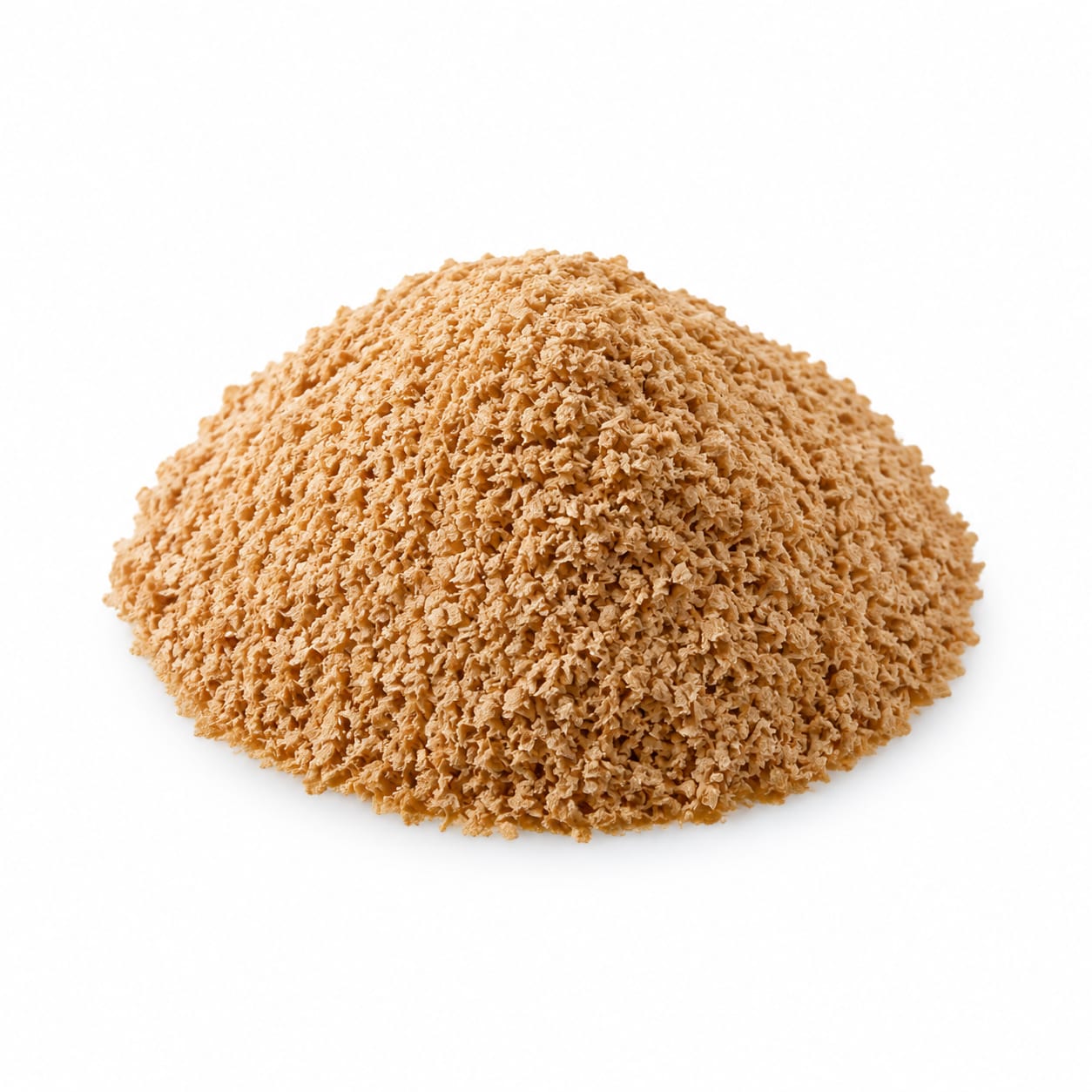
Rice Bran
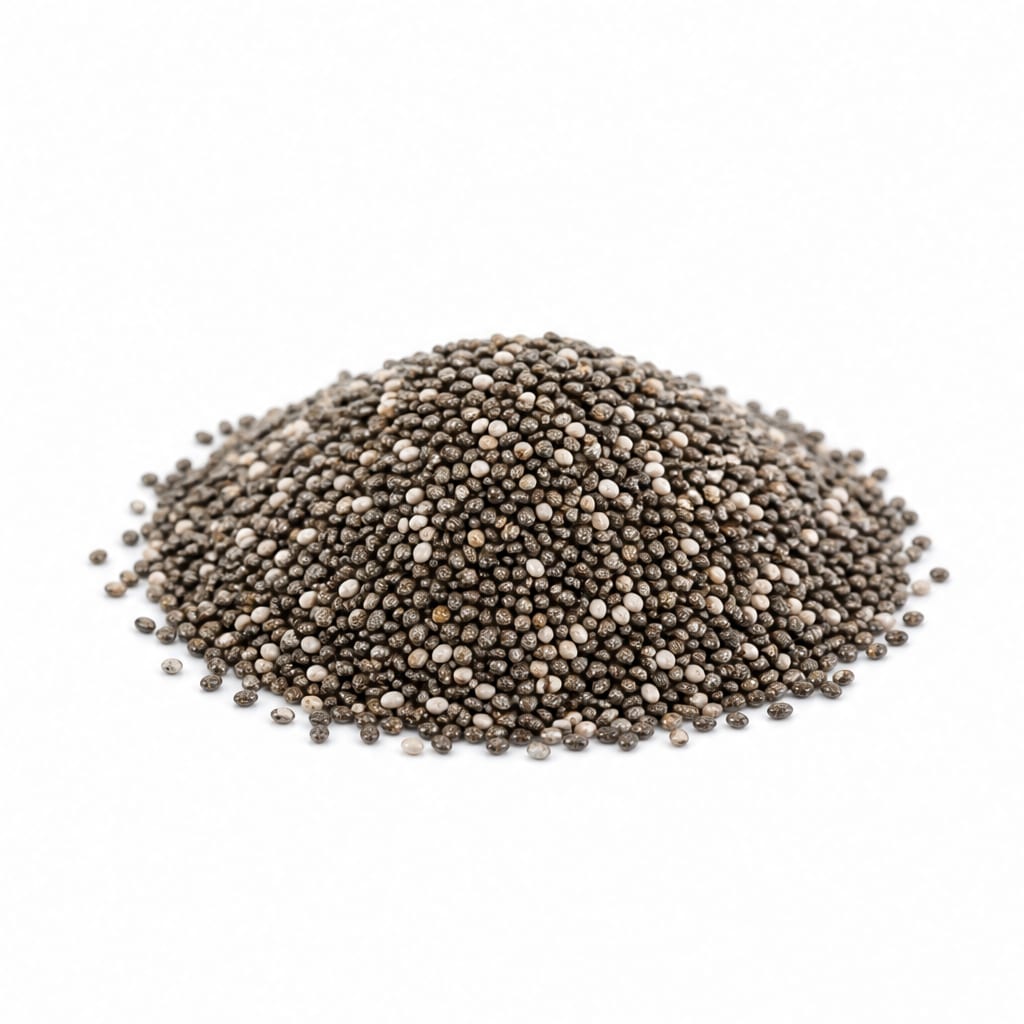
Chia Seeds
Chia Seeds edge out Rice Bran due to superior omega-3 content and a much safer heavy metal profile, though Rice Bran offers unique B-vitamins and minerals.
Chia Seeds score significantly higher mainly due to the absence of heavy metal contamination concerns and a superior healthy fat profile, making them safer and more beneficial for daily use.
You trade Rice Bran's B-vitamin boost and mineral density for Chia Seeds' omega-3s and peace of mind regarding arsenic exposure.
At a glance
Executive summary
Overall
Chia Seeds
Healthier
Chia Seeds
More practical
Chia Seeds
Daily use
Chia Seeds
Key comparison lenses
Heavy metal and arsenic exposure
Rice Bran is uniquely high in inorganic arsenic compared to most seeds, making safety a primary concern for daily use.
Omega-3 vs B-vitamin nutritional profiles
Chia Seeds are a top plant source of omega-3s, while Rice Bran provides exceptional B-vitamins and minerals.
Satiety and blood sugar management
Chia Seeds form a unique gel that slows digestion, heavily influencing fullness and glucose response compared to standard fiber.
Culinary functionality and recipe versatility
Chia Seeds act as a thickener and egg replacer, while Rice Bran is limited to dry mix-ins.
Best choice for
Rice Bran
- Budget-friendly mineral and iron boosting
- Adding a mild, nutty flavor to baked goods
- Occasional B-vitamin supplementation
Chia Seeds
- Daily plant-based omega-3 intake
- Pudding and thickening recipes
- Sustained energy and hydration for athletes
Least suitable for
Rice Bran
- Daily large-quantity consumption due to arsenic
- Infants and children
- People strictly avoiding grain byproducts
Chia Seeds
- People on blood thinners needing stable vitamin K intake
- Those who dislike gelatinous or slimy textures
- Very low-calorie dense diets
Deep comparison
Dimension by dimension
Each lens scores both foods and breaks down who each option suits.
- Dimension 1 · Priority 90Chia Seeds
Nutrient Density & Healthy Fats
Rice Bran · 75Chia Seeds · 90Chia Seeds provide a massive dose of plant-based omega-3s, while Rice Bran excels in B-vitamins and certain minerals like iron and zinc.
Tradeoff
Rice Bran gives you more B-vitamins and iron, but Chia Seeds deliver essential omega-3s that are hard to find in other seeds.
Why it matters
Omega-3s are critical for brain and heart health, and most diets lack sufficient ALA intake.
Real-world impact
Adding Chia Seeds to your smoothie supports heart health long-term, whereas Rice Bran acts more like a multivitamin sprinkle.
Rice Bran
- Boosting iron and zinc intake
- Increasing B-vitamin consumption
Better for
- Omega-3 fatty acid intake
Worse for
Chia Seeds
- Raising omega-3 levels
- Increasing calcium intake
Better for
- B-vitamin density
Worse for
- Dimension 2 · Priority 85Chia Seeds
Satiety & Digestive Health
Rice Bran · 78Chia Seeds · 92Chia Seeds absorb up to 10 times their weight in water, creating a gel that keeps you full and stabilizes blood sugar better than Rice Bran.
Tradeoff
Rice Bran offers solid fiber but lacks the unique hydrating, gut-soothing gel that Chia Seeds provide.
Why it matters
The gel-forming fiber in Chia Seeds slows digestion dramatically, preventing energy crashes and keeping you satisfied.
Real-world impact
A chia pudding breakfast will keep you full until lunch, while Rice Bran might leave you hungry sooner.
Rice Bran
- Adding dry fiber to baked goods
Better for
- Hydration and gut-soothing effects
Worse for
Chia Seeds
- Prolonged fullness
- Stool regularity
- Hydrating fiber intake
Better for
- Dry, easy-to-sprinkle texture
Worse for
- Dimension 3 · Priority 95Chia Seeds
Safety & Contamination Risk
Rice Bran · 40Chia Seeds · 95Rice Bran is notoriously high in inorganic arsenic, which concentrates in the bran layer, whereas Chia Seeds have minimal contamination risks.
Tradeoff
Choosing Rice Bran means accepting a higher heavy metal load to get its nutritional benefits.
Why it matters
Chronic arsenic exposure is linked to cancer and cardiovascular issues, making daily Rice Bran consumption risky.
Real-world impact
Eating Rice Bran every day could push your arsenic intake past safe limits, while Chia Seeds can be eaten daily without this worry.
Rice Bran
- Heavy metal exposure
- Long-term safety
Worse for
Chia Seeds
- Long-term safety
- Daily consumption peace of mind
- Children's diets
Better for
- Dimension 4 · Priority 75Chia Seeds
Culinary Versatility & Convenience
Rice Bran · 70Chia Seeds · 85Chia Seeds act as a vegan egg replacer and thickener, while Rice Bran is mostly limited to dry additions like smoothies or breading.
Tradeoff
Rice Bran blends easily without changing texture, but Chia Seeds offer unique thickening properties that replace eggs and gums.
Why it matters
A food that replaces other ingredients makes cooking easier and more flexible for various dietary needs.
Real-world impact
You can make overnight chia pudding or vegan baking batter, whereas Rice Bran is just a dry mix-in.
Rice Bran
- Seamless texture blending
- Mild flavor that disappears in food
Better for
- Cannot thicken liquids
- Limited recipe applications
Worse for
Chia Seeds
- Vegan egg replacement
- Thickening smoothies and jams
- Making puddings
Better for
- Can create an undesirable slimy texture for some
Worse for
Timeline
Health impact over time
Short-term
Hours to days
Rice Bran
- Quick mineral boost
- Mild digestive regularity from fiber
Chia Seeds
- Rapid feeling of fullness
- Slowed blood sugar spikes after meals
- Excellent hydration support
Long-term
Months to years
Rice Bran
- Potential arsenic accumulation with daily use
- Improved iron status
Chia Seeds
- Better heart health from omega-3s
- Improved gut microbiome diversity
- Sustained blood sugar management
Risk profile
Safety & processing
Both are whole-food, minimally processed options, though Rice Bran is a byproduct of white rice milling while Chia Seeds are harvested directly from the plant.
Rice Bran
Inorganic Arsenic
highRice naturally absorbs arsenic from soil and water, and it concentrates heavily in the bran layer, making Rice Bran one of the highest dietary arsenic sources.
Chia Seeds
Choking hazard if eaten dry
mediumChia Seeds expand rapidly in liquid; eating them dry followed by water can cause esophageal blockage if not careful.
Who wins for whom
Audience fit
Same foods, different winners depending on your goal.
children
Chia SeedsChia Seeds are much safer for kids due to the absence of arsenic concerns present in Rice Bran.
daily consumption
Chia SeedsDaily Rice Bran consumption is not recommended due to arsenic, while Chia Seeds are safe and beneficial daily.
diabetes
Chia SeedsThe mucilage in Chia Seeds slows carbohydrate absorption more effectively, leading to steadier blood sugar.
elderly
Chia SeedsChia Seeds provide easier digestion and hydration, plus avoiding arsenic is more critical for aging immune systems.
muscle gain
It dependsNeither is a primary protein source, but Rice Bran offers slightly more zinc and iron for recovery, while Chia Seeds offer anti-inflammatory omega-3s.
weight loss
Chia SeedsChia Seeds' gel-forming fiber provides much stronger satiety, making it easier to eat less overall.
Your move
Decision guide
Choose Rice Bran
- You need a dry, texture-free fiber and mineral boost for baking.
- You are treating a specific B-vitamin deficiency.
- You only use it occasionally, minimizing arsenic risk.
Choose Chia Seeds
- You want a safe, daily source of omega-3s and fiber.
- You need a vegan egg replacer or thickener for recipes.
- Satiety and blood sugar control are your main goals.
Either works if
- You want to add extra fiber to a morning smoothie.
- You are looking for gluten-free additions to your diet.
Avoid both if
- You have severe digestive issues requiring a strict low-fiber diet.
Final recommendation
Make Chia Seeds your daily staple for fiber and healthy fats, and treat Rice Bran as an occasional nutritional booster rather than an everyday habit due to arsenic concerns.
Practical
Consumer tips
- 1
Soak Chia Seeds for at least 10 minutes before eating to prevent choking and improve digestibility.
- 2
Limit Rice Bran to a few times a week to keep arsenic exposure low.
- 3
Mix Chia Seeds into oatmeal or yogurt for a satisfying, thick texture.
- 4
Store both in the fridge or freezer to prevent the natural oils from going rancid.