
Nutrition comparison
Rice Bran vs Whole Wheat Flour: Nutrition, Safety, and Which to Choose
Compare rice bran and whole wheat flour on nutrients, arsenic risk, baking versatility, and heart health benefits. Find which whole grain option fits your diet best.
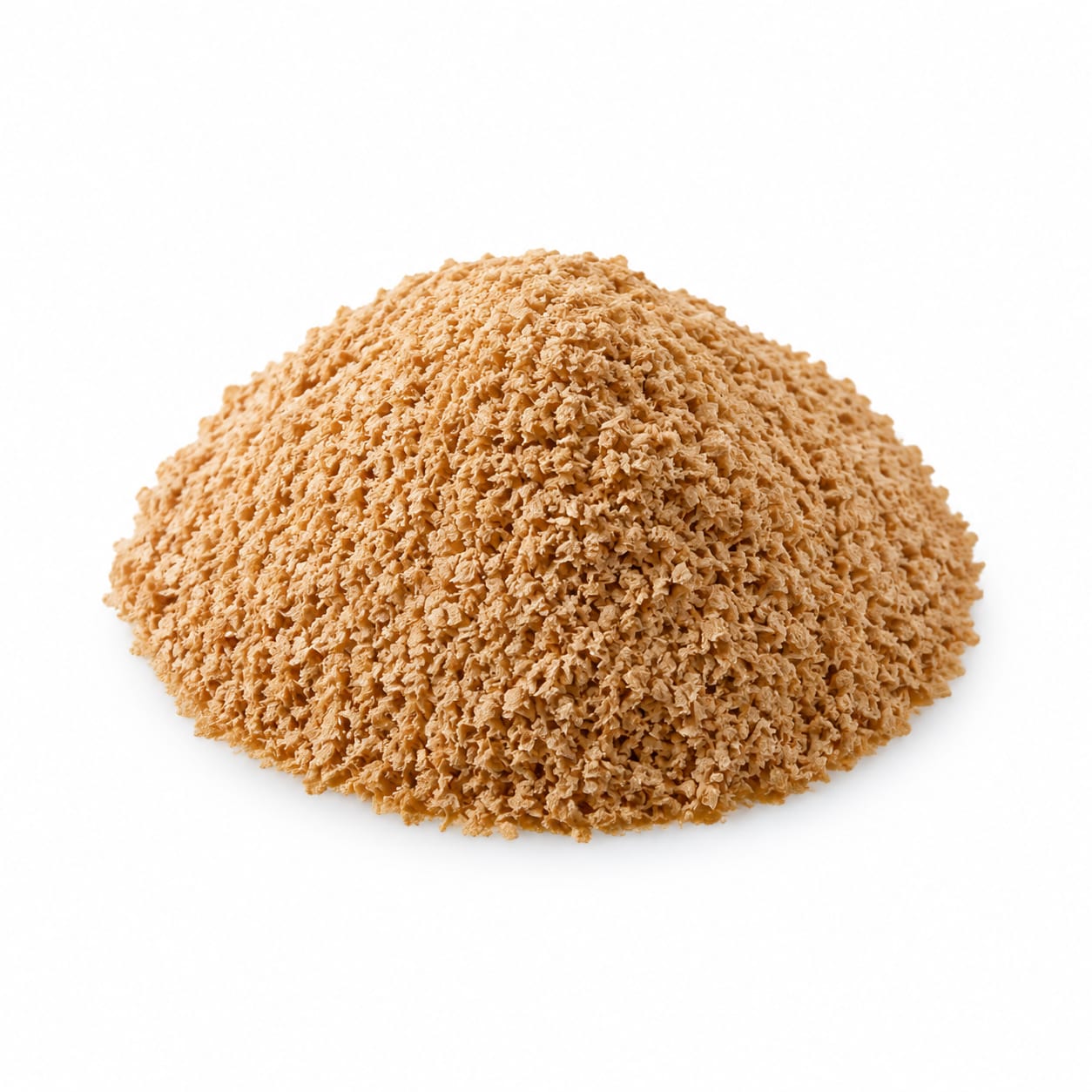
Rice Bran
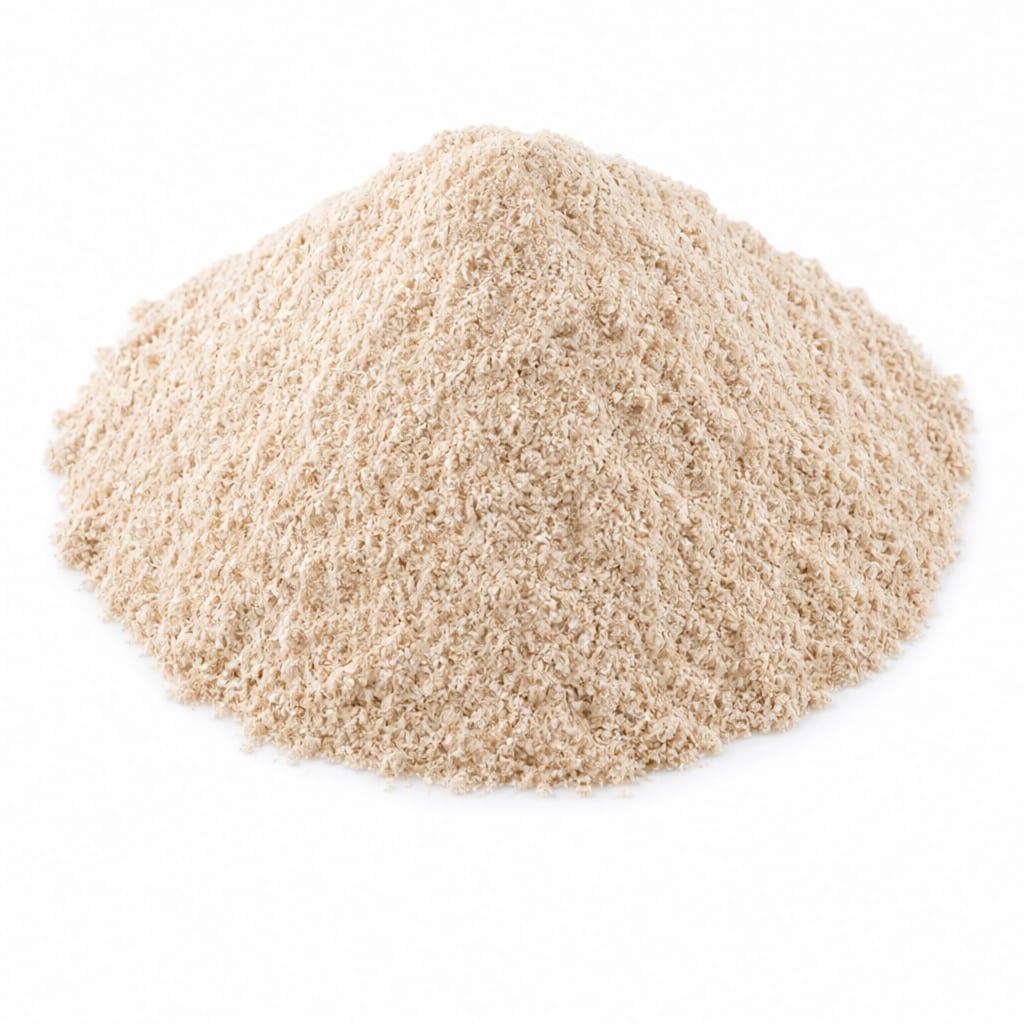
Whole Wheat Flour
Rice bran is a micronutrient powerhouse with unique heart-healthy compounds, but whole wheat flour wins on versatility, safety, and everyday practicality.
Whole wheat flour scores higher overall due to superior versatility, lower safety concerns, and everyday usability. Rice bran excels in specific nutritional categories but loses ground on arsenic risk and limited culinary applications.
Concentrated nutrition and specialty benefits versus kitchen flexibility and lower contamination risk.
At a glance
Executive summary
Overall
It depends
Healthier
It depends
More practical
Whole Wheat Flour
Daily use
Whole Wheat Flour
Key comparison lenses
nutrient density per serving
Rice bran is a concentrated byproduct with exceptional micronutrient levels, while whole wheat flour delivers balanced nutrition across the full grain
everyday versatility and baking
Whole wheat flour is a kitchen staple for baking; rice bran is typically a supplement or additive, not a standalone flour
arsenic and safety concerns
Rice products carry meaningful arsenic exposure risk, a critical differentiator many consumers overlook
gluten free dietary needs
Rice bran is naturally gluten-free, making it relevant for celiac and gluten-sensitive users
heart health and healthy fats
Rice bran contains unique oils and antioxidants like gamma-oryzanol that support cardiovascular health
Best choice for
Rice Bran
- People seeking concentrated fiber and antioxidant supplementation
- Gluten-free bakers looking for nutritional boosts
- Those targeting heart health with gamma-oryzanol
- Anyone wanting to elevate smoothies or oatmeal with minimal volume
Whole Wheat Flour
- Home bakers needing a reliable everyday flour
- Families wanting affordable, versatile whole grain nutrition
- Anyone concerned about arsenic exposure from rice products
- People who cook and bake regularly from scratch
Least suitable for
Rice Bran
- Children and pregnant women due to arsenic concerns with daily use
- Anyone wanting a one-to-one flour replacement for baking
- People on low-fat diets (rice bran is relatively fat-dense)
Whole Wheat Flour
- People with celiac disease or gluten sensitivity
- Anyone with wheat allergy
- Those strictly avoiding gluten for inflammatory conditions
Deep comparison
Dimension by dimension
Each lens scores both foods and breaks down who each option suits.
- Dimension 1 · Priority 92Rice Bran
Nutrient Density
Rice Bran · 91Whole Wheat Flour · 72Rice bran delivers dramatically more nutrition per gram, especially in healthy fats, vitamin E, and unique antioxidants.
Tradeoff
That concentration comes with higher calories from fat and arsenic exposure that whole wheat flour largely avoids.
Why it matters
If you're trying to maximize micronutrients in a small serving, rice bran is hard to beat.
Real-world impact
A tablespoon of rice bran in a smoothie delivers more antioxidants and healthy fats than most supplements.
Rice Bran
- Boosting smoothies or yogurt with concentrated nutrition
- Adding gamma-oryzanol for cholesterol support
- Supplementing fiber without bulk
Better for
- Anyone watching fat intake closely
- People concerned about arsenic accumulation
Worse for
Whole Wheat Flour
- Getting balanced macronutrients in a meal
- Sustained energy from complex carbs and moderate protein
- Everyday cooking where you need calories from carbs, not fat
Better for
- Those needing maximum antioxidant punch per bite
- People seeking unique compounds like tocotrienols
Worse for
- Dimension 2 · Priority 88Whole Wheat Flour
Versatility and Baking Performance
Rice Bran · 35Whole Wheat Flour · 90Whole wheat flour is a foundational baking ingredient. Rice bran is a nutritional add-in, not a flour replacement.
Tradeoff
You can build entire meals around whole wheat flour. Rice bran can only enhance what you already make.
Why it matters
The best nutritious food is one you actually use consistently in your kitchen.
Real-world impact
Whole wheat flour makes bread, pasta, pancakes, and tortillas. Rice bran makes your oatmeal slightly more nutritious.
Rice Bran
- Sprinkling over meals for a nutrient boost
- Adding to gluten-free flour blends for structure and fiber
Better for
- Cannot replace flour in any recipe
- Limited to small-quantity usage
Worse for
Whole Wheat Flour
- Making bread, pizza dough, muffins, and pancakes from scratch
- Serving as a household staple with one-to-one recipe substitution
- Creating filling meals rather than supplements
Better for
- Not helpful if you cannot eat gluten
- Heavier texture in baked goods compared to refined flour
Worse for
- Dimension 3 · Priority 85Whole Wheat Flour
Safety and Contamination Risk
Rice Bran · 52Whole Wheat Flour · 85Rice bran concentrates arsenic at higher levels than most grains. Whole wheat flour carries minimal heavy metal risk.
Tradeoff
Rice bran's nutrient concentration also concentrates contaminants. Whole wheat flour spreads its nutrition across a safer profile.
Why it matters
Daily consumption of arsenic-containing rice products is a real concern, especially for children and pregnant women.
Real-world impact
Eating rice bran every day could meaningfully increase arsenic exposure. Whole wheat flour does not carry this risk.
Rice Bran
- Occasional use where arsenic accumulation is minimal
- Sourcing from tested low-arsenic brands
Better for
- Daily use by children and pregnant women
- Anyone already eating lots of rice products
- People with compromised detoxification pathways
Worse for
Whole Wheat Flour
- Daily consumption without contamination worry
- Feeding children and pregnant women safely
- Long-term staple grain use
Better for
- Those with wheat allergies or celiac disease
Worse for
- Dimension 4 · Priority 80Rice Bran
Fiber Quality and Digestive Health
Rice Bran · 86Whole Wheat Flour · 75Rice bran offers more total fiber per serving with a favorable soluble-to-insoluble ratio for gut health.
Tradeoff
Rice bran's fiber is potent but comes in small serving sizes. Whole wheat flour delivers meaningful fiber across larger meal portions.
Why it matters
Fiber type matters as much as amount. Soluble fiber feeds beneficial gut bacteria and steadies blood sugar.
Real-world impact
Adding rice bran to a meal noticeably improves satiety. Whole wheat flour provides gentler, steadier fiber throughout the day.
Rice Bran
- Targeted fiber supplementation for constipation relief
- Feeding gut bacteria with soluble fiber
- Adding fiber without dramatically increasing food volume
Better for
- Those sensitive to concentrated fiber hits
- People prone to bloating from sudden fiber increases
Worse for
Whole Wheat Flour
- Sustained digestive regularity from full meals
- People who get fiber naturally through eating rather than supplementing
Better for
- Anyone needing higher fiber density per calorie
Worse for
- Dimension 5 · Priority 75Rice Bran
Heart Health and Anti-Inflammatory Potential
Rice Bran · 84Whole Wheat Flour · 68Rice bran contains gamma-oryzanol and tocotrienols, unique compounds with strong cardiovascular and anti-inflammatory evidence.
Tradeoff
These benefits are real but require consistent intake, which conflicts with arsenic concerns about daily rice bran consumption.
Why it matters
Gamma-oryzanol is rare in the food supply and has legitimate cholesterol-lowering data behind it.
Real-world impact
Rice bran oil is sold as a heart-healthy cooking oil for good reason. The bran carries those same compounds.
Rice Bran
- People actively managing cholesterol through diet
- Those seeking anti-inflammatory food compounds beyond basic nutrition
- Supplementing heart-healthy antioxidants
Better for
- The arsenic tradeoff complicates long-term daily use for heart health
- Higher fat content may not suit very low-fat diet protocols
Worse for
Whole Wheat Flour
- General cardiovascular protection from whole grain consumption
- Lower overall fat intake if watching calories
Better for
- Lacks the unique cardioprotective compounds found in rice bran
- Wheat gluten can be inflammatory for sensitive individuals
Worse for
- Dimension 6 · Priority 72It depends
Blood Sugar Stability
Rice Bran · 74Whole Wheat Flour · 70Both support steadier blood sugar compared to refined grains, but through different mechanisms and serving contexts.
Tradeoff
Rice bran's soluble fiber and healthy fats slow glucose absorption when added to meals. Whole wheat flour's complex carbs provide a slower-burning energy base.
Why it matters
How you use each food matters more than the food itself for blood sugar management.
Real-world impact
Adding rice bran to a smoothie flattens the glucose curve. Whole wheat toast gives you slower energy than white bread.
Rice Bran
- Blending into higher-carb meals to reduce glycemic impact
- Adding fat and fiber to simple carbohydrate dishes
Better for
- Not useful as a standalone carb source for blood sugar management
Worse for
Whole Wheat Flour
- Replacing refined flour in everyday baking for steadier energy
- Building meals around complex carbs that digest slowly
Better for
- Whole wheat still raises blood sugar more than lower-carb alternatives
Worse for
Timeline
Health impact over time
Short-term
Hours to days
Rice Bran
- Noticeable satiety boost when added to meals due to concentrated fiber and fat
- Possible mild bloating if introducing too much too quickly
- Steadier energy when paired with carbohydrate-rich foods
Whole Wheat Flour
- Sustained fullness from whole grain meals lasting several hours
- Heavier digestive feeling compared to refined flour, especially when first switching
- Stable energy without the crash that white flour causes
Long-term
Months to years
Rice Bran
- Potential arsenic accumulation with daily use, particularly concerning for children
- Cardiovascular benefits from consistent gamma-oryzanol and tocotrienol intake
- Improved gut microbiome diversity from concentrated soluble fiber
Whole Wheat Flour
- Well-established reduction in heart disease and type 2 diabetes risk with regular whole grain intake
- Consistent digestive regularity from daily fiber consumption
- Possible inflammatory responses in gluten-sensitive individuals even without celiac disease
Risk profile
Safety & processing
Both are single-ingredient whole grain products with minimal processing. Rice bran is milled from the outer layer of brown rice. Whole wheat flour is simply ground whole wheat berries. Neither typically contains additives when purchased as a pure product.
Rice Bran
Inorganic arsenic
highRice naturally accumulates arsenic from soil and water. The bran layer concentrates it further. Regular daily consumption poses meaningful long-term exposure risk, especially for children and pregnant women.
Rancidity
mediumRice bran's healthy fats oxidize quickly once milled. Stabilized rice bran addresses this, but fresh bran can go rancid within days at room temperature.
Whole Wheat Flour
Gluten-related reactions
highContains gluten, which triggers autoimmune damage in celiac patients and inflammatory responses in gluten-sensitive individuals. Not a concern for the general population.
Pesticide residue
lowConventionally grown wheat may carry pesticide residues, primarily in the bran layer. Choosing organic reduces this concern significantly.
Who wins for whom
Audience fit
Same foods, different winners depending on your goal.
children
Whole Wheat FlourArsenic concerns make rice bran a risky daily choice for kids. Whole wheat flour provides safe, familiar nutrition they actually enjoy eating.
daily consumption
Whole Wheat FlourSafety, versatility, and decades of epidemiological evidence make whole wheat flour the more defensible daily staple.
diabetes
It dependsRice bran helps flatten blood sugar when added to meals, but whole wheat flour replaces higher-glycemic refined grains. Best approach is whole wheat flour as the base with occasional rice bran as a booster.
elderly
Whole Wheat FlourOlder adults benefit from whole wheat flour's established heart health evidence and digestive regularity without the arsenic concern that compounds with age.
muscle gain
Whole Wheat FlourWhole wheat flour provides the carbohydrate base needed for training fuel and recovery, with enough protein to support muscle maintenance.
weight loss
Whole Wheat FlourWhole wheat flour creates filling meals that naturally reduce overeating. Rice bran's calorie density from fat can add up quickly if not measured carefully.
Your move
Decision guide
Choose Rice Bran
- You want a concentrated nutrient boost for smoothies, oatmeal, or yogurt
- You are gluten-free and need fiber and mineral supplementation
- You are specifically targeting cholesterol management with gamma-oryzanol
- You can source stabilized, tested low-arsenic rice bran and use it moderately
Choose Whole Wheat Flour
- You bake at home and need a reliable whole grain flour
- You want one staple ingredient that covers most of your grain-based cooking
- You are feeding a family and prioritize safety and familiarity
- You eat rice regularly and want to avoid additional arsenic exposure
Either works if
- You want to increase whole grain intake beyond refined carbohydrates
- You are generally healthy without gluten sensitivity or arsenic concerns
- You value fiber and B vitamins from real food rather than supplements
Avoid both if
- You have celiac disease or gluten sensitivity (whole wheat flour)
- You eat rice multiple times daily and are concerned about arsenic (rice bran)
- You are on a very low-carb or ketogenic diet (both are carb-dominant)
Final recommendation
Keep whole wheat flour as your daily kitchen staple for baking and cooking. Add rice bran occasionally as a nutritional enhancer rather than a dietary foundation. This gives you the best of both: reliable whole grain meals with periodic boosts of gamma-oryzanol and concentrated fiber, while keeping arsenic exposure low. If you are gluten-free, rice bran becomes more valuable but still warrants moderation and careful sourcing.
Practical
Consumer tips
- 1
Look for stabilized rice bran to avoid rancidity issues. Unstabilized bran can spoil within days once opened.
- 2
Store rice bran in the refrigerator or freezer to preserve its delicate oils and extend shelf life.
- 3
If you use rice bran, consider reducing other rice products in your diet to manage overall arsenic exposure.
- 4
Whole wheat pastry flour offers a lighter texture for baking while keeping the nutritional benefits of whole wheat.
- 5
When adding rice bran to recipes, start with one tablespoon per serving and increase gradually to avoid digestive discomfort.
- 6
Check if your rice bran brand tests for arsenic levels. Quality brands often publish their testing results.
- 7
White whole wheat flour tastes milder and works well for picky eaters who resist traditional whole wheat flavor.