
Nutrition comparison
Rice Bran vs Oat Bran: Which is Healthier for Daily Use?
Compare Rice Bran vs Oat Bran for cholesterol, fiber, and safety. Learn why Oat Bran is better for daily use and when to choose Rice Bran for antioxidants.
Overall winner · Oat Bran
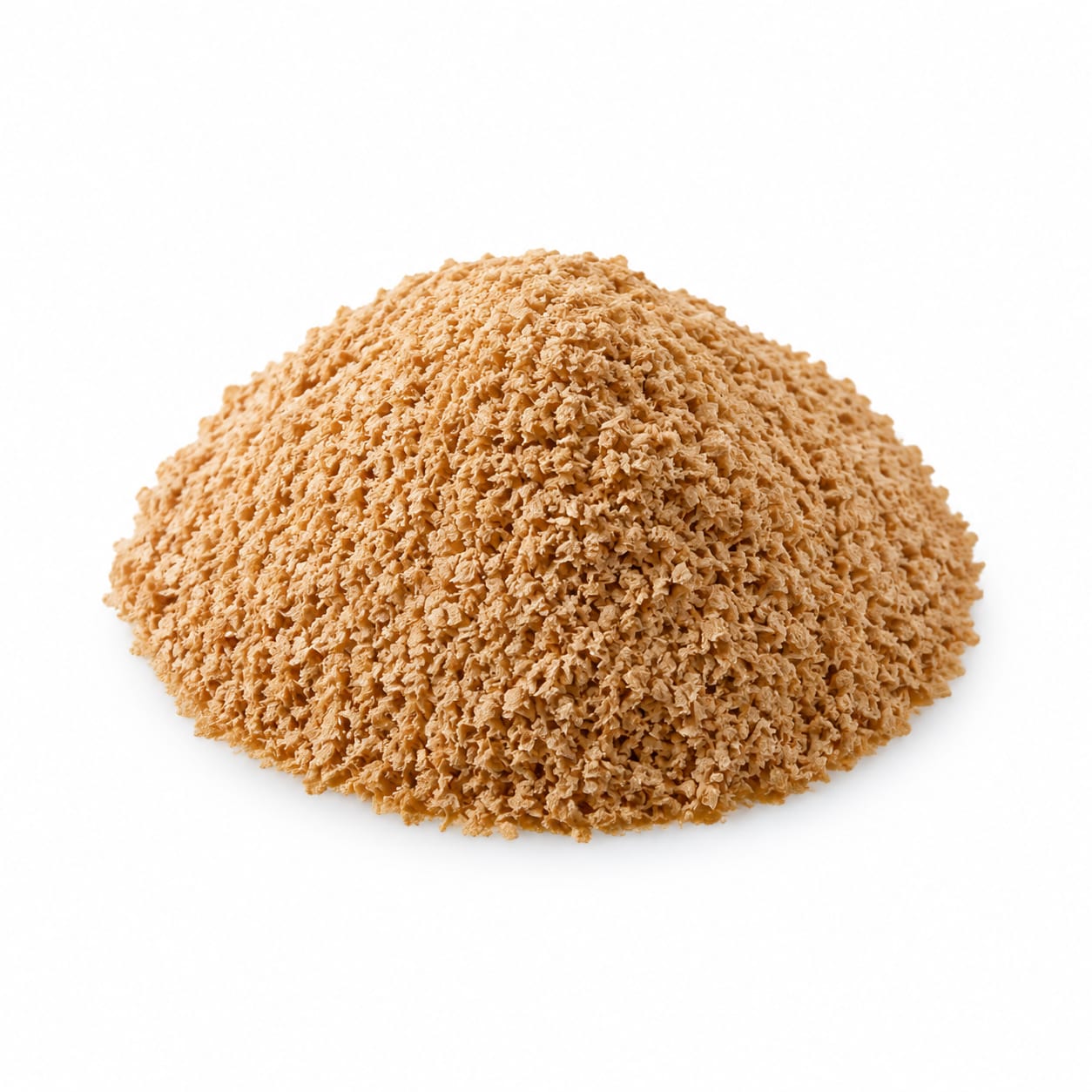
Rice Bran
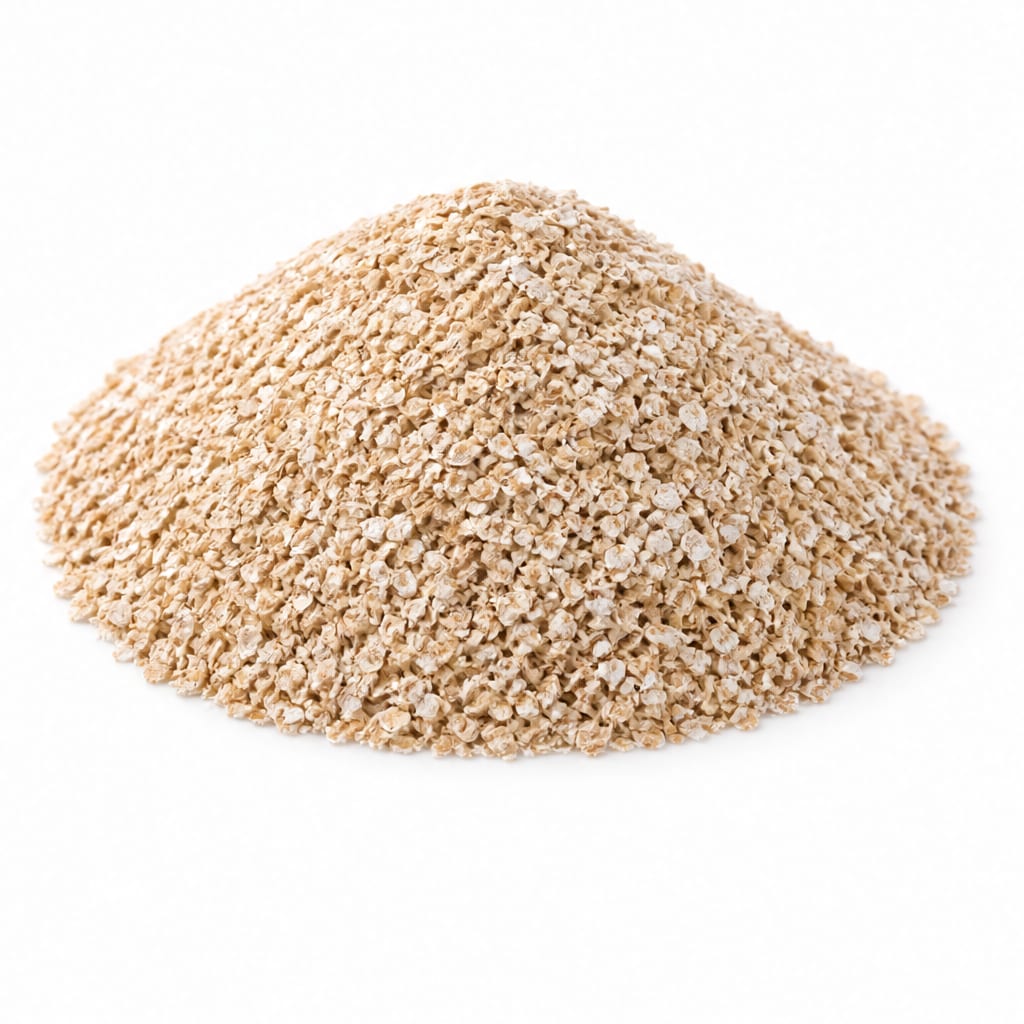
Oat Bran
Oat Bran edges out Rice Bran for daily use thanks to its cholesterol-lowering beta-glucan and safer heavy metal profile, though Rice Bran offers a superior antioxidant and micronutrient boost.
Oat Bran scores higher due to its proven cardiovascular benefits and safer heavy metal profile, making it more suitable for consistent daily consumption.
Proven heart-health fiber and safety versus a richer antioxidant profile and healthy fats.
At a glance
Executive summary
Overall
Oat Bran
Healthier
Oat Bran
More practical
Oat Bran
Daily use
Oat Bran
Key comparison lenses
Cholesterol management and heart health
Oat Bran's beta-glucan is a gold-standard soluble fiber for lowering cholesterol, making it a primary reason users choose bran.
Heavy metal and safety concerns
Rice Bran concentrates arsenic from the environment, which is a critical safety factor for daily consumption.
Fiber type and digestion
The difference between Oat Bran's gel-forming soluble fiber and Rice Bran's mix of soluble and insoluble fiber affects satiety and digestion.
Antioxidant and micronutrient density
Rice Bran offers unique antioxidants like gamma-oryzanol and higher healthy fats, providing a different nutritional value.
Best choice for
Rice Bran
- Boosting antioxidant intake with Rice Bran
- Adding healthy fats and vitamin E to smoothies using Rice Bran
- Baking nutrient-dense goods with Rice Bran
Oat Bran
- Lowering cholesterol with Oat Bran
- Managing blood sugar with Oat Bran
- Eating a filling hot breakfast of Oat Bran
Least suitable for
Rice Bran
- Daily large-quantity consumption due to arsenic risk in Rice Bran
- People strictly managing heavy metal intake should limit Rice Bran
Oat Bran
- Those with severe gluten sensitivity or celiac should avoid Oat Bran unless certified gluten-free
- People wanting a low-fat bran option might find Oat Bran slightly higher in fat than expected
Deep comparison
Dimension by dimension
Each lens scores both foods and breaks down who each option suits.
- Dimension 1 · Priority 95Oat Bran
Heart Health & Cholesterol
Rice Bran · 70Oat Bran · 95Oat Bran is a powerhouse for lowering cholesterol, while Rice Bran supports heart health mostly through antioxidants and healthy fats.
Tradeoff
You trade the clinically proven cholesterol-lowering effect of Oat Bran's beta-glucan for Rice Bran's heart-protective antioxidants.
Why it matters
If actively trying to reduce LDL cholesterol, Oat Bran is the more reliable daily tool.
Real-world impact
Eating Oat Bran regularly can lead to noticeably better cholesterol blood work; Rice Bran offers more subtle, long-term cellular protection.
Rice Bran
- Cellular protection from oxidative stress via Rice Bran
Better for
- Rice Bran lacks the high-dose soluble fiber needed to actively pull cholesterol out
Worse for
Oat Bran
- Directly lowering LDL cholesterol with Oat Bran
- Improving artery flexibility using Oat Bran
Better for
- Oat Bran has fewer unique antioxidants compared to Rice Bran
Worse for
- Dimension 2 · Priority 80Rice Bran
Nutrient Density & Antioxidants
Rice Bran · 92Oat Bran · 75Rice Bran is surprisingly rich in healthy fats, B vitamins, and unique antioxidants like gamma-oryzanol, which Oat Bran lacks.
Tradeoff
Rice Bran offers a broader micronutrient and antioxidant spectrum, but comes with more calories from fat.
Why it matters
If your diet is generally low in healthy fats and antioxidants, Rice Bran provides a meaningful upgrade.
Real-world impact
Adding Rice Bran to a smoothie gives a nutty flavor and a boost of vitamin E, whereas Oat Bran adds mostly carbs and fiber.
Rice Bran
- Increasing vitamin E intake via Rice Bran
- Getting gamma-oryzanol for menopause or antioxidant support from Rice Bran
- Adding healthy fats with Rice Bran
Better for
- Higher calorie density from fat in Rice Bran might not fit strict macros
Worse for
Oat Bran
- Keeping fat content low while maximizing fiber with Oat Bran
Better for
- Oat Bran has a less impressive micronutrient profile beyond fiber and a few minerals
Worse for
- Dimension 3 · Priority 88Oat Bran
Satiety & Blood Sugar Control
Rice Bran · 78Oat Bran · 90Oat Bran's soluble fiber forms a thick gel in your gut, keeping you full longer and flattening blood sugar spikes better than Rice Bran.
Tradeoff
Oat Bran creates a thicker, more satisfying texture for breakfast, while Rice Bran is lighter but less filling.
Why it matters
Staying full until lunch and avoiding the mid-morning crash is easier with Oat Bran.
Real-world impact
A bowl of Oat Bran feels like a substantial meal; Rice Bran blended into a drink feels more like a supplement.
Rice Bran
- Lighter meals where you don't want a heavy feeling from Rice Bran
Better for
- Rice Bran has less gel-forming ability, meaning slightly faster digestion
Worse for
Oat Bran
- Preventing afternoon energy crashes with Oat Bran
- Controlling cravings between meals using Oat Bran
Better for
- Oat Bran can feel too heavy or thick if overcooked
Worse for
- Dimension 4 · Priority 90Oat Bran
Safety & Heavy Metals
Rice Bran · 55Oat Bran · 90Rice Bran can concentrate inorganic arsenic from the soil, posing a risk for daily consumers, whereas Oat Bran has minimal heavy metal concerns.
Tradeoff
Rice Bran's nutritional benefits come with a higher heavy metal tradeoff, requiring portion control.
Why it matters
Eating Rice Bran every day in large amounts could lead to undesirable arsenic exposure over time.
Real-world impact
You can eat Oat Bran daily without worry, but Rice Bran is best used as an occasional superfood booster rather than a staple.
Rice Bran
- Sourcing Rice Bran from California or specific low-arsenic regions can mitigate risk
Better for
- Unsuitable as a high-volume daily staple due to arsenic in Rice Bran
Worse for
Oat Bran
- Safe for unrestricted daily consumption of Oat Bran
- No heavy metal accumulation concerns with Oat Bran
Better for
- Oats can sometimes have glyphosate residue (choose organic Oat Bran)
Worse for
Timeline
Health impact over time
Short-term
Hours to days
Rice Bran
- Provides quick, light energy with a nutty flavor from Rice Bran
- Adds healthy fats from Rice Bran that aid nutrient absorption
Oat Bran
- Creates a strong feeling of fullness from Oat Bran
- Stabilizes morning blood sugar effectively with Oat Bran
Long-term
Months to years
Rice Bran
- Excellent antioxidant protection from gamma-oryzanol in Rice Bran
- Potential arsenic exposure if Rice Bran is consumed in large amounts daily
Oat Bran
- Clinically proven reduction in heart disease risk via lower cholesterol from Oat Bran
- Improved gut health from consistent soluble fiber intake of Oat Bran
Risk profile
Safety & processing
Both are natural byproducts of grain milling. Neither typically contains artificial additives when purchased as pure bran.
Rice Bran
Inorganic Arsenic
highRice naturally absorbs more arsenic from soil, and the bran holds the highest concentration. Limit daily intake of Rice Bran.
Oat Bran
Glyphosate Residue
mediumOats are often sprayed with glyphosate as a desiccant. Choosing organic Oat Bran significantly reduces this risk.
Who wins for whom
Audience fit
Same foods, different winners depending on your goal.
children
Oat BranOat Bran makes a creamy, comforting porridge that kids accept easily, and it avoids the arsenic concerns critical for developing bodies.
daily consumption
Oat BranOat Bran is safer for daily, high-volume consumption due to the absence of arsenic concerns found in Rice Bran.
diabetes
Oat BranThe beta-glucan in Oat Bran is exceptionally effective at slowing glucose absorption and flattening blood sugar curves.
elderly
Oat BranHeart health and cholesterol management are crucial for older adults, and Oat Bran is the most proven food for this.
muscle gain
It dependsNeither is a primary protein source, but Rice Bran offers slightly more healthy fats for hormone production, while Oat Bran provides steadier energy.
weight loss
Oat BranOat Bran's high soluble fiber creates a gel that keeps you full for hours, making it easier to eat less overall.
Your move
Decision guide
Choose Rice Bran
- You want a potent antioxidant boost in smoothies or baking using Rice Bran
- You are looking for plant-based healthy fats and vitamin E from Rice Bran
- You will use Rice Bran moderately a few times a week, not as a daily staple
Choose Oat Bran
- You want a filling, hot breakfast cereal made from Oat Bran
- You are actively trying to lower your cholesterol with Oat Bran
- You need a safe, daily fiber source without heavy metal worries from Oat Bran
Either works if
- You want to add fiber to baked goods using either bran
- You are mixing up your grain sources for microbiome diversity
Avoid both if
- You have severe grain or gluten sensitivities (Oat Bran may have cross-contamination)
- You are on a strict very-low-carb or keto diet
Final recommendation
Make Oat Bran your daily breakfast or fiber staple for its safety and cholesterol benefits, and keep Rice Bran in the pantry as an occasional superfood booster for its unique antioxidants and healthy fats.
Practical
Consumer tips
- 1
If buying Rice Bran, look for brands that test for arsenic or source from California rice.
- 2
Choose organic Oat Bran to avoid glyphosate residue.
- 3
Oat Bran makes a great 2-minute microwave porridge; Rice Bran is better blended into yogurt or smoothies since it doesn't thicken as well.
- 4
Store both in the fridge or freezer—the natural oils in bran, especially Rice Bran, can go rancid quickly at room temperature.