
Nutrition comparison
Rice Bran vs Wheat Germ: Which Nutritional Powerhouse Is Better?
Compare Rice Bran and Wheat Germ to see which is better for protein, heart health, and gluten-free diets. Learn the key nutritional differences and tradeoffs.
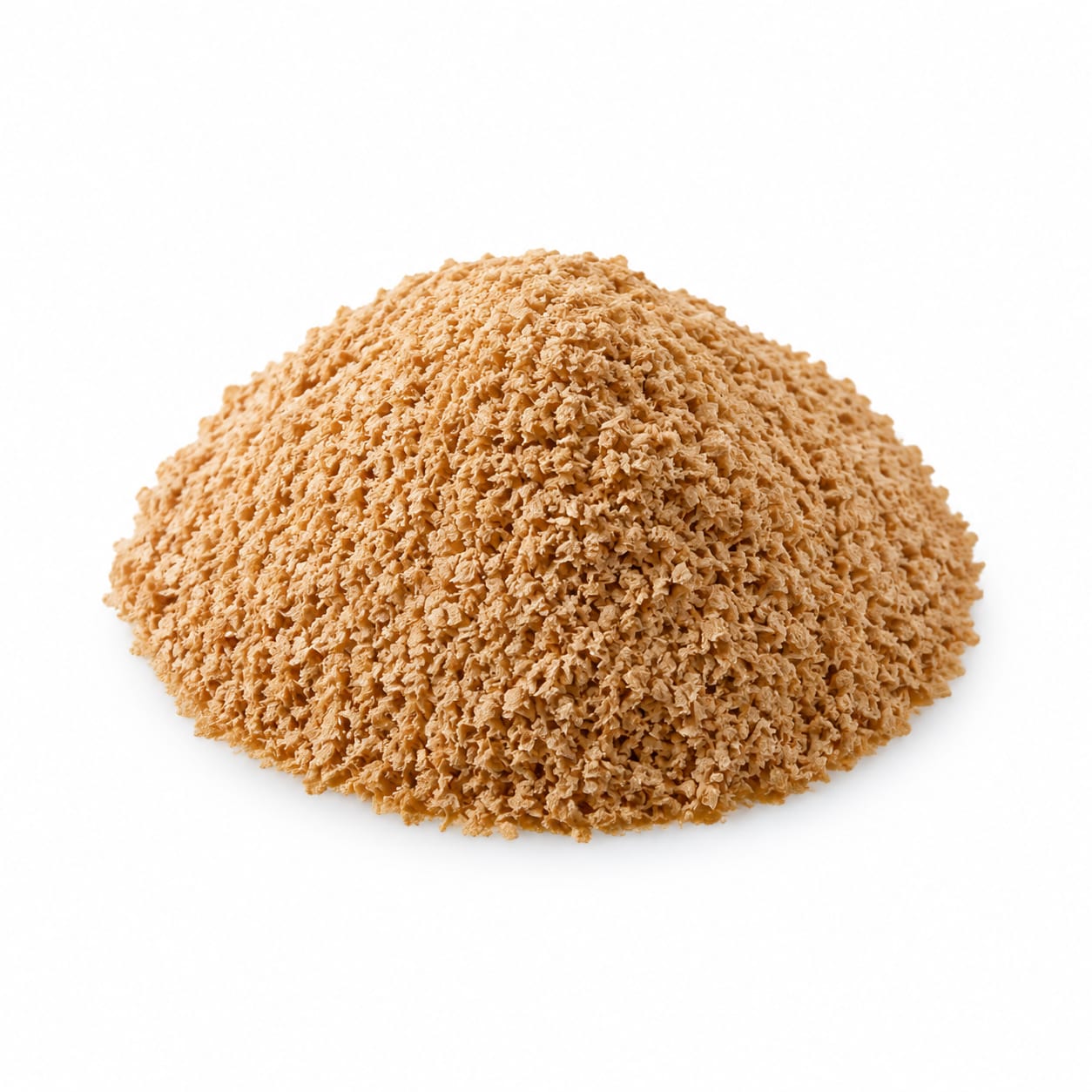
Rice Bran
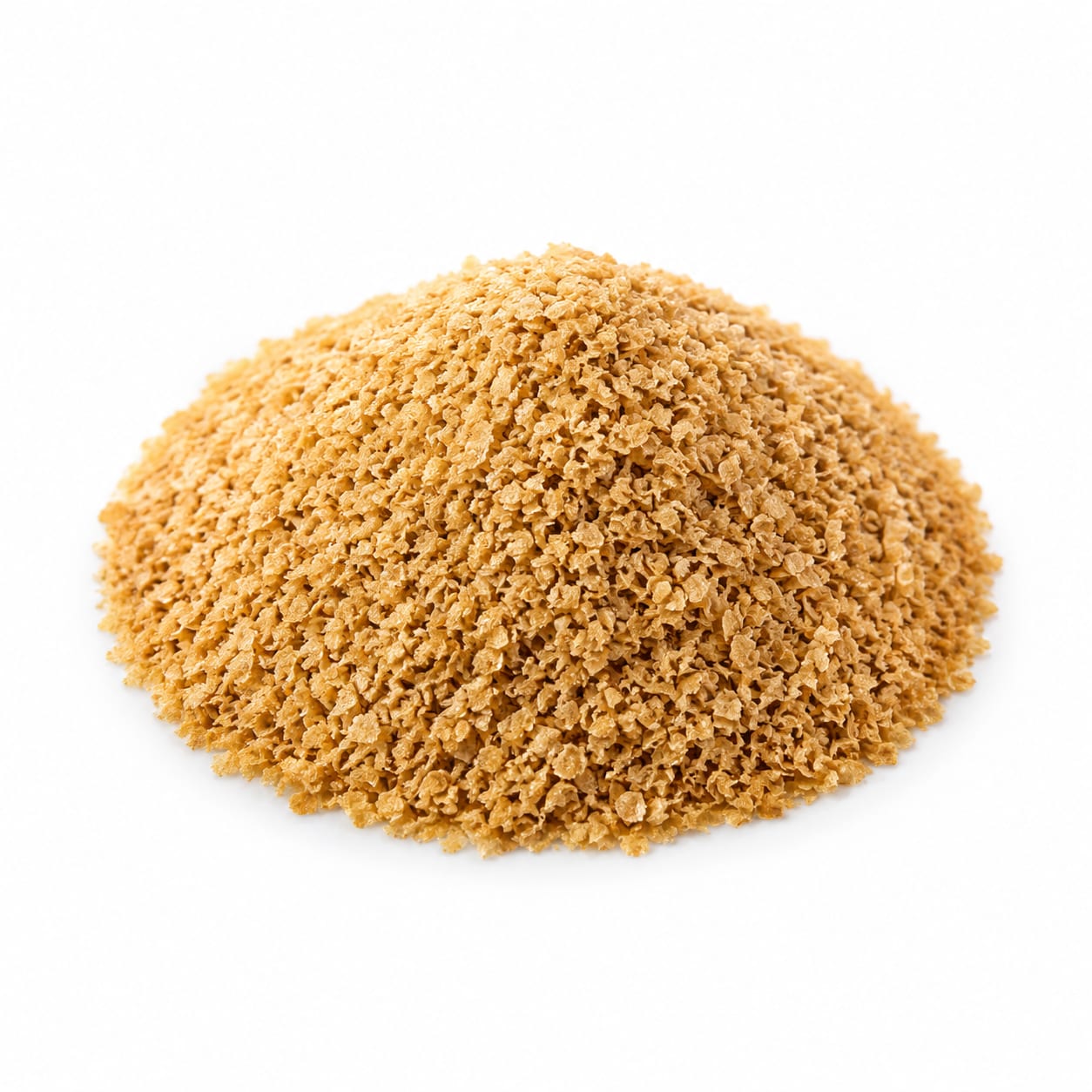
Wheat Germ
Rice Bran wins for heart health and gluten-free diets, while Wheat Germ takes the lead for protein and B-vitamins.
Wheat Germ slightly edges out Rice Bran in overall nutrient density and protein, but Rice Bran's targeted heart benefits and gluten-free nature keep it highly competitive.
The heart-healthy fats and gluten-free profile of Rice Bran versus the superior protein and nutrient density of Wheat Germ.
At a glance
Executive summary
Overall
It depends
Healthier
It depends
More practical
Rice Bran
Daily use
Rice Bran
Key comparison lenses
Nutritional supplement and superfood boosting
Both are nutrient-dense milling byproducts typically used to upgrade smoothies, yogurt, or baking.
Gluten sensitivity and allergen avoidance
Wheat Germ contains gluten, making Rice Bran the automatic choice for celiacs or those with wheat sensitivities.
Heart health and cholesterol management
Rice Bran contains unique compounds like gamma-oryzanol that specifically target cholesterol reduction.
Shelf stability and rancidity risk
Both contain delicate oils, but Wheat Germ is notorious for spoiling quickly if not refrigerated.
Best choice for
Rice Bran
- Lowering cholesterol naturally
- Gluten-free and celiac diets
- Heart-healthy smoothie boosts
Wheat Germ
- Muscle recovery and growth
- Boosting B-vitamin and zinc intake
- Adding protein to plant-based meals
Least suitable for
Rice Bran
- Those needing high protein intake
- People strictly limiting dietary fat
Wheat Germ
- Anyone with celiac disease or gluten intolerance
- People who forget to refrigerate their pantry items
Deep comparison
Dimension by dimension
Each lens scores both foods and breaks down who each option suits.
- Dimension 1 · Priority 95Wheat Germ
Nutrient Density & Protein
Rice Bran · 75Wheat Germ · 92Wheat Germ packs significantly more protein and B-vitamins, making it a stronger general nutrient booster.
Tradeoff
You gain protein and zinc with Wheat Germ, but miss out on the unique heart-healthy fats found in Rice Bran.
Why it matters
Protein is crucial for muscle repair and satiety, while B-vitamins fuel daily energy levels.
Real-world impact
Adding Wheat Germ to a morning smoothie keeps you fuller longer, whereas Rice Bran offers a lighter nutritional addition.
Rice Bran
- Healthy fat intake
- Vitamin E tocotrienols
Better for
- High protein diets
- B-vitamin deficiency
Worse for
Wheat Germ
- Muscle recovery
- Energy metabolism
- Immune support via zinc
Better for
- Low-fat diets
Worse for
- Dimension 2 · Priority 90Rice Bran
Heart Health & Cholesterol
Rice Bran · 94Wheat Germ · 78Rice Bran is uniquely rich in gamma-oryzanol, a compound specifically shown to lower LDL cholesterol.
Tradeoff
While Wheat Germ offers general cardiovascular support via vitamin E, Rice Bran provides targeted cholesterol-lowering benefits.
Why it matters
Managing cholesterol is one of the most impactful things you can do for long-term heart health.
Real-world impact
Consistently eating Rice Bran can lead to noticeably better blood work at your annual checkup.
Rice Bran
- Lowering LDL cholesterol
- Reducing heart disease risk factors
Better for
Wheat Germ
- Antioxidant protection for blood vessels
Better for
- Targeted cholesterol management
Worse for
- Dimension 3 · Priority 85Rice Bran
Allergen Profile & Digestibility
Rice Bran · 95Wheat Germ · 40Rice Bran is naturally gluten-free, making it safe for those with celiac disease or gluten intolerance.
Tradeoff
Wheat Germ contains gluten, which eliminates it for a significant portion of the population with digestive sensitivities.
Why it matters
For people with celiac disease, consuming even trace gluten causes severe digestive damage and inflammation.
Real-world impact
Rice Bran allows those with gluten issues to enjoy a nutrient-dense grain booster without bloating or pain.
Rice Bran
- Celiac disease
- Gluten sensitivity
- Easier digestion
Better for
Wheat Germ
- Celiac disease
- Wheat allergies
- IBS triggered by gluten
Worse for
- Dimension 4 · Priority 70Rice Bran
Shelf Life & Practicality
Rice Bran · 85Wheat Germ · 55Stabilized Rice Bran can last months in the pantry, while Wheat Germ turns rancid quickly and requires refrigeration.
Tradeoff
Wheat Germ demands careful storage and faster use, whereas Rice Bran is a low-maintenance pantry staple.
Why it matters
Rancid oils not only taste terrible but also create inflammatory free radicals that undo health benefits.
Real-world impact
You can keep Rice Bran in a cupboard for easy daily use, but you might forget about Wheat Germ in the back of the fridge.
Rice Bran
- Pantry storage
- Buying in bulk
- Convenience
Better for
Wheat Germ
- Spontaneous use
- Warm climates
- People who forget fridge items
Worse for
Timeline
Health impact over time
Short-term
Hours to days
Rice Bran
- Increased fullness from fiber
- Steadier blood sugar levels
- Mild digestive adjustment if introducing too quickly
Wheat Germ
- Quick energy boost from B-vitamins
- Added satiety from higher protein
- Risk of stomach upset if consumed rancid
Long-term
Months to years
Rice Bran
- Improved cholesterol levels
- Better heart health markers
- Sustained digestive regularity
Wheat Germ
- Enhanced nutrient intake, especially zinc and folate
- Support for muscle maintenance
- Improved immune resilience
Risk profile
Safety & processing
Both Rice Bran and Wheat Germ are natural byproducts of grain milling, containing no artificial additives when purchased pure.
Rice Bran
Arsenic contamination
mediumRice naturally accumulates arsenic from soil and water, and the bran holds the highest concentration of the grain.
Wheat Germ
Rancidity
mediumHigh fat content oxidizes quickly at room temperature, leading to spoiled, inflammatory oils if not refrigerated.
Gluten exposure
highContains gluten, which is dangerous for individuals with celiac disease or severe wheat allergies.
Who wins for whom
Audience fit
Same foods, different winners depending on your goal.
children
Wheat GermWheat Germ provides more growth-essential nutrients like protein, zinc, and folate, assuming no gluten issues.
daily consumption
Rice BranRice Bran is easier to store, has a longer shelf life, and offers consistent daily heart health benefits without gluten concerns.
diabetes
Rice BranRice Bran has a lower glycemic impact and its unique fiber blend helps stabilize blood sugar more effectively.
elderly
Rice BranRice Bran is gentler on digestion, gluten-free, and specifically supports the cholesterol management needs common in older adults.
muscle gain
Wheat GermWheat Germ provides significantly more protein and zinc, both critical for muscle repair and growth.
weight loss
Rice BranRice Bran has slightly fewer calories per serving and more fiber, promoting a fuller feeling with less volume.
Your move
Decision guide
Choose Rice Bran
- You have celiac disease or gluten sensitivity
- Your primary goal is lowering cholesterol
- You want a shelf-stable pantry booster
Choose Wheat Germ
- You need a protein boost in smoothies or yogurt
- You want to increase B-vitamin and zinc intake
- You have no gluten issues and prioritize nutrient density
Either works if
- You just want to add whole grain fiber to your diet
- You are looking for a nutritious topping for oatmeal or baking
Avoid both if
- You are on a strict low-fiber diet for digestive rest
- You have severe grain allergies
Final recommendation
If you are gluten-free or focused on heart health, Rice Bran is your clear winner. If you tolerate gluten and want a protein and nutrient boost, Wheat Germ is the better addition to your meals.
Practical
Consumer tips
- 1
Store Wheat Germ in the refrigerator or freezer immediately after opening to prevent it from going rancid.
- 2
Look for 'Stabilized Rice Bran' to ensure it will not spoil quickly at room temperature.
- 3
If concerned about arsenic in Rice Bran, check if the brand tests for heavy metals or sources from low-arsenic regions.
- 4
Toast Wheat Germ lightly in a dry pan to bring out a nutty flavor before adding it to foods.