
Nutrition comparison
Rice Bran vs Coconut Flour: Which Is Better for Keto, Fiber, and Health?
Compare Rice Bran and Coconut Flour on fiber, net carbs, arsenic risk, keto baking suitability, and nutritional value. Find out which specialty flour fits your diet goals.
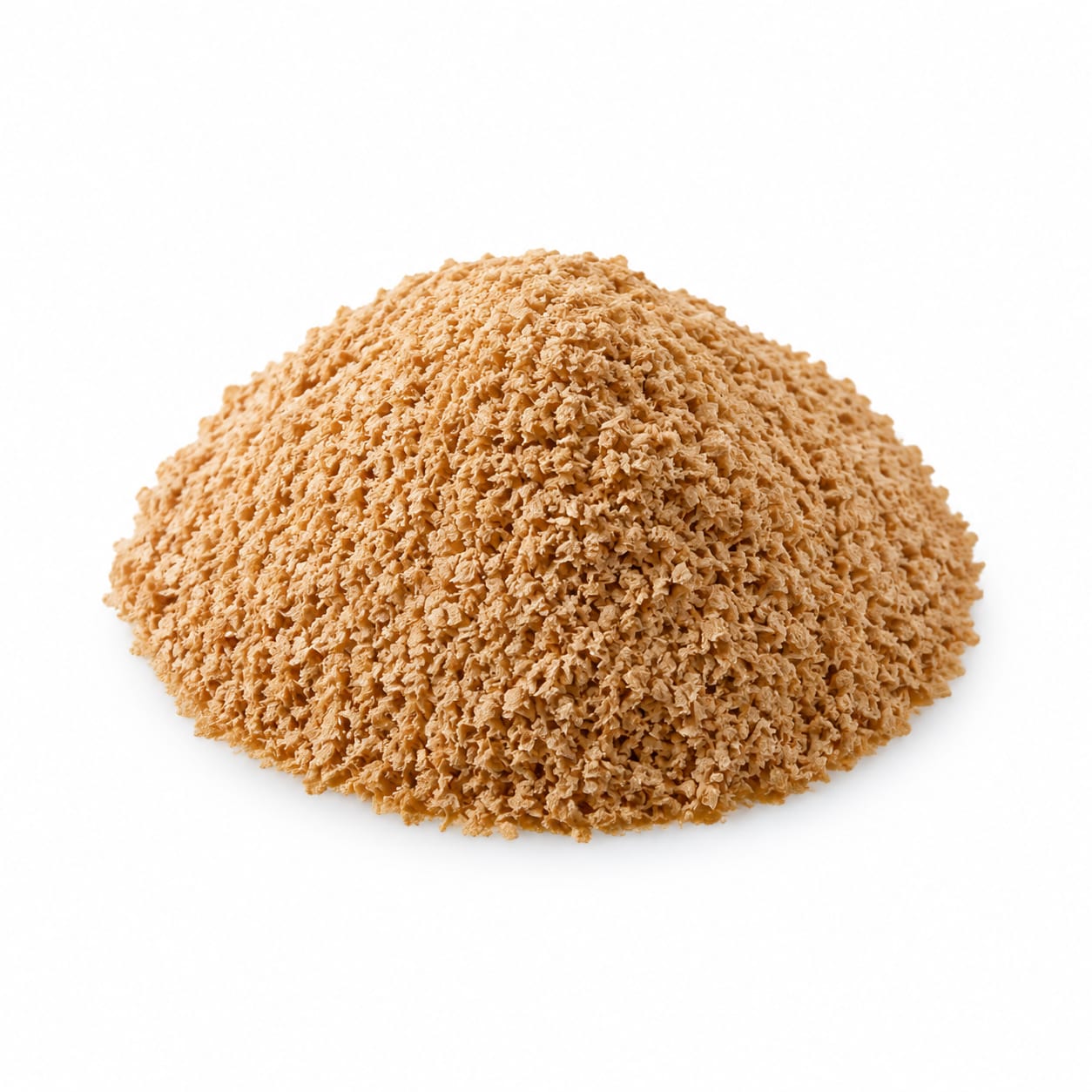
Rice Bran
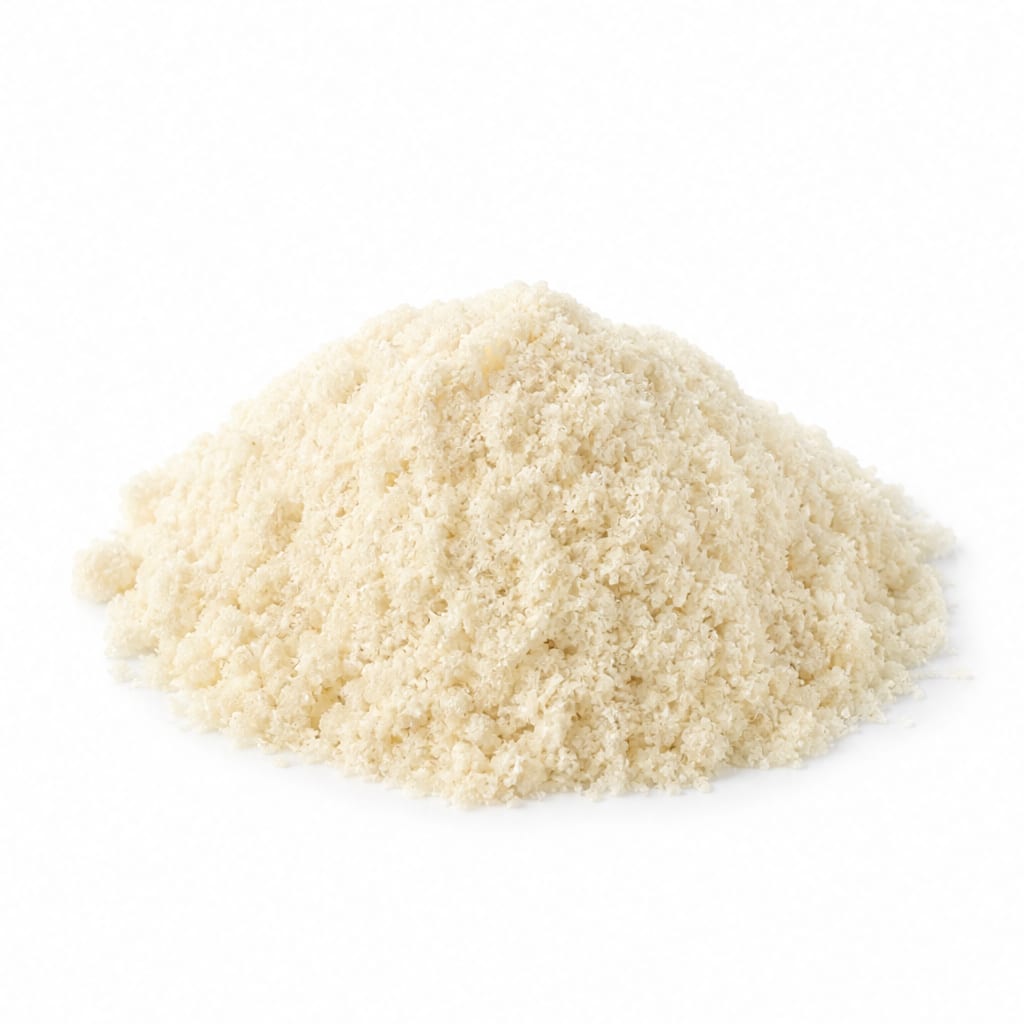
Coconut Flour
Coconut Flour wins for low-carb and keto baking with dramatically higher fiber and lower net carbs. Rice Bran offers superior micronutrients and unique antioxidants but comes with arsenic concerns and more carbs.
Coconut Flour scores higher primarily due to its superior fiber-to-carb ratio, keto compatibility, and blood sugar benefits. Rice Bran remains valuable for its micronutrient density and unique antioxidants but loses ground on arsenic risk and higher net carbs.
Coconut Flour gives you keto-friendly baking and massive fiber at the cost of tricky recipe handling. Rice Bran delivers richer vitamins and gamma-oryzanol but carries arsenic risk and more carbohydrates.
At a glance
Executive summary
Overall
It depends
Healthier
It depends
More practical
Rice Bran
Daily use
Coconut Flour
Key comparison lenses
low-carb and keto baking suitability
Coconut Flour is a staple in keto baking while Rice Bran is carb-heavier, making this the primary decision driver for most users comparing these two
fiber and digestive health optimization
Both are high-fiber ingredients but with very different fiber profiles and digestive effects, a key differentiator
blood sugar management
Users comparing these are often managing diabetes or metabolic health and need to understand glycemic tradeoffs
baking practicality and recipe compatibility
These are specialty flours with very different handling requirements that significantly affect kitchen usability
toxin and contaminant safety
Rice Bran carries arsenic concerns while Coconut Flour has allergy considerations, making safety a meaningful factor
Best choice for
Rice Bran
- Boosting vitamin and mineral intake as a nutritional supplement
- Adding mild nutty flavor to smoothies or oatmeal
- Supporting heart health with gamma-oryzanol and tocotrienols
- Those who find coconut products difficult to digest
Coconut Flour
- Keto and low-carb baking needs
- Maximizing fiber intake for gut health
- Blood sugar management and diabetes-friendly cooking
- Satiety and appetite control on calorie-restricted diets
Least suitable for
Rice Bran
- Keto or very low-carb diets due to higher carb content
- Those concerned about arsenic exposure from rice products
- Standalone baking flour replacement
- People seeking high-fiber low-net-carb options
Coconut Flour
- Anyone with coconut or tree nut allergies
- Beginner bakers unfamiliar with its extreme absorbency
- Those sensitive to very high fiber loads causing bloating
- Budget-conscious shoppers as it tends to be pricier
Deep comparison
Dimension by dimension
Each lens scores both foods and breaks down who each option suits.
- Dimension 1 · Priority 95Coconut Flour
Fiber Content and Gut Health
Rice Bran · 55Coconut Flour · 92Coconut Flour delivers roughly 38-40g of fiber per 100g compared to Rice Bran's 21-25g, making it one of the most fiber-dense foods available.
Tradeoff
Coconut Flour's extreme fiber can cause bloating and gas if you increase intake too quickly, while Rice Bran offers gentler fiber that's easier to tolerate daily.
Why it matters
Fiber drives fullness, feeds gut bacteria, and stabilizes blood sugar. The difference here is substantial enough to change how you feel after eating.
Real-world impact
Two tablespoons of Coconut Flour in a recipe can provide nearly half your daily fiber. Rice Bran would need nearly double the serving to match that, but going too fast with Coconut Flour can leave you uncomfortably full and gassy.
Rice Bran
- Gentle daily fiber supplementation without digestive shock
- Those transitioning to higher fiber diets gradually
Better for
- Falling short of fiber targets if relying on it as a primary source
Worse for
Coconut Flour
- Maximum fiber per calorie for gut microbiome support
- Combating constipation on low-carb diets
- People already adapted to high-fiber intake
Better for
- Causing bloating, gas, or discomfort when consumed in large amounts without adaptation
Worse for
- Dimension 2 · Priority 93Coconut Flour
Blood Sugar and Keto Compatibility
Rice Bran · 40Coconut Flour · 88Coconut Flour has roughly 6-8g net carbs per 100g versus Rice Bran's 30-35g, making it far more suitable for blood sugar control and ketogenic diets.
Tradeoff
Rice Bran provides steadier energy for active people who need carbs, while Coconut Flour essentially removes carbs from the equation but offers less immediate fuel.
Why it matters
For anyone managing diabetes, insulin resistance, or pursuing nutritional ketosis, net carb content is the deciding factor between these two.
Real-world impact
A Coconut Flour pancake breakfast keeps blood sugar flat. A Rice Bran-based equivalent would spike glucose noticeably, making it a poor fit for morning meals if you're carb-sensitive.
Rice Bran
- Active individuals needing carbohydrate fuel for performance
- Endurance athletes who tolerate carbs well
Better for
- Undermining low-carb diet goals
Worse for
Coconut Flour
- Type 2 diabetes management
- Keto diet adherence
- Preventing afternoon energy crashes from blood sugar swings
Better for
- Failing to provide quick energy for high-intensity activity
Worse for
- Dimension 3 · Priority 85Rice Bran
Micronutrient Density and Unique Compounds
Rice Bran · 82Coconut Flour · 48Rice Bran is rich in B vitamins, iron, magnesium, and uniquely contains gamma-oryzanol and tocotrienols. Coconut Flour has modest micronutrients by comparison.
Tradeoff
Rice Bran functions almost like a natural multivitamin with its nutrient breadth, while Coconut Flour's benefits come almost entirely from fiber and fat rather than vitamins and minerals.
Why it matters
Gamma-oryzanol supports cholesterol management and tocotrienols provide potent vitamin E activity. These compounds are hard to find elsewhere in such concentrated form.
Real-world impact
Adding Rice Bran to a smoothie genuinely boosts your vitamin and mineral intake for the day. Coconut Fiber adds fiber but you'll need other foods to cover micronutrients.
Rice Bran
- Natural cholesterol management via gamma-oryzanol
- Supplementing B vitamins through food rather than pills
- Antioxidant protection from tocotrienols
Better for
- Phytic acid reducing absorption of some minerals it contains
Worse for
Coconut Flour
- MCT-related antimicrobial and energy benefits from lauric acid
Better for
- Relatively empty micronutrient profile beyond fiber and fat
Worse for
- Dimension 4 · Priority 82Rice Bran
Baking Practicality and Versatility
Rice Bran · 68Coconut Flour · 45Rice Bran is easier to incorporate into recipes as a supplement or partial flour. Coconut Flour is notoriously difficult, requiring many eggs and liquids due to extreme absorbency.
Tradeoff
Coconut Flour produces genuinely low-carb baked goods but demands recipe-specific knowledge. Rice Bran is more forgiving but cannot replace flour for low-carb baking.
Why it matters
If baking feels like a chore rather than a joy, Coconut Flour's steep learning curve may lead to wasted ingredients and frustration.
Real-world impact
A Coconut Flour recipe calling for 1/4 cup flour might need 4-6 eggs. Get the ratio wrong and you get a dry crumbly mess or soggy batter. Rice Bran sprinkles easily into anything without recipe overhaul.
Rice Bran
- Casual home bakers wanting simple nutritional boosts
- Adding to smoothies, oatmeal, or yogurt without recipe changes
- People who bake infrequently and don't want specialty knowledge
Better for
- Cannot produce low-carb baked goods no matter how you use it
Worse for
Coconut Flour
- Dedicated keto bakers willing to learn specific techniques
- Creating genuinely low-carb breads, muffins, and pancakes
Better for
- High failure rate for inexperienced bakers
- Requires large egg quantities which increases recipe cost and allergen concerns
Worse for
- Dimension 5 · Priority 80Coconut Flour
Safety and Contamination Risk
Rice Bran · 45Coconut Flour · 78Rice Bran concentrates arsenic from the rice grain's outer layer, posing a measurable concern with regular consumption. Coconut Flour's main risk is allergic reactions.
Tradeoff
Arsenic exposure is cumulative and invisible, making Rice Bran riskier over time. Coconut allergies are acute but avoidable if you know your allergy status.
Why it matters
Chronic arsenic exposure from rice products is an established health concern, especially for children and pregnant women. This isn't theoretical—it's measurable.
Real-world impact
Eating Rice Bran daily for months could contribute meaningfully to arsenic load. Coconut Flour poses no heavy metal concern but would cause an immediate reaction in allergic individuals.
Rice Bran
- People without long-term daily consumption plans
Better for
- Chronic arsenic exposure risk with regular consumption
- Pregnant women should limit rice product intake
Worse for
Coconut Flour
- Long-term daily use without cumulative toxin concerns
- Families with children where arsenic exposure matters more
Better for
- Acute allergic reactions in coconut-sensitive individuals
Worse for
- Dimension 6 · Priority 78Coconut Flour
Satiety and Appetite Control
Rice Bran · 58Coconut Flour · 80Coconut Flour's combination of high fiber, fat, and protein creates stronger fullness signals per calorie than Rice Bran.
Tradeoff
Coconut Flour keeps you fuller longer but can feel heavy. Rice Bran provides lighter satiety that may leave you hungry sooner.
Why it matters
On calorie-restricted diets, the food that keeps you satisfied longer is usually the one you can stick with.
Real-world impact
A Coconut Flour muffin at breakfast can suppress hunger until lunch. A Rice Bran-enhanced smoothie might have you snacking by mid-morning.
Rice Bran
- Lighter meals where you don't want to feel overly stuffed
Better for
- Less effective at preventing between-meal snacking
Worse for
Coconut Flour
- Weight loss diets where appetite control is critical
- Intermittent fasting support during eating windows
Better for
- Heavy feeling that some find uncomfortable, especially in warm weather
Worse for
Timeline
Health impact over time
Short-term
Hours to days
Rice Bran
- Mild energy boost from carbohydrate content
- Steady digestive support without sudden fiber shock
- Possible mild blood sugar rise depending on serving size
Coconut Flour
- Strong feeling of fullness even from small servings
- Possible bloating or gas if consuming large amounts without gradual adaptation
- Minimal blood sugar impact making it comfortable for glucose-sensitive individuals
Long-term
Months to years
Rice Bran
- Potential cumulative arsenic exposure with daily use
- Heart health support from gamma-oryzanol and tocotrienols with consistent intake
- Improved B vitamin status contributing to energy metabolism
Coconut Flour
- Substantially improved gut microbiome diversity from high fiber feeding
- Better long-term blood sugar regulation supporting metabolic health
- Possible mineral absorption interference from phytic acid if not balanced with varied diet
Risk profile
Safety & processing
Both are mechanically processed byproducts—Rice Bran from rice milling and Coconut Flour from coconut meat pressing and grinding. Neither typically contains artificial additives, but both are far from their whole-food source. Rice Bran is the outer layer stripped from brown rice, while Coconut Flour is the defatted residue left after coconut milk or oil extraction.
Rice Bran
Inorganic arsenic concentration
highRice Bran concentrates arsenic from the grain's outer layers at levels significantly higher than white rice. Regular daily consumption poses cumulative exposure risk, especially concerning for children and pregnant women.
Phytic acid mineral interference
mediumRice Bran contains phytic acid that binds iron, zinc, and calcium, reducing their absorption. This matters if Rice Bran is a daily staple without adequate mineral intake from other sources.
Rancidity from fat content
mediumRice Bran contains oils that can go rancid relatively quickly once opened. Store in cool, dark conditions and use within a few months of opening.
Coconut Flour
Coconut or tree nut allergic reactions
highThough coconut allergy is less common than other tree nuts, the FDA classifies coconut as a tree nut. Reactions can be severe in sensitive individuals.
Digestive distress from sudden high fiber
mediumJumping into large servings of Coconut Flour without gradual fiber increase can cause significant bloating, cramping, and gas.
Cross-contamination in processing facilities
lowSome Coconut Flour brands process in facilities handling other allergens. Check labels if you have multiple food allergies.
Who wins for whom
Audience fit
Same foods, different winners depending on your goal.
children
It dependsRice Bran's arsenic risk is more concerning for children's smaller bodies, but Coconut Flour's high fiber can cause digestive discomfort in kids not used to it. Use either in moderation.
daily consumption
Coconut FlourCoconut Flour can be used daily without cumulative toxin concerns. Rice Bran's arsenic concentration makes daily long-term use less advisable.
diabetes
Coconut FlourCoconut Flour's minimal net carb content makes it dramatically safer for blood sugar management, allowing baked goods without glucose spikes.
elderly
Coconut FlourOlder adults benefit more from Coconut Flour's fiber for preventing constipation and its low glycemic impact, assuming no coconut allergy.
muscle gain
It dependsNeither is ideal for muscle gain specifically. Rice Bran offers more carbs for training fuel, while Coconut Flour has slightly more protein per calorie, but both should be supplementary to higher-protein foods.
weight loss
Coconut FlourCoconut Flour's extreme fiber and fat content creates stronger satiety per calorie, making portion control easier and reducing between-meal snacking urges.
Your move
Decision guide
Choose Rice Bran
- You want a nutrient-dense supplement for smoothies, oatmeal, or yogurt rather than a baking flour
- Heart health is a priority and you value gamma-oryzanol and tocotrienol benefits
- You're an active person who tolerates carbohydrates and needs training fuel
- You find coconut products difficult to digest or have a coconut sensitivity
- You plan to use it a few times per week rather than daily, minimizing arsenic concerns
Choose Coconut Flour
- You're on a keto, low-carb, or diabetic diet and need baking flour that won't spike blood sugar
- Maximum fiber intake for gut health is your primary goal
- You want stronger appetite control on a calorie-restricted diet
- You bake regularly and are willing to learn Coconut Flour's unique handling requirements
- You plan to use it daily and want to avoid cumulative arsenic exposure
Either works if
- You're simply looking to add more fiber and nutrition to an already varied diet
- You rotate between multiple flour alternatives and don't rely on just one
- Cost is a factor and you'll choose whichever is more affordable locally
Avoid both if
- You have severe digestive conditions like SIBO that react poorly to high fiber
- You need a simple all-purpose flour replacement without specialty handling
- You're looking for significant protein content—neither delivers enough to be a protein source
Final recommendation
For most health-conscious users, Coconut Flour is the more impactful daily choice thanks to its unmatched fiber density, low net carbs, and safety profile. Rice Bran earns a place as a micronutrient booster and heart-health supplement, but its arsenic concern and higher carbs make it better as an occasional addition rather than a daily staple. If keto baking is your goal, Coconut Flour is the clear answer. If you want a gentle nutritional boost for smoothies and breakfast bowls, Rice Bran works well in moderation.
Practical
Consumer tips
- 1
Start with one teaspoon of Coconut Flour daily and increase gradually over two weeks to avoid bloating and gas
- 2
When baking with Coconut Flour, use roughly one quarter the amount of regular flour and add one extra egg per tablespoon of Coconut Flour
- 3
Store Rice Bran in the refrigerator or freezer after opening to prevent rancidity from its natural oils
- 4
Source Rice Bran from brands that test for arsenic levels—California-grown rice tends to have lower arsenic than southern US rice
- 5
Coconut Flour absorbs massive amounts of liquid—let batters rest for five minutes before judging consistency
- 6
Mix Rice Bran into oatmeal, yogurt, or smoothies rather than trying to bake with it as a primary flour
- 7
If using Rice Bran regularly, consider limiting other rice products in your diet to reduce total arsenic exposure
- 8
Buy Coconut Flour in small quantities first to test your tolerance and baking comfort before committing to larger bags