
Nutrition comparison
Rice Bran vs Flaxseed Meal: Which Is Better for You?
Compare rice bran and flaxseed meal to see which fiber and fat source fits your health goals. Learn about omega-3s, oryzanol, and storage differences.
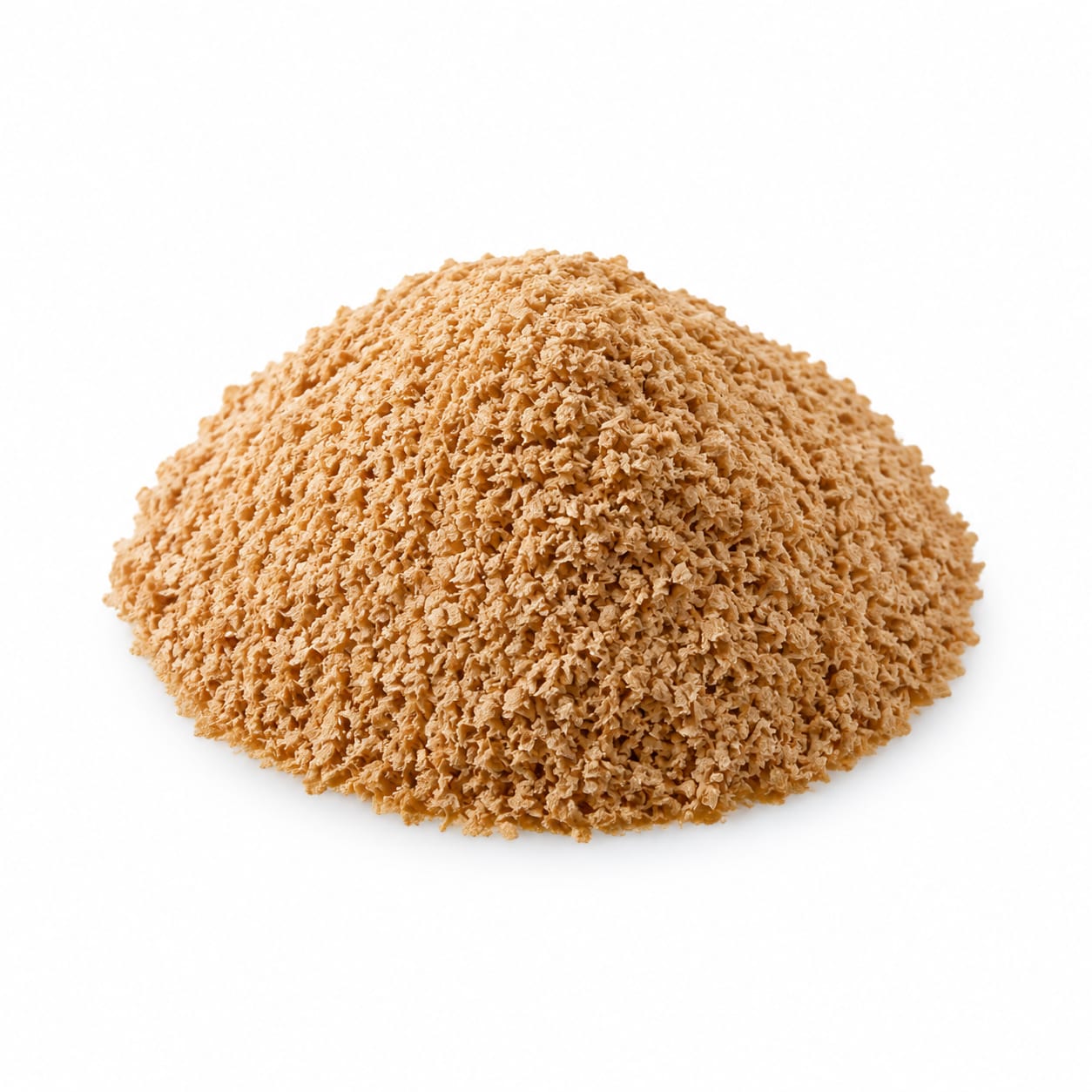
Rice Bran
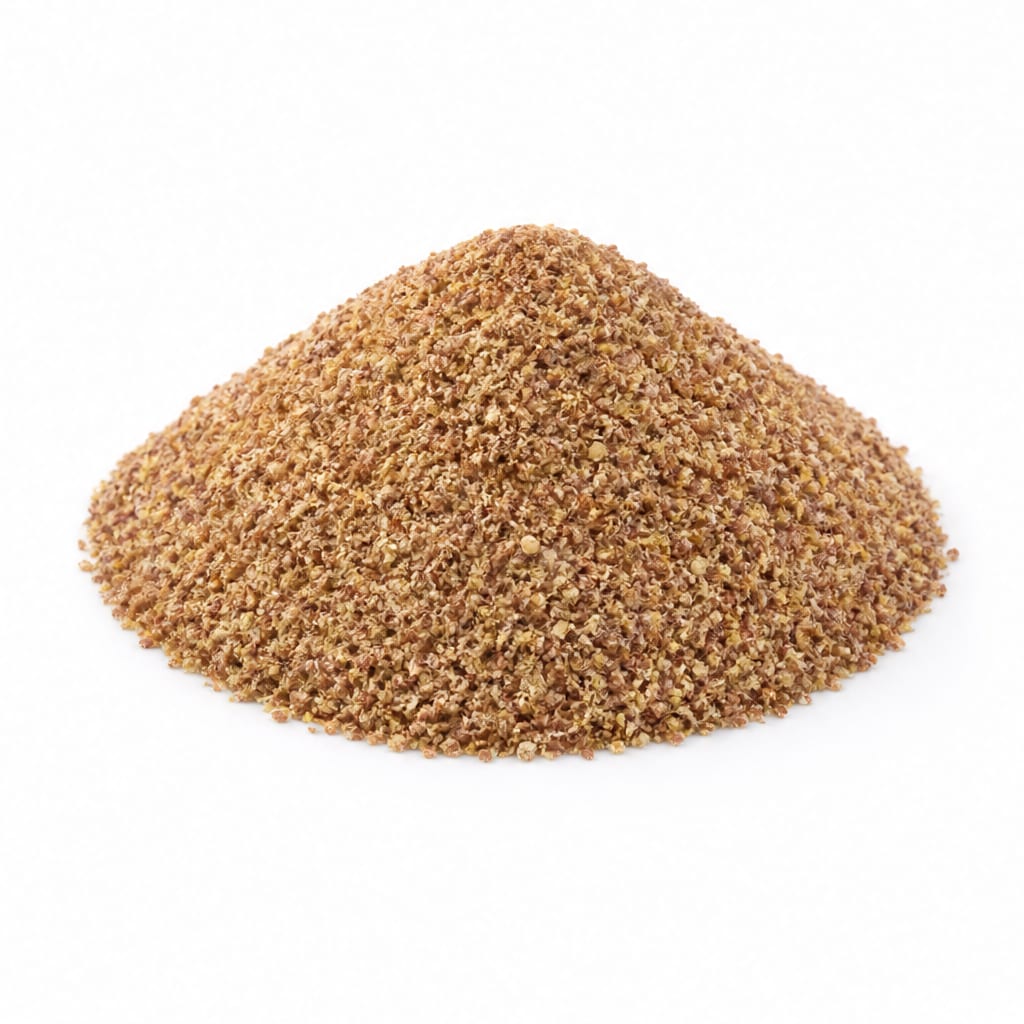
Flaxseed Meal
Flaxseed meal delivers unmatched omega-3s and gut-soothing fiber, while rice bran offers unique cholesterol-lowering antioxidants with better shelf stability.
Flaxseed meal edges ahead due to its exceptional omega-3 content and gut-healing soluble fiber, though rice bran remains a strong contender for antioxidant benefits and convenience.
Anti-inflammatory omega-3s and mucilage in flaxseed meal versus oryzanol antioxidants and pantry convenience in rice bran.
At a glance
Executive summary
Overall
It depends
Healthier
Flaxseed Meal
More practical
Rice Bran
Daily use
It depends
Key comparison lenses
Omega-3 vs unique antioxidants
Flaxseed meal is a top plant source of omega-3s, while rice bran provides unique oryzanol antioxidants not found elsewhere.
Digestive health and fiber types
Flaxseed offers gut-soothing mucilage, whereas rice bran provides insoluble fiber for bulk.
Food safety and storage stability
Rice bran carries arsenic risks, while flaxseed meal is highly prone to rancidity if not refrigerated.
Culinary practicality
Flaxseed meal acts as a vegan egg replacer, while rice bran is a dry, shelf-stable baking additive.
Best choice for
Rice Bran
- People wanting a shelf-stable fiber booster
- Those specifically targeting cholesterol with oryzanol
- Bakers wanting dry ingredient additions
Flaxseed Meal
- People needing plant-based omega-3s
- Those seeking gut-soothing soluble fiber
- Vegans looking for egg replacers in baking
Least suitable for
Rice Bran
- People highly concerned about arsenic exposure
- Those needing omega-3 fats in their diet
Flaxseed Meal
- People who buy in bulk and store ingredients in the pantry
- Those with hormone-sensitive conditions cautious about phytoestrogens
Deep comparison
Dimension by dimension
Each lens scores both foods and breaks down who each option suits.
- Dimension 1 · Priority 95Flaxseed Meal
Healthy Fats & Omega-3s
Rice Bran · 60Flaxseed Meal · 95Flaxseed meal is one of the best plant sources of omega-3 (ALA), whereas rice bran offers healthy fats but lacks significant omega-3s.
Tradeoff
You trade the anti-inflammatory power of omega-3s for the cholesterol-balancing oryzanol found in rice bran.
Why it matters
Omega-3s are crucial for heart and brain health, and hard to get on a plant-based diet.
Real-world impact
Adding flaxseed meal to your smoothie actively fights systemic inflammation, while rice bran supports heart health through a different lipid pathway.
Rice Bran
- Cholesterol management via oryzanol
Better for
- Omega-3 deficiency
Worse for
Flaxseed Meal
- Reducing systemic inflammation
- Plant-based omega-3 intake
Better for
- High-heat cooking as omega-3s degrade quickly
Worse for
- Dimension 2 · Priority 90Flaxseed Meal
Digestive Health & Fiber
Rice Bran · 75Flaxseed Meal · 90Flaxseed meal provides mucilage, a soluble fiber that soothes the gut lining, while rice bran offers mostly insoluble fiber for stool bulk.
Tradeoff
Gut-soothing soluble fiber versus stool-bulking insoluble fiber.
Why it matters
Soluble fiber feeds good bacteria and slows digestion, while insoluble fiber speeds up transit.
Real-world impact
Flaxseed meal acts like a gentle sponge for your gut, while rice bran mainly sweeps things through quickly.
Rice Bran
- Relieving occasional constipation quickly
Better for
- May be too scratchy for sensitive guts in large amounts
Worse for
Flaxseed Meal
- Soothing irritated digestive tracts
- Feeding beneficial gut bacteria
Better for
- Can cause bloating if introduced too fast
Worse for
- Dimension 3 · Priority 85It depends
Antioxidant Profile
Rice Bran · 85Flaxseed Meal · 85Rice bran contains unique gamma-oryzanol, while flaxseed meal is rich in lignans; both offer powerful but different protections.
Tradeoff
Cholesterol-targeting antioxidants in rice bran versus hormone-balancing antioxidants in flaxseed.
Why it matters
Different antioxidants protect different systems in the body.
Real-world impact
Rice bran targets lipid oxidation in the blood, while flaxseed lignans help balance estrogen metabolism.
Rice Bran
- Targeted cholesterol protection
Better for
- Lacks hormone-modulating compounds
Worse for
Flaxseed Meal
- Hormonal balance support
- Cellular defense against oxidative stress
Better for
- Lacks oryzanol for lipid-specific defense
Worse for
- Dimension 4 · Priority 85It depends
Food Safety & Contaminants
Rice Bran · 65Flaxseed Meal · 75Rice bran can concentrate arsenic from the soil, while flaxseed meal is prone to rancidity and contains trace cyanogenic glycosides.
Tradeoff
Heavy metal exposure risk versus spoilage and trace toxin risk.
Why it matters
Long-term accumulation of arsenic is a known health risk, while rancid oils cause cellular damage.
Real-world impact
Sourcing rice bran carefully is essential, while flaxseed meal must be stored in the fridge to prevent it from going bad.
Rice Bran
- Less risk of rancidity if stored at room temperature
Better for
- Potential arsenic exposure
Worse for
Flaxseed Meal
- Lower risk of heavy metal accumulation
Better for
- High risk of rancidity causing oxidative stress
Worse for
- Dimension 5 · Priority 80Rice Bran
Practicality & Storage
Rice Bran · 85Flaxseed Meal · 60Rice bran is more shelf-stable, while flaxseed meal goes rancid quickly and requires refrigeration.
Tradeoff
Pantry convenience versus nutritional tradeoffs.
Why it matters
If a food spoils quickly, you might waste money or accidentally eat spoiled product.
Real-world impact
You can keep rice bran in the cupboard for months, but flaxseed meal demands fridge space and frequent fresh purchases.
Rice Bran
- Pantry-friendly storage
- Easy to keep on hand
Better for
- Does not bind ingredients well in baking
Worse for
Flaxseed Meal
- Acts as an egg replacer in vegan baking
Better for
- Requires careful storage to prevent waste
Worse for
Timeline
Health impact over time
Short-term
Hours to days
Rice Bran
- Quick relief from constipation
- Steadier blood sugar after meals
Flaxseed Meal
- Increased fullness from mucilage
- Potential mild bloating if not used to high fiber
Long-term
Months to years
Rice Bran
- Improved cholesterol markers
- Potential arsenic exposure if sourced poorly
Flaxseed Meal
- Reduced systemic inflammation
- Better hormonal balance from lignans
- Protected heart health from omega-3s
Risk profile
Safety & processing
Both are simply milled versions of whole food byproducts, making them clean, whole-food additions to your diet.
Rice Bran
Arsenic concentration
mediumRice bran can concentrate inorganic arsenic from the environment; sourcing from low-arsenic regions is crucial.
Flaxseed Meal
Rancidity
highThe high omega-3 content in flaxseed meal oxidizes rapidly at room temperature, leading to spoiled, inflammatory fats.
Cyanogenic glycosides
lowFlaxseed contains trace amounts that release cyanide, but typical serving sizes are well below toxic thresholds.
Who wins for whom
Audience fit
Same foods, different winners depending on your goal.
children
Rice BranRice bran is gentler on tiny digestive systems and avoids the phytoestrogen concerns associated with flaxseed.
daily consumption
It dependsFlaxseed meal is superior nutritionally if you can manage the refrigeration, while rice bran is easier for daily pantry use.
diabetes
Flaxseed MealThe soluble fiber in flaxseed meal does a better job of slowing sugar absorption and stabilizing blood sugar.
elderly
Flaxseed MealFlaxseed meal's omega-3s support brain and heart health, while its mucilage is gentle on aging digestive tracts.
muscle gain
It dependsNeither is a significant protein source, but both can add nutrient-dense calories to smoothies or meals.
weight loss
Flaxseed MealFlaxseed meal's soluble fiber expands in the gut, keeping you fuller for longer on fewer calories.
Your move
Decision guide
Choose Rice Bran
- You want a shelf-stable fiber booster for your pantry
- You are specifically targeting cholesterol with gamma-oryzanol
- You dislike the gel-like texture of flaxseed in liquids
Choose Flaxseed Meal
- You need plant-based omega-3s for heart and brain health
- You want a vegan egg replacer for baking
- You struggle with inflammation or dry, irritated digestion
Either works if
- You just want to add more daily fiber to a smoothie or oatmeal
- You are looking for gluten-free baking supplements
Avoid both if
- You have severe digestive disorders like SIBO and cannot tolerate high-fiber additions
Final recommendation
For most people, flaxseed meal is the more impactful daily supplement due to its omega-3s and gut-soothing fiber, provided you commit to keeping it in the fridge. Choose rice bran if you prioritize convenience, shelf stability, or are focused on cholesterol-specific antioxidants.
Practical
Consumer tips
- 1
Buy whole flaxseeds and grind them yourself in a coffee grinder to maximize freshness and avoid rancidity.
- 2
Look for rice bran sourced from California or other regions with strict arsenic testing.
- 3
Start with a teaspoon of either and work your way up to avoid sudden digestive upset.
- 4
Store flaxseed meal in an airtight container in the freezer to preserve its delicate omega-3s.