
Nutrition comparison
Rice Bran vs Corn Bran: Which Fiber Supplement is Better?
Compare Rice Bran vs Corn Bran for fiber, nutrients, and weight loss. Find out which bran is healthier for your specific digestive and dietary goals.
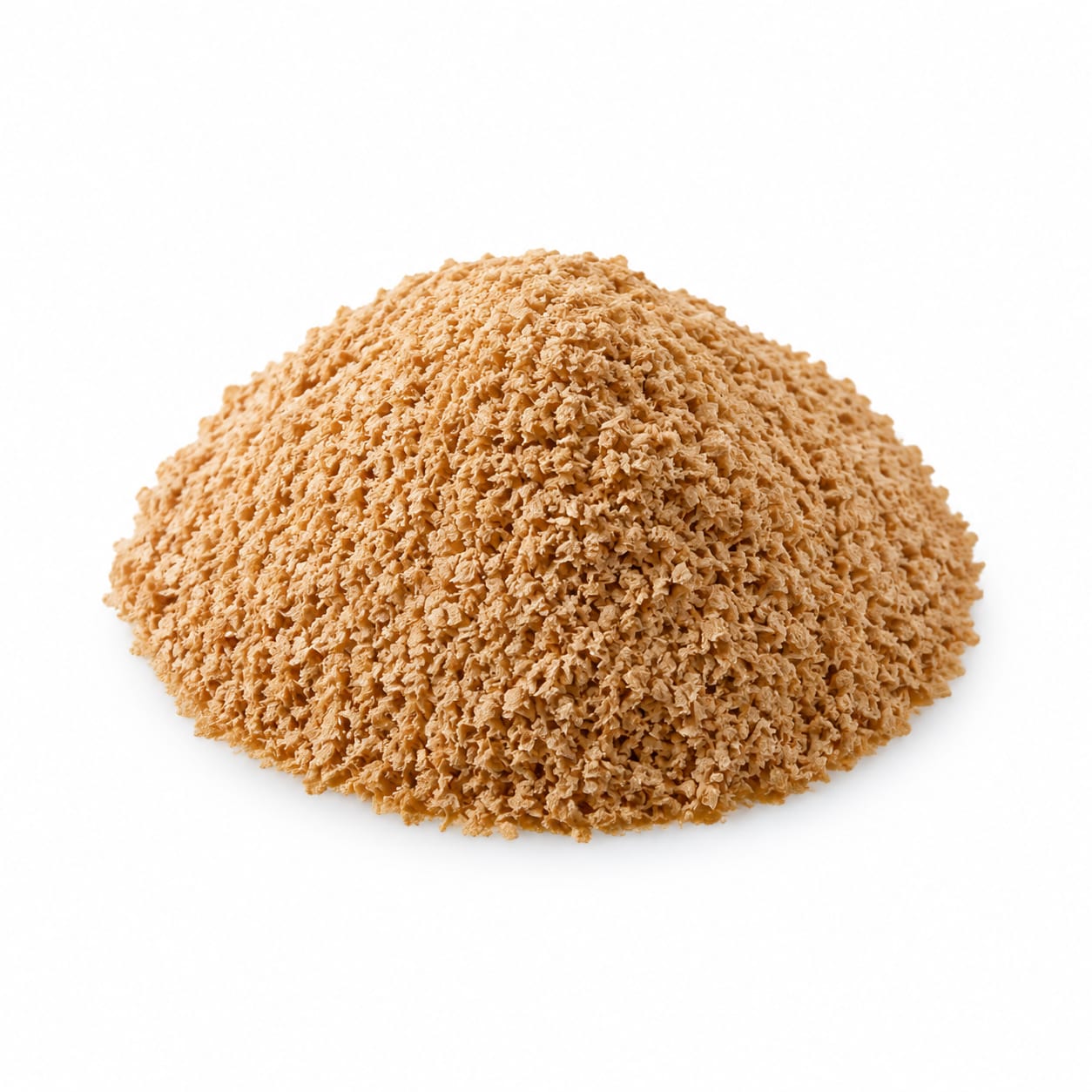
Rice Bran
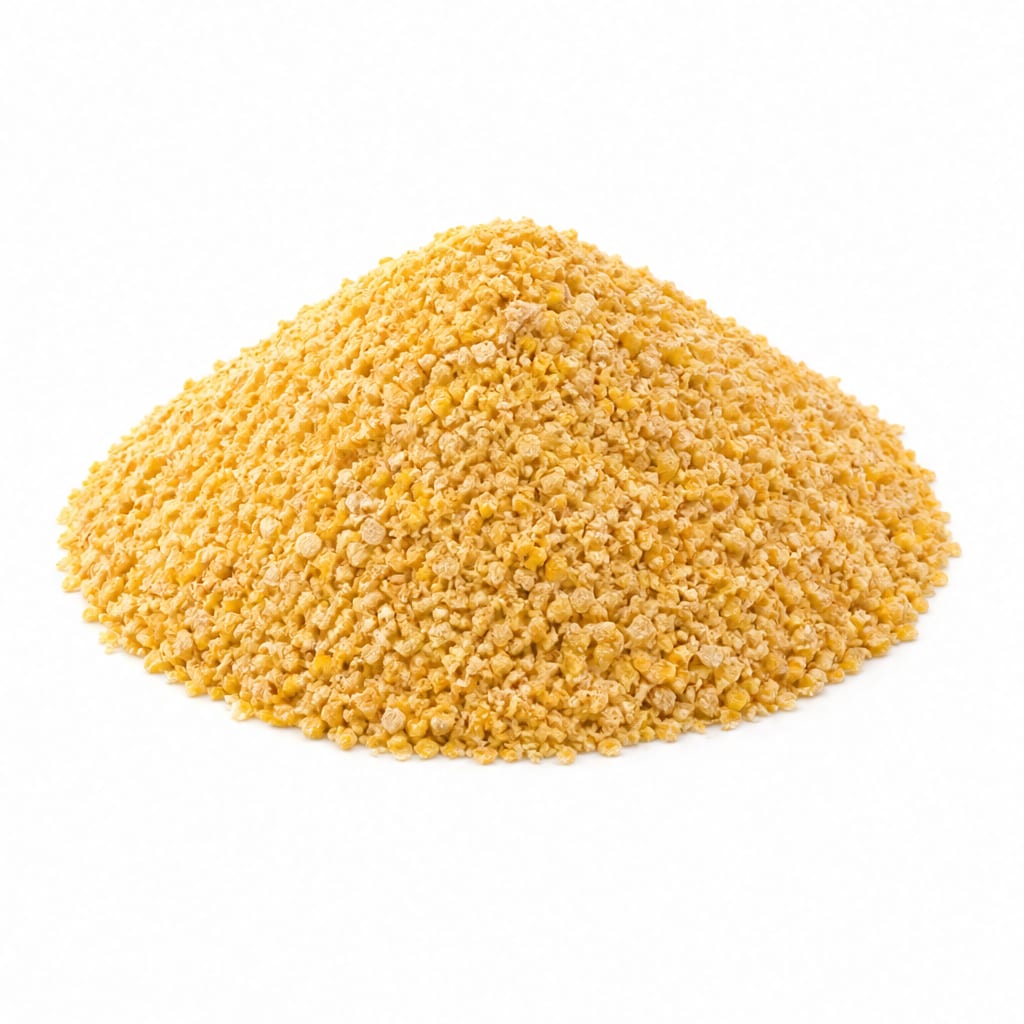
Corn Bran
Rice Bran is a nutrient-dense powerhouse with healthy fats, while Corn Bran is a pure, low-calorie fiber supplement.
Rice Bran scores higher overall due to its superior micronutrient profile and heart-healthy fats, but Corn Bran remains highly effective for pure fiber needs with minimal caloric impact.
You trade the broad nutritional profile and healthy fats of Rice Bran for the maximum fiber-per-calorie and zero-fat profile of Corn Bran.
At a glance
Executive summary
Overall
It depends
Healthier
Rice Bran
More practical
Corn Bran
Daily use
It depends
Key comparison lenses
Fiber supplementation and digestive regularity
Both foods are primarily consumed as concentrated fiber sources to support digestion.
Nutrient density beyond fiber
Rice Bran offers significantly more vitamins, minerals, and healthy fats compared to the mostly empty calories of Corn Bran.
Calorie and macronutrient efficiency
Corn Bran provides vastly more fiber per calorie, making it a leaner option for strict dieting.
Heart health and cholesterol management
Rice Bran contains unique compounds like gamma-oryzanol that actively lower cholesterol, whereas Corn Bran acts mainly as a bulking agent.
Best choice for
Rice Bran
- Lowering cholesterol naturally
- Adding healthy fats and B-vitamins to a deficient diet
- Blending into smoothies for sustained energy
Corn Bran
- Maximizing insoluble fiber intake without adding calories
- Strict low-fat or calorie-restricted diets
- Relieving occasional constipation
Least suitable for
Rice Bran
- Very low-fat diets
- Those severely restricting calories
Corn Bran
- Those needing calorie density or healthy fats
- People looking for a broad-spectrum nutritional boost
Deep comparison
Dimension by dimension
Each lens scores both foods and breaks down who each option suits.
- Dimension 1 · Priority 90Rice Bran
Nutrient Density
Rice Bran · 92Corn Bran · 45Rice Bran is packed with vitamins, minerals, and antioxidants, while Corn Bran is almost entirely insoluble fiber with few other nutrients.
Tradeoff
You get a much richer nutritional profile with Rice Bran, but it comes with more calories and fat.
Why it matters
If your diet lacks essential nutrients, Rice Bran acts like a multivitamin. Corn Bran only solves a fiber problem.
Real-world impact
Adding Rice Bran to a morning smoothie gives you lasting energy and nutrients; Corn Bran just keeps you full.
Rice Bran
- People needing B-vitamins and iron
- Those wanting antioxidant protection
Better for
- Those who want zero-fat food additions
Worse for
Corn Bran
- People who already take a multivitamin
- Those who only want to supplement fiber
Better for
- Anyone relying on it for broad nutritional support
Worse for
- Dimension 2 · Priority 95Corn Bran
Digestive Regularity
Rice Bran · 80Corn Bran · 95Corn Bran is almost entirely insoluble fiber, making it exceptionally effective at adding bulk to stool and speeding up digestion.
Tradeoff
Corn Bran is a stronger laxative, but Rice Bran offers a gentler, more balanced mix of soluble and insoluble fiber.
Why it matters
If you are severely constipated, Corn Bran works faster. If you want steadier, comfortable digestion, Rice Bran is smoother.
Real-world impact
A tablespoon of Corn Bran will get things moving quickly, whereas Rice Bran supports overall gut health without urgency.
Rice Bran
- People with sensitive stomachs needing gentle fiber
- Those wanting to feed beneficial gut bacteria via soluble fiber
Better for
- Those needing immediate, aggressive constipation relief
Worse for
Corn Bran
- Those needing strong, fast-acting constipation relief
- People who need maximum stool bulk
Better for
- People with irritable bowels who are sensitive to roughage
Worse for
- Dimension 3 · Priority 85Rice Bran
Heart Health & Cholesterol
Rice Bran · 90Corn Bran · 65Rice Bran contains gamma-oryzanol and healthy fats that actively reduce cholesterol, while Corn Bran only helps indirectly by binding some bile acids.
Tradeoff
Rice Bran actively improves your lipid profile, whereas Corn Bran simply avoids adding fat to your diet.
Why it matters
For cardiovascular goals, Rice Bran is a functional food. Corn Bran is just a neutral fiber source.
Real-world impact
Eating Rice Bran daily can meaningfully lower LDL cholesterol, offering more heart protection than just taking roughage.
Rice Bran
- Adults managing high cholesterol
- People wanting to increase heart-healthy fat intake
Better for
- Those avoiding all dietary fats
Worse for
Corn Bran
- People on a strict zero-added-fat cardiac diet
Better for
- People wanting proactive cholesterol-lowering effects
Worse for
- Dimension 4 · Priority 80Corn Bran
Calorie Efficiency
Rice Bran · 55Corn Bran · 95Corn Bran delivers massive fiber with almost no calories or fat, while Rice Bran is calorie-dense due to its natural oil content.
Tradeoff
You can eat a lot more Corn Bran without breaking your calorie budget, but Rice Bran provides actual sustenance.
Why it matters
If you are strictly counting calories, Corn Bran is a dieter's dream. Rice Bran requires portion awareness.
Real-world impact
You can add two tablespoons of Corn Bran to a meal for almost zero calories, whereas Rice Bran adds meaningful energy.
Rice Bran
- Athletes needing calorie-dense snacks
- People struggling to get enough daily calories
Better for
- People who mindlessly snack and overeat
Worse for
Corn Bran
- Strict calorie counters
- Those on weight loss diets needing high volume
Better for
- Those who need their food to provide actual energy
Worse for
Timeline
Health impact over time
Short-term
Hours to days
Rice Bran
- Provides steady, comfortable energy from healthy fats
- Promotes gentle, predictable bowel movements
Corn Bran
- Creates a strong feeling of fullness without calories
- Rapidly accelerates bowel transit time
Long-term
Months to years
Rice Bran
- Supports cardiovascular health and lowers cholesterol
- Improves overall nutrient status due to high vitamin and mineral content
Corn Bran
- Maintains excellent bowel regularity
- Aids in long-term weight maintenance by keeping calories low
Risk profile
Safety & processing
Both are simple milled byproducts of grain processing. However, Rice Bran requires stabilization to prevent its natural fats from going rancid, while Corn Bran is naturally shelf-stable.
Rice Bran
Arsenic contamination
mediumRice naturally accumulates arsenic from soil and water, and the bran holds the highest concentration.
Rancidity
lowThe natural oils in Rice Bran spoil quickly unless stabilized immediately after milling.
Corn Bran
GMO and pesticide exposure
mediumMost conventional corn is genetically modified and heavily sprayed with herbicides like glyphosate.
Mycotoxin contamination
lowCorn can be susceptible to mold toxins if not stored properly.
Who wins for whom
Audience fit
Same foods, different winners depending on your goal.
children
Rice BranRice Bran provides essential B-vitamins, healthy fats, and gentle fiber better suited for growing bodies.
daily consumption
It dependsRice Bran is better as a daily nutritional boost, while Corn Bran is better as a daily low-cal fiber supplement.
diabetes
It dependsCorn Bran has zero impact on blood sugar, but Rice Bran's healthy fats slow carb absorption, which is also useful.
elderly
Rice BranRice Bran is gentler on the digestive tract and provides crucial nutrients for aging bodies, though Corn Bran helps with severe constipation.
muscle gain
Rice BranRice Bran contains more protein and healthy calories to support an active metabolism and muscle recovery.
weight loss
Corn BranCorn Bran provides maximum fullness and bowel-stimulating fiber for nearly zero calories.
Your move
Decision guide
Choose Rice Bran
- You want a nutrient-dense supplement that also provides healthy fats
- Heart health and lowering cholesterol are your primary goals
- You need a gentle, balanced fiber that will not cause urgency
Choose Corn Bran
- You want pure insoluble fiber without any added calories or fat
- You are on a strict weight loss or low-fat diet
- You struggle with chronic constipation and need aggressive roughage
Either works if
- You simply need to increase your daily fiber intake
- You are mixing it into baking or smoothies where flavor is masked
Avoid both if
- You have severe gastrointestinal inflammation and cannot tolerate roughage
- You are looking for a primary protein source
Final recommendation
Choose Rice Bran if you want a multi-benefit supplement that nourishes your body while providing gentle fiber. Choose Corn Bran if your only goal is maximum digestive regularity on a strict calorie budget.
Practical
Consumer tips
- 1
Always buy stabilized Rice Bran to avoid a bitter, spoiled taste from rancid oils.
- 2
Choose organic Corn Bran to avoid GMOs and glyphosate residue.
- 3
Start with half a tablespoon of either bran daily and drink plenty of water to avoid bloating.
- 4
Mix either bran into oatmeal, yogurt, or baked goods to easily add fiber without changing your diet.
- 5
If adding Rice Bran to a smoothie, enjoy the creamy texture it provides from its natural oils.