
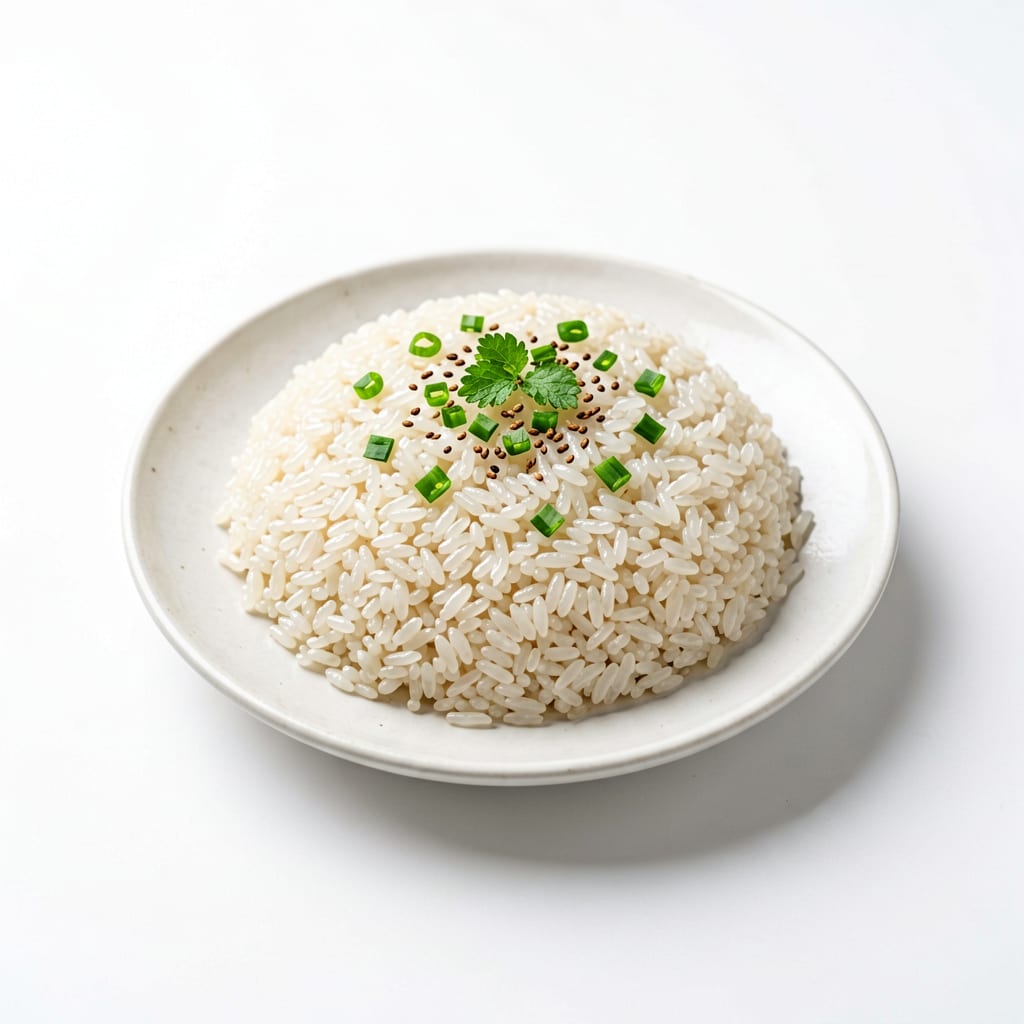
Grains
Rice
A staple cereal grain providing fast-digesting carbohydrates, commonly consumed in refined white or whole grain brown forms.
A widely consumed staple grain that provides fast-digesting carbohydrates, primarily available as refined white rice or whole grain brown rice.
fast-digesting carbohydrate source
Typical serving · 158g
Common varieties · white, brown, basmati, jasmine, arborio +1 more
Overall context score across nutrition, safety, and diet fit
The story
What makes it unique
White rice is a refined carbohydrate with low fiber content, leading to rapid digestion and a high glycemic response. Brown rice retains the bran and germ, offering more fiber, slower digestion, and improved satiety.
Varieties: white · brown · basmati · jasmine · arborio · wild
Per 100g
Nutrition breakdown
Macro balance and key metrics at a glance.
Energy
Density 1.30 kcal/g
Protein
Carbs
Fat
Fiber
Sugar
0.1 g
Sodium
1 mg
Potassium
35 mg
Glycemic index
73
Glycemic load
20
Water content
68%
Standout compounds
Nutrient highlights
Carbohydrates
highProvides rapid energy for high-intensity activities
Manganese
moderateSupports metabolism and bone formation
Selenium
moderatePlays a role in antioxidant defense
Fiber
lowSupports digestion and blood sugar control (brown rice only)
Wellness map
Health scores & processing
NOVA processing scale
refined · Whole food
White rice is milled to remove the bran and germ, resulting in a refined grain with extended shelf life but reduced micronutrient content.
Diet compatibility
- Weight loss
- Muscle gain
- Diabetes
- Gut health
- Low carb
- High protein
- Heart health
Relative standing
Food rankings
Qualitative ranks compared to similar whole foods.
- Satietypoor
- Blood sugarpoor
- Nutrient densitypoor
- Fitness fuelexcellent
- Processing qualitypoor
Eat with confidence
Food safety profile
Rice can accumulate inorganic arsenic from soil and water. Rinsing rice thoroughly and cooking it in excess water can reduce arsenic levels. Leftover rice can harbor Bacillus cereus if not cooled and stored properly.
Evidence confidence 85%
- Pesticideslow
- Antibioticslow
- Heavy metalsmoderate
- Contaminationlow
Watch for
- inorganic arsenic
- bacillus cereus
Safer choices
White basmati rice from California, India, or Pakistan typically has lower arsenic levels than brown rice from the US South.
Prep tips
Rinse rice before cooking and use a high water-to-rice ratio (6:1) to reduce arsenic content. Refrigerate leftovers promptly.
Inorganic arsenic levels in rice are monitored globally due to natural accumulation in paddy field water.
Deep dive
Health analysis
How this food may fit different goals and preparation choices.
Weight loss
Low energy density but poor satiety due to lack of fiber and protein, making portion control difficult for weight loss.
Blood sugar
High glycemic index causes rapid blood sugar spikes, requiring careful portioning for those with insulin resistance.
Fitness & energy
Excellent fast-digesting carb source for replenishing glycogen post-workout.
Gut health
Low fiber content offers minimal prebiotic benefits; white rice is easily digestible for sensitive stomachs but does not support microbiome diversity.
Processing quality
Refined white rice loses bran and germ during milling, stripping away most fiber, vitamins, and minerals.
Food safety
Primary concern is inorganic arsenic accumulation; washing and cooking in excess water mitigates this risk.
Common mistakes
Treating white rice as a primary fiber source or eating large portions without pairing with protein and fat to blunt glycemic response.
Best preparation
Boiling in excess water and draining, or parboiling, which drives nutrients into the endosperm and lowers glycemic impact.
Practical guide
Best use cases
When and how this food fits real eating patterns.
post-workout glycogen replenishment
Fast-digesting white rice quickly refuels muscles after intense exercise.
easy-to-digest carbohydrate
White rice is gentle on the digestive tract during gastrointestinal distress.
budget-friendly energy source
Provides dense caloric energy at a very low cost.
Balance sheet
Pros & cons
Upsides
- Provides fast-digesting energy for athletes
- Naturally gluten-free
- Very affordable and widely available
- Easy to digest for sensitive stomachs
- Versatile base for many dishes
Trade-offs
- Spikes blood sugar rapidly due to high glycemic index
- Low in fiber, protein, and essential micronutrients
- Can accumulate inorganic arsenic from soil
- Poor satiety makes overeating easy
- Leftover rice poses a risk of Bacillus cereus food poisoning
Fit check
Who is it for?
Great match
- post-workout recovery
- acute gastrointestinal distress
- high-calorie bulking diets
Consider alternatives
- strict ketogenic diets
- blood sugar management
- high-volume low-calorie eating
Side by side
How it compares
Open the full head-to-head analysis for nutrition, safety, and practical tradeoffs.
This food
Rice
VS80% alike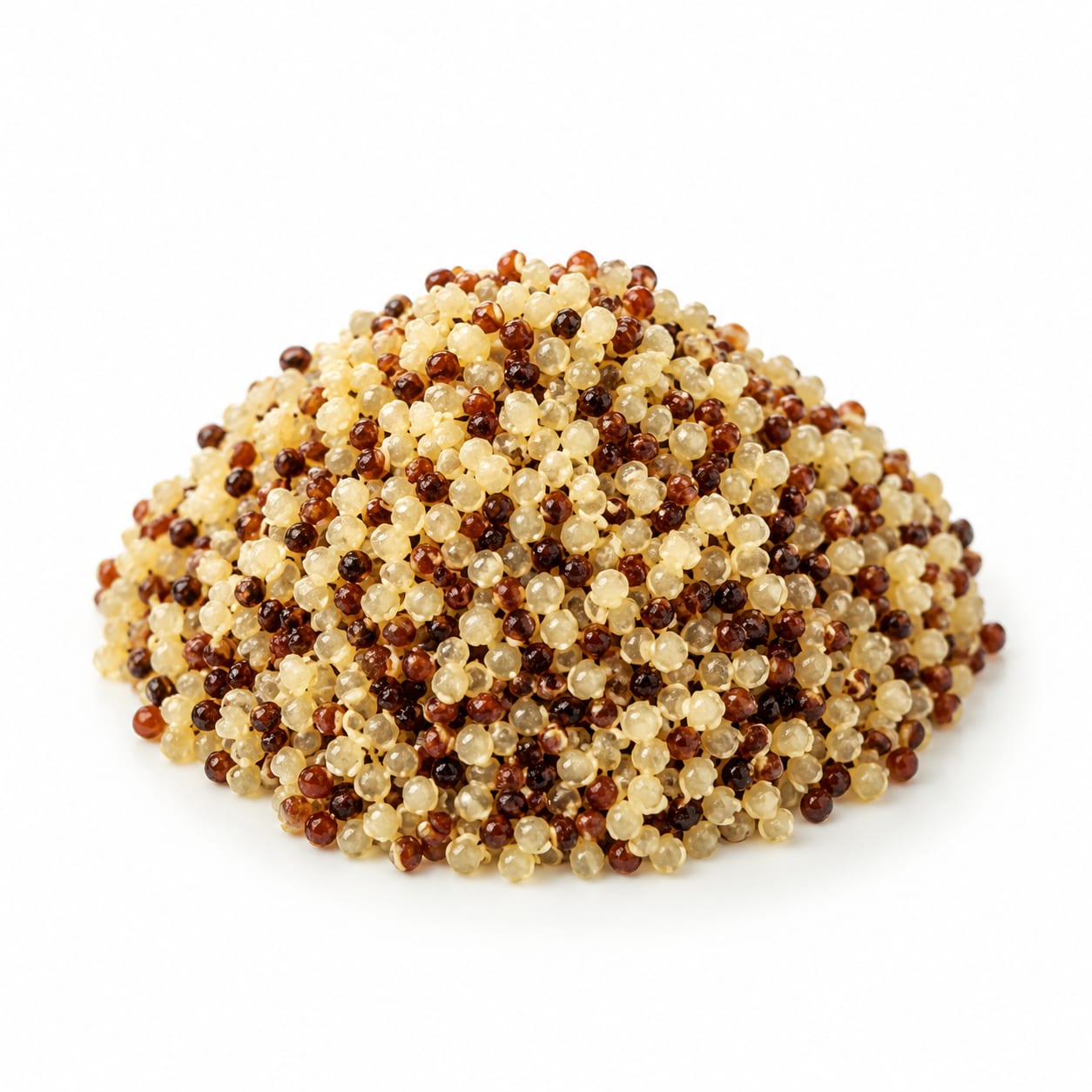
Compare with
Quinoa
Quinoa provides complete protein and higher fiber, while white rice provides faster, lighter energy.
Quinoa offers more protein and fiber for satiety, while white rice provides faster digesting carbs for post-workout fuel.
This food
Rice
VS95% alike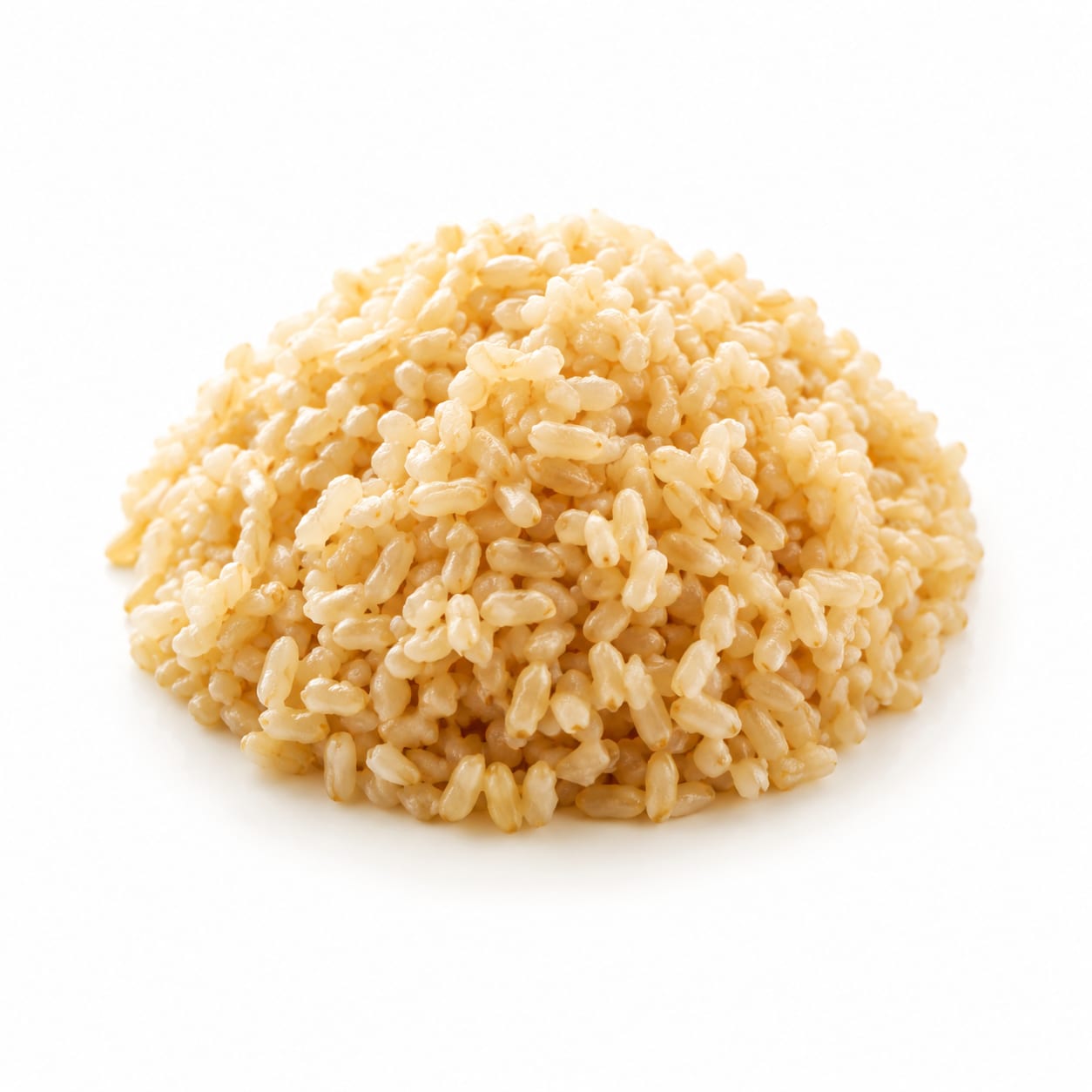
Compare with
Brown Rice
Brown rice retains the bran and germ, offering more fiber and a lower glycemic index than white rice.
Brown rice beats white rice for fiber and blood sugar control, but white rice is better for quick post-workout energy.
This food
Rice
VS85% alike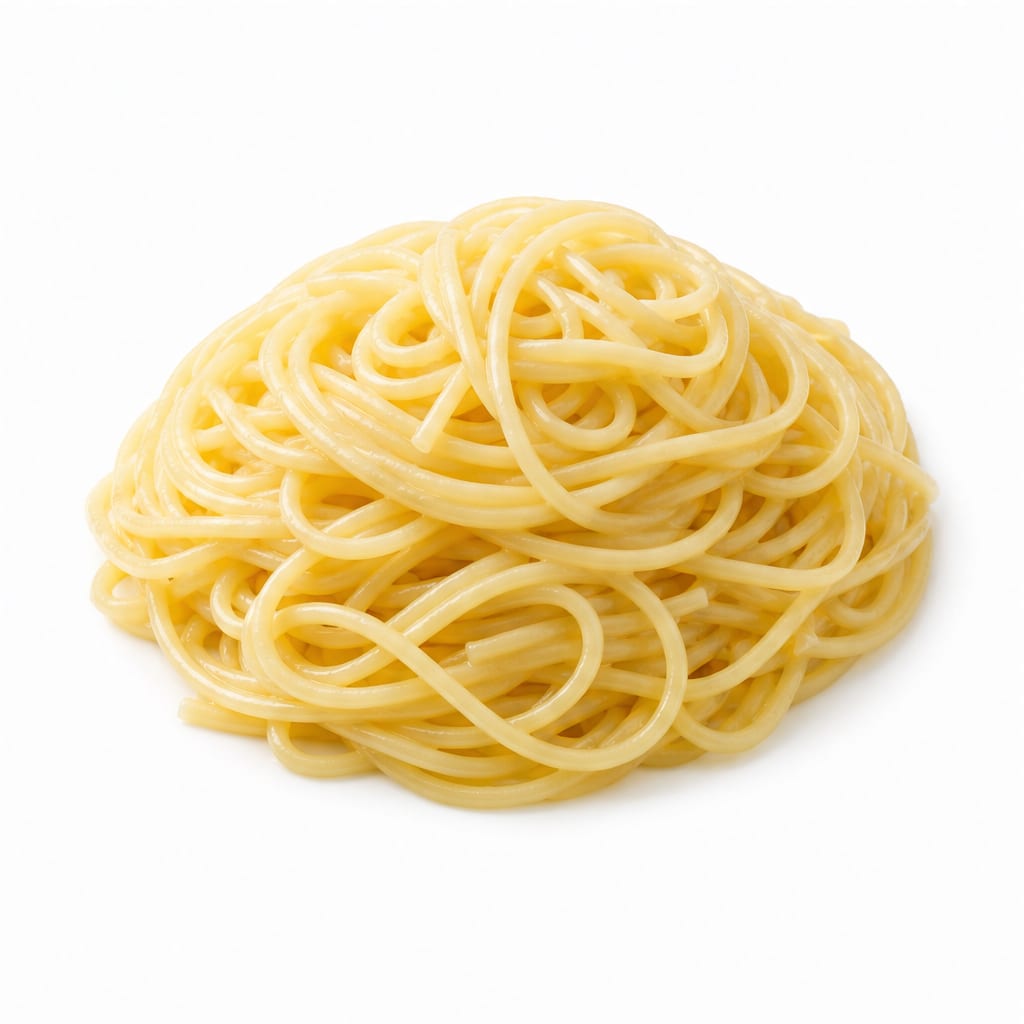
Compare with
Pasta
Pasta has a lower glycemic index than white rice when cooked al dente, but both are refined carb staples.
Pasta has a lower glycemic impact than white rice, but rice digests faster for immediate workout recovery.
This food
Rice
VS75% alike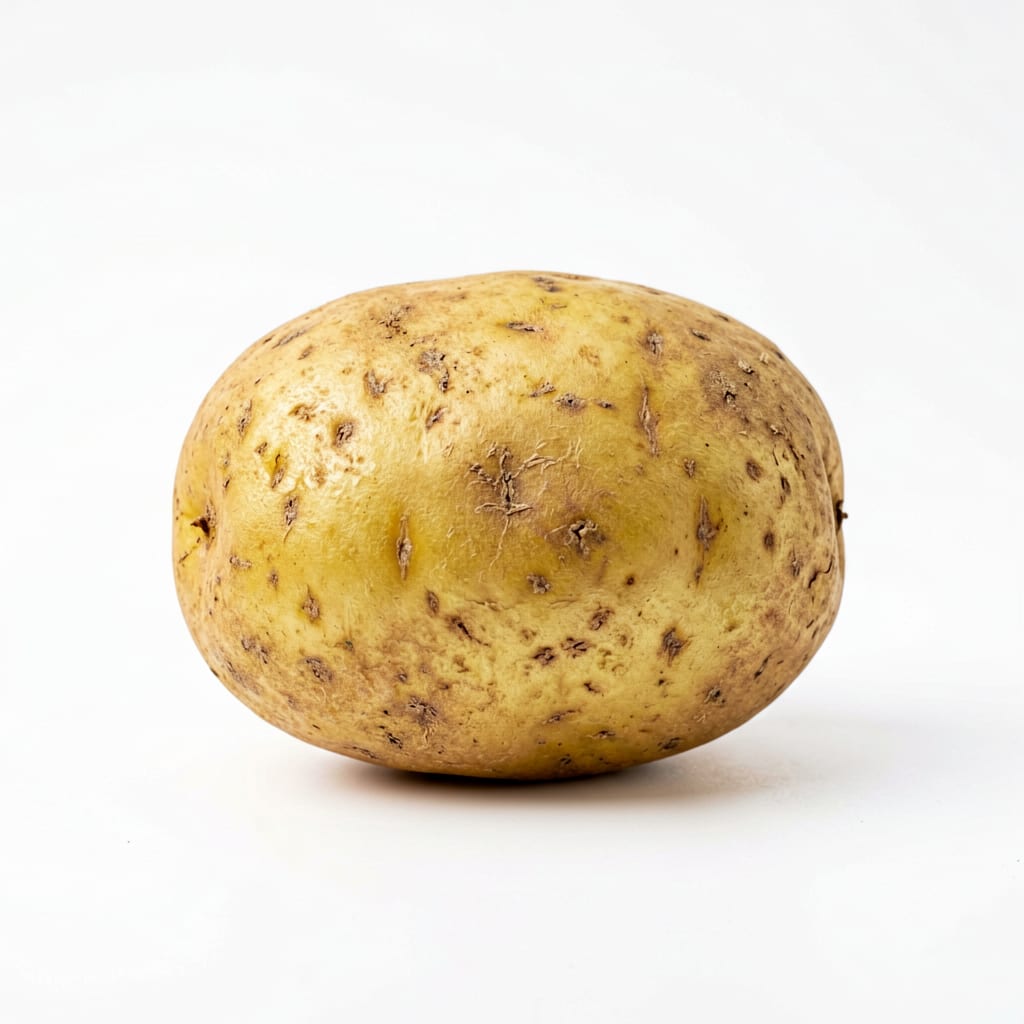
Compare with
Potato
Potatoes provide more potassium and vitamin C, while white rice offers a denser carbohydrate source.
Potatoes offer more nutrients and satiety per calorie, while rice provides a denser, faster-digesting carb load.
This food
Rice
VS60% alike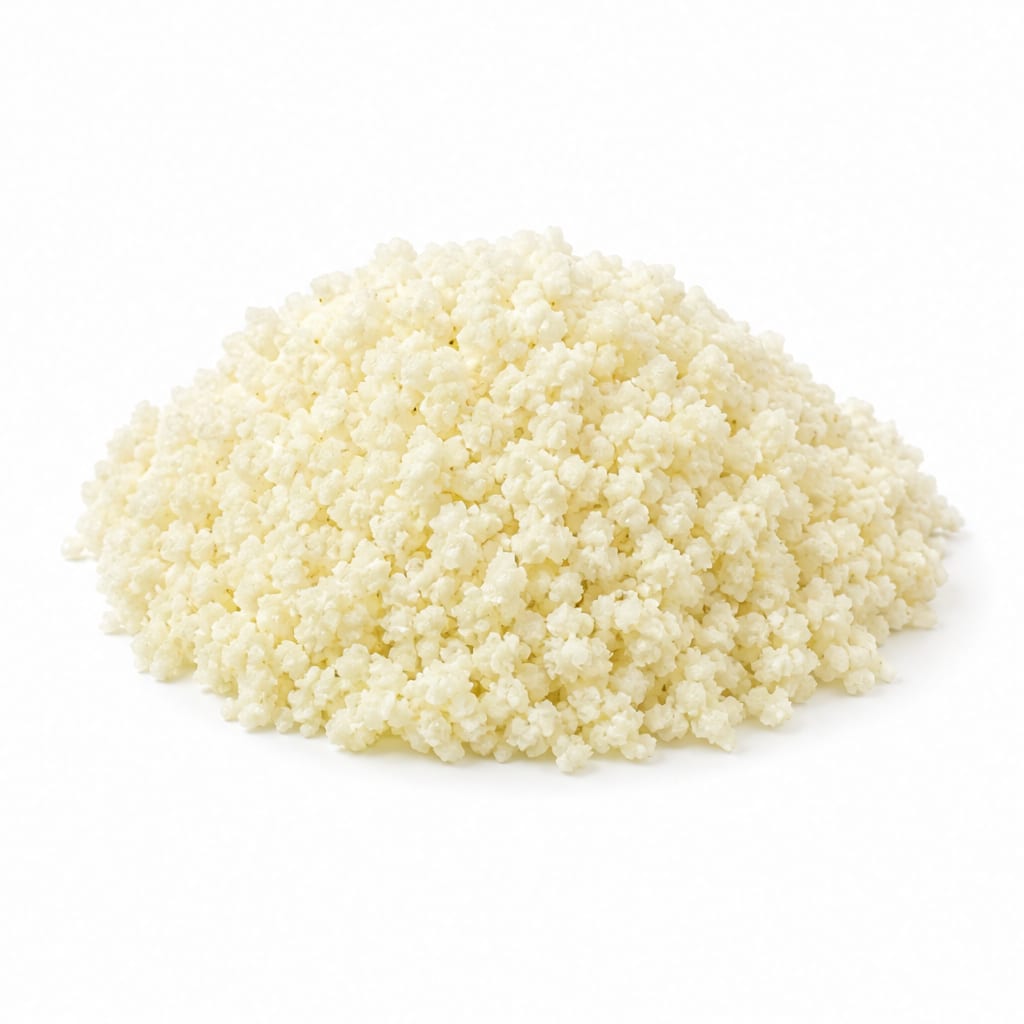
Compare with
Cauliflower Rice
Cauliflower rice is drastically lower in carbs and calories, making it superior for weight loss.
Cauliflower rice is far lower in calories and carbs for dieting, while regular rice provides real energy for athletes.
This food
Rice
VS80% alike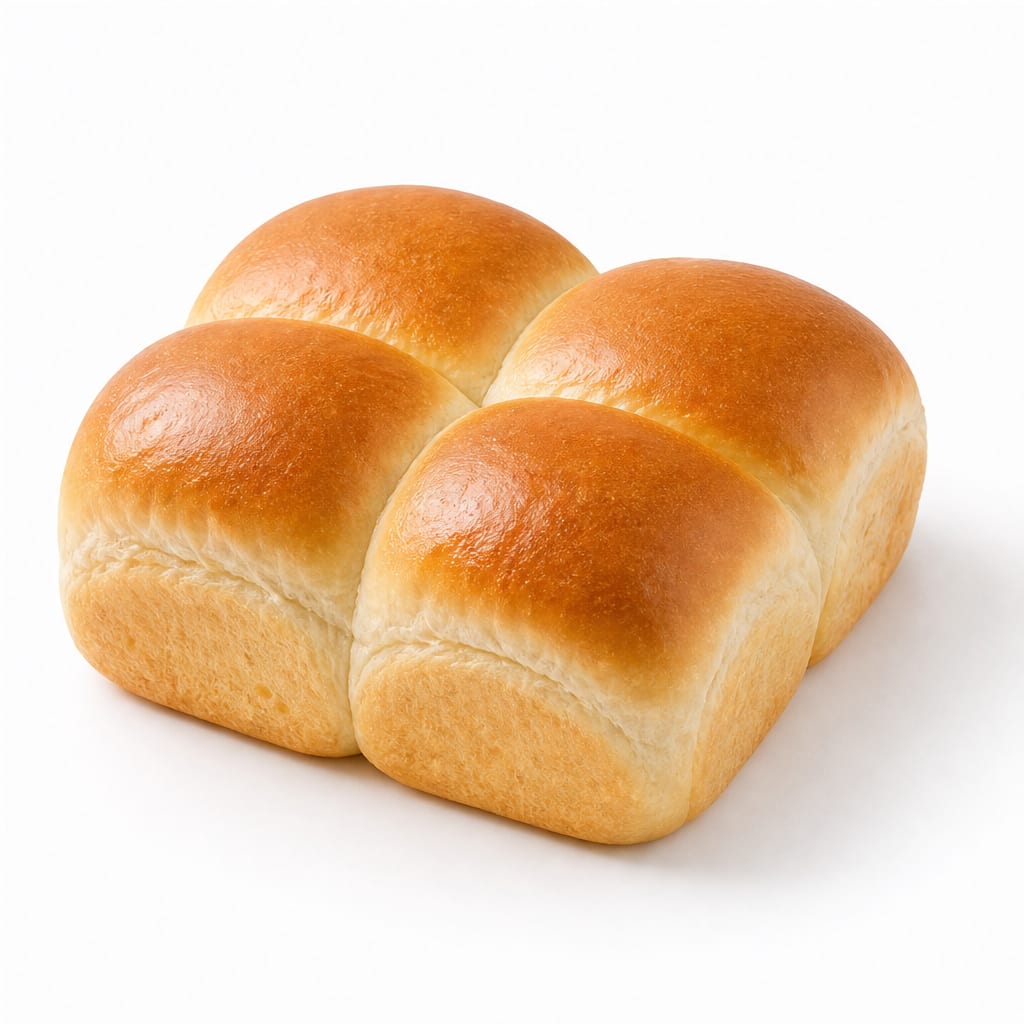
Compare with
Bread
White bread and white rice have similar glycemic impacts, but rice is gluten-free.
White rice and white bread spike blood sugar similarly, but rice is gluten-free and easier to pair with lean proteins.
This food
Rice
VS70% alike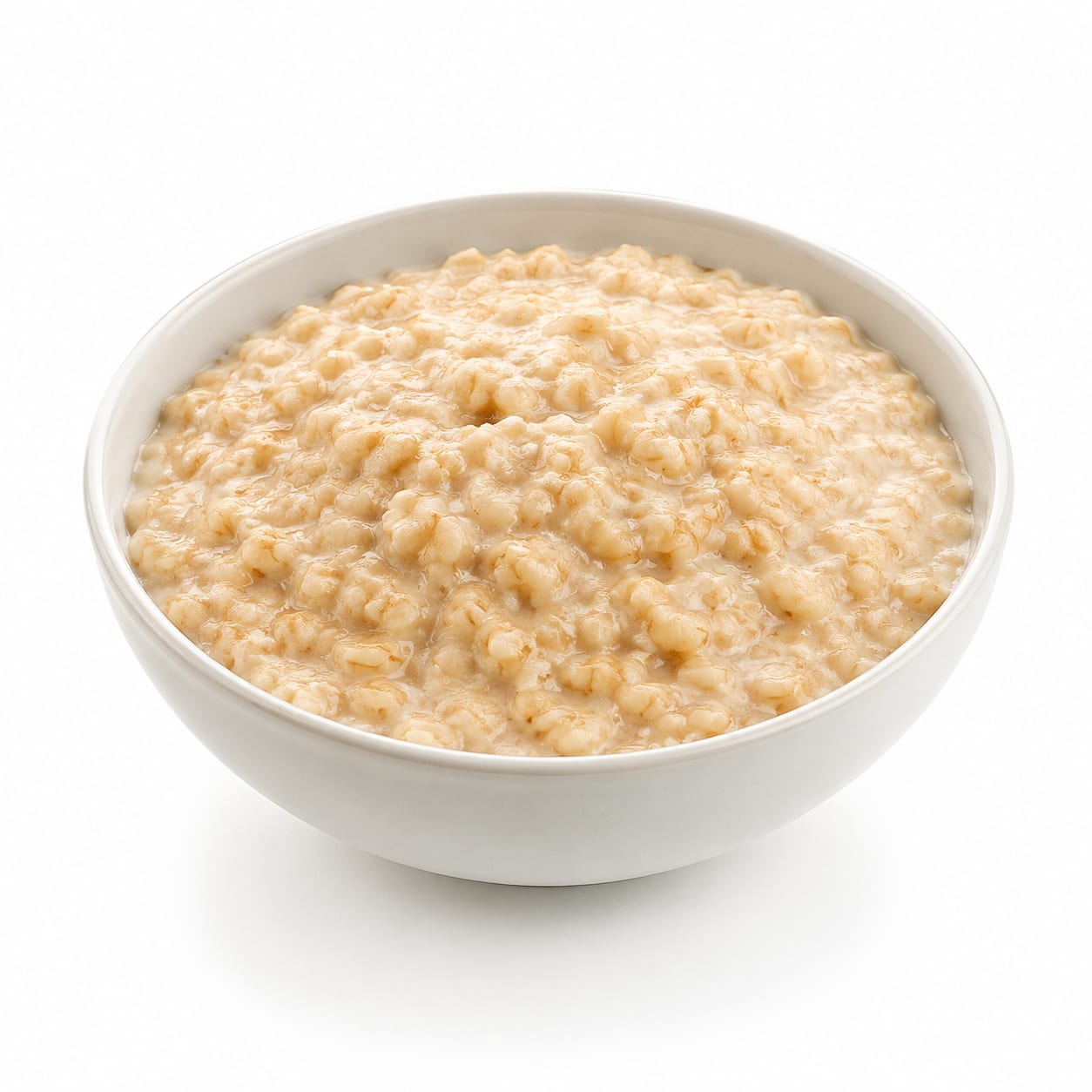
Compare with
Oats
Oats contain beta-glucan fiber for heart health and satiety, unlike low-fiber white rice.
Oats provide superior fiber and satiety for weight loss, whereas white rice offers faster digesting carbs for workouts.
This food
Rice
VS70% alike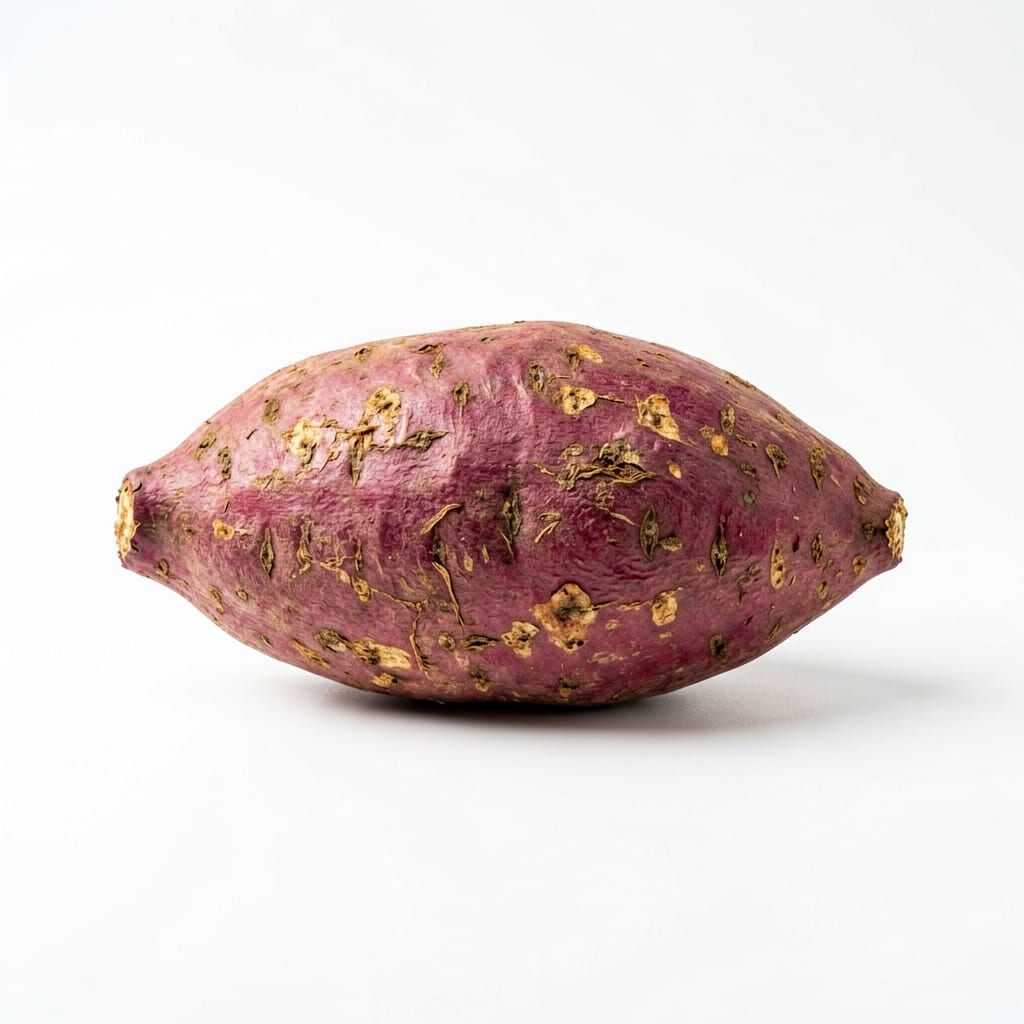
Compare with
Sweet Potato
Sweet potatoes are rich in vitamin A and have a lower glycemic impact than white rice.
Sweet potatoes win for nutrients and blood sugar control, while white rice is a lighter, faster-digesting fuel source.
This food
Rice
VS85% alike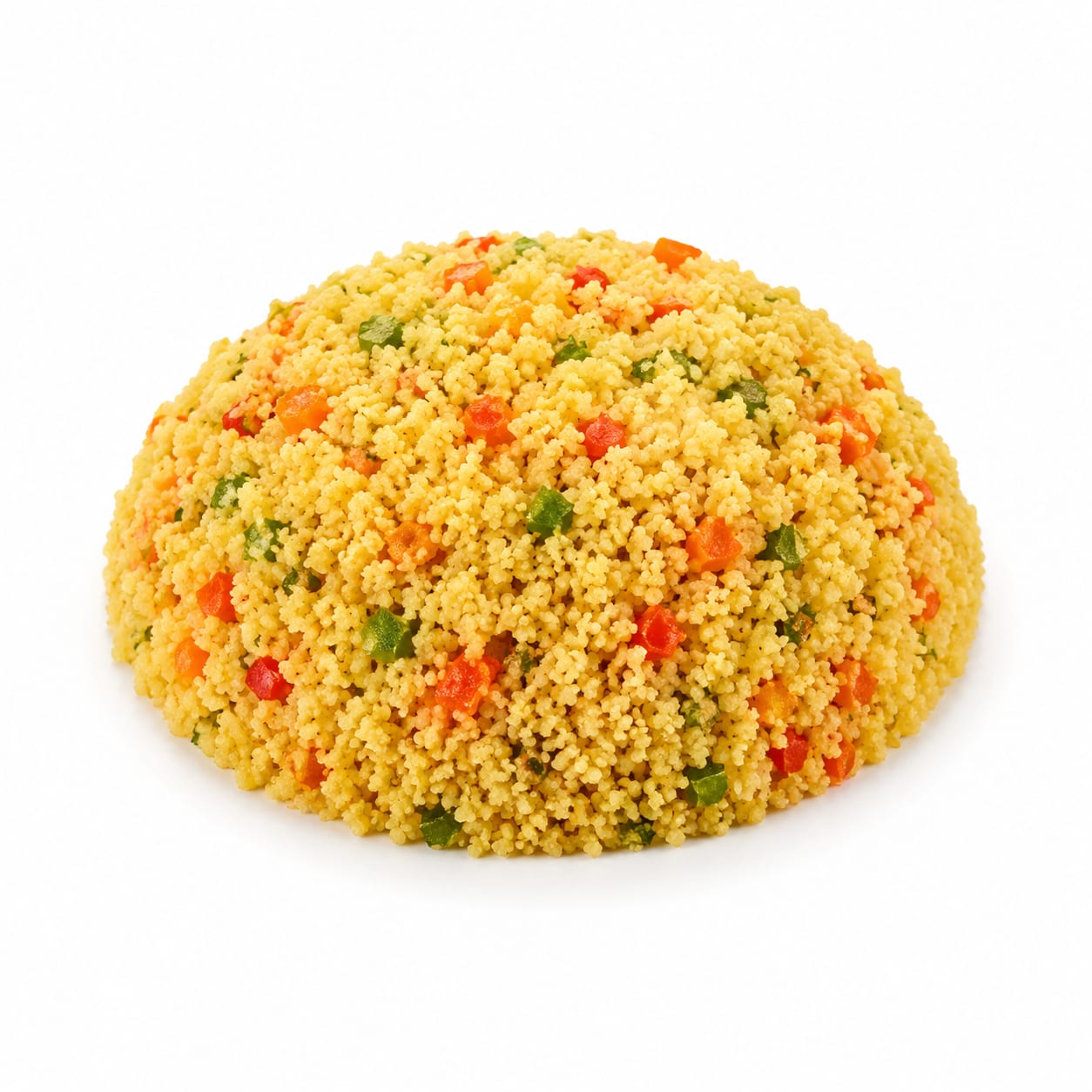
Compare with
Couscous
Couscous is essentially a tiny pasta; it cooks faster than rice but offers similar refined carb nutrition.
Couscous and white rice are similar refined carbs, but rice is gluten-free and slightly better for quick energy replenishment.
This food
Rice
VS75% alike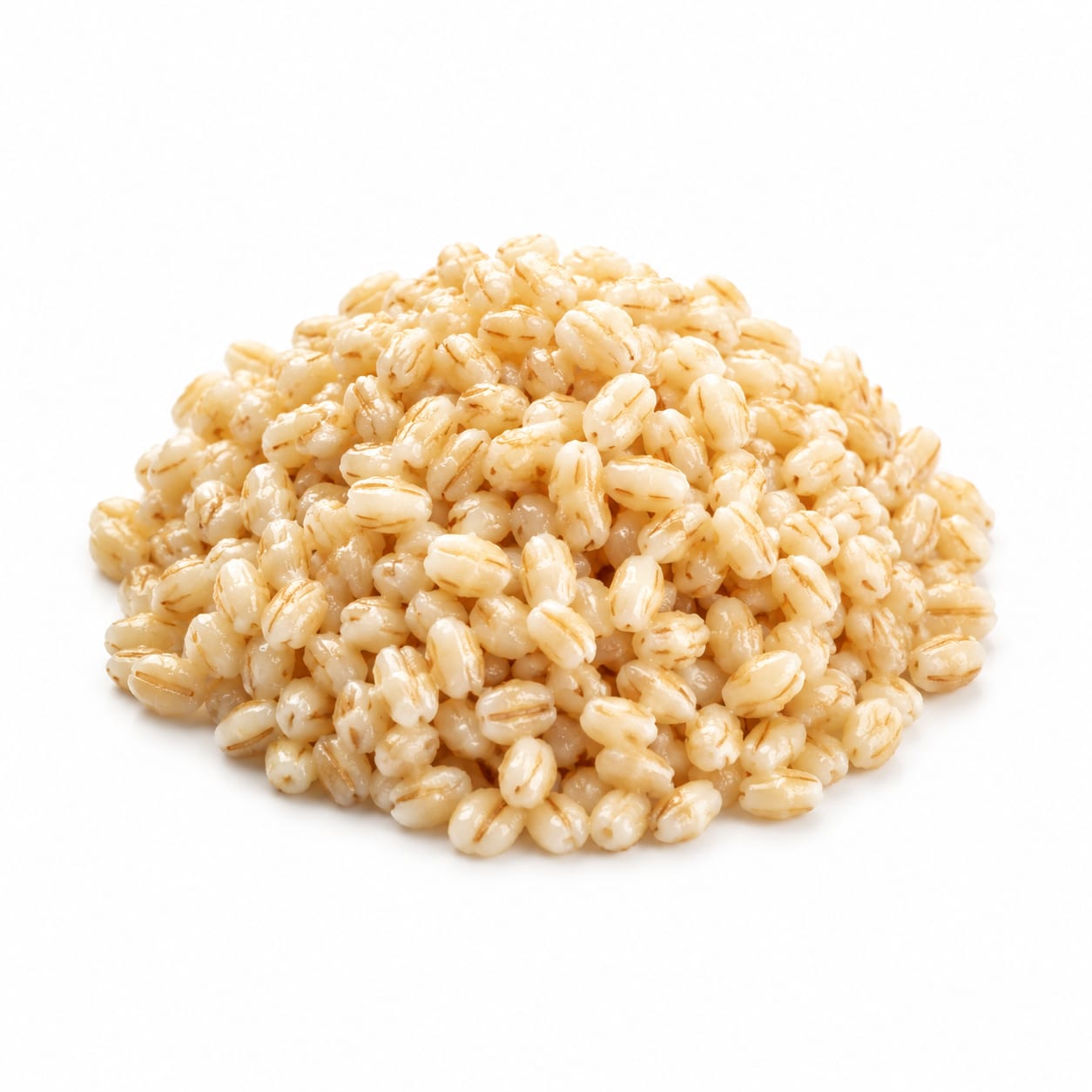
Compare with
Barley
Barley is exceptionally high in soluble fiber, vastly outperforming white rice for blood sugar control.
Barley provides massive fiber benefits for blood sugar and satiety, while white rice acts as a rapid, low-fiber energy source.
Common questions
FAQ
Answers aligned with how people search for this food.
Is rice good for weight loss?
White rice is generally poor for weight loss due to low satiety, but small portions of brown rice can fit into a calorie deficit.
Can diabetics eat rice?
White rice has a high glycemic index and can spike blood sugar; diabetics should prefer small portions of whole grains like brown or wild rice.
Does rice contain arsenic?
Yes, rice absorbs more arsenic than other crops. Washing thoroughly and cooking in excess water significantly reduces arsenic levels.
Is white or brown rice healthier?
Brown rice is higher in fiber, vitamins, and minerals, and has a lower glycemic impact. White rice is easier to digest and better for quick energy.
Is rice gluten-free?
Yes, all natural forms of rice are gluten-free and safe for those with celiac disease.
Why do bodybuilders eat white rice?
White rice is a fast-digesting carbohydrate that quickly replenishes muscle glycogen after intense workouts without causing bloating.
Can you eat rice on a low carb diet?
Rice is high in carbohydrates and not suitable for strict low-carb or ketogenic diets.
How should I store leftover rice?
Cool rice quickly and refrigerate within one hour to prevent the growth of Bacillus cereus, a bacteria that causes food poisoning.
Transparency
Data confidence
Estimated confidence for nutrition data, interpretation, safety notes, and comparisons.
Nutrition data
Health analysis
Food safety
Comparisons