
Nutrition comparison
Rice vs Sweet Potato: Which Carb Is Better for Energy, Weight Loss, and Blood Sugar?
Compare Rice and Sweet Potato side by side. Discover which is better for blood sugar, weight loss, and daily nutrition. Practical tradeoffs and expert recommendations included.
Overall winner · Sweet Potato
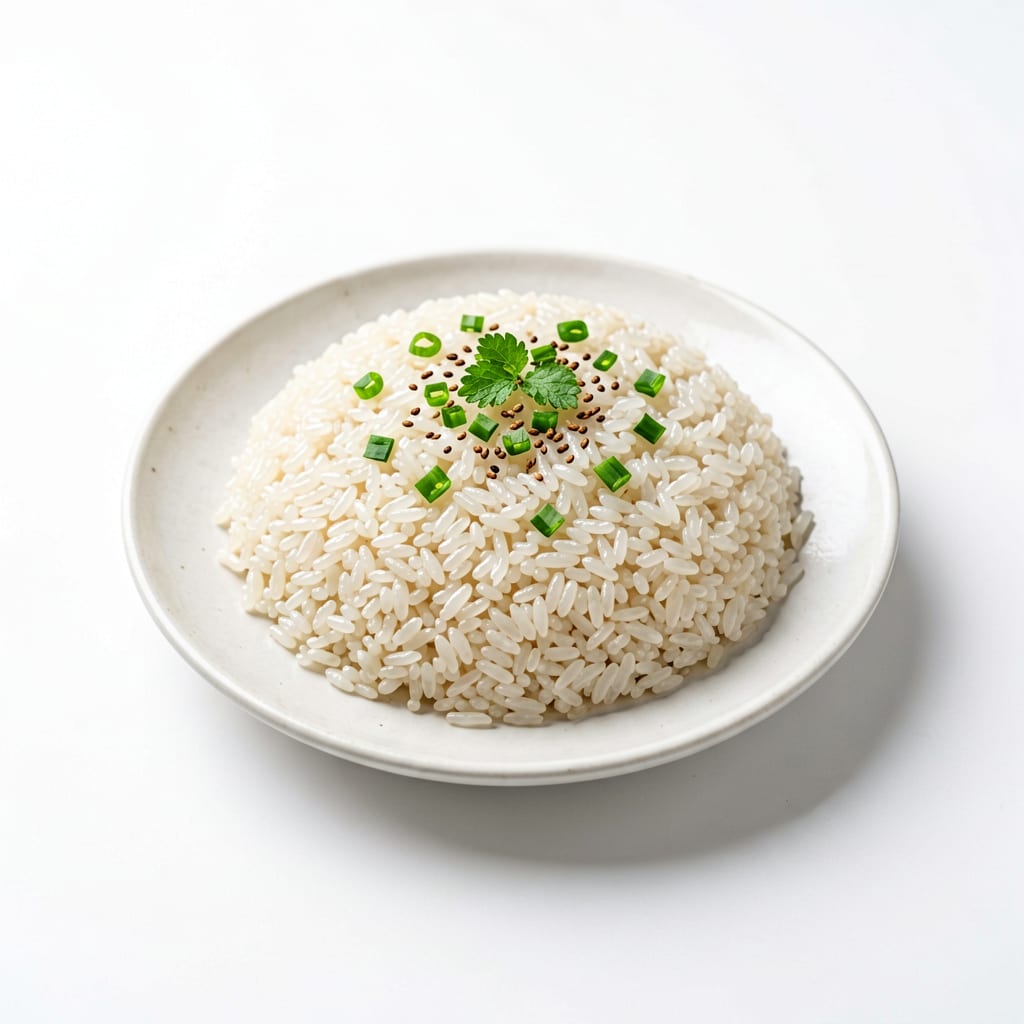
Rice
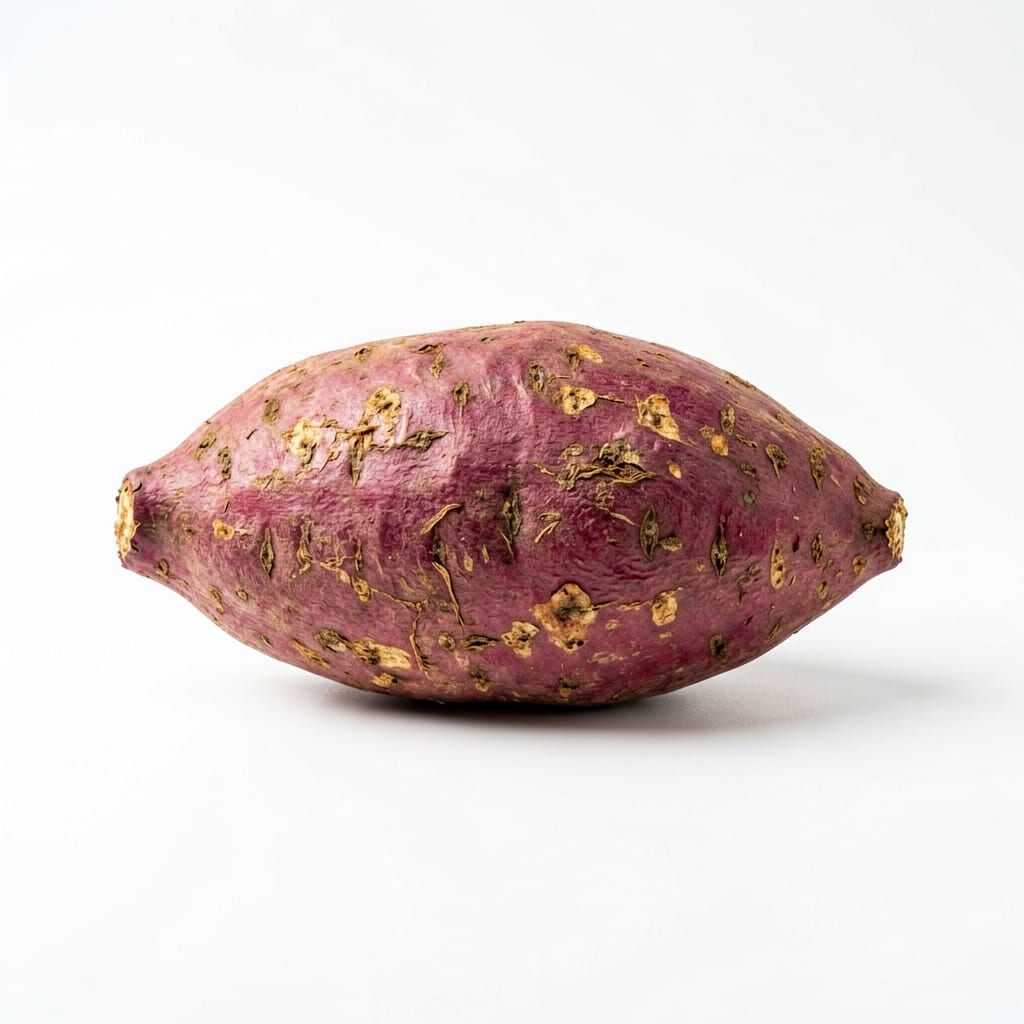
Sweet Potato
Sweet Potato wins on nutrition and blood sugar stability, but Rice remains the more convenient and culturally versatile staple.
Sweet Potato scores notably higher due to superior fiber, vitamins, and blood sugar stability. Rice stays relevant for convenience and rapid energy but offers less nutritional value per calorie.
You trade convenience and neutrality for significantly better nutrients, fiber, and steadier energy.
At a glance
Executive summary
Overall
Sweet Potato
Healthier
Sweet Potato
More practical
Rice
Daily use
Sweet Potato
Key comparison lenses
blood sugar management
Both are carb-heavy staples with significantly different glycemic impacts, making this the most critical differentiator
nutrient density comparison
Sweet Potato offers dramatically more vitamins and minerals per calorie, a key reason people switch from Rice
weight management and satiety
Fiber content differences directly affect fullness and overeating risk
meal versatility and convenience
Rice is faster and more neutral, Sweet Potato requires more prep but works as a standalone
athletic and energy needs
Different carb release rates suit different activity levels and timing
Best choice for
Rice
- Post-workout carb reloading when you need fast energy
- People with digestive sensitivity who need bland, easy-to-digest meals
- Cultural dishes where Rice is essential to the flavor profile
- Busy weeknights when you need carbs ready in 15 minutes
Sweet Potato
- Anyone managing blood sugar or insulin resistance
- People trying to lose weight while still eating satisfying portions
- Those wanting more vitamins without taking supplements
- Meal preppers who bake in bulk on weekends
Least suitable for
Rice
- People with diabetes or prediabetes eating large portions
- Anyone trying to maximize nutrient density per calorie
- Low-fiber diets needing improvement
Sweet Potato
- Those needing rapid carb absorption right after intense exercise
- People with specific digestive issues struggling with fermentable fibers
- Situations requiring a completely neutral-flavored base
Deep comparison
Dimension by dimension
Each lens scores both foods and breaks down who each option suits.
- Dimension 1 · Priority 95Sweet Potato
Blood Sugar Stability
Rice · 35Sweet Potato · 72Sweet Potato digests more slowly thanks to fiber and complex starch structure, while white Rice causes faster glucose spikes.
Tradeoff
Rice delivers quick energy when you need it but crashes harder. Sweet Potato keeps energy steadier but feels heavier before intense activity.
Why it matters
Frequent blood sugar spikes from Rice can increase hunger, fatigue, and long-term metabolic risk if portions are large.
Real-world impact
A Rice bowl at lunch may leave you sleepy by 2pm. Sweet Potato gives you a gentler energy curve that lasts longer.
Rice
- Quick post-workout glycogen replenishment
- Endurance athletes mid-event needing fast carbs
Better for
- People who get sleepy after carb-heavy meals
- Those monitoring HbA1c levels
Worse for
Sweet Potato
- Avoiding afternoon energy crashes
- Managing prediabetes or insulin resistance
- Sustained energy through long workdays
Better for
- Situations demanding immediate available glucose
Worse for
- Dimension 2 · Priority 90Sweet Potato
Nutrient Density
Rice · 25Sweet Potato · 88Sweet Potato is a nutritional powerhouse with massive vitamin A, potassium, and antioxidants. White Rice is mostly empty carbs by comparison.
Tradeoff
You get far more health value per bite from Sweet Potato, but Rice lets you eat more volume without feeling stuffed.
Why it matters
Vitamin A from Sweet Potato supports immunity, skin, and vision. Rice offers minimal micronutrients unless enriched.
Real-world impact
One medium Sweet Potato gives you over 400% of your daily vitamin A needs. Rice gives you almost none.
Rice
- When you need calories without feeling full
- Adding neutral carbs to nutrient-dense dishes
Better for
- Reliance on Rice as a primary carb without other nutrient sources
- Risk of micronutrient gaps in Rice-heavy diets
Worse for
Sweet Potato
- Boosting immune function naturally
- Getting vitamins from food instead of pills
- Supporting eye and skin health through diet
Better for
- Not a concern — Sweet Potato is rarely a nutrient liability
Worse for
- Dimension 3 · Priority 85Sweet Potato
Satiety and Fullness
Rice · 40Sweet Potato · 80Sweet Potato keeps you full longer due to fiber and water content. Rice digests quickly and hunger returns sooner.
Tradeoff
Sweet Potato is more filling but can feel heavy before workouts. Rice is lighter but you may snack sooner after eating it.
Why it matters
Better satiety means less snacking, fewer calories overall, and easier portion control without willpower battles.
Real-world impact
A Sweet Potato at dinner can keep you satisfied until morning. Rice-based meals often have you reaching for a snack by 9pm.
Rice
- Pre-workout meals where you want light digestion
- People with small appetites who struggle to eat enough
Better for
- Overeating risk because low satiety leads to second helpings
- Emotional eaters who struggle with portion awareness
Worse for
Sweet Potato
- Weight loss efforts requiring portion control
- Reducing late-night snacking urges
- People who feel hungry soon after eating Rice
Better for
- Athletes needing to eat again within 2-3 hours
Worse for
- Dimension 4 · Priority 75Rice
Convenience and Practicality
Rice · 85Sweet Potato · 55Rice cooks faster, stores easily, and pairs with everything. Sweet Potato requires baking or boiling and has shorter shelf life once cooked.
Tradeoff
Rice is the lazy weeknight champion. Sweet Potato takes more planning but reheats well if batch-cooked.
Why it matters
The best food for you is the one you actually prepare. Convenience often wins over nutrition in real life.
Real-world impact
Rice is ready in 15-20 minutes on the stovetop. Sweet Potato needs 40-60 minutes unless you microwave it.
Rice
- Quick weeknight dinners after long workdays
- Making large batches for meal prep with minimal effort
- Pairing with stir-fries, curries, and stews seamlessly
Better for
- Not a concern — Rice is rarely inconvenient
Worse for
Sweet Potato
- Weekend meal prep when you bake several at once
- A complete snack that needs no accompaniment
Better for
- Last-minute cooking when you forgot to plan ahead
- Small kitchens without an oven
Worse for
- Dimension 5 · Priority 70Rice
Digestive Tolerance
Rice · 82Sweet Potato · 65White Rice is one of the most easily digested foods available. Sweet Potato's fiber can cause bloating in sensitive individuals.
Tradeoff
Rice is gentler on upset stomachs and sensitive digestion. Sweet Potato feeds gut bacteria but may cause gas during adjustment.
Why it matters
If you have IBS, are recovering from illness, or have a sensitive gut, Rice is safer. Sweet Potato improves gut health long-term but has an adjustment period.
Real-world impact
Rice is a go-to for stomach flu recovery. Sweet Potato might cause discomfort if you suddenly increase fiber intake.
Rice
- Recovery from stomach illness
- IBS flare-ups requiring low-fiber foods
- Introductory diets after fasting or surgery
Better for
- Chronic constipation from low fiber intake
Worse for
Sweet Potato
- Long-term gut microbiome health
- Preventing constipation through natural fiber
Better for
- FODMAP-sensitive individuals
- Sudden dietary shifts from low to high fiber
Worse for
- Dimension 6 · Priority 65Rice
Versatility and Flavor Pairing
Rice · 88Sweet Potato · 62Rice is a blank canvas that works with nearly any cuisine. Sweet Potato has a distinct sweetness that limits some pairings.
Tradeoff
Rice disappears into any dish. Sweet Potato stands on its own but fights with savory or acidic flavors sometimes.
Why it matters
If you cook diverse cuisines, Rice adapts effortlessly. Sweet Potato shines in specific dishes but feels out of place in others.
Real-world impact
Rice works with Thai curry, Mexican beans, Japanese fish, and Indian dal. Sweet Potato struggles in most of those pairings.
Rice
- Global cuisine cooking across multiple traditions
- Absorbing sauces and flavors without competing
- Serving as a neutral base for bold dishes
Better for
- Not a concern — Rice is rarely out of place
Worse for
Sweet Potato
- Breakfast hashes and bowls
- Sweet and savory fusion dishes
- Standalone snacks needing no accompaniment
Better for
- Traditional dishes where sweetness clashes
- Delicate fish or light sauces
Worse for
Timeline
Health impact over time
Short-term
Hours to days
Rice
- Quick energy boost within 30-60 minutes of eating
- Possible drowsiness 1-2 hours after a large portion
- Easy digestion with minimal bloating or discomfort
- Hunger returning within 2-3 hours
Sweet Potato
- Steady energy without the crash or spike
- Mild fullness and warmth from the fiber and starch
- Possible gas or bloating if your body is unused to higher fiber
- Satisfaction lasting 4-5 hours before hunger returns
Long-term
Months to years
Rice
- Higher risk of blood sugar dysregulation with frequent large portions
- Potential nutrient gaps if Rice displaces more varied carb sources
- Easier weight maintenance for active people, harder for sedentary
- Arsenic exposure risk with excessive daily consumption
Sweet Potato
- Improved gut health and regularity from consistent fiber intake
- Better blood sugar control and reduced diabetes risk over time
- Enhanced immune function and skin health from beta-carotene
- Lower risk of nutrient deficiencies as a dietary staple
Risk profile
Safety & processing
Both are whole, minimally processed foods. White Rice has been milled and polished, removing bran and germ, which strips nutrients. Sweet Potato is eaten closer to its natural state with skin intact.
Rice
Arsenic contamination
mediumRice absorbs more arsenic from soil and water than other crops. Frequent daily consumption, especially of brown Rice, can accumulate exposure. Varying grain sources reduces risk.
Sweet Potato
Pesticide residue on skin
lowConventional Sweet Potatoes can carry pesticide residues on the skin. Buying organic or washing and peeling reduces exposure. Most residues are below concern thresholds.
Who wins for whom
Audience fit
Same foods, different winners depending on your goal.
children
Sweet PotatoVitamin A supports growth and immunity, and the natural sweetness appeals to kids. Rice is fine but offers less developmental nutrition.
daily consumption
Sweet PotatoBetter nutrient profile and blood sugar stability make Sweet Potato the stronger daily staple, provided you enjoy the taste and can prepare it regularly.
diabetes
Sweet PotatoLower glycemic load and higher fiber slow glucose absorption, making blood sugar management significantly easier.
elderly
It dependsRice is easier to chew and digest for those with dental or digestive issues. Sweet Potato provides more nutrients but may be harder to tolerate for sensitive stomachs.
muscle gain
RiceRice provides fast-digesting carbs that replenish glycogen quickly after training, and you can eat more volume without feeling stuffed.
weight loss
Sweet PotatoHigher fiber and water content mean you eat fewer calories before feeling full. Sweet Potato makes portion control feel effortless.
Your move
Decision guide
Choose Rice
- You are an athlete needing fast carbs around training
- You have a sensitive stomach or are recovering from illness
- You cook diverse cuisines where Rice is essential
- You need quick, cheap, shelf-stable calories
- You are underweight and need to eat more without feeling full
Choose Sweet Potato
- You want steadier energy without afternoon crashes
- You are managing blood sugar, insulin resistance, or diabetes
- You want more nutrition without taking supplements
- You are trying to lose weight while staying satisfied
- You want to improve gut health through fiber intake
Either works if
- You are healthy, active, and eat a varied diet overall
- You rotate between both depending on the meal and mood
- You pair either with protein and healthy fats for balanced meals
Avoid both if
- You are on a strict ketogenic or very low-carb diet
- You have severe carbohydrate malabsorption disorders
- You need to limit all starches for specific medical protocols
Final recommendation
Make Sweet Potato your default carb for everyday meals — the nutrition and blood sugar benefits are hard to ignore. Keep Rice for post-workout recovery, sick days, and cultural dishes where nothing else works. The best approach is rotation: Sweet Potato most days, Rice when the situation calls for it.
Practical
Consumer tips
- 1
Swap white Rice for Sweet Potato at dinner to avoid evening energy crashes and late-night snacking
- 2
Bake several Sweet Potatoes on Sunday — they reheat well all week and taste great cold
- 3
If you eat Rice daily, consider switching to brown Rice or alternating with Sweet Potato to reduce arsenic exposure
- 4
Pair Rice with vinegar (like sushi) to lower its glycemic impact noticeably
- 5
Leave the skin on Sweet Potato for maximum fiber and nutrients — just scrub it well
- 6
Microwave Sweet Potatoes for 5-8 minutes as a faster alternative to baking
- 7
Add cinnamon to Sweet Potato for flavor without sugar — it also helps blood sugar regulation
- 8
Use leftover Rice for fried Rice the next day — cooling and reheating creates resistant starch that feeds gut bacteria