
Nutrition comparison
Rice vs Couscous: Which is Healthier?
Compare Rice and Couscous to discover which grain is better for your health, digestion, and meal prep. Learn about gluten, arsenic risks, and nutritional differences.
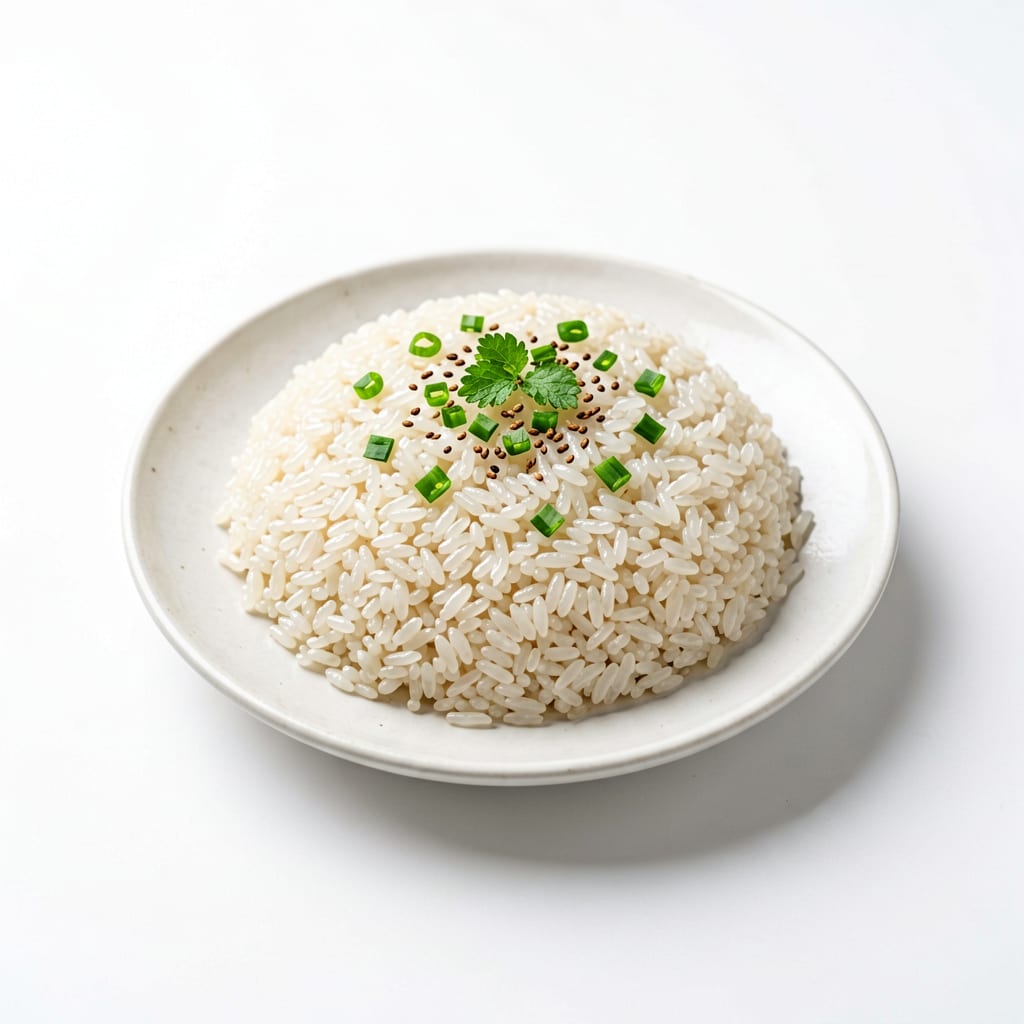
Rice
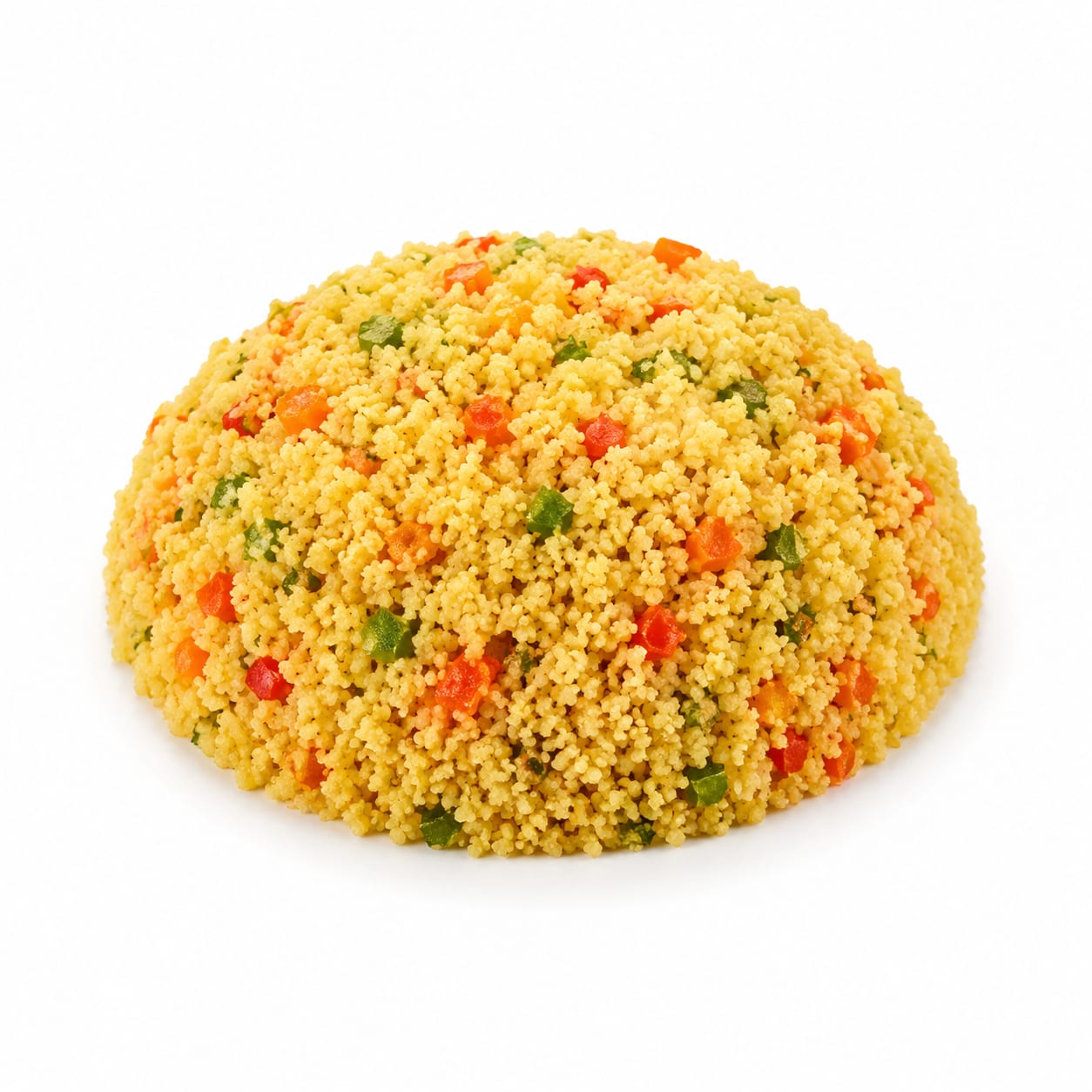
Couscous
Rice wins for gluten-free diets and gentle digestion, while couscous offers slightly better nutrition and much faster prep.
Couscous scores slightly higher for convenience and minor nutritional edges, but Rice remains essential for gluten-free needs, making them close competitors depending on dietary restrictions.
Gluten-free safety and digestibility of rice versus the higher protein, faster cooking, and slightly better satiety of couscous.
At a glance
Executive summary
Overall
It depends
Healthier
It depends
More practical
Couscous
Daily use
It depends
Key comparison lenses
Gluten sensitivity and digestive tolerance
Rice is naturally gluten-free while couscous is made from wheat semolina
Blood sugar management
Both are high-glycemic carbohydrates that heavily impact energy levels and insulin response
Meal prep convenience
Couscous cooks in five minutes whereas rice requires significantly more time and attention
Toxin and heavy metal exposure
Rice has well-documented arsenic accumulation concerns that couscous does not share
Best choice for
Rice
- People with celiac disease or gluten intolerance
- Those needing a bland carb for upset stomachs
- Individuals avoiding wheat due to inflammation
Couscous
- Busy weeknight dinners needing fast carbs
- Vegetarians looking for slightly more protein per serving
- Athletes needing quick post-workout refueling
Least suitable for
Rice
- Those needing quick meals in a rush
- People looking to maximize protein per calorie
Couscous
- Anyone with gluten sensitivity or celiac disease
- People strictly limiting wheat products
Deep comparison
Dimension by dimension
Each lens scores both foods and breaks down who each option suits.
- Dimension 1 · Priority 90It depends
Blood Sugar & Energy Stability
Rice · 65Couscous · 68Both cause rapid blood sugar spikes, though couscous has slightly more fiber and protein to soften the crash.
Tradeoff
Rice provides clean, fast-digesting energy, while couscous offers marginally steadier fuel due to its pasta-like structure.
Why it matters
Frequent blood sugar spikes lead to afternoon energy crashes and increased cravings.
Real-world impact
You might feel hungry again an hour after a large plate of white rice, whereas couscous might keep you full slightly longer.
Rice
- Pre-workout quick energy
- Easily digestible carbs for sensitive stomachs
Better for
- Sustained afternoon energy without snacking
- Diabetics seeking lower glycemic options
Worse for
Couscous
- Slightly longer-lasting satiety between meals
- Post-workout recovery with a bit more protein
Better for
- Those who need extremely fast-digesting carbs
- People sensitive to wheat-based energy crashes
Worse for
- Dimension 2 · Priority 95Rice
Digestive Tolerance & Allergens
Rice · 95Couscous · 40Rice is naturally gluten-free and extremely gentle on the gut, while couscous contains wheat and gluten.
Tradeoff
You gain faster prep and slightly more nutrients with couscous, but sacrifice gluten-free digestibility.
Why it matters
Gluten sensitivity and celiac disease make wheat-based foods like couscous a non-starter for many.
Real-world impact
Eating couscous can cause bloating or digestive distress for gluten-sensitive individuals, while rice is a safe comfort food.
Rice
- Celiac or gluten-intolerant individuals
- People recovering from stomach illness
Better for
- People wanting diverse grain textures
Worse for
Couscous
- Those without wheat sensitivities seeking variety
Better for
- Anyone avoiding gluten
- People with wheat allergies
Worse for
- Dimension 3 · Priority 85Couscous
Convenience & Preparation Speed
Rice · 55Couscous · 95Couscous cooks in about 5 minutes by just soaking in hot water, while rice requires simmering and steaming.
Tradeoff
Couscous saves significant time on busy nights, while rice demands more attention and cooking time.
Why it matters
When you are exhausted after work, a 5-minute carb is far more likely to be cooked than a 20-minute one.
Real-world impact
Couscous is a weeknight dinner hero, while rice often requires planning or a rice cooker.
Rice
- Meal prepping large batches for the week
Better for
- Impromptu fast meals
- Camping or low-resource cooking
Worse for
Couscous
- Last-minute weeknight dinners
- Quick lunch prep
Better for
- Dishes requiring distinct, separate grains like fried rice
Worse for
- Dimension 4 · Priority 75Couscous
Nutritional Density
Rice · 60Couscous · 70Couscous provides slightly more protein and fiber per serving compared to white rice.
Tradeoff
Couscous offers marginally better micronutrients like selenium, while rice is mostly pure carbohydrate energy.
Why it matters
Even small amounts of extra protein and fiber help with fullness and muscle maintenance.
Real-world impact
A cup of couscous contributes a bit more to your daily protein goals than a cup of white rice.
Rice
- Low-protein diets
- Pure carb-loading before endurance events
Better for
- Building balanced meals with macro variety
Worse for
Couscous
- Vegetarians needing extra protein
- Those seeking slightly more satiety
Better for
- Strict low-calorie or low-carb diets
Worse for
- Dimension 5 · Priority 75Couscous
Safety & Contaminants
Rice · 60Couscous · 85Rice is notorious for arsenic accumulation, while couscous carries a much lower heavy metal risk.
Tradeoff
Rice poses a chronic heavy metal exposure risk, especially if consumed daily, whereas wheat-based couscous does not.
Why it matters
Long-term arsenic exposure affects heart health and cancer risk, making daily rice consumption a concern.
Real-world impact
Eating rice multiple times a day can increase arsenic intake, while rotating with couscous reduces this burden.
Rice
- People with wheat allergies who must avoid gluten
Better for
- Daily consumption as a primary staple
- Infants and children due to arsenic
Worse for
Couscous
- Reducing dietary arsenic exposure
- Diversifying grain intake away from rice
Better for
- Those with severe gluten intolerance
Worse for
Timeline
Health impact over time
Short-term
Hours to days
Rice
- Quick energy boost from easily digestible carbs
- Gentle on an upset stomach
Couscous
- Slightly more filling due to extra protein
- Fast preparation encourages home cooking over takeout
Long-term
Months to years
Rice
- Potential arsenic accumulation with heavy daily consumption
- Blood sugar management challenges if eaten in large portions
Couscous
- Gluten-related inflammation for sensitive individuals
- Better selenium intake supports thyroid health
Risk profile
Safety & processing
Both are relatively simple grain products, though white rice has its bran removed and couscous is essentially tiny pasta made from refined wheat flour.
Rice
Arsenic contamination
mediumRice naturally absorbs more arsenic from soil and water than other grains, posing a risk with heavy daily consumption.
Bacillus cereus
lowImproperly stored cooked rice can harbor this bacteria, causing food poisoning.
Couscous
Gluten exposure
highContains gluten, which triggers autoimmune responses or digestive issues in those with celiac disease or sensitivities.
Wheat allergens
mediumWheat is a top allergen that can cause reactions ranging from hives to anaphylaxis.
Who wins for whom
Audience fit
Same foods, different winners depending on your goal.
children
CouscousCouscous avoids the arsenic concerns associated with rice, which is especially important for developing kids.
daily consumption
CouscousCouscous has lower heavy metal risk for daily use, provided gluten is not an issue.
diabetes
It dependsBoth are high-glycemic; neither is ideal, but portion control and pairing with fiber and protein matter most.
elderly
RiceRice is easier to chew, digest, and is often better tolerated by aging digestive systems.
muscle gain
CouscousCouscous provides slightly more protein per serving, which is beneficial for muscle repair alongside protein-rich foods.
weight loss
It dependsBoth are calorie-dense carbs, but couscous has slightly more fiber and protein for satiety, while rice can be portioned easily.
Your move
Decision guide
Choose Rice
- You have celiac disease, gluten intolerance, or a wheat allergy
- You need a gentle, bland carb for an upset stomach
- You are making dishes like stir-fry or curry where a distinct grain texture is essential
Choose Couscous
- You need a fast-cooking carb for busy weeknights
- You want slightly more protein and fiber in your meals
- You eat rice daily and want to reduce your arsenic exposure
Either works if
- You are simply looking for a neutral carb base for a stew or grilled chicken
- You have no gluten issues and want to mix up your meal prep
Avoid both if
- You are on a strict low-carb or ketogenic diet
- You need low-glycemic carbohydrates for severe blood sugar control
Final recommendation
Keep both in your pantry: use Rice when you need gluten-free comfort or specific textures, and lean on Couscous for quick, slightly more nutritious weeknight meals.
Practical
Consumer tips
- 1
Rinse rice thoroughly before cooking to reduce surface arsenic and starch.
- 2
Cook rice in excess water like pasta to cut arsenic levels by up to 50 percent.
- 3
Look for whole wheat couscous to double the fiber content compared to the regular version.
- 4
Toast couscous in a bit of olive oil before adding water for a nuttier, richer flavor.
- 5
If eating rice daily, vary your grains to minimize heavy metal accumulation.