
Nutrition comparison
Rice vs Pasta: Which Is Healthier for Your Goals?
Compare rice and pasta on blood sugar, satiety, digestion, and weight management. Find out which carb fits your health goals and when to choose each.
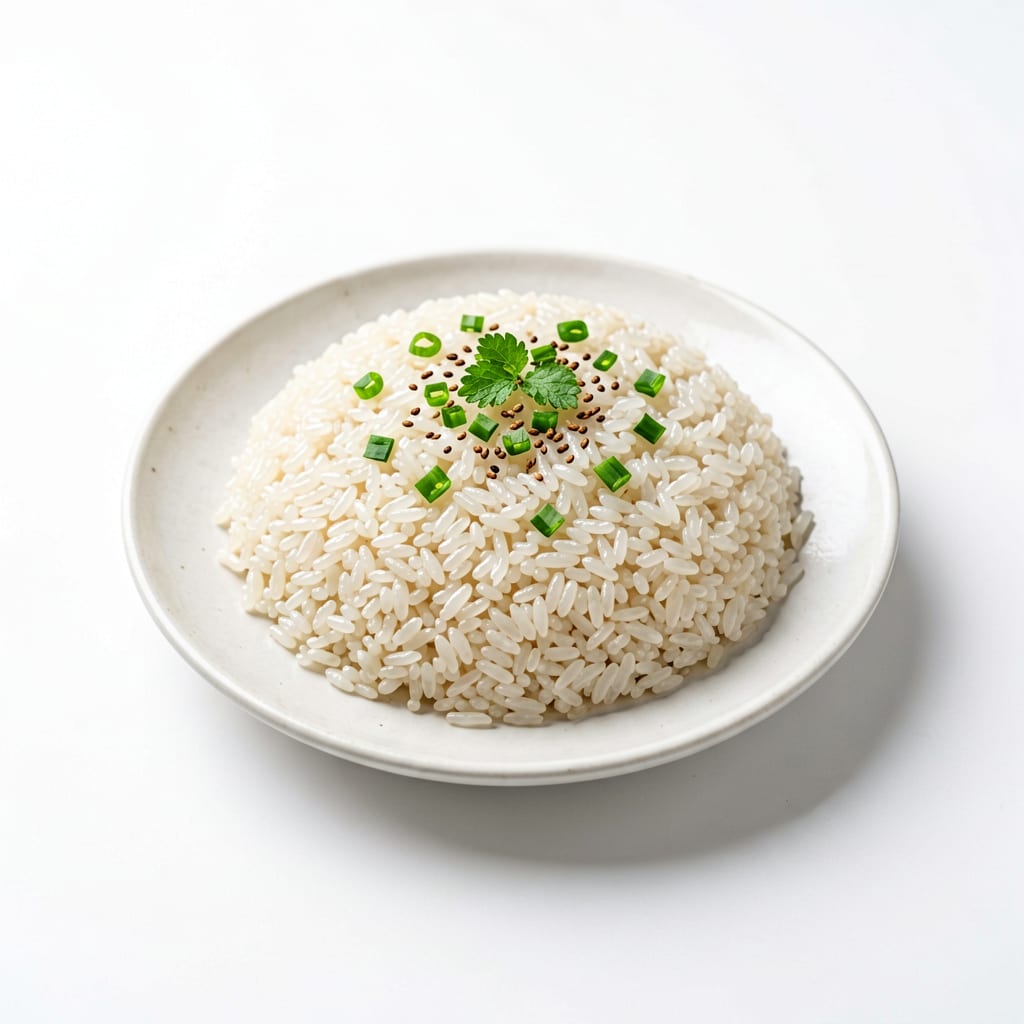
Rice
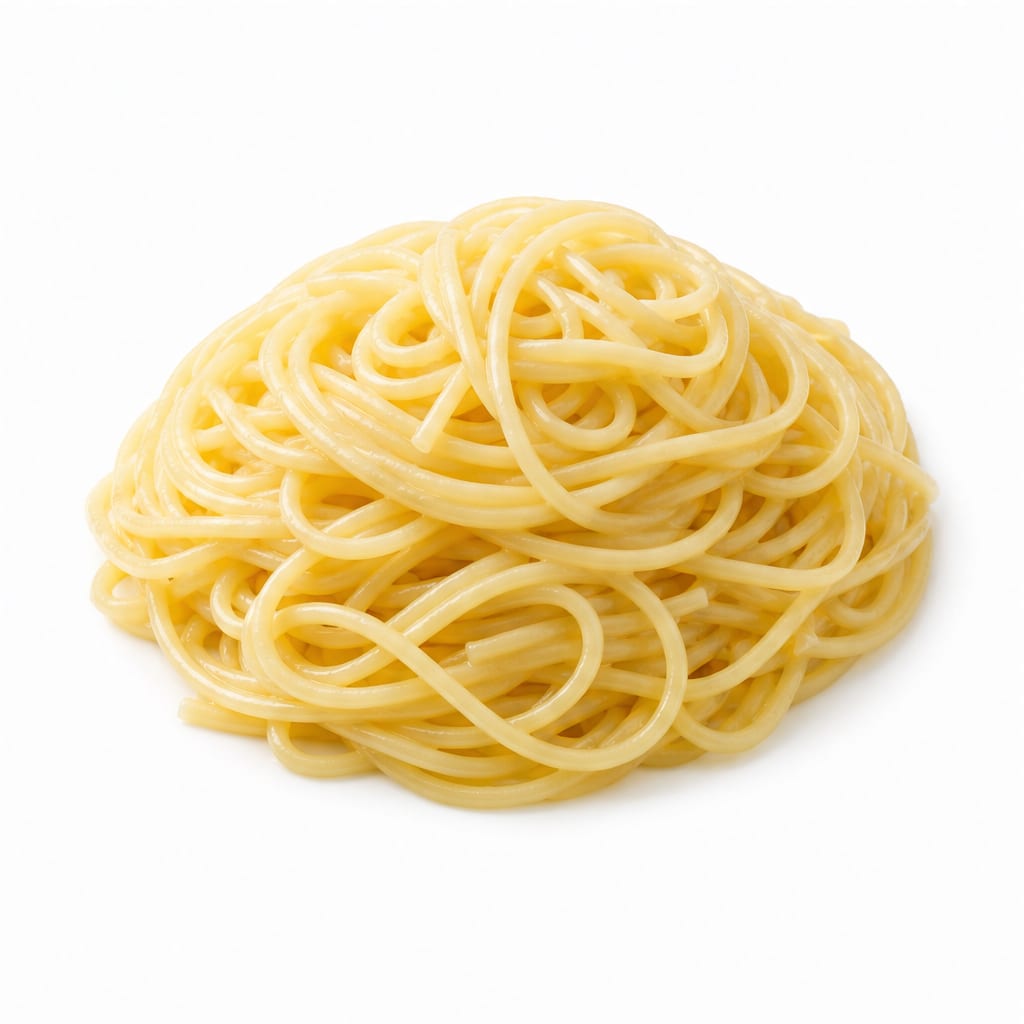
Pasta
Rice is simpler and gentler on digestion, while pasta keeps you fuller for longer. Neither is inherently healthier—it depends on your body and goals.
Pasta edges ahead slightly due to better satiety and more stable blood sugar when prepared properly, but rice wins for digestibility and gluten-free needs. The close scores reflect how context-dependent this choice truly is.
Rice offers cleaner digestion and gluten-free safety, but pasta delivers stronger satiety and steadier blood sugar when cooked al dente.
At a glance
Executive summary
Overall
It depends
Healthier
It depends
More practical
Pasta
Daily use
It depends
Key comparison lenses
blood sugar management
Both are high-carb staples that spike blood sugar, but their glycemic responses differ significantly depending on type and preparation
weight management and satiety
Users often wonder which keeps them fuller longer and which is easier to overeat
daily staple selection
Most people eat one or the other as a primary carb source and want to know which supports their health goals better
gluten sensitivity and digestion
Rice is naturally gluten-free while pasta contains wheat, a critical distinction for many eaters
meal prep and convenience
Both are meal-prep favorites but differ in reheating quality, storage, and versatility
Best choice for
Rice
- Gluten-sensitive or celiac individuals
- People with sensitive digestion
- Athletes needing quick energy before workouts
- Those following elimination diets
- Anyone wanting a lighter-feeling meal
Pasta
- People focused on staying full longer
- Blood sugar management (when cooked al dente)
- Meal preppers who reheat throughout the week
- Endurance athletes needing sustained energy
- Anyone trying to reduce between-meal snacking
Least suitable for
Rice
- People struggling with portion control (easy to overeat)
- Diabetics eating white rice (rapid blood sugar spike)
- Those needing long-lasting satiety from meals
- Low-carb or keto dieters
Pasta
- Anyone with celiac disease or gluten intolerance
- Low-carb or keto dieters
- People prone to overeating large pasta portions
- Those avoiding wheat due to inflammation concerns
Deep comparison
Dimension by dimension
Each lens scores both foods and breaks down who each option suits.
- Dimension 1 · Priority 92Pasta
blood sugar stability
Rice · 45Pasta · 62Pasta cooked al dente has a lower glycemic index than white rice, leading to steadier blood sugar.
Tradeoff
White rice digests fast and spikes blood sugar quickly, but brown rice closes the gap significantly with pasta.
Why it matters
Steadier blood sugar means fewer energy crashes and less craving-triggering hunger between meals.
Real-world impact
A pasta lunch keeps you energized through the afternoon. A white rice lunch may leave you reaching for a snack by 3pm.
Rice
- Quick pre-workout energy when you need carbs fast
- Post-workout recovery when rapid glycogen refill is desired
Better for
- White rice causes rapid blood sugar spikes
- Short-lived fullness leads to sooner hunger returns
Worse for
Pasta
- Sustained energy through long workdays
- Reduced afternoon cravings and energy dips
- More predictable blood sugar for prediabetics
Better for
- Overcooked pasta loses its glycemic advantage
- Large portions still cause significant blood sugar rises
Worse for
- Dimension 2 · Priority 88Pasta
satiety and fullness
Rice · 50Pasta · 72Pasta is significantly more filling than rice, calorie for calorie, thanks to its denser texture and slower digestion.
Tradeoff
Rice feels lighter in the stomach, which is great for comfort but terrible for portion control.
Why it matters
Foods that keep you full help prevent overeating and make it easier to maintain a healthy weight without counting calories.
Real-world impact
A bowl of pasta feels like a complete meal. The same calories of rice feel like a side dish, tempting you to eat more.
Rice
- Pre-workout meals where you want light digestion
- Hot days when heavy meals feel unappealing
- Recovery from stomach illness
Better for
- Easy to overeat because it does not trigger strong fullness signals
- Meals feel less satisfying without large portions
Worse for
Pasta
- Weight management through natural portion control
- Busy days with limited meal opportunities
- Reducing evening snacking urges
Better for
- Heavy feeling if you overportion
- Can feel too filling before physical activity
Worse for
- Dimension 3 · Priority 80Rice
digestive tolerance
Rice · 85Pasta · 55Rice is one of the most easily digested grains available, while pasta's wheat content can cause issues for sensitive individuals.
Tradeoff
Rice is gentler on the gut but lower in fiber; pasta has more fiber but contains gluten and fermentable wheat components.
Why it matters
Digestive comfort affects daily quality of life more than most people realize—bloating and discomfort can derail your whole day.
Real-world impact
Rice is a go-to recovery food for upset stomachs. Pasta can trigger bloating or discomfort in gluten-sensitive people even without celiac disease.
Rice
- Sensitive stomachs and IBS management
- Post-illness recovery eating
- Elimination diets and food sensitivity testing
- Gluten-free requirements
Better for
- White rice provides almost no fiber for gut health
- May contribute to constipation if eaten exclusively
Worse for
Pasta
- Regular digestion that benefits from moderate fiber intake
- People with no wheat sensitivity who tolerate it well
Better for
- Gluten can cause bloating, gas, or pain in sensitive individuals
- Wheat is a common food sensitivity trigger
Worse for
- Dimension 4 · Priority 75Pasta
nutritional density
Rice · 48Pasta · 60Pasta, especially whole grain or fortified varieties, delivers more protein, fiber, and B vitamins than white rice.
Tradeoff
Brown rice narrows the nutritional gap significantly, but most people eat white rice, which is the least nutritious option.
Why it matters
Getting more nutrients from your staple carb means fewer deficiencies and better overall health without extra supplements.
Real-world impact
A serving of whole wheat pasta provides meaningful fiber and protein. A serving of white rice provides mostly empty carbs.
Rice
- Brown rice offers solid mineral content including manganese and selenium
- White rice is enriched with folic acid in many countries
Better for
- White rice is nutritionally sparse beyond carbohydrates
- Milling removes most of the grain's natural nutrients
Worse for
Pasta
- Higher protein content supports muscle maintenance
- More fiber supports gut health and regularity
- Often fortified with iron and B vitamins
- Whole wheat versions add significant mineral content
Better for
- Refined white pasta is only marginally better than white rice
- Nutritional advantage requires choosing whole grain varieties
Worse for
- Dimension 5 · Priority 70It depends
versatility and meal integration
Rice · 72Pasta · 72Both are incredibly versatile but shine in different culinary contexts—rice in Asian and Latin cuisines, pasta in Mediterranean and comfort dishes.
Tradeoff
Rice adapts to more global flavor profiles, while pasta excels at carrying rich sauces and creating satisfying one-dish meals.
Why it matters
Food you enjoy eating consistently matters more than marginal nutritional differences for long-term health.
Real-world impact
Rice pairs effortlessly with stir-fries, curries, and beans. Pasta turns simple tomato sauce into a comforting, complete meal.
Rice
- Pairing with stir-fries and Asian dishes
- Serving alongside curries and stews
- Building grain bowls with diverse toppings
- Making rice pudding and desserts
Better for
- Does not carry thick sauces well
- Reheated rice can have texture issues
- Cold rice dishes are less appealing to most people
Worse for
Pasta
- Carrying rich sauces like pesto, bolognese, or Alfredo
- Building hearty one-pot meals
- Cold pasta salads for gatherings
- Baked casserole dishes
Better for
- Limited in Asian and Latin flavor contexts
- Pasta salads require dressing to avoid clumping
Worse for
- Dimension 6 · Priority 82Pasta
portion control and overeating risk
Rice · 40Pasta · 55Both are easy to overeat, but rice is particularly deceptive—small-looking portions pack significant calories.
Tradeoff
Pasta's heaviness actually helps limit intake naturally, while rice's lightness encourages second helpings.
Why it matters
Overeating staple carbs is one of the most common drivers of unintentional weight gain.
Real-world impact
A standard rice bowl at a restaurant often contains 3-4 servings. A plate of pasta looks like what it is—a big meal.
Rice
- Athletes who genuinely need high carb intake
- Underweight individuals trying to gain
Better for
- Rice portions are notoriously underestimated
- Easy to eat large volumes without feeling full
- Restaurant servings are often triple a proper portion
Worse for
Pasta
- Visual portion awareness—pasta looks substantial
- Heaviness naturally discourages overeating
Better for
- Large pasta bowls at restaurants are still excessive
- Rich sauces add hidden calories on top of the pasta itself
Worse for
Timeline
Health impact over time
Short-term
Hours to days
Rice
- Quick energy availability after eating white rice
- Possible blood sugar spike followed by energy dip within 1-2 hours
- Light feeling in the stomach, easy digestion
- Hunger returning sooner than with denser carb sources
Pasta
- Longer-lasting fullness after a pasta meal
- Steadier energy release when cooked al dente
- Possible bloating in gluten-sensitive individuals
- Heavier feeling that may reduce physical activity desire immediately after eating
Long-term
Months to years
Rice
- Regular white rice consumption linked to higher type 2 diabetes risk in studies
- Brown rice consumption associated with lower diabetes risk
- Low fiber intake may impact gut microbiome diversity over time
- Arsenic exposure is a measurable concern with regular rice consumption
Pasta
- Whole grain pasta linked to reduced cardiovascular disease risk
- Regular refined pasta consumption may contribute to weight gain if portions are excessive
- Gluten exposure is safe for most but problematic for a significant minority
- Moderate fiber intake supports long-term digestive health when choosing whole grain varieties
Risk profile
Safety & processing
White rice is milled and polished but contains no added ingredients. Pasta is made from refined wheat flour shaped and dried, sometimes with added vitamins. Both are relatively clean foods compared to most packaged options, but rice is closer to its natural state.
Rice
Arsenic contamination
mediumRice absorbs arsenic from soil and water more efficiently than other crops. Regular daily consumption, especially of brown rice, can lead to measurable arsenic exposure. Varying grain choices and rinsing rice before cooking reduces risk.
Bacillus cereus food poisoning
mediumLeftover rice at room temperature can harbor Bacillus cereus, a bacteria that causes vomiting and diarrhea. Rice should be refrigerated promptly and reheated thoroughly.
Pasta
Gluten-related reactions
highFor individuals with celiac disease or gluten sensitivity, pasta triggers immune reactions, intestinal damage, or significant discomfort. This affects roughly 5-7% of the population.
Wheat allergen exposure
mediumWheat is one of the top eight food allergens. Pasta consumption poses a clear risk for those with diagnosed wheat allergy, which is distinct from gluten sensitivity.
Who wins for whom
Audience fit
Same foods, different winners depending on your goal.
children
It dependsRice is gentler on developing digestive systems and is gluten-free safe. Pasta is more nutrient-dense and often more appealing to kids. Rotate both for variety.
daily consumption
It dependsNeither should dominate daily carb intake alone. Rotating rice, pasta, and other whole grains like quinoa or oats provides the best nutritional diversity and risk reduction.
diabetes
PastaAl dente pasta has a lower glycemic index than white rice, causing more gradual blood sugar rises. Brown rice is comparable but less commonly consumed.
elderly
RiceRice is easier to chew and digest, which matters more as digestive efficiency declines with age. Smaller, more frequent rice meals are often better tolerated.
muscle gain
PastaPasta provides more protein per serving and sustained energy for training, though both benefit from added protein sources.
weight loss
PastaPasta's higher satiety means you naturally eat less overall, making it easier to maintain a calorie deficit without feeling deprived.
Your move
Decision guide
Choose Rice
- You have gluten sensitivity, celiac disease, or wheat allergy
- You need quick-digesting carbs before or after workouts
- You have a sensitive stomach or are recovering from illness
- You primarily cook Asian, Latin, or Indian cuisines
- You want the lightest-feeling carb option available
Choose Pasta
- Staying full between meals is a priority
- You want steadier blood sugar throughout the day
- You are meal prepping for the week ahead
- You enjoy Mediterranean or Italian cooking styles
- You tend to snack between meals and need more satisfying lunches
Either works if
- You have no digestive issues with either food
- You rotate between different cuisines throughout the week
- You are an active person who tolerates carbs well
- You pair either grain with plenty of vegetables and protein
Avoid both if
- You are following a low-carb or ketogenic diet
- You have severe blood sugar control issues and need low-glycemic alternatives
- You eat only one grain exclusively without variety
Final recommendation
Choose pasta for satiety and blood sugar stability, rice for digestive comfort and gluten-free needs. Better yet, rotate both and include other whole grains like quinoa, farro, or oats. The healthiest carb is the one that fits your body, your goals, and your plate alongside vegetables and protein—not the one that wins a head-to-head comparison in isolation.
Practical
Consumer tips
- 1
Cook pasta al dente to preserve its lower glycemic index—mushy pasta digests almost as fast as white rice
- 2
Rinse rice thoroughly before cooking to reduce arsenic levels by up to 30%
- 3
Choose brown rice or whole wheat pasta when possible—both are meaningfully more nutritious than their white versions
- 4
Cool cooked rice or pasta in the fridge before reheating—it creates resistant starch that feeds gut bacteria and lowers the glycemic response
- 5
Half your plate should be vegetables regardless of which grain you pick—neither rice nor pasta should be the main event
- 6
Alternate between rice, pasta, and other grains weekly rather than eating one daily to reduce arsenic exposure and improve nutrient diversity
- 7
Add olive oil, vinegar, or lemon to pasta after cooking to further slow digestion and reduce blood sugar impact
- 8
Measure dry rice and pasta before cooking—both expand dramatically and cooked portions are easy to misjudge