
Nutrition comparison
Rice vs Potato: Which Carb Is Healthier for Daily Eating?
Compare rice and potato on nutrition, blood sugar, satiety, arsenic risk, and weight management. Discover which staple carb fits your health goals better.
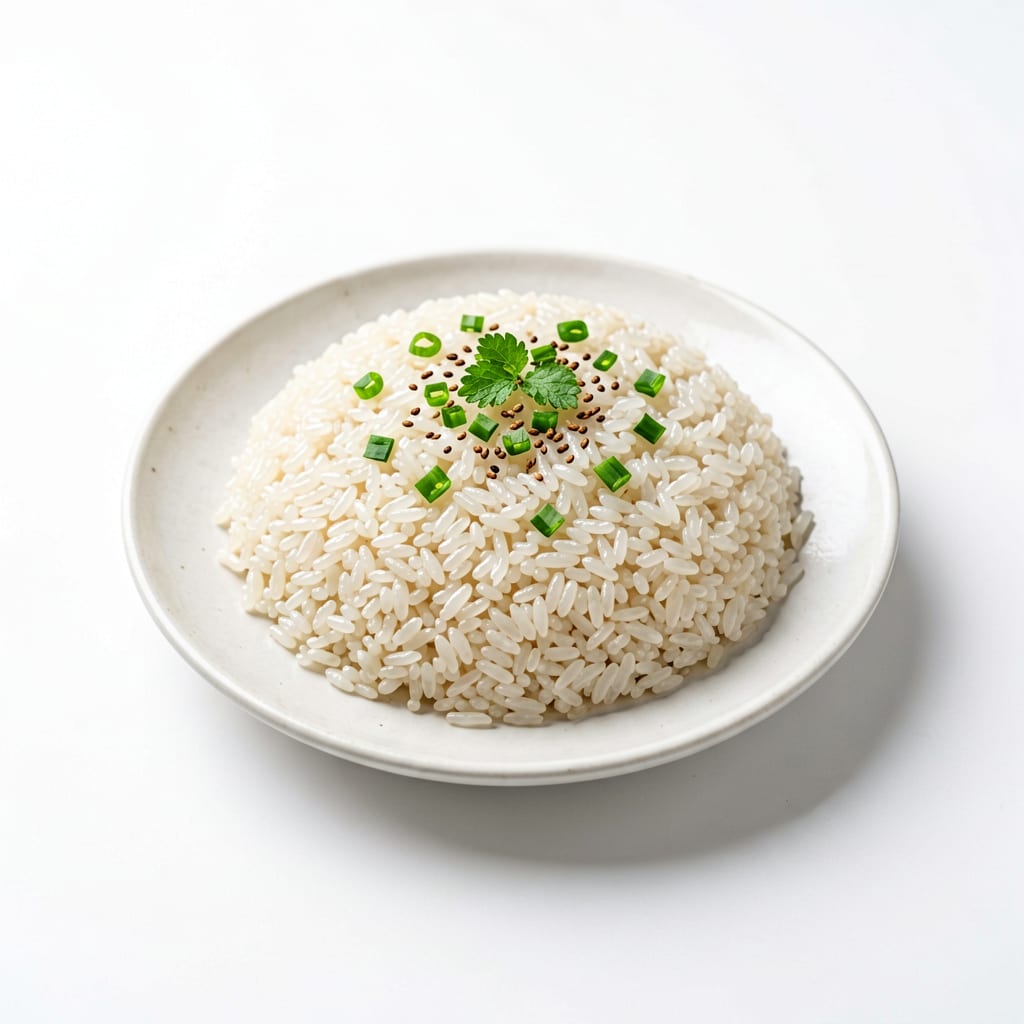
Rice
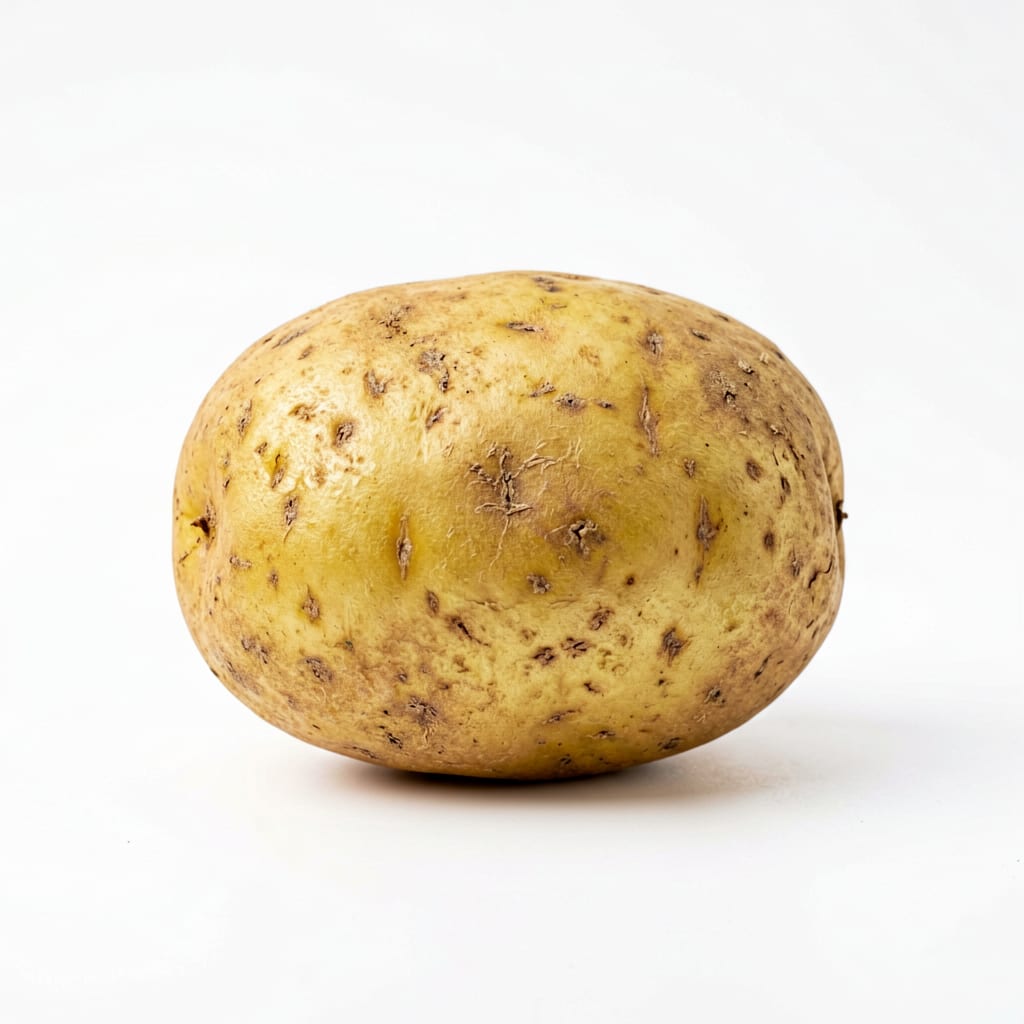
Potato
Potatoes win on satiety, potassium, and vitamin C. Rice wins on convenience, digestibility, and meal versatility. Your best pick depends on what your body needs most.
Potatoes score higher due to superior satiety, more micronutrients per calorie, and lower arsenic risk. Rice remains competitive thanks to digestive comfort and unmatched meal versatility. The gap is moderate because both are legitimate staple carbs with distinct strengths.
Potatoes keep you fuller longer with more nutrients per calorie, but rice is gentler on digestion and easier to pair with diverse meals.
At a glance
Executive summary
Overall
It depends
Healthier
Potato
More practical
Rice
Daily use
It depends
Key comparison lenses
blood sugar management
Both are high-carb staples with significant glycemic impact, making blood sugar response the top concern for most users
satiety and weight management
Potatoes are among the most filling foods per calorie, while rice is easier to overeat
nutrient density comparison
Users often assume these are empty carbs, but their micronutrient profiles differ significantly
everyday meal staple selection
People typically choose one as their daily carb source and want to know the tradeoff
contaminant and safety awareness
Arsenic in rice is a legitimate concern that many consumers overlook
Best choice for
Rice
- Athletes needing quick carb refueling after intense training
- People with sensitive digestion or recovering from illness
- Meal preppers who want a carb that stores and reheats well
- Anyone eating gluten-free who needs a reliable staple
Potato
- People trying to lose weight without feeling hungry
- Anyone needing more potassium for blood pressure management
- Those wanting more vitamin C from whole food sources
- Active people who want longer-lasting energy without crashes
Least suitable for
Rice
- People closely managing blood sugar or insulin resistance
- Anyone trying to reduce arsenic exposure, especially children
- Those prone to overeating carbs because it's easy to consume large portions
Potato
- People with nightshade sensitivities or joint inflammation concerns
- Anyone short on cooking time during busy weekdays
- Those who dislike the texture of reheated potatoes
Deep comparison
Dimension by dimension
Each lens scores both foods and breaks down who each option suits.
- Dimension 1 · Priority 95Potato
satiety and fullness
Rice · 45Potato · 88Potatoes are one of the most satiating foods tested in research, while rice is notably easy to overeat.
Tradeoff
You'll likely eat fewer calories at a meal with potatoes, but rice portions are simpler to measure and control in meal prep.
Why it matters
Feeling full matters more than willpower for weight management. A food that naturally stops you from seconds is a real advantage.
Real-world impact
A medium potato with dinner often prevents late-night snacking. The same calories in rice might leave you reaching for more food an hour later.
Rice
- Bodybuilders who need to eat large amounts of carbs easily
- Underweight individuals struggling to get enough calories
Better for
- Portion control is harder because rice doesn't trigger strong fullness signals
Worse for
Potato
- Anyone cutting calories without wanting to feel deprived
- People who tend to overeat at dinner
Better for
- Getting enough calories can require deliberate effort if you're very active
Worse for
- Dimension 2 · Priority 92It depends
blood sugar stability
Rice · 38Potato · 48Both can spike blood sugar, but potatoes (especially cooled) develop resistant starch that softens the impact. White rice offers little such benefit.
Tradeoff
Cooled potatoes have a meaningful blood sugar advantage, but hot mashed potatoes can spike glucose faster than rice.
Why it matters
Steady energy beats roller-coaster energy. Blood sugar crashes drive cravings, fatigue, and irritability.
Real-world impact
A potato salad from the fridge gives steadier energy than a bowl of hot white rice. But a steaming baked potato with nothing else can hit your blood sugar hard.
Rice
- Post-workout meals where you actually want quick glycogen replenishment
- People who pair carbs with protein and fat to slow absorption
Better for
- White rice has minimal fiber to slow glucose absorption
- No resistant starch benefit regardless of serving temperature
Worse for
Potato
- Meal preppers who eat leftovers cold or at room temperature
- Anyone who benefits from resistant starch in cooled potatoes
Better for
- Hot starchy potatoes can spike blood sugar rapidly
- Mashed and instant potatoes are among the highest glycemic foods available
Worse for
- Dimension 3 · Priority 88Potato
nutrient density
Rice · 35Potato · 72Potatoes deliver significantly more potassium, vitamin C, vitamin B6, and fiber than white rice, which is largely empty calories beyond starch.
Tradeoff
Potatoes bring real vitamins and minerals to your plate, while rice mostly just provides energy with minimal micronutrients.
Why it matters
Getting nutrients from your carb source means less pressure on the rest of your meal to cover nutritional needs.
Real-world impact
One medium potato covers about 30% of your daily vitamin C and 20% of your potassium. A cup of white rice covers less than 5% of almost everything.
Rice
- Brown or wild rice varieties narrow the nutrient gap significantly
- Fortified rice products can add back some B vitamins
Better for
- White rice is essentially pure starch with trace nutrients
- Milling removes most of the bran and germ where nutrients live
Worse for
Potato
- Whole food eaters who want maximum nutrition per calorie
- Anyone not taking a multivitamin who relies on food for micronutrients
Better for
- Peeling potatoes discards much of the fiber and nutrients
- Frying adds calories that dilute the nutrient density per bite
Worse for
- Dimension 4 · Priority 80Rice
digestive tolerance
Rice · 85Potato · 55Rice is one of the most easily digested foods available, making it a go-to for sensitive stomachs. Potatoes can cause bloating in some people.
Tradeoff
Rice is comfort food for an upset stomach, but that easy digestibility means less fiber and faster blood sugar impact.
Why it matters
If your gut is unhappy, nothing else matters. A food you can't tolerate comfortably isn't healthy for you.
Real-world impact
When you're recovering from a stomach bug, plain rice feels safe and soothing. Potatoes might feel heavy or gassy in the same situation.
Rice
- People with IBS or sensitive digestion
- Recovery meals after illness or digestive upset
- Anyone who gets bloated from high-fiber foods
Better for
- Very low fiber content doesn't support healthy gut bacteria
- Can contribute to constipation if you don't get fiber elsewhere
Worse for
Potato
- People who need more fiber to stay regular
- Those whose digestion handles whole foods well
Better for
- Nightshade vegetables can trigger inflammation or discomfort in sensitive people
- Large portions can feel heavy and slow to digest
Worse for
- Dimension 5 · Priority 75Potato
contaminant and safety profile
Rice · 40Potato · 78Rice accumulates arsenic from groundwater, a legitimate long-term health concern. Potatoes carry minimal heavy metal risk.
Tradeoff
Potatoes are cleaner from a contaminant standpoint, but rice's arsenic risk is dose-dependent and manageable with smart sourcing.
Why it matters
Chronic low-level arsenic exposure affects heart health, cancer risk, and children's development. This isn't theoretical.
Real-world impact
Eating rice daily for years can meaningfully increase arsenic exposure, especially if it's grown in certain regions. Potatoes don't carry this burden.
Rice
- Basmati rice from California or India has lower arsenic levels
- Limited rice consumption (a few times per week) keeps risk low
Better for
- Brown rice actually has more arsenic than white because arsenic concentrates in the bran
- Rice from certain US regions like the Gulf Coast has higher arsenic levels
Worse for
Potato
- Families with young children who are more vulnerable to arsenic
- Daily staple eaters who need a safe everyday carb
Better for
- Solanine toxicity from green or sprouted potatoes is a rare but real risk
- Pesticide residue on conventional potatoes can be significant since they grow underground
Worse for
- Dimension 6 · Priority 72Rice
meal versatility and convenience
Rice · 90Potato · 60Rice pairs effortlessly with nearly every cuisine and reheats beautifully. Potatoes have more texture limitations and shorter leftover appeal.
Tradeoff
Rice makes meal assembly easier and more flexible, but that convenience can lead to eating it more often than is optimal.
Why it matters
The best healthy food is one you'll actually prepare and enjoy consistently. Convenience drives real-world choices.
Real-world impact
Rice works in stir-fries, bowls, curries, burritos, soups, and as a side for anything. Potatoes are great but more limited in how they fit diverse meals.
Rice
- Busy cooks who need one carb that works with everything
- Meal preppers who want food that tastes good on day four
- Families eating multiple cuisines throughout the week
Better for
- Rice's neutrality can make meals feel monotonous over time
- It absorbs flavors but contributes little flavor of its own
Worse for
Potato
- Weekend cooking when you have time to roast or bake properly
- Hearty comfort meals where potatoes are the star, not just a side
Better for
- Reheated potatoes often develop unpleasant textures
- Less compatible with Asian, Latin, and many global cuisines
Worse for
Timeline
Health impact over time
Short-term
Hours to days
Rice
- Quick energy that can feel energizing initially but may lead to a crash within 1-2 hours
- Very gentle on the stomach, rarely causes digestive discomfort
- Easy to overeat because satiety signals are weak
Potato
- More sustained energy over 2-3 hours, especially when eaten cooled or with the skin
- Can feel heavy or filling quickly, which naturally limits portion size
- May cause temporary bloating in people sensitive to fermentable fibers
Long-term
Months to years
Rice
- Regular white rice consumption is linked to higher type 2 diabetes risk in large studies
- Chronic arsenic exposure from daily rice intake may affect cardiovascular and cognitive health
- Low fiber intake from relying on white rice can impact gut microbiome diversity over years
Potato
- Consistent potato consumption is associated with better potassium intake and blood pressure regulation
- Resistant starch from cooled potatoes supports gut bacteria that produce protective short-chain fatty acids
- Preparation method matters enormously: boiled and baked are protective, fried is harmful
Risk profile
Safety & processing
Both rice and potatoes are whole, minimally processed foods when purchased in their basic form. The processing concern for rice is what gets removed (bran and germ in white rice), not what gets added. For potatoes, the risk comes from how you prepare them, not the potato itself.
Rice
Inorganic arsenic exposure
mediumRice absorbs arsenic from soil and water more efficiently than most crops. Chronic exposure is linked to increased cancer and heart disease risk. Children and frequent rice eaters are most vulnerable.
Bacillus cereus food poisoning
lowImproperly stored leftover rice can harbor this heat-resistant bacteria. Cool rice quickly and refrigerate within one hour of cooking.
Potato
Glycoalkaloid (solanine) toxicity
lowGreen or sprouted potatoes contain elevated solanine, which can cause nausea, headaches, and in extreme cases neurological symptoms. Always discard green or sprouted potatoes.
Acrylamide formation
mediumFrying or roasting potatoes at high temperatures creates acrylamide, a probable carcinogen. Boiling and steaming avoid this risk entirely.
Who wins for whom
Audience fit
Same foods, different winners depending on your goal.
children
PotatoLower arsenic risk and more micronutrients make potatoes a safer daily staple for kids. Rice is fine in moderation but shouldn't be the default daily carb for children.
daily consumption
It dependsPotatoes are nutritionally superior for daily use, but rice's arsenic risk is manageable with variety and smart sourcing. Alternating between both is the healthiest approach.
diabetes
PotatoCooled potatoes with resistant starch have a lower glycemic impact than white rice. Neither is ideal, but potatoes offer more blood sugar modulation options.
elderly
RiceRice is easier to chew, digest, and tolerate for aging digestive systems. Potatoes can be heavy and may contribute to bloating in older adults.
muscle gain
RiceRice provides easily digestible carbs that digest quickly post-workout, and it's simpler to eat in large quantities when you need a caloric surplus.
weight loss
PotatoPotatoes are dramatically more filling per calorie, making it easier to eat less without feeling deprived. Rice's low satiety score makes portion control harder.
Your move
Decision guide
Choose Rice
- You need a gentle carb after illness, digestive upset, or a hard workout
- You meal prep for the week and want a carb that reheats well
- You eat diverse cuisines and need a neutral base that works with anything
- You're trying to gain weight or eat more calories easily
Choose Potato
- You want to feel full and satisfied without overeating
- You're watching your blood pressure and need more potassium
- You're concerned about arsenic exposure from daily rice consumption
- You eat your carbs cooled sometimes and want the resistant starch benefit
Either works if
- You rotate your carb sources throughout the week anyway
- You pair your carbs with protein, healthy fats, and vegetables at every meal
- Neither makes up more than a quarter of your plate
Avoid both if
- You're following a very low-carb or ketogenic diet
- You have uncontrolled blood sugar and need to limit all high-glycemic foods temporarily
- You eat only one carb source every single day without any variety
Final recommendation
Eat more potatoes than rice on average, but don't abandon rice entirely. Potatoes give you more nutrition, better satiety, and fewer contamination concerns. Rice still deserves a place for post-workout meals, sensitive digestion days, and cuisines where it belongs. The best strategy: make potatoes your default weekly staple and enjoy rice a few times as a deliberate choice, not a habit.
Practical
Consumer tips
- 1
Buy basmati rice from California or India to minimize arsenic exposure, and rinse it thoroughly before cooking
- 2
Cook rice in excess water (6:1 ratio) and drain it like pasta to reduce arsenic by up to 50%
- 3
Cook potatoes, then cool them in the fridge for 12-24 hours to significantly boost resistant starch content
- 4
Never eat green or sprouted potatoes — solanine is not destroyed by cooking
- 5
Leave potato skins on whenever possible to keep fiber and nutrient content high
- 6
Alternate between rice, potatoes, sweet potatoes, and other carb sources to avoid overexposure to any single contaminant
- 7
If you eat rice daily, consider switching some servings to potatoes or quinoa to reduce cumulative arsenic intake
- 8
Avoid instant and pre-flavored rice products that add sodium and preservatives without nutritional benefit