
Nutrition comparison
Rice vs Brown Rice: Which is Healthier?
Compare Rice and Brown Rice on nutrition, blood sugar impact, arsenic risk, and digestion. Find out which is better for weight loss, diabetes, and daily use.
Overall winner · Brown Rice
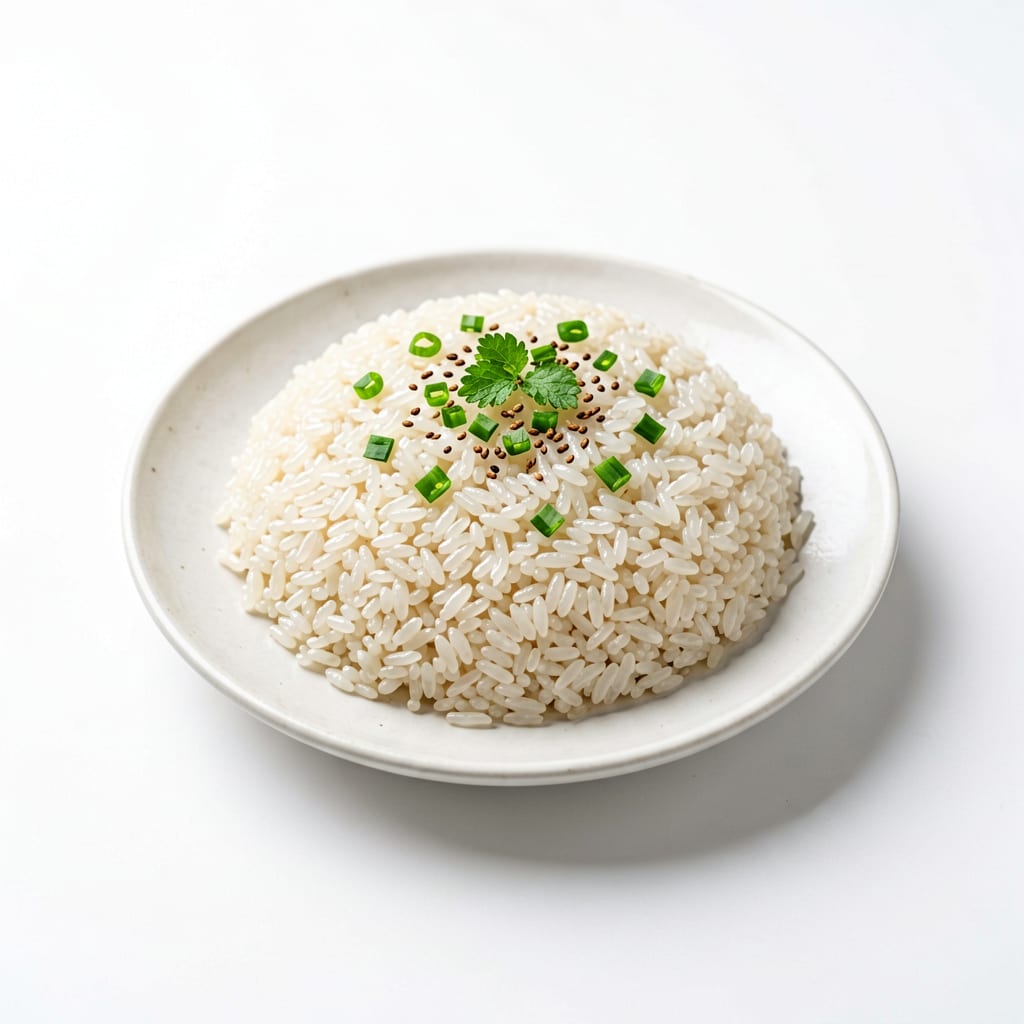
Rice
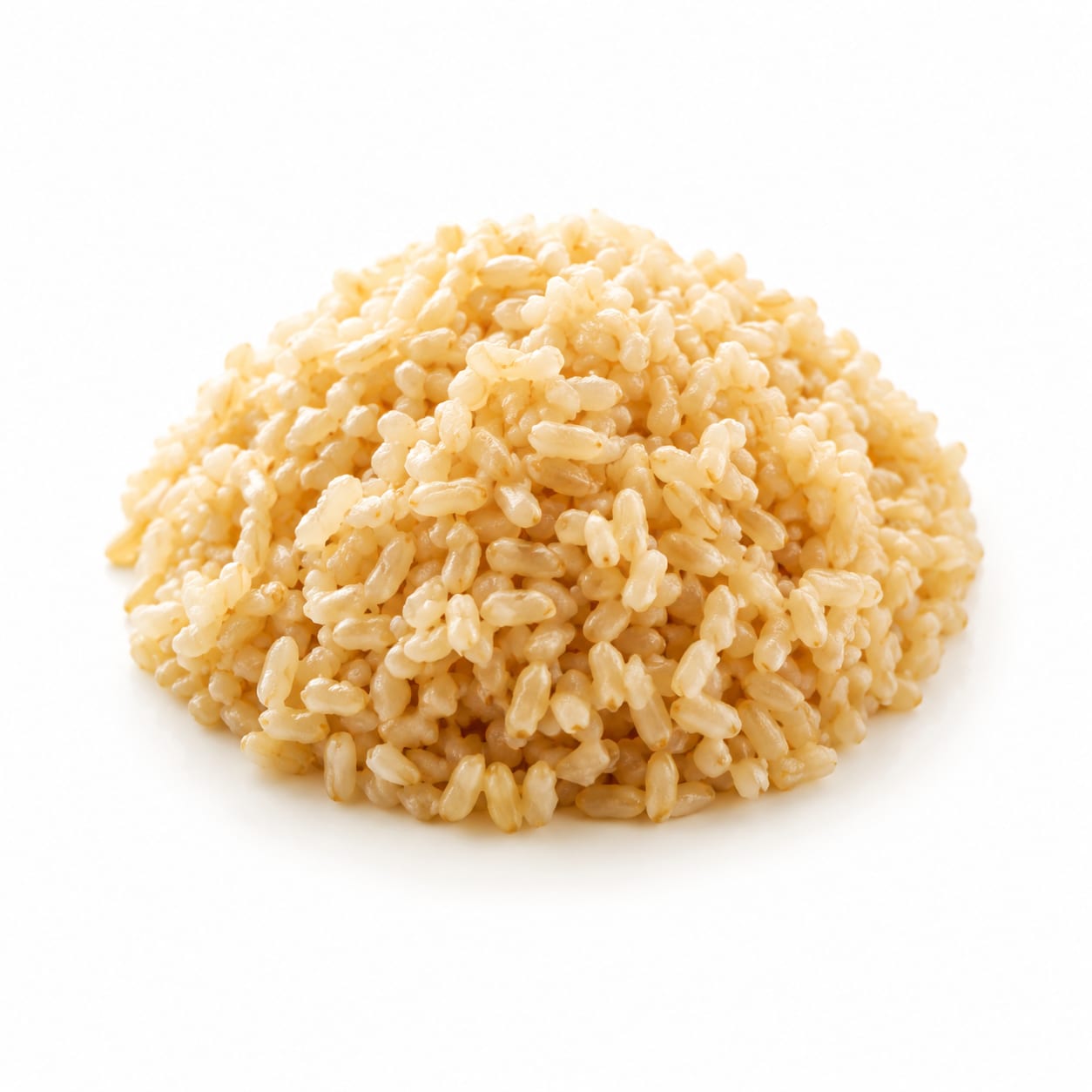
Brown Rice
Brown Rice offers more fiber and steadier energy, but Rice is easier to digest and cooks faster.
Brown Rice scores higher due to superior fiber and micronutrient content, but Rice remains relevant for specific digestive and performance needs.
Nutritional density and blood sugar stability versus digestive comfort and lower arsenic levels.
At a glance
Executive summary
Overall
Brown Rice
Healthier
Brown Rice
More practical
Rice
Daily use
Brown Rice
Key comparison lenses
Blood sugar management
Rice spikes blood sugar faster than Brown Rice, making glycemic impact a primary concern.
Nutrient density
Brown Rice retains its bran and germ, packing more natural nutrients than Rice.
Digestive sensitivity
Rice is gentler on the gut, while Brown Rice provides fiber that can be rough on sensitive stomachs.
Arsenic exposure
Brown Rice retains more arsenic in the bran compared to Rice, raising long-term safety questions.
Best choice for
Rice
- Post-workout recovery
- Sensitive stomachs
- Quick weeknight dinners
Brown Rice
- Steady all-day energy
- Weight management
- Increasing daily fiber
Least suitable for
Rice
- Blood sugar management
- High-fiber diets
Brown Rice
- Acute digestive distress
- Low-arsenic diets
Deep comparison
Dimension by dimension
Each lens scores both foods and breaks down who each option suits.
- Dimension 1 · Priority 95Brown Rice
Blood Sugar Stability
Rice · 40Brown Rice · 75Brown Rice digests slower, preventing the rapid blood sugar spikes caused by Rice.
Tradeoff
You get steadier energy with Brown Rice, but Rice delivers faster fuel when you need quick recovery.
Why it matters
Frequent blood sugar spikes from Rice can lead to afternoon crashes and increased cravings.
Real-world impact
Eating Brown Rice at lunch keeps you full until dinner, while Rice might leave you reaching for a snack by 3 PM.
Rice
- Post-workout carb loading
- Acute low blood sugar
Better for
- Sustained focus without snacking
- Metabolic health
Worse for
Brown Rice
- Preventing afternoon energy crashes
- Managing diabetes
Better for
- Rapid muscle glycogen replenishment
Worse for
- Dimension 2 · Priority 85Brown Rice
Nutrient Density
Rice · 45Brown Rice · 85Brown Rice retains its bran and germ, packing significantly more magnesium, phosphorus, and B vitamins than Rice.
Tradeoff
More nutrients in Brown Rice versus the softer, more familiar texture of Rice.
Why it matters
The missing nutrients in Rice play key roles in energy production and bone health.
Real-world impact
Choosing Brown Rice helps you hit your daily magnesium goals, which supports better sleep and muscle recovery.
Rice
- Diets where enrichment already covers B vitamins
Better for
- Preventing nutrient deficiencies
- Getting enough dietary fiber
Worse for
Brown Rice
- Filling nutritional gaps
- Plant-based diets needing extra minerals
Better for
- Culinary applications requiring a delicate texture
Worse for
- Dimension 3 · Priority 80Rice
Digestive Tolerance
Rice · 90Brown Rice · 55Rice is low-fiber and very easy on the digestive system, making it a go-to for upset stomachs.
Tradeoff
Rice is soothing and easy to digest, while Brown Rice's fiber can be irritating if your gut is sensitive.
Why it matters
When dealing with GI distress, high-fiber foods can worsen bloating or discomfort.
Real-world impact
Rice is a safe bet when recovering from a stomach bug, whereas Brown Rice might cause uncomfortable bloating.
Rice
- Recovering from stomach illness
- Managing IBS flare-ups
Better for
- Chronic constipation
- Gut microbiome diversity
Worse for
Brown Rice
- Promoting regular bowel movements
- Feeding beneficial gut bacteria
Better for
- Acute gastrointestinal distress
- Sensitive digestion days
Worse for
- Dimension 4 · Priority 75Rice
Arsenic and Safety
Rice · 70Brown Rice · 50Arsenic concentrates in the bran, meaning Brown Rice naturally contains more inorganic arsenic than Rice.
Tradeoff
Brown Rice offers more nutrients but carries a higher heavy metal load than Rice.
Why it matters
Long-term arsenic exposure is linked to increased cancer risk and heart disease.
Real-world impact
If rice is a daily staple, choosing Rice or alternating grains can help lower your overall arsenic burden.
Rice
- Minimizing heavy metal intake
- Daily staple consumption
Better for
- Missing out on bran's protective compounds
Worse for
Brown Rice
- Maximizing antioxidant intake from bran
Better for
- Long-term heavy metal accumulation
- Infant and children's diets
Worse for
- Dimension 5 · Priority 60Rice
Convenience and Cooking
Rice · 90Brown Rice · 60Rice cooks in about 15 minutes, while Brown Rice takes 40-50 minutes and requires more water.
Tradeoff
Rice saves time and cooks consistently, while Brown Rice requires planning and has a chewier texture.
Why it matters
Longer cook times can deter healthy choices on busy weeknights.
Real-world impact
Rice is an easy last-minute side dish, whereas Brown Rice usually requires meal prep or a rice cooker with a timer.
Rice
- Quick weeknight meals
- Meal prep in a hurry
Better for
- Building patience for whole grain cooking
Worse for
Brown Rice
- Batch cooking on weekends
Better for
- Spontaneous cooking
- Crisp, tender rice dishes like sushi
Worse for
Timeline
Health impact over time
Short-term
Hours to days
Rice
- Quick energy boost
- Rapid blood sugar spike
- Easy digestion
Brown Rice
- Sustained energy
- Feeling fuller for longer
- Potential bloating if unused to fiber
Long-term
Months to years
Rice
- Increased risk of type 2 diabetes with high consumption
- Easier weight management if portions are controlled
- Potential nutrient shortfalls
Brown Rice
- Better blood sugar regulation
- Improved heart health from fiber
- Higher arsenic exposure if consumed excessively
Risk profile
Safety & processing
Rice is processed to remove the bran and germ, extending shelf life but stripping natural nutrients. Brown Rice remains a whole grain with only the inedible hull removed.
Rice
Arsenic exposure
mediumRice contains less arsenic than Brown Rice because the arsenic-rich bran is removed, but it still poses a risk if consumed in massive quantities.
Brown Rice
Higher arsenic concentration
highThe bran layer retains more inorganic arsenic from the soil. Regular daily consumption of Brown Rice can significantly increase arsenic exposure.
Phytic acid interference
lowBrown Rice contains phytic acid, which can bind to minerals like iron and zinc, slightly reducing their absorption.
Who wins for whom
Audience fit
Same foods, different winners depending on your goal.
children
RiceRice is easier for small stomachs to digest and has lower arsenic levels, which is crucial for developing bodies.
daily consumption
It dependsBrown Rice is nutritionally superior for daily use, but its higher arsenic levels mean you should vary your grains rather than eating it every single day.
diabetes
Brown RiceBrown Rice has a lower glycemic index, preventing the sharp blood sugar spikes associated with Rice.
elderly
RiceOlder adults often have more sensitive digestion, and Rice is gentler on the stomach while providing easily accessible energy.
muscle gain
RiceRice provides fast-digesting carbs that quickly replenish glycogen after intense workouts.
weight loss
Brown RiceThe extra fiber in Brown Rice keeps you full longer, making it easier to eat fewer calories overall.
Your move
Decision guide
Choose Rice
- You need quick energy after a workout
- You have an upset stomach or digestive issues
- You are making sushi or a dish requiring sticky rice
- You are concerned about arsenic exposure
Choose Brown Rice
- You want steady energy for hours
- You are trying to increase your fiber intake
- You are managing blood sugar levels
- You prefer a nuttier, chewier texture
Either works if
- You are mixing it with plenty of vegetables and protein
- You are cooking a stir-fry where sauce dominates the flavor
Avoid both if
- You are on a strict low-carb or keto diet
- You are trying to minimize all grain consumption for autoimmune reasons
Final recommendation
Make Brown Rice your default for everyday meals to get more fiber and nutrients, but keep Rice on hand for post-workout fuel, sensitive stomach days, and dishes where texture matters. To minimize arsenic risk, alternate rice with other grains like quinoa or millet.
Practical
Consumer tips
- 1
Wash both Rice and Brown Rice thoroughly before cooking to reduce surface arsenic and starch.
- 2
Cook rice in excess water (like pasta) and drain it to reduce arsenic levels by up to 50%.
- 3
Soak Brown Rice overnight to reduce cooking time and lower phytic acid, making its nutrients easier to absorb.
- 4
Pair Rice with fiber-rich vegetables or healthy fats to slow down the blood sugar spike.
- 5
Vary your grains throughout the week instead of relying solely on rice to avoid heavy metal accumulation.