
Nutrition comparison
Rice vs Barley: Which Grain is Better for Blood Sugar and Weight Loss?
Compare Rice and Barley to see which grain wins for fiber, blood sugar control, and weight loss. Learn the nutritional tradeoffs and which is healthier for you.
Overall winner · Barley
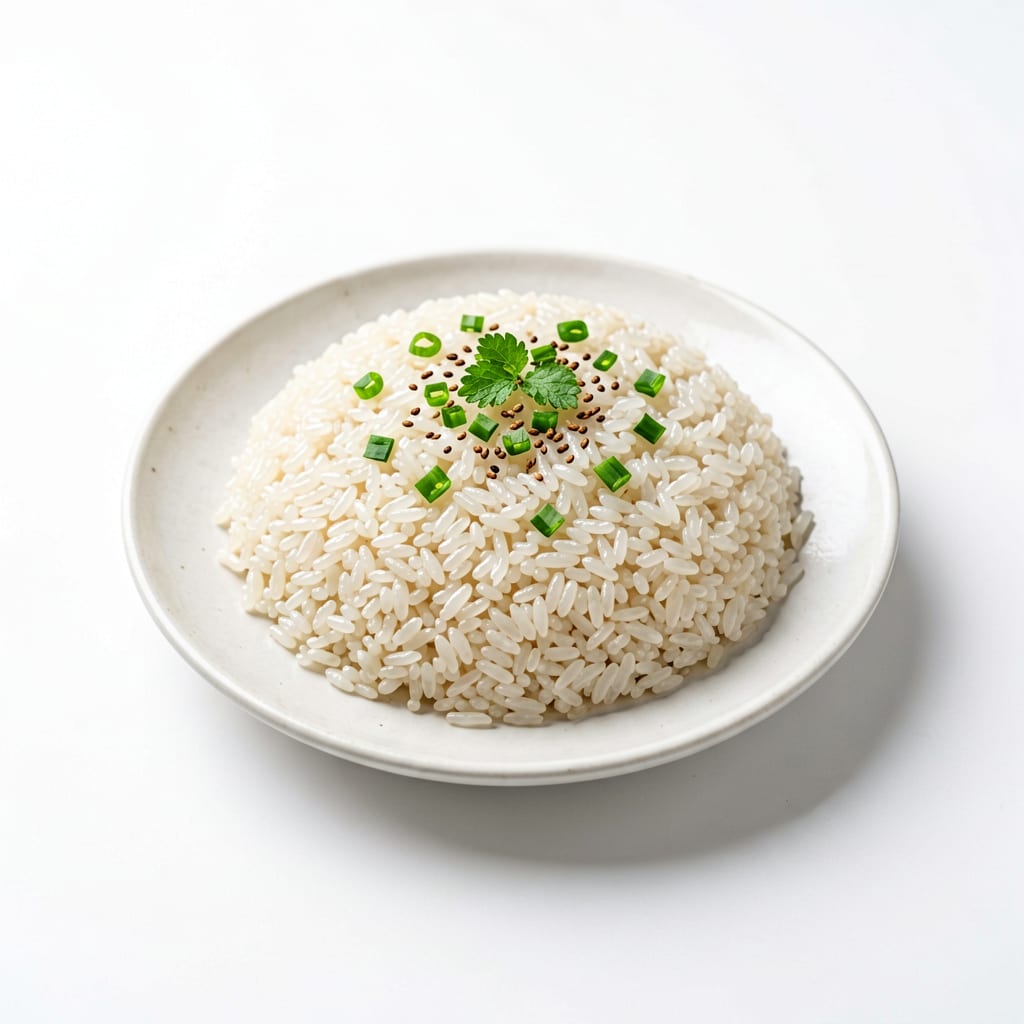
Rice
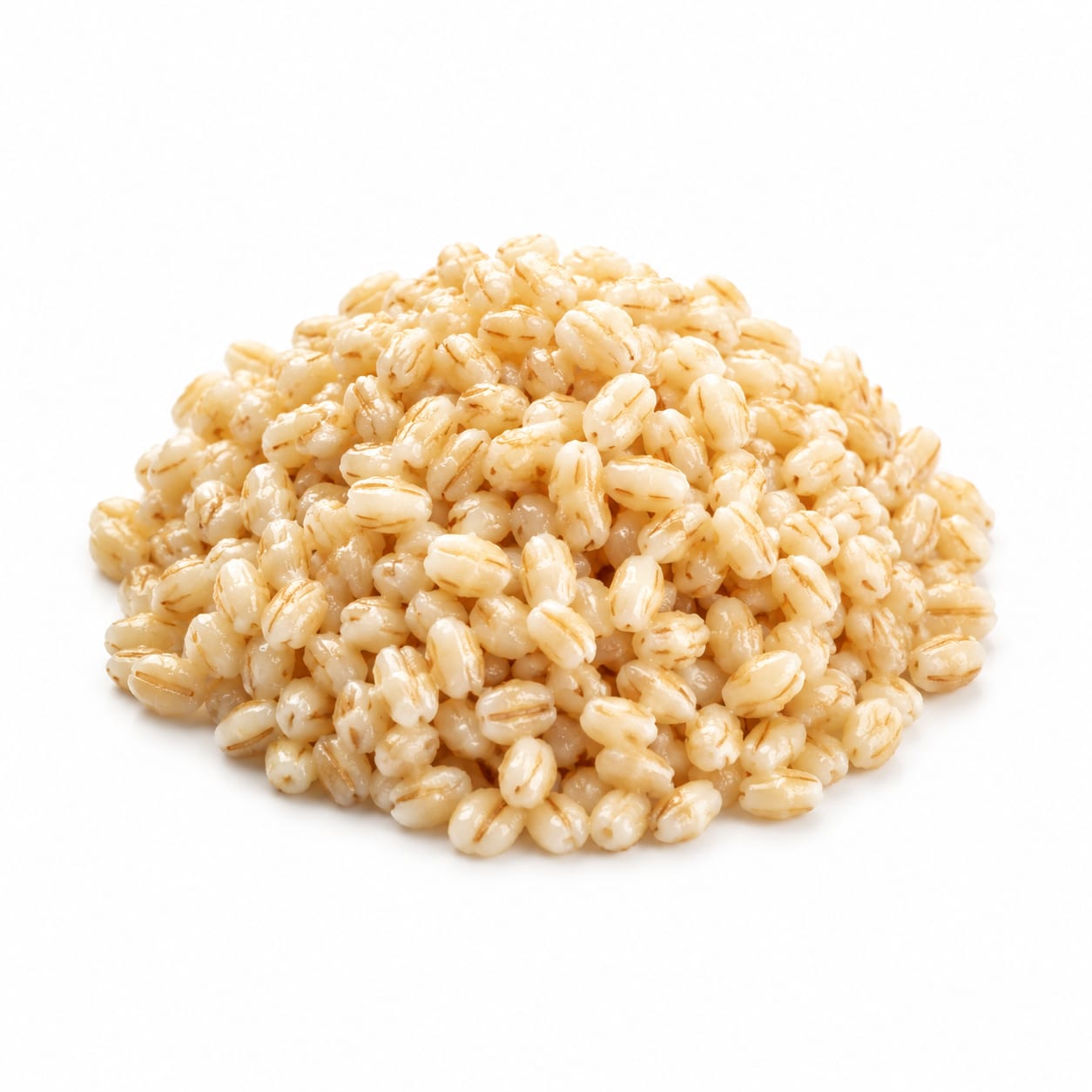
Barley
Barley is the nutritional champion with far more fiber and steadier energy, but Rice remains the go-to for quick cooking and gentle digestion.
Barley scores significantly higher due to its superior fiber content, blood sugar stability, and long-term health benefits. Rice scores lower because its refined carbohydrate nature offers quick energy but little sustained nutritional value.
You trade the fast, easy energy and mild digestion of Rice for the long-lasting fullness and blood sugar control of Barley.
At a glance
Executive summary
Overall
Barley
Healthier
Barley
More practical
Rice
Daily use
Barley
Key comparison lenses
Blood sugar management
Rice and Barley have drastically different glycemic impacts, making this the most critical health differentiator for daily energy and disease risk.
Fiber and satiety
Barley is exceptionally high in beta-glucan fiber, while Rice is notoriously low, directly affecting fullness and appetite control.
Digestive tolerance
Rice is a bland, low-residue food ideal for sensitive stomachs, whereas Barley contains gluten and rough fiber that can irritate some digestive conditions.
Meal prep convenience
Rice cooks quickly and pairs with almost anything, while Barley requires longer cooking times and has a distinct chewy texture.
Best choice for
Rice
- Pre-workout quick energy
- Upset stomach or digestive rest
- Busy weeknight dinners
Barley
- Managing diabetes or insulin resistance
- Lowering cholesterol
- Staying full until the next meal
Least suitable for
Rice
- Blood sugar management
- High-fiber diets
- Sustained energy without crashes
Barley
- Gluten-free or celiac diets
- Low-residue diets for IBS flares
- Quick 15-minute meals
Deep comparison
Dimension by dimension
Each lens scores both foods and breaks down who each option suits.
- Dimension 1 · Priority 95Barley
Blood Sugar Stability
Rice · 25Barley · 90Barley keeps blood sugar steady, while Rice causes rapid spikes and crashes.
Tradeoff
Choosing Rice means accepting a sugar rollercoaster; Barley offers a smooth, sustained ride.
Why it matters
Frequent blood sugar spikes from Rice increase fatigue and long-term diabetes risk.
Real-world impact
Eating Rice at lunch might leave you reaching for a coffee at 2 PM. Barley keeps the afternoon slump at bay.
Rice
- Post-workout glycogen replenishment
Better for
- Sustained focus during long meetings
Worse for
Barley
- Preventing afternoon energy crashes
- Managing prediabetes or diabetes
Better for
- Rapid recovery after intense exercise
Worse for
- Dimension 2 · Priority 90Barley
Fiber & Satiety
Rice · 10Barley · 95Barley is loaded with filling fiber, whereas Rice leaves you hungry again quickly.
Tradeoff
You get lightness with Rice, but you sacrifice the hours of fullness that Barley provides.
Why it matters
Fiber is crucial for weight management and gut health, and Rice simply lacks it.
Real-world impact
A bowl of Barley soup feels heavy and satisfying for hours. A side of Rice digests fast, opening the door for snacking.
Rice
- Eating before a run without feeling weighed down
Better for
- Avoiding late-night snacking
Worse for
Barley
- Weight loss and appetite control
- Feeding beneficial gut bacteria
Better for
- Light meals on hot days
Worse for
- Dimension 3 · Priority 80Rice
Digestive Tolerance
Rice · 95Barley · 45Rice is incredibly gentle on the stomach, while Barley's gluten and rough fiber can be irritating.
Tradeoff
Barley is better for long-term gut health, but Rice is better when your gut needs an immediate break.
Why it matters
For those with IBS, celiac disease, or a sensitive stomach, Barley can trigger bloating and pain.
Real-world impact
When you have a stomach bug, Rice is a safe comfort food. Barley would be a miserable choice during a flare-up.
Rice
- Recovering from a stomach bug
- Managing IBS flare-ups
Better for
- Resolving chronic constipation
Worse for
Barley
- Improving long-term gut microbiome diversity
Better for
- Gluten-free dietary needs
Worse for
- Dimension 4 · Priority 75Rice
Convenience & Cooking Speed
Rice · 90Barley · 40Rice cooks quickly and absorbs flavors easily, while Barley takes much longer to prepare.
Tradeoff
Barley requires patience and planning, whereas Rice is ready in under 20 minutes.
Why it matters
On a busy Tuesday night, the 45-minute cook time of Barley might push you toward less healthy takeout.
Real-world impact
Rice is a weeknight staple because it is effortless. Barley is better suited for weekend meal prep or slow-cooked soups.
Rice
- Fast weeknight dinners
- Quick meal prep
Better for
- Adding hearty texture to stews
Worse for
Barley
- Slow cooker recipes
- Batch cooking on weekends
Better for
- Last-minute side dishes
Worse for
Timeline
Health impact over time
Short-term
Hours to days
Rice
- Quick burst of energy
- Rapid blood sugar spike followed by a crash
- Light feeling in the stomach
Barley
- Steady, sustained energy
- Feeling pleasantly full and satisfied
- Potential for bloating if you are not used to high fiber
Long-term
Months to years
Rice
- Increased risk of type 2 diabetes with regular consumption of white rice
- Potential for overeating due to low satiety
- Possible arsenic exposure depending on sourcing
Barley
- Lower cholesterol levels thanks to beta-glucan
- Better blood sugar regulation and reduced diabetes risk
- Improved digestive regularity and gut health
Risk profile
Safety & processing
Standard white Rice is processed to remove the bran and germ, stripping away nutrients. Barley, even when pearled, retains more of its natural structure and fiber. Hulled Barley is the least processed form of both.
Rice
Arsenic contamination
mediumRice naturally absorbs more arsenic from soil and water than other grains, posing a concern with frequent daily consumption, especially for children.
Barley
Gluten exposure
highBarley contains gluten, making it entirely unsafe for those with celiac disease or severe gluten intolerance.
Mycotoxin contamination
lowLike all stored grains, Barley can develop mold if not kept dry, but this is rare in commercial products.
Who wins for whom
Audience fit
Same foods, different winners depending on your goal.
children
RiceRice is mild, easy to chew, and gentle on developing digestive systems, though arsenic exposure should be monitored.
daily consumption
BarleyBarley offers more daily nutritional value, sustained energy, and heart health benefits without the blood sugar volatility of Rice.
diabetes
BarleyThe beta-glucan fiber in Barley dramatically slows sugar absorption, preventing the dangerous glucose spikes caused by Rice.
elderly
RiceRice is softer and easier to chew and digest for aging digestive systems, unless blood sugar control is the primary concern.
muscle gain
RiceRice provides fast-digesting carbohydrates that are ideal for post-workout glycogen replenishment when you need quick recovery.
weight loss
BarleyBarley's massive fiber content keeps you full for hours, naturally reducing overall calorie intake without feeling deprived.
Your move
Decision guide
Choose Rice
- You need quick carbs after a heavy workout
- You are recovering from a stomach illness
- You are short on time and need a fast side dish
Choose Barley
- You want to stay full and avoid snacking
- You are managing diabetes or insulin resistance
- You want to lower your cholesterol naturally
Either works if
- You want a base for a hearty grain bowl with lots of veggies and protein
- You are looking for a comforting carbohydrate to pair with a stew
Avoid both if
- You are on a strict low-carb or ketogenic diet
Final recommendation
Make Barley your everyday grain for its incredible fiber and blood sugar benefits, but keep Rice on hand for post-workout recovery or when your stomach needs a break.
Practical
Consumer tips
- 1
Rinse Rice thoroughly before cooking to reduce surface arsenic.
- 2
Cook Barley in a large batch on Sunday and refrigerate it for quick use throughout the week.
- 3
If transitioning from Rice to Barley, start by mixing them half-and-half to let your digestive system adjust to the extra fiber.
- 4
Swap Rice for Barley in your favorite soup recipes for a much more filling and nutritious meal.