
Nutrition comparison
Rice vs Cauliflower Rice: Nutrition, Carbs, and Which is Better
Comparing Rice and Cauliflower Rice for carbs, calories, and weight loss. Find out which low-carb alternative is best for your diet and blood sugar.
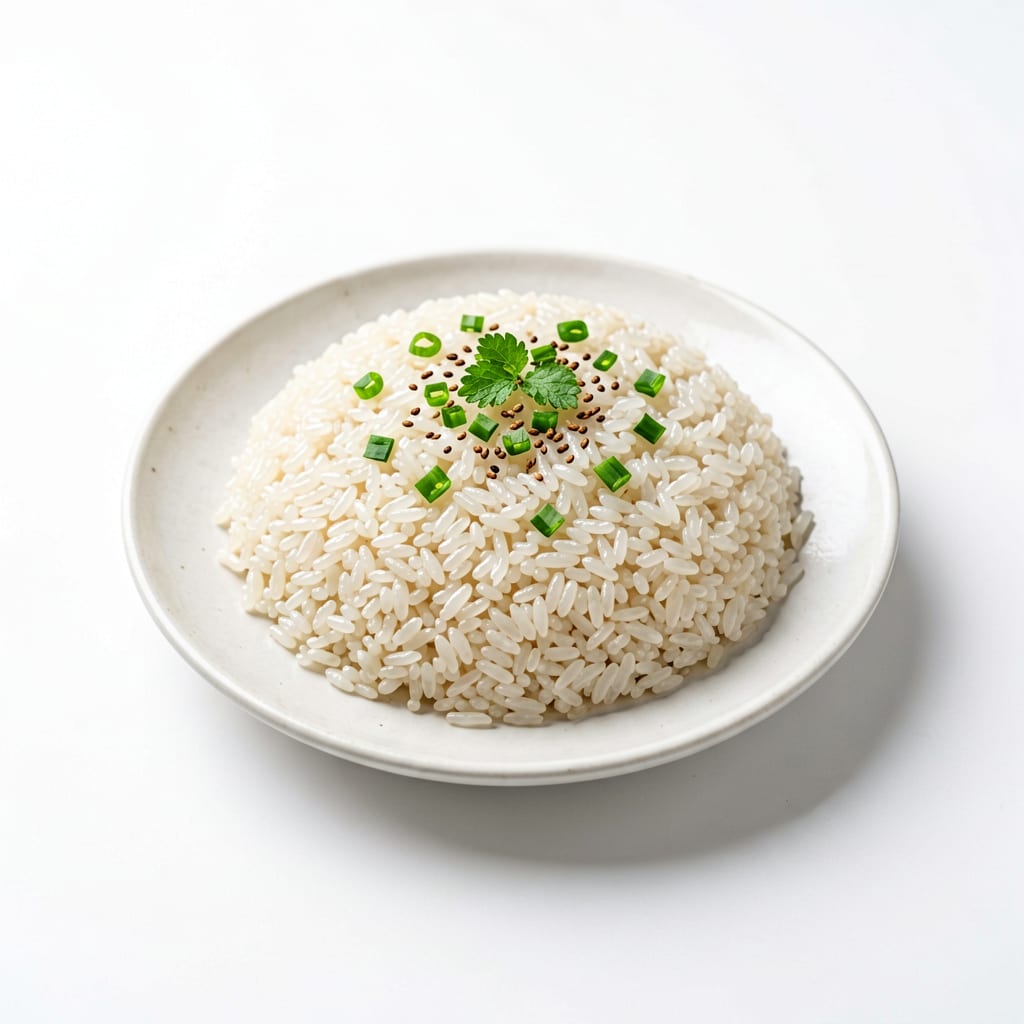
Rice
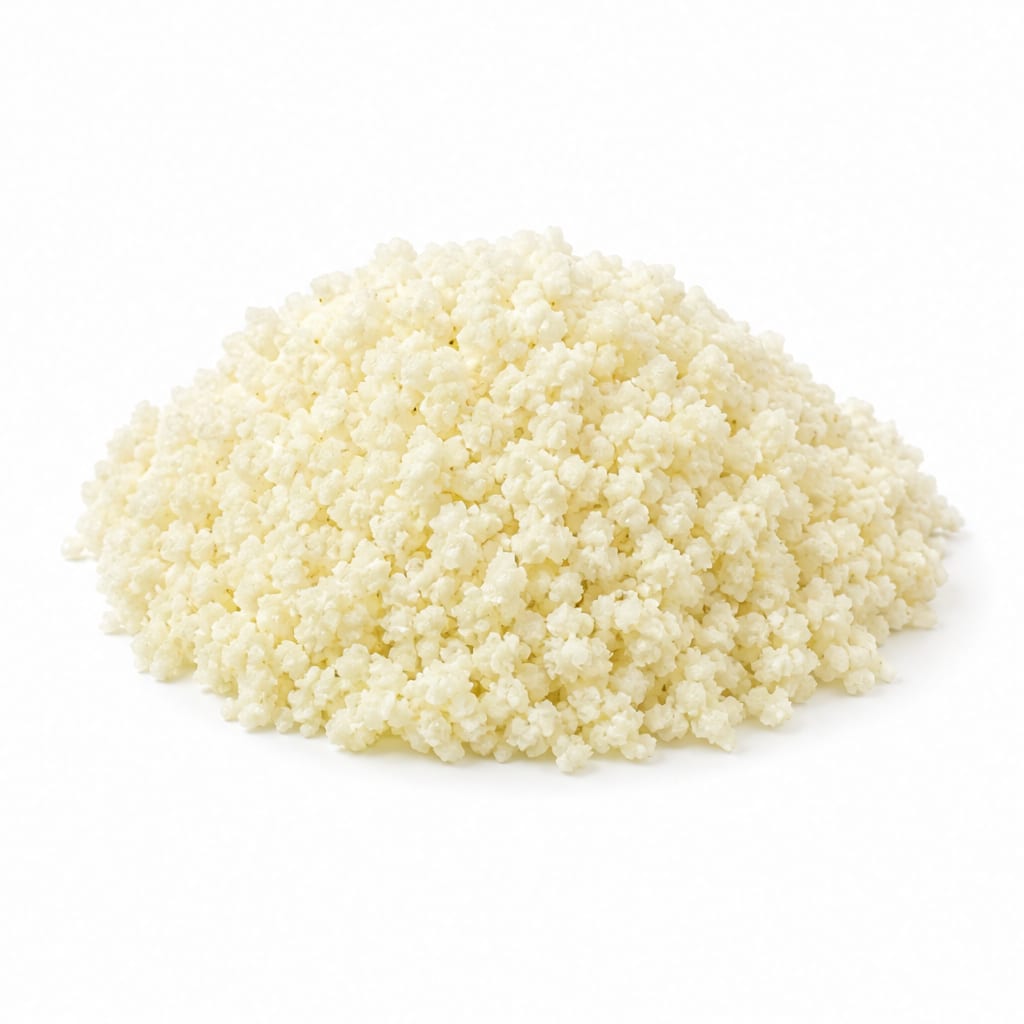
Cauliflower Rice
Rice provides comforting, satisfying energy for active lifestyles, while Cauliflower Rice is a powerful low-carb swap for blood sugar and weight management.
Cauliflower Rice scores higher for general health due to its low calorie density and blood sugar benefits, but Rice remains a culturally staple, energy-dense food that excels in specific contexts like athletics.
Satiety and culinary satisfaction versus calorie and carbohydrate savings.
At a glance
Executive summary
Overall
It depends
Healthier
Cauliflower Rice
More practical
Rice
Daily use
It depends
Key comparison lenses
Low-carb diet compatibility
The primary reason people swap Rice for Cauliflower Rice is to drastically reduce carbohydrates and sugars.
Weight loss and calorie reduction
Cauliflower Rice offers massive calorie savings, which is critical for anyone in a calorie deficit.
Blood sugar management
Rice can cause significant blood sugar spikes, whereas Cauliflower Rice has minimal impact, making it vital for diabetics.
Meal satisfaction and satiety
Rice provides comforting, dense energy that keeps you full, while Cauliflower Rice can feel too light on its own.
Best choice for
Rice
- Athletes needing carb fuel for performance
- People with sensitive digestion who cannot tolerate cruciferous vegetables
- Anyone needing affordable, filling calories
Cauliflower Rice
- Low-carb and keto dieters
- People managing type 2 diabetes or insulin resistance
- Those looking to increase vegetable volume without adding calories
Least suitable for
Rice
- People on strict ketogenic diets
- Those with severe blood sugar control issues
- Sedentary individuals watching their waistline
Cauliflower Rice
- Endurance athletes who need glycogen replenishment
- People with IBS or severe bloating from cruciferous veggies
- Those looking for dense, comforting satiety
Deep comparison
Dimension by dimension
Each lens scores both foods and breaks down who each option suits.
- Dimension 1 · Priority 95Cauliflower Rice
Blood Sugar & Carb Load
Rice · 25Cauliflower Rice · 95Cauliflower Rice keeps blood sugar flat, while Rice can cause rapid spikes and crashes, especially the white variety.
Tradeoff
You avoid the carb crash with Cauliflower Rice, but miss out on the quick energy spike that Rice provides during intense physical activity.
Why it matters
Steady blood sugar means fewer afternoon energy crashes and less cravings later in the day.
Real-world impact
Eating Rice with a sugary sauce can leave you hungry an hour later; Cauliflower Rice keeps you on an even keel.
Rice
- Post-workout glycogen replenishment
- Pre-workout energy loading
Better for
- Fighting sugar cravings
- Staying in ketosis
Worse for
Cauliflower Rice
- Preventing the afternoon energy crash
- Managing insulin resistance
Better for
- Fueling a marathon
- Recovering from heavy lifting
Worse for
- Dimension 2 · Priority 90Cauliflower Rice
Calorie Density & Weight Management
Rice · 30Cauliflower Rice · 95Cauliflower Rice has about five times fewer calories than Rice per cup, making it a dieter's best friend.
Tradeoff
You save hundreds of calories per meal with Cauliflower Rice, but the meal might feel less substantial and satisfying.
Why it matters
Eating high-volume, low-calorie foods is the easiest way to stay full while losing weight without actively tracking every bite.
Real-world impact
Swapping just one cup of Rice for Cauliflower Rice saves you over 200 calories, which is the equivalent of a 30-minute walk.
Rice
- Gaining healthy weight
- Backpacking or hiking where calorie density matters
Better for
- Fitting into tight jeans
- Reducing daily caloric intake
Worse for
Cauliflower Rice
- Creating a calorie deficit effortlessly
- Eating large portion sizes without guilt
Better for
- Feeling physically full after a meal
- Maintaining weight during high-activity periods
Worse for
- Dimension 3 · Priority 80Rice
Satiety & Energy Duration
Rice · 85Cauliflower Rice · 55Rice provides dense, comforting calories that stick with you, whereas Cauliflower Rice can leave you searching for a snack sooner.
Tradeoff
Rice keeps you fuller for longer, but Cauliflower Rice prevents the heavy, sluggish feeling that follows a big carb meal.
Why it matters
Meals that actually fill you up prevent mindless snacking later, even if they cost more calories upfront.
Real-world impact
A Rice bowl will easily carry you from lunch to dinner, but a Cauliflower Rice bowl might require a heavier protein or fat addition to keep you satisfied.
Rice
- Going long stretches between meals
- Feeling physically comforted by food
Better for
- Staying alert in an afternoon meeting
- Light snacking
Worse for
Cauliflower Rice
- Avoiding the post-lunch food coma
- Eating light before a big event
Better for
- Preventing late-night fridge raids
- Feeling deeply satisfied after dinner
Worse for
- Dimension 4 · Priority 70Cauliflower Rice
Micronutrient Density
Rice · 40Cauliflower Rice · 85Cauliflower Rice brings Vitamin C, K, and folate to the plate, while white Rice is mostly empty carbs.
Tradeoff
You get far more vitamins with Cauliflower Rice, but Rice is often enriched with synthetic B vitamins that are highly absorbable.
Why it matters
Nutrient-dense foods support your immune system and cellular health without needing a supplement.
Real-world impact
Choosing Cauliflower Rice helps you hit your daily vegetable goals and boosts your immune system, while Rice offers little beyond raw energy.
Rice
- Getting easily absorbed enriched iron and B vitamins (if enriched)
Better for
- Preventing nutrient gaps on a restricted diet
Worse for
Cauliflower Rice
- Boosting antioxidant intake
- Supporting bone health with Vitamin K
Better for
- Providing reliable caloric energy
Worse for
- Dimension 5 · Priority 75Rice
Culinary Satisfaction & Versatility
Rice · 90Cauliflower Rice · 50Rice absorbs flavors beautifully and has a satisfying chew, while Cauliflower Rice can get mushy and tastes distinctly like cauliflower.
Tradeoff
Rice makes curries and stir-fries feel complete and comforting, but Cauliflower Rice requires careful cooking to avoid a watery, soggy mess.
Why it matters
If a healthy swap tastes bad, you won't stick with it long-term. Enjoyment is crucial for sustainable eating.
Real-world impact
Rice soaks up a rich curry perfectly; Cauliflower Rice might water it down and leave you missing the authentic experience.
Rice
- Making sushi or risotto
- Soaking up rich sauces
Better for
- Making a light, refreshing summer bowl
Worse for
Cauliflower Rice
- Adding bulk to soups without making them heavy
- Sneaking veggies into picky eaters' meals
Better for
- Creating an authentic Asian takeout experience at home
Worse for
Timeline
Health impact over time
Short-term
Hours to days
Rice
- Quick energy availability for muscles and brain
- Potential blood sugar spike followed by an energy crash
- Comforting, mood-boosting satiety
Cauliflower Rice
- Very light feeling in the stomach
- Minimal blood sugar disruption
- Possible gas or bloating due to cruciferous fiber
Long-term
Months to years
Rice
- Risk of weight gain if consumed in large portions without activity
- Potential for worsened insulin resistance if eaten excessively
- Inorganic arsenic accumulation if relying heavily on brown rice
Cauliflower Rice
- Improved metabolic health and blood sugar markers
- Easier long-term weight maintenance due to low calorie density
- Increased intake of cancer-fighting glucosinolates from cruciferous veggies
Risk profile
Safety & processing
Both are whole foods at their core. White Rice is milled and polished, removing its bran, while Cauliflower Rice is simply raw cauliflower chopped into small pieces. Store-bought Cauliflower Rice may occasionally contain preservatives, so check the bag.
Rice
Inorganic arsenic
mediumRice naturally absorbs more arsenic from soil and water than other crops. Brown rice tends to have higher levels because arsenic accumulates in the bran. Rinsing thoroughly and cooking in excess water reduces this significantly.
Cauliflower Rice
Pesticide residue
mediumCauliflower is not typically on the highest-risk list for pesticides, but conventional farming uses them. Buying organic mitigates this.
Goitrogenic compounds
lowRaw cruciferous vegetables contain goitrogens that can interfere with thyroid function in extreme amounts. Cooking Cauliflower Rice largely neutralizes this risk.
Who wins for whom
Audience fit
Same foods, different winners depending on your goal.
children
RiceKids need dense energy for growth and are often put off by the slightly bitter, sulfurous taste of Cauliflower Rice. Rice is an easy, safe win.
daily consumption
It dependsIf you are active and metabolically healthy, Rice is a fine daily staple. If you sit at a desk or are managing your weight, Cauliflower Rice is the better daily base.
diabetes
Cauliflower RiceCauliflower Rice has virtually zero impact on blood sugar, making it incredibly safe for diabetics, whereas Rice can cause dangerous spikes.
elderly
RiceRice is extremely easy to chew and digest. Cruciferous vegetables like Cauliflower Rice can cause uncomfortable gas and bloating in sensitive older digestive systems.
muscle gain
RiceBuilding muscle requires a caloric surplus and glycogen for heavy lifts, both of which Rice provides efficiently and cheaply.
weight loss
Cauliflower RiceCauliflower Rice allows you to eat a massive volume of food for almost no calories, making it the ultimate weight loss hack.
Your move
Decision guide
Choose Rice
- You are an athlete or lift weights regularly and need carb fuel
- You struggle with digestive issues like IBS and cannot handle cruciferous veggies
- You want a comforting, satisfying meal that truly fills you up
Choose Cauliflower Rice
- You are tracking calories or macros for weight loss
- You need to keep your blood sugar stable and low
- You want to increase your daily vegetable intake without eating a salad
Either works if
- You are mixing them half-and-half to cut carbs while keeping the satisfying texture
- You want a neutral base for a heavy protein and sauce dish where the base matters less
Avoid both if
- You have severe IBS and struggle with both high carbs and cruciferous fiber
Final recommendation
For most people looking to improve their metabolic health or lose a few pounds, Cauliflower Rice is the smarter daily choice. However, if you feel sluggish, unsatisfied, or bloated after making the swap, there is no harm in going back to Rice or mixing the two. Food should work for your body and your lifestyle, not against it.
Practical
Consumer tips
- 1
Mix half Rice and half Cauliflower Rice to cut calories and carbs while maintaining the familiar texture and satisfaction.
- 2
If buying pre-packaged Cauliflower Rice, check the ingredient list to ensure it contains only cauliflower with no added sulfites or preservatives.
- 3
Rinse Rice thoroughly before cooking and use a 6-to-1 water ratio to drain off excess arsenic.
- 4
Sauté Cauliflower Rice in a dry skillet for a few minutes before adding sauce to cook out excess moisture and prevent a soggy meal.