
Nutrition comparison
Rice vs Quinoa: Which Is Healthier for Daily Eating?
Compare rice and quinoa on protein, fiber, blood sugar impact, cost, and more. Find out which grain is better for weight loss, diabetes, muscle gain, and everyday meals.
Overall winner · Quinoa
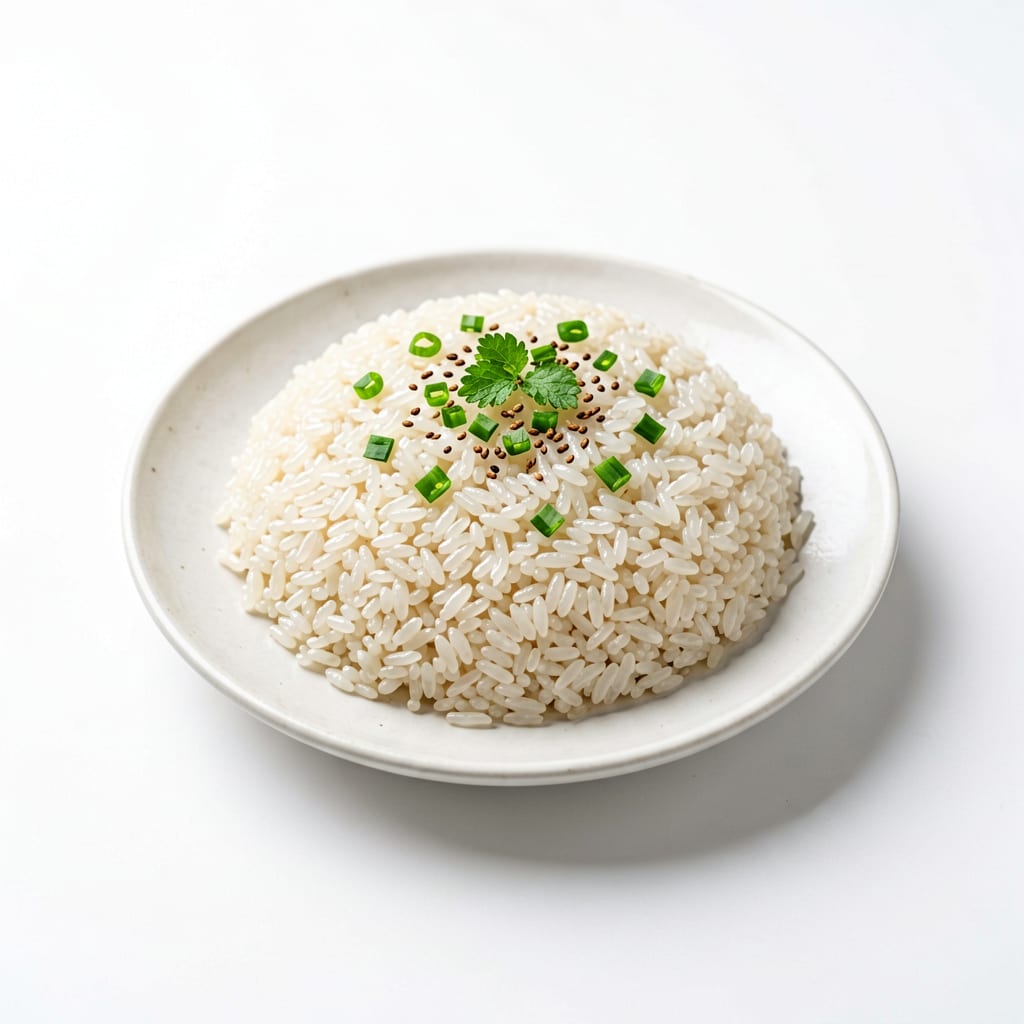
Rice
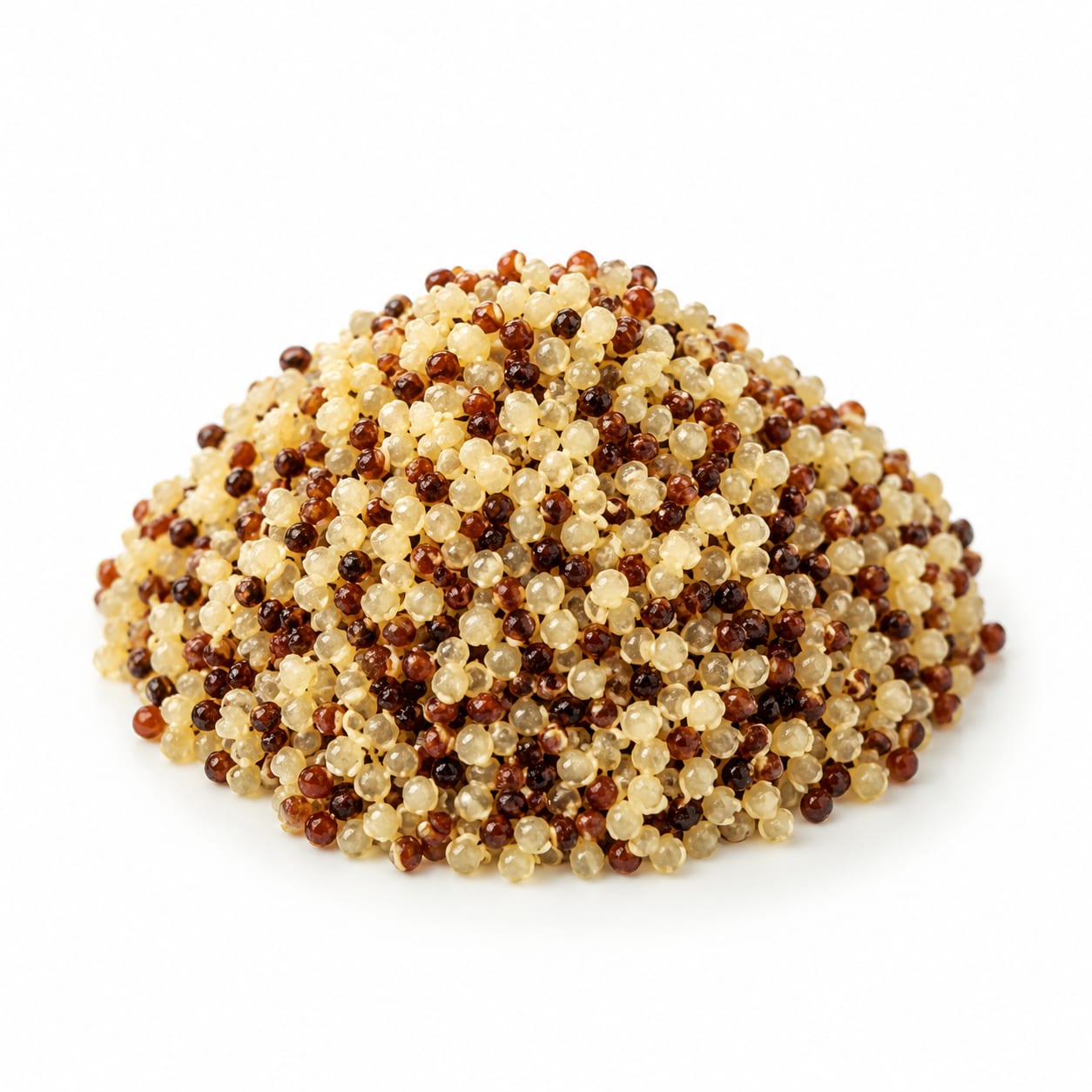
Quinoa
Quinoa wins on nutrition across nearly every dimension, but rice remains the more practical and affordable daily staple for most households.
Quinoa outscores rice substantially on nutritional quality, but rice remains relevant due to cost, digestibility, and cultural familiarity. The gap narrows if comparing brown rice instead of white rice.
You trade convenience and cost for significantly better protein, fiber, and blood sugar stability when choosing quinoa over rice.
At a glance
Executive summary
Overall
Quinoa
Healthier
Quinoa
More practical
Rice
Daily use
It depends
Key comparison lenses
blood sugar management
Rice and quinoa have dramatically different glycemic impacts, making this the most consequential difference for most people
protein completeness
Quinoa is a rare plant-based complete protein while rice is notably deficient in key amino acids
daily staple selection
Both are everyday carb sources people choose between for meals, so long-term effects matter enormously
weight management
Satiety and calorie density differ enough to influence weight outcomes over time
budget and accessibility
Rice is significantly cheaper and more widely available, which affects real-world adherence
Best choice for
Rice
- People on tight food budgets
- Those needing gentle, easy-to-digest carbs after illness
- Athletes carbo-loading before endurance events
- Anyone cooking for large families affordably
- People with quinoa sensitivity or intolerance
Quinoa
- Anyone prioritizing blood sugar stability
- Vegetarians and vegans needing complete protein
- People trying to lose weight without feeling hungry
- Those wanting more nutrients per calorie
- Anyone eating fewer carbs but still wanting a grain-like base
Least suitable for
Rice
- People with diabetes or insulin resistance
- Anyone trying to increase protein intake without supplements
- Those watching their glycemic load closely
Quinoa
- People with very tight grocery budgets
- Those sensitive to saponins or oxalates
- Anyone who finds the texture or earthy flavor unappealing enough to avoid eating it
Deep comparison
Dimension by dimension
Each lens scores both foods and breaks down who each option suits.
- Dimension 1 · Priority 95Quinoa
blood sugar stability
Rice · 35Quinoa · 78White rice causes rapid blood sugar spikes; quinoa provides steadier, more sustained energy with far less crash risk.
Tradeoff
Rice gives quick energy fast but leaves you hungry sooner, while quinoa releases energy slowly but will not give you that immediate carb rush.
Why it matters
Blood sugar rollercoasters drive cravings, fatigue, and long-term metabolic risk. This is the single biggest health difference between these two foods.
Real-world impact
A rice-based lunch often leads to an afternoon energy crash and snack craving. A quinoa-based lunch keeps you satisfied and focused for hours longer.
Rice
- Pre-workout quick energy
- Post-illness blood sugar recovery
- Endurance athletes mid-event refueling
Better for
- Anyone with insulin resistance
- People prone to energy crashes after meals
- Those trying to reduce sugar cravings
Worse for
Quinoa
- Managing prediabetes or diabetes
- Avoiding afternoon energy crashes
- Reducing cravings between meals
- Sustained energy for long workdays
Better for
- Situations requiring rapid carb replenishment
- People who find slower-digesting meals uncomfortable before exercise
Worse for
- Dimension 2 · Priority 90Quinoa
protein quality and quantity
Rice · 25Quinoa · 88Quinoa contains roughly twice the protein of rice and is one of the few plant foods with all nine essential amino acids.
Tradeoff
Rice protein is incomplete and low in lysine, meaning you must pair it with other proteins. Quinoa stands on its own as a protein source.
Why it matters
Complete protein matters especially for vegetarians, vegans, and anyone not eating large amounts of animal protein at every meal.
Real-world impact
A quinoa bowl can be a satisfying main dish. A rice bowl almost always needs added protein to feel like a complete meal.
Rice
- Situations where protein comes from other dish components anyway
- Cultures where rice is paired with legumes that compensate for lysine
Better for
- Vegans not carefully combining protein sources
- Anyone relying on a single grain as their protein base
Worse for
Quinoa
- Plant-based eaters needing reliable protein
- Meal prep where you want one ingredient to do more nutritional heavy lifting
- Anyone trying to reduce meat consumption without losing protein quality
Better for
- People who already eat ample complete protein from animal sources and do not need more
Worse for
- Dimension 3 · Priority 85Quinoa
fiber and digestive health
Rice · 20Quinoa · 82Quinoa delivers roughly five times more fiber than white rice, supporting digestion, fullness, and gut health.
Tradeoff
Rice is gentler on an upset stomach but contributes almost nothing to your daily fiber needs. Quinoa supports regularity but can cause bloating if you are not used to it.
Why it matters
Most people already eat too little fiber. Choosing quinoa over rice is an easy way to close that gap without taking supplements.
Real-world impact
Switching from rice to quinoa at one meal per day can add 3-4 grams of fiber, which meaningfully moves you toward the daily target of 25-30 grams.
Rice
- Recovering from gastrointestinal illness
- People with acute digestive sensitivity
- The BRAT diet approach for diarrhea recovery
Better for
- Anyone already struggling with low fiber intake
- People with chronic constipation
Worse for
Quinoa
- Improving daily regularity
- Feeling full longer after meals
- Feeding beneficial gut bacteria
- Reducing constipation
Better for
- Sudden increases can cause temporary bloating or gas
- People with severe IBS who react to higher-fiber foods
Worse for
- Dimension 4 · Priority 80Quinoa
micronutrient density
Rice · 30Quinoa · 85Quinoa is significantly richer in iron, magnesium, manganese, folate, and several B vitamins compared to white rice.
Tradeoff
Brown rice closes the gap somewhat but still falls short of quinoa's mineral and vitamin profile.
Why it matters
Eating nutrient-dense carbs means every calorie works harder for you, reducing the need for supplementation or careful meal planning.
Real-world impact
A cup of quinoa provides about 15% of your daily iron needs, while a cup of white rice provides under 5%. Over months, this difference accumulates.
Rice
- Enriched white rice provides added folic acid and iron in some countries
- Situations where bland, low-nutrient food is medically preferred short-term
Better for
- Long-term reliance on rice as a staple without other nutrient sources risks deficiencies
- Anyone already borderline on iron or magnesium
Worse for
Quinoa
- Women prone to iron deficiency
- Anyone wanting more nutrients without taking pills
- Pregnant women needing folate from food sources
Better for
- People taking mineral supplements who might not need additional dietary sources
Worse for
- Dimension 5 · Priority 78Rice
cost and practicality
Rice · 92Quinoa · 45Rice is one of the cheapest calories available globally. Quinoa costs three to five times more per serving in most markets.
Tradeoff
You pay a significant premium for quinoa's nutritional advantages, which may not be worth it if your budget is tight or you already eat a varied diet.
Why it matters
The best food choice is one you can actually afford and sustain. A cheaper staple paired with vegetables and protein often beats an expensive one eaten alone.
Real-world impact
Feeding a family of four with rice as the base might cost a dollar per meal. The same meal with quinoa could cost three to four dollars.
Rice
- Large families on budgets
- Meal prepping in bulk cheaply
- Developing-world nutrition where calorie affordability is critical
- Food banks and community feeding programs
Better for
- Those assuming cheap means nutritionally adequate on its own
Worse for
Quinoa
- Smaller households where the cost difference is manageable
- People who treat grain choice as a health investment
- Single professionals prioritizing nutrition over cost
Better for
- Anyone feeling financial stress from grocery bills
- People who would sacrifice vegetable or protein quality to afford quinoa
Worse for
- Dimension 6 · Priority 82Quinoa
satiety and weight management
Rice · 38Quinoa · 80Quinoa keeps you full significantly longer due to its protein and fiber content, making overeating less likely.
Tradeoff
Rice is easier to overeat because it is less filling per calorie, but it is also less calorie-dense per cup than some quinoa preparations.
Why it matters
Foods that naturally control your appetite reduce the willpower needed to manage portions, making healthy eating sustainable.
Real-world impact
You are more likely to go back for seconds with rice. With quinoa, one reasonable serving usually feels like enough.
Rice
- People who struggle to eat enough and need easier calorie intake
- Underweight individuals needing to gain
Better for
- People who tend to overeat carbs
- Anyone trying to cut calories without feeling hungry all day
Worse for
Quinoa
- Anyone trying to lose weight without feeling deprived
- Emotional eaters who benefit from foods that naturally limit portions
- People who skip snacks when meals are truly satisfying
Better for
- People who need to eat more calories and find quinoa too filling
Worse for
Timeline
Health impact over time
Short-term
Hours to days
Rice
- Quick energy from easily digested carbohydrates
- Rapid blood sugar rise followed by a potential crash within 1-2 hours
- Hunger returning sooner than with higher-fiber alternatives
- Gentle on an upset or recovering digestive system
Quinoa
- Steady energy release with minimal blood sugar spike
- Longer-lasting fullness that reduces between-meal snacking
- Possible mild bloating or gas if your body is not accustomed to higher fiber
- Slightly earthy, nuttier flavor that may feel unfamiliar initially
Long-term
Months to years
Rice
- Regular consumption of white rice is associated with higher type 2 diabetes risk in multiple large studies
- Low fiber intake contributes to chronic constipation and reduced gut microbiome diversity
- Inadequate protein from the staple grain must be compensated elsewhere in the diet
- Enriched rice helps prevent certain deficiencies but is not a complete nutritional solution
Quinoa
- Better long-term blood sugar control reduces metabolic disease risk
- Higher fiber supports gut health, regularity, and possibly reduced colorectal cancer risk
- Complete protein intake supports muscle maintenance, especially important with aging
- Higher magnesium intake supports bone density, sleep quality, and cardiovascular health
Risk profile
Safety & processing
Both rice and quinoa are whole or minimally processed foods in their natural form. White rice has been milled to remove bran and germ, which is a form of processing, but no artificial additives are involved. Quinoa requires rinsing to remove natural saponins but is otherwise consumed close to its natural state. Neither raises ultra-processing concerns.
Rice
Arsenic contamination
mediumRice absorbs arsenic from soil and water more efficiently than most crops. Brown rice tends to have higher arsenic levels than white rice because arsenic concentrates in the bran. Long-term exposure is a concern, especially for those eating rice daily. Varying grain sources and rinsing rice before cooking reduces risk.
Bacillus cereus food poisoning
lowImproperly stored cooked rice can harbor Bacillus cereus, a bacteria that causes food poisoning. Rice should be refrigerated promptly after cooking and not left at room temperature for extended periods.
Quinoa
Saponin sensitivity
lowQuinoa naturally contains saponins that can cause digestive discomfort or mild irritation in sensitive individuals. Most commercial quinoa is pre-rinsed, but additional rinsing at home is recommended. Saponins are not dangerous but can cause bloating or a bitter taste.
Oxalate content
lowQuinoa contains moderate oxalates, which may be a concern for people prone to calcium oxalate kidney stones. For most people this is not an issue, but those with a history of stones should moderate intake.
Who wins for whom
Audience fit
Same foods, different winners depending on your goal.
children
It dependsRice is often more palatable and easier for young children to eat, but quinoa provides better nutrition. Mixing both or choosing based on the child's acceptance is practical.
daily consumption
It dependsQuinoa is nutritionally superior for daily use, but rice's affordability and cultural familiarity make it the realistic daily staple for billions. The best daily choice depends on budget, variety in the rest of the diet, and personal health priorities.
diabetes
QuinoaQuinoa's lower glycemic index and higher fiber dramatically reduce blood sugar spikes compared to white rice, making it the safer staple for glucose management.
elderly
QuinoaOlder adults benefit more from quinoa's higher protein for muscle preservation, fiber for regularity, and magnesium for bone health, provided digestion tolerates it.
muscle gain
QuinoaQuinoa provides more complete protein per serving, supporting muscle repair and growth alongside its carbohydrate energy.
weight loss
QuinoaQuinoa's higher protein and fiber create natural portion control and longer satiety, making it easier to eat less overall without feeling deprived.
Your move
Decision guide
Choose Rice
- You are feeding a large family on a budget and need affordable calories
- You are recovering from illness and need gentle, easy-to-digest food
- You are an endurance athlete who needs quick-access carbohydrate energy
- You already eat plenty of protein and fiber from other sources and just want a neutral carb base
- You find quinoa's texture or flavor unpleasant enough that you would skip meals rather than eat it
Choose Quinoa
- You want one ingredient that delivers protein, fiber, and minerals together
- You are managing blood sugar, prediabetes, or diabetes
- You are vegetarian or vegan and need reliable complete protein
- You want to feel full longer and reduce between-meal snacking
- You are willing to pay more for significantly better nutrition per calorie
Either works if
- You rotate between multiple grains throughout the week anyway
- Your overall diet is already rich in protein, fiber, and micronutrients
- You are cooking for a group with mixed preferences and can offer both
Avoid both if
- You are on a strict very-low-carb or ketogenic diet
- You have specific grain allergies or sensitivities to both
- You are seeking a raw food approach, as both require cooking
Final recommendation
Choose quinoa when nutrition per calorie matters most, especially for blood sugar control, weight management, or plant-based protein needs. Choose rice when cost, convenience, or digestibility are the priority. The smartest approach for most people is to eat quinoa most days and rice when budget or comfort calls for it, rather than treating either as an all-or-nothing choice.
Practical
Consumer tips
- 1
Rinse quinoa thoroughly before cooking to remove bitter saponins, even if the package says pre-rinsed
- 2
Rinse rice before cooking and cook it in extra water that you drain off to reduce arsenic levels by up to 50%
- 3
Mix rice and quinoa together for a compromise that balances cost, nutrition, and flavor
- 4
Choose brown rice over white rice if you want a middle ground on nutrition and cost
- 5
Buy quinoa in bulk to significantly reduce the per-serving price difference
- 6
If white rice is your daily staple, pair it with beans or lentils to compensate for its incomplete protein and low fiber
- 7
Watch portion sizes with both grains, but especially rice, since it is easy to overeat when it does not fill you up quickly