
Nutrition comparison
Rice vs Oats: Which is Healthier for You?
Compare Rice and Oats for weight loss, blood sugar, and digestion. Find out which grain is better for your daily meals and health goals.
Overall winner · Oats
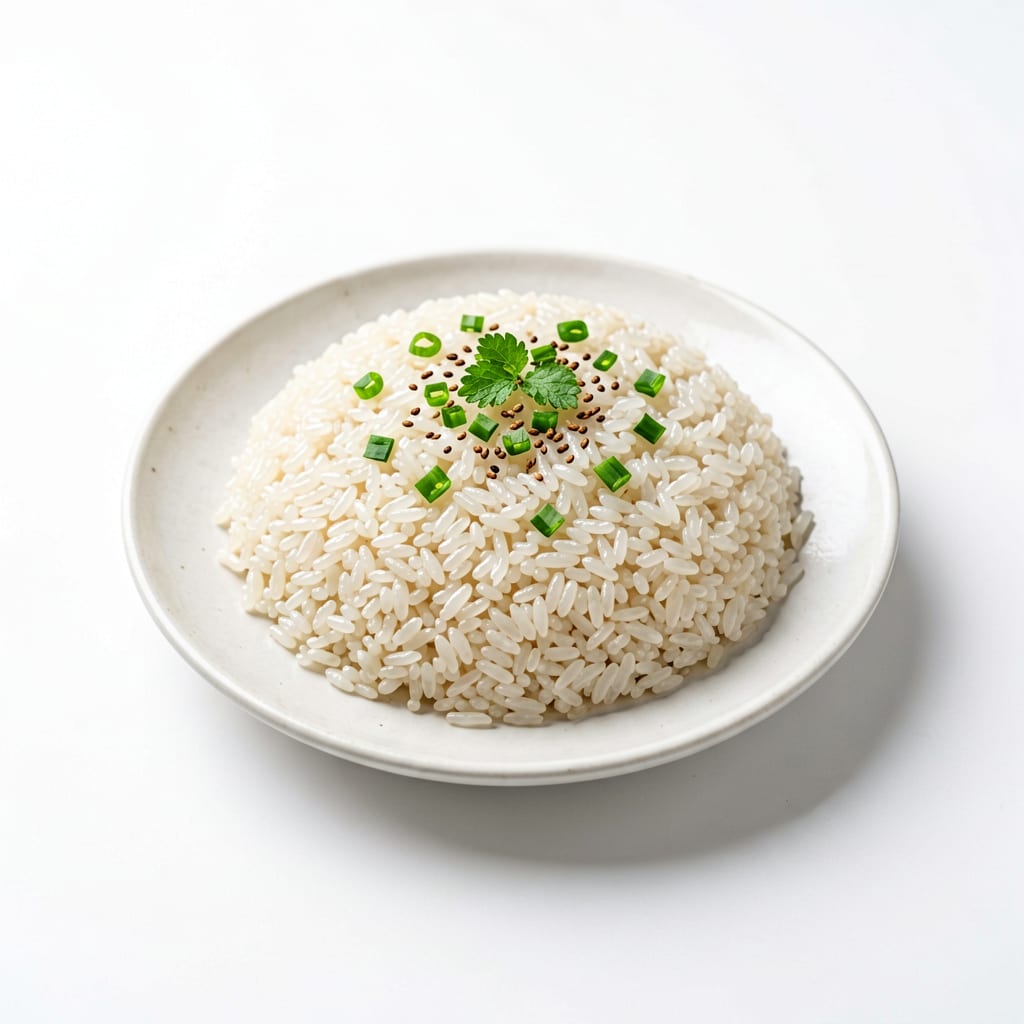
Rice
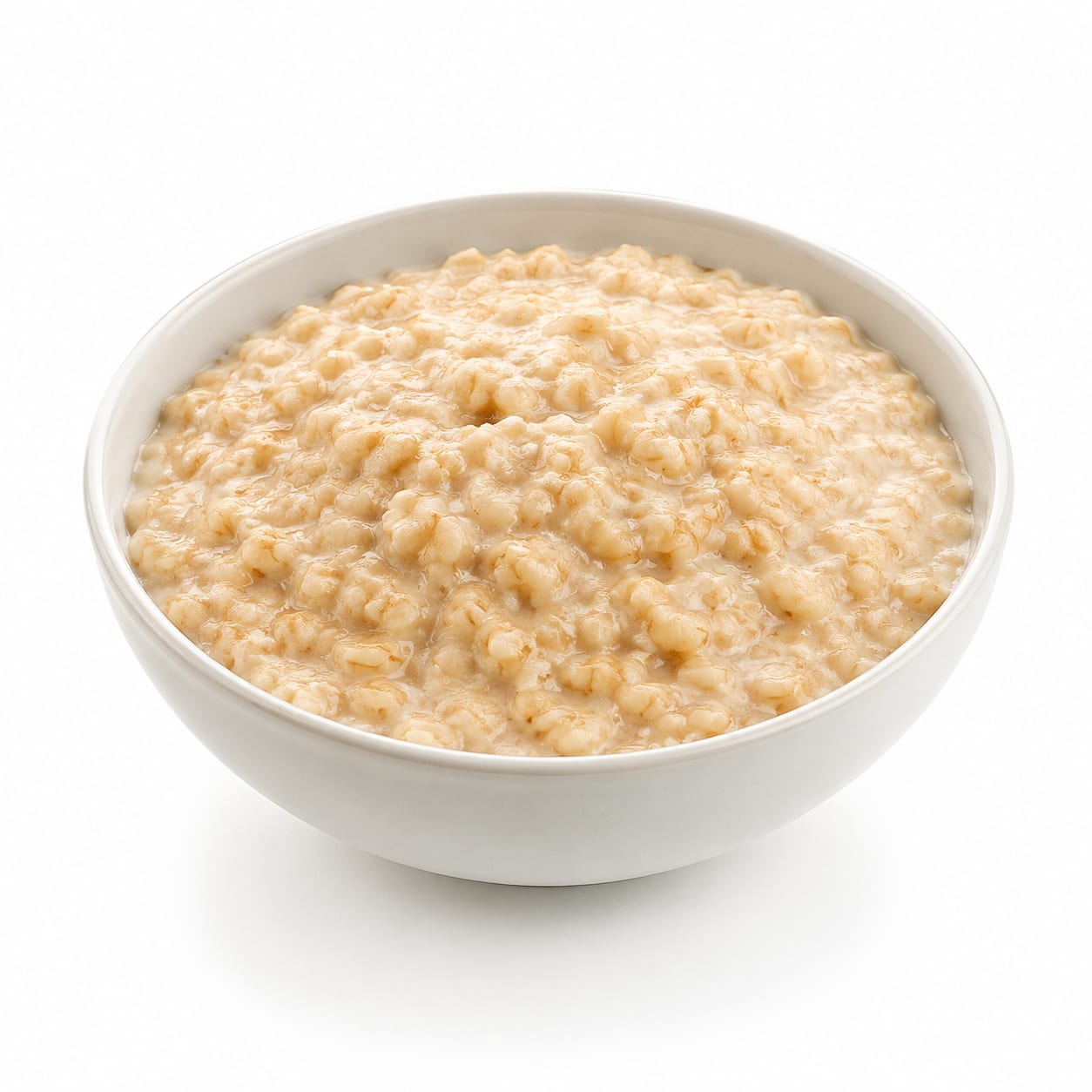
Oats
Oats deliver steadier energy and more nutrients, while Rice offers lighter, easier-to-digest carbs.
Oats score significantly higher due to superior fiber, protein, and blood sugar stability, though Rice remains relevant for specific digestive and dietary needs.
Sustained fullness and blood sugar control versus quick, gentle digestion and lower fiber bulk.
At a glance
Executive summary
Overall
Oats
Healthier
Oats
More practical
It depends
Daily use
Oats
Key comparison lenses
Blood sugar management
Oats provide slow-releasing carbs, while Rice can cause rapid blood sugar spikes
Satiety and weight control
Oats are highly filling due to beta-glucan fiber, whereas Rice is easy to overeat
Digestive tolerance
Rice is gentle and low-FODMAP, while Oats can cause bloating in sensitive guts
Nutrient density
Oats deliver more protein and healthy fats, while Rice is primarily a blank carb source
Best choice for
Rice
- Pre-workout quick energy
- Sensitive stomachs or digestive distress
- Gluten-free diets
- Light evening meals
Oats
- Sustained morning energy
- Lowering cholesterol
- Weight management
- High-protein breakfasts
Least suitable for
Rice
- Blood sugar management
- High-fiber diets
- Satiety without overeating calories
Oats
- Severe IBS or FODMAP sensitivities
- Celiac disease (unless certified gluten-free)
- Quick pre-workout fueling
Deep comparison
Dimension by dimension
Each lens scores both foods and breaks down who each option suits.
- Dimension 1 · Priority 95Oats
Blood Sugar & Energy Stability
Rice · 40Oats · 90Oats provide slow-releasing energy, while Rice causes faster blood sugar spikes.
Tradeoff
You trade the quick energy hit of Rice for the crash-free endurance of Oats.
Why it matters
Steady blood sugar means fewer cravings and better focus throughout the morning.
Real-world impact
Eating Oats for breakfast keeps you full until lunch; Rice might leave you hungry again by 10 AM.
Rice
- Immediate pre-workout fuel
- Recovering from a blood sugar drop
Better for
- Sitting at a desk all morning
- Managing diabetes
Worse for
Oats
- Sustained work meetings
- Avoiding the afternoon slump
Better for
- Needing fast energy right before a sprint
Worse for
- Dimension 2 · Priority 90Oats
Satiety & Fullness
Rice · 45Oats · 92Oats are far more filling due to their high beta-glucan fiber content.
Tradeoff
Oats keep you satisfied for hours, while Rice digests quickly and can trigger overeating.
Why it matters
Feeling full prevents snacking and helps maintain a healthy weight effortlessly.
Real-world impact
A bowl of Oats easily holds you over; a bowl of Rice often requires added protein or fat to feel satisfying.
Rice
- When you want a light meal before bed
- After a large meal earlier in the day
Better for
- Controlling portion sizes
- Preventing late-night snacking
Worse for
Oats
- Weight loss diets
- Long stretches between meals
Better for
- When you feel overly stuffed and need light calories
Worse for
- Dimension 3 · Priority 80Rice
Digestive Tolerance
Rice · 90Oats · 60Rice is gentle and low-FODMAP, making it ideal for upset stomachs, whereas Oats can cause bloating.
Tradeoff
You give up fiber benefits for a calm, easily processed carb source.
Why it matters
For those with IBS or GI distress, high-fiber foods can worsen symptoms.
Real-world impact
Rice is a safe bet when your stomach is off; Oats might make a sensitive gut feel heavy and gassy.
Rice
- Recovering from stomach bugs
- IBS flare-ups
- Low-residue diets
Better for
- Chronic constipation
- Needing microbiome support
Worse for
Oats
- Promoting regular bowel movements
- Feeding gut microbiome
Better for
- Acute diarrhea
- Severe bloating episodes
Worse for
- Dimension 4 · Priority 85Oats
Nutrient Density
Rice · 40Oats · 88Oats pack more protein, healthy fats, and micronutrients like magnesium and iron.
Tradeoff
Rice acts mostly as a blank carb canvas, while Oats bring their own nutritional value.
Why it matters
Getting more nutrients per calorie reduces the need for supplementation or overeating.
Real-world impact
Oats contribute meaningfully to your daily protein and mineral goals; Rice requires you to get those from other foods.
Rice
- When you need a neutral base for nutrient-dense toppings
- Carb-loading for endurance sports
Better for
- Reliance on empty calories
- Nutrient-poor meals
Worse for
Oats
- Balancing a meal with built-in protein and fat
- Vegan diets needing iron
Better for
- Strict macro-tracking where fat and protein must be tightly controlled
Worse for
Timeline
Health impact over time
Short-term
Hours to days
Rice
- Quick energy availability
- Light feeling in the stomach
- Potential energy crash within hours
Oats
- Prolonged fullness
- Stable energy levels
- Possible bloating if unused to high fiber
Long-term
Months to years
Rice
- Risk of blood sugar dysregulation if eaten in large portions
- Easier weight maintenance if portions controlled
- Potential nutrient gaps if relied on heavily
Oats
- Improved cholesterol levels
- Better heart health
- Well-regulated digestion and blood sugar
Risk profile
Safety & processing
Both Rice and Oats are whole, minimally processed staple foods when bought in their raw form, though flavored instant packets can change this.
Rice
Arsenic contamination
mediumRice, especially brown rice, can accumulate inorganic arsenic from soil and water. Varying grains is recommended.
Oats
Gluten cross-contamination
mediumWhile naturally gluten-free, Oats are frequently processed in facilities with wheat, posing a risk for those with celiac disease.
Who wins for whom
Audience fit
Same foods, different winners depending on your goal.
children
It dependsRice is often easier for kids to accept and digest, but Oats provide essential nutrients for growth.
daily consumption
OatsDaily Oats offer more consistent health benefits like cholesterol lowering and blood sugar control.
diabetes
OatsThe beta-glucan in Oats slows glucose absorption, preventing the sharp spikes typical with Rice.
elderly
OatsOats support heart health and regular digestion, which are critical in older age, though Rice is easier to chew if dental issues exist.
muscle gain
It dependsRice offers easily digestible carbs for bulking, but Oats provide better protein support; combining both is common.
weight loss
OatsOats' high fiber and protein content naturally curb appetite and reduce overall calorie intake.
Your move
Decision guide
Choose Rice
- You need quick-digesting carbs before or after a workout
- You have an upset stomach or IBS flare-up
- You need a neutral base for stir-fries or curries
- You are on a strict gluten-free diet
Choose Oats
- You want a filling breakfast that lasts until lunch
- You are trying to lower cholesterol or manage blood sugar
- You need a fiber boost for better digestion
- You want a higher-protein grain without adding meat
Either works if
- You are meal-prepping healthy grain bowls
- You want a comforting, warm carb base for your meal
Avoid both if
- You are on a strict ketogenic or very low-carb diet
Final recommendation
Make Oats your daily driver for breakfast or health-focused meals, and keep Rice for post-workout recovery, sensitive stomach days, or cultural dishes that demand it.
Practical
Consumer tips
- 1
Soaking Oats overnight reduces phytic acid and makes them easier to digest.
- 2
Rinse Rice thoroughly before cooking to reduce arsenic levels.
- 3
Choose steel-cut or rolled Oats over instant packets to avoid added sugars.
- 4
Pair Rice with protein and healthy fats to blunt its blood sugar impact.
- 5
If you have celiac disease, always buy certified gluten-free Oats.