
Nutrition comparison
Rice vs Bread: Which Carb Is Healthier for Daily Eating?
Compare rice and bread on blood sugar, gluten, additives, arsenic, fiber, and convenience. Find out which staple fits your health goals and when to choose each.
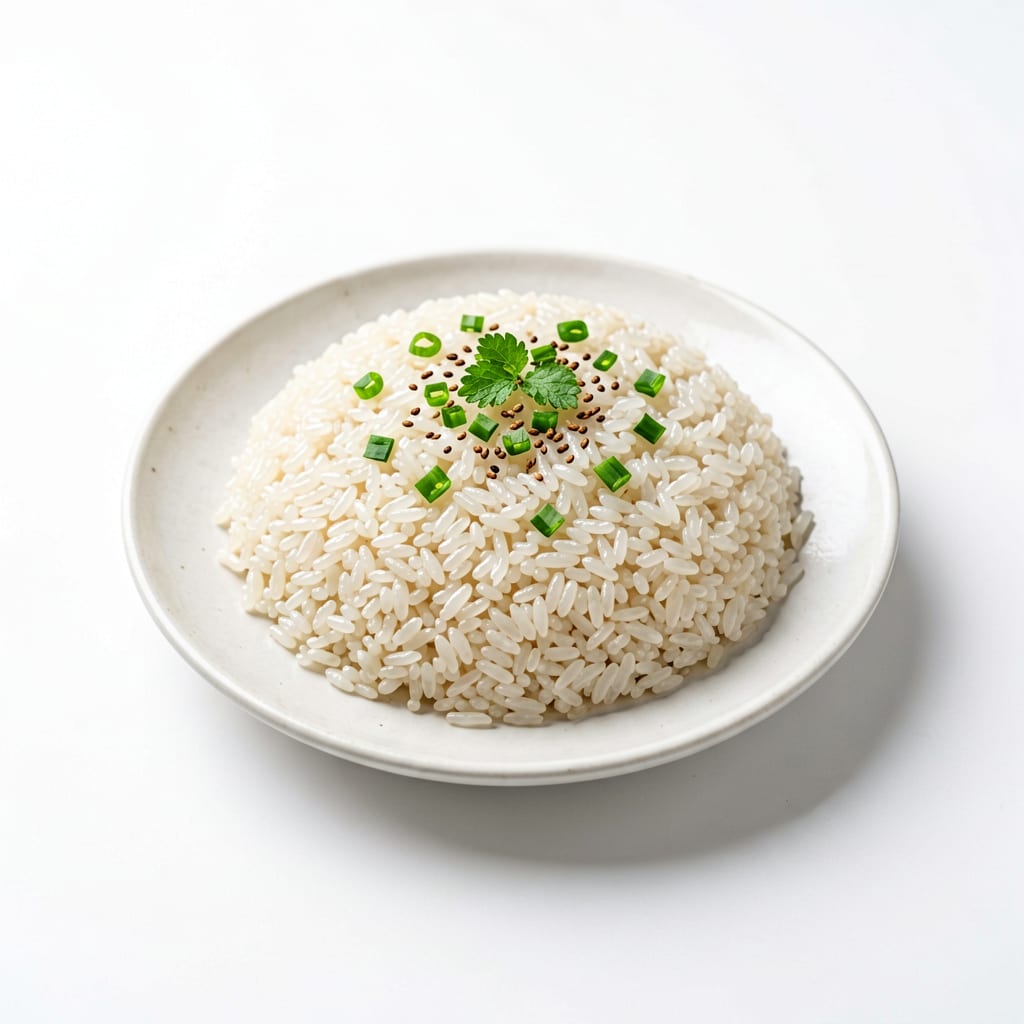
Rice
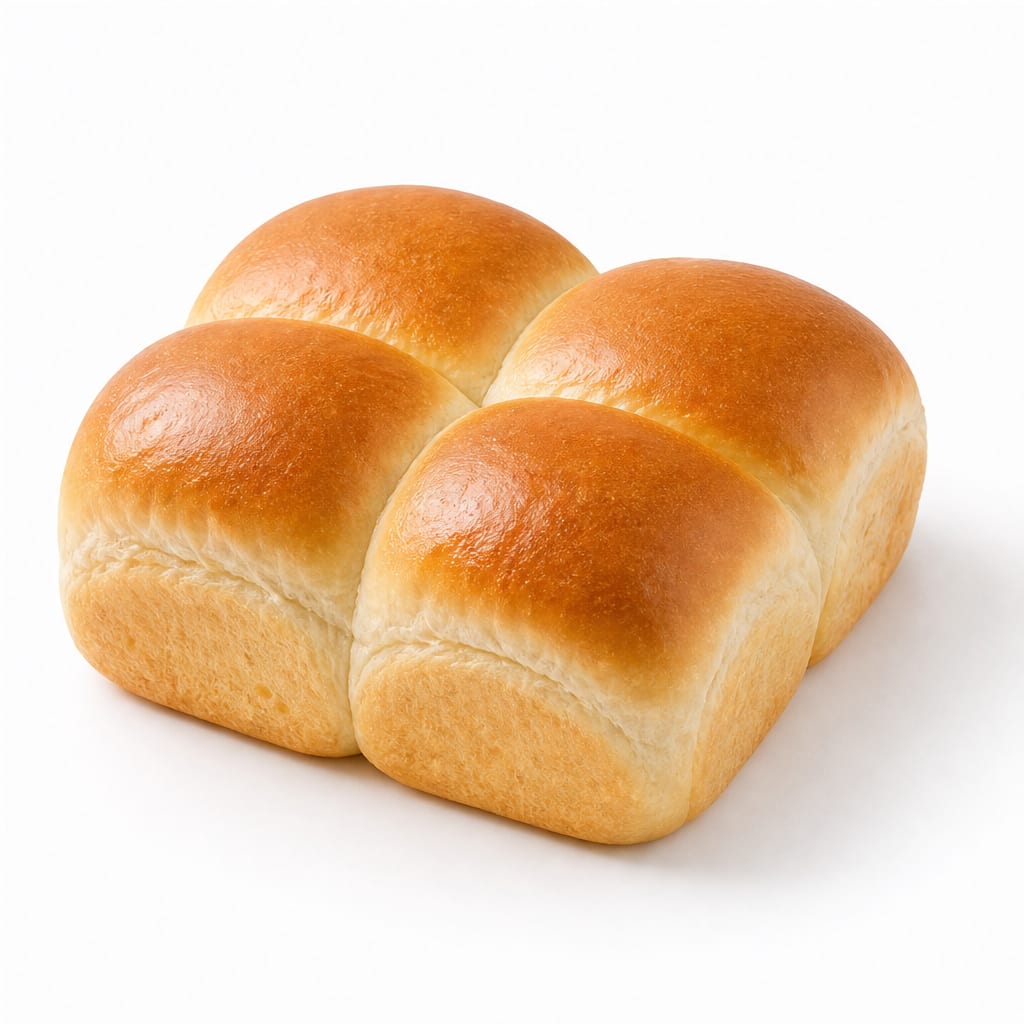
Bread
Rice is simpler and cleaner; bread is more convenient and often more nutritious if whole grain. Your best pick depends on gluten tolerance, processing concerns, and meal context.
Rice scores moderately higher due to minimal processing and zero additives, but both foods have significant downsides when refined. The narrow gap reflects that whole grain bread can outscore white rice nutritionally, while plain rice beats most commercial breads on cleanliness.
Rice gives you fewer ingredients and no gluten, but bread offers more fiber and ready-to-eat convenience at the cost of additives and potential digestive issues.
At a glance
Executive summary
Overall
It depends
Healthier
It depends
More practical
Bread
Daily use
It depends
Key comparison lenses
blood sugar management
Both are staple carbs that significantly impact blood sugar, making glycemic control the top concern for most users
gluten sensitivity and digestion
Bread contains gluten while rice is naturally gluten-free, a major deciding factor for many consumers
processing and additive exposure
Plain rice is a single-ingredient food whereas most store-bought bread contains preservatives, dough conditioners, and added sugars
daily staple sustainability
Users often choose one as their primary carb source for years, making long-term health effects critical
weight management
Both foods are calorie-dense carbs where portion control easily determines weight outcomes
Best choice for
Rice
- People with celiac disease or gluten sensitivity
- Those avoiding ultra-processed foods and additives
- Anyone wanting a simple, single-ingredient carb base
- People with sensitive digestion who tolerate rice well
- Meal preppers who cook in bulk
Bread
- People needing on-the-go convenience
- Those seeking higher fiber intake (whole grain versions)
- Anyone wanting a quick sandwich or toast meal
- People who struggle to eat enough calories
- Those prioritizing fortified nutrients like folate and iron
Least suitable for
Rice
- People who need high-fiber carbs for blood sugar control (white rice)
- Anyone arsenic-conscious who eats rice at every meal
- Those wanting a no-cook, grab-and-go option
Bread
- People with celiac disease or non-celiac gluten sensitivity
- Those avoiding ultra-processed foods
- Anyone sensitive to preservatives, dough conditioners, or added sugars
- People monitoring sodium intake closely
Deep comparison
Dimension by dimension
Each lens scores both foods and breaks down who each option suits.
- Dimension 1 · Priority 92It depends
blood sugar stability
Rice · 45Bread · 50Both spike blood sugar when refined. Whole grain bread edges out white rice, but brown rice beats white bread. It depends entirely on which version you choose.
Tradeoff
White rice causes rapid blood sugar spikes, while whole grain bread provides steadier energy. But white bread is just as bad as white rice for glycemic impact.
Why it matters
Blood sugar crashes lead to afternoon fatigue, cravings, and overeating. The carb source you pick daily shapes your energy rhythm.
Real-world impact
A white rice lunch can leave you hungry again by 3pm. Whole grain bread with protein and fat keeps you steadier for hours.
Rice
- Brown rice eaters wanting slower energy release
- People pairing rice with fiber-rich vegetables and protein
Better for
- White rice eaten alone on an empty stomach
- Large rice portions without protein or fat to slow absorption
Worse for
Bread
- Whole grain bread users getting more fiber per slice
- Those eating sprouted or sourdough varieties with lower glycemic impact
Better for
- White bread causing rapid spikes similar to white rice
- Sweetened breads with added sugars compounding blood sugar issues
Worse for
- Dimension 2 · Priority 88Rice
ingredient simplicity and processing
Rice · 85Bread · 35Plain rice is one ingredient. Most commercial breads contain preservatives, dough conditioners, added sugars, and emulsifiers you would never use at home.
Tradeoff
Rice gives you a clean label with nothing to decode. Bread forces you to read ingredients and often settle for compromises unless you bake yourself or buy artisan loaves.
Why it matters
Cumulative exposure to food additives matters more than most people think. Eating processed bread daily adds up over years.
Real-world impact
That store-bought bread with 15 ingredients is convenient, but your body processes it differently than a two-ingredient rice grain.
Rice
- Anyone trying to eat fewer unpronounceable ingredients
- People with multiple chemical sensitivities
Better for
- Flavored or seasoned rice mixes with hidden additives
- Pre-cooked microwave rice pouches with preservatives
Worse for
Bread
- Artisan or homemade bread with 4-5 recognizable ingredients
- Sourdough made with just flour, water, salt, and starter
Better for
- Mass-produced sandwich bread with dough conditioners like azodicarbonamide
- Breads with high-fructose corn syrup or hidden added sugars
Worse for
- Dimension 3 · Priority 86Rice
digestive tolerance and gluten
Rice · 82Bread · 42Rice is naturally gluten-free and one of the most easily digested grains. Bread contains gluten and often irritates sensitive digestive systems even without full celiac disease.
Tradeoff
Rice is the safer bet for anyone with gut issues. Bread may be fine for most people, but gluten-related complaints are common and often underestimated.
Why it matters
Bloating, brain fog, and fatigue after meals are frequently traced back to gluten. Many people feel dramatically better cutting bread before they realize the connection.
Real-world impact
If you feel sluggish or bloated after a sandwich but fine after a rice bowl, your body is already giving you the answer.
Rice
- Anyone with diagnosed or suspected gluten sensitivity
- People with IBS who need low-irritation carb sources
Better for
- Large portions that can cause sluggishness from carb overload
- Fried rice preparations that add heavy oils
Worse for
Bread
- Sourdough bread which ferments gluten and is often better tolerated
- Gluten-free breads made from rice or alternative flours
Better for
- Standard wheat bread for anyone with celiac disease
- Any bread for people experiencing non-celiac gluten sensitivity symptoms
Worse for
- Dimension 4 · Priority 80Bread
fiber and nutrient density
Rice · 38Bread · 62Whole grain bread typically delivers more fiber, B vitamins, and minerals per serving than even brown rice. White rice and white bread both lose heavily in this category.
Tradeoff
Bread wins on nutrients when you choose whole grain, but you pay the price in additives and gluten. Rice is cleaner but nutritionally thinner.
Why it matters
Fiber keeps you full, feeds gut bacteria, and stabilizes blood sugar. Most people are already deficient, so every gram counts.
Real-world impact
Two slices of whole grain bread can provide 6-8g of fiber. You would need nearly 3 cups of brown rice to match that.
Rice
- Brown or wild rice offering more fiber than white varieties
- Rice paired with beans or vegetables for a complete fiber-rich meal
Better for
- White rice stripped of bran and germ, losing most nutrients
- Rice as a standalone meal lacking complementary protein and fiber
Worse for
Bread
- 100% whole wheat or sprouted grain bread with 3-5g fiber per slice
- Fortified breads providing folate, iron, and B vitamins
Better for
- White bread with minimal fiber despite being enriched
- Breads labeled 'wheat' that are mostly refined flour with coloring
Worse for
- Dimension 5 · Priority 75Bread
convenience and versatility
Rice · 50Bread · 80Bread is ready to eat, portable, and requires zero cooking. Rice needs preparation time and equipment, though leftovers reheat well.
Tradeoff
Bread wins on grab-and-go speed. Rice wins on meal versatility since it pairs with almost any cuisine and reheats beautifully for meal prep.
Why it matters
The food you can actually make work in your routine is the one you will stick with. Convenience often beats nutrition in real life.
Real-world impact
Toast takes 2 minutes. Rice takes 20-45 minutes unless you use a rice cooker or make it ahead. On a busy morning, that difference decides what you eat.
Rice
- Meal preppers who cook large batches once or twice a week
- People who eat varied cuisines including Asian, Latin, and African dishes
Better for
- Last-minute meals when you have no cooked rice ready
- Situations requiring no-cook, no-reheat food options
Worse for
Bread
- Anyone needing a quick breakfast before commuting
- People who pack lunches and need a no-reheat carb base
- Travelers and hikers needing shelf-stable, portable energy
Better for
- Meals where bread feels too dry or heavy as a base
- Cuisines where bread is culturally out of place as a carb
Worse for
- Dimension 6 · Priority 72It depends
contaminant and safety profile
Rice · 48Bread · 55Rice carries arsenic risk, especially from certain regions. Bread carries glyphosate residue, additive concerns, and occasional mycotoxin issues. Both have real but different safety considerations.
Tradeoff
Arsenic in rice accumulates with frequent consumption. Bread additives and pesticide residues pose different but also cumulative risks. Neither is perfectly clean.
Why it matters
Eating the same staple daily for years means even low-level contaminants add up. Rotating your carb sources is the smartest move.
Real-world impact
Eating rice twice daily for years can meaningfully increase arsenic exposure. Eating commercial bread daily does the same for glyphosate and additive load.
Rice
- Basmati or jasmine rice from low-arsenic regions
- Rinsing rice thoroughly and cooking in excess water to reduce arsenic
Better for
- Brown rice which concentrates more arsenic in the bran
- Rice from high-arsenic regions consumed daily
- Rice cereals and rice-based snacks for infants
Worse for
Bread
- Organic bread reducing glyphosate exposure
- Sourdough or artisan bread with minimal preservatives
Better for
- Conventionally grown wheat with glyphosate residues
- Moldy or improperly stored bread with mycotoxin risk
Worse for
Timeline
Health impact over time
Short-term
Hours to days
Rice
- Quick energy from easily digested carbohydrates, especially white rice
- Light feeling in the stomach compared to bread for many people
- Possible blood sugar spike and subsequent energy crash with large white rice portions
- Comforting and easy to eat when feeling unwell or nauseous
Bread
- More sustained energy from whole grain versions with higher fiber
- Possible bloating or digestive discomfort from gluten in sensitive individuals
- Faster satiety from bread's volume and fiber compared to white rice
- Sodium intake from salt added in most commercial bread recipes
Long-term
Months to years
Rice
- Arsenic accumulation risk with daily consumption, particularly brown rice
- Potential blood sugar dysregulation if relying heavily on white rice
- Low chronic inflammation risk as a simple, hypoallergenic food
- Possible nutrient gaps if rice displaces more nutrient-dense carb sources
Bread
- Better long-term fiber intake supporting gut health and cholesterol with whole grain choices
- Cumulative additive and preservative exposure from daily commercial bread consumption
- Gluten-related inflammation risk for susceptible individuals even without celiac disease
- Fortified nutrients like folate and iron providing consistent micronutrient support
Risk profile
Safety & processing
Plain rice is about as natural as carbs get: a harvested grain with nothing added. Most bread is a factory product with preservatives, dough conditioners, added sugars, and emulsifiers. Sourdough or homemade bread narrows this gap significantly, but the typical grocery store loaf is far more processed than a bag of rice.
Rice
Inorganic arsenic
mediumRice absorbs arsenic from soil and water more efficiently than other crops. Brown rice retains more in its bran. Frequent consumption, especially for children, warrants attention. Rinsing and cooking in excess water reduces levels by up to 50%.
Bacillus cereus contamination
lowImproperly stored cooked rice can harbor this toxin-producing bacteria. Refrigerate leftovers promptly and avoid leaving cooked rice at room temperature for extended periods.
Bread
Glyphosate residue
mediumConventionally grown wheat is often treated with glyphosate as a pre-harvest desiccant. Residues are common in non-organic bread. Choosing organic reduces this exposure significantly.
Additive sensitivities
mediumCommercial breads may contain calcium propionate, azodicarbonamide, DATEM, and other additives linked to headaches, digestive issues, or allergic reactions in sensitive people.
Mycotoxin contamination
lowWheat can carry mold toxins if improperly stored. Fresh, properly handled bread from reputable sources minimizes this risk. Visible mold means the entire loaf should be discarded.
Who wins for whom
Audience fit
Same foods, different winners depending on your goal.
children
BreadWhole grain bread provides more nutrients per bite for growing bodies, and fortified breads supply folate and iron. However, rice is safer for very young children with gluten intolerance, though arsenic limits should be monitored.
daily consumption
It dependsRotating both is healthier than relying on either daily. Rice reduces additive exposure but increases arsenic risk with overconsumption. Bread offers more nutrients but more additives. Variety wins.
diabetes
It dependsWhole grain bread with high fiber has a lower glycemic impact than white rice. But brown rice or parboiled rice beats white bread. The specific variety matters more than the food category.
elderly
RiceRice is gentler on aging digestive systems, easier to chew and swallow, and less likely to cause bloating or discomfort. Soft cooked rice is ideal for those with dental or digestive challenges.
muscle gain
RiceRice is the classic bodybuilding carb for a reason: easy to digest, easy to eat in large quantities, and rarely causes bloating that interferes with training. White rice post-workout replenishes glycogen fast.
weight loss
It dependsPortion control matters more than the food itself. Whole grain bread's fiber helps with fullness, but rice bowls are easier to portion precisely. Either works if calories are tracked.
Your move
Decision guide
Choose Rice
- You have gluten sensitivity, celiac disease, or suspect bread causes bloating
- You want a simple, single-ingredient carb with nothing to decode
- You meal prep and cook in batches for the week
- You eat Asian, Latin, African, or Middle Eastern cuisines regularly
- You have a sensitive stomach and need easily digested energy
Choose Bread
- You need grab-and-go meals with zero prep time
- You want more fiber and nutrients per serving from whole grain options
- You pack lunches or need portable, shelf-stable carbs
- You tolerate gluten well and enjoy sandwiches or toast
- You want fortified B vitamins and iron from a daily staple
Either works if
- You are tracking calories and portions carefully for weight management
- You rotate carb sources throughout the week for variety
- You pair your carb with protein, healthy fats, and vegetables for balanced meals
- You have no digestive issues with either food
Avoid both if
- You are on a strict low-carb or ketogenic diet
- You have severe blood sugar instability and need lower-carb alternatives
- You are trying to reduce overall grain consumption for autoimmune reasons
Final recommendation
Eat both, but not every day. Use rice when you want a clean, simple base for home-cooked meals. Use whole grain or sourdough bread when convenience matters. Rotate them to limit arsenic exposure from rice and additive accumulation from bread. The healthiest choice is never eating the same staple every single day.
Practical
Consumer tips
- 1
Rinse rice thoroughly and cook in excess water to cut arsenic levels by up to half
- 2
Choose basmati or jasmine rice from California, India, or Pakistan for lower arsenic
- 3
Read bread ingredients: if the list exceeds 5-6 items, find a simpler option
- 4
Sourdough bread ferments gluten and is often tolerated better by sensitive people
- 5
Freeze bread if you cannot finish it within a few days to avoid waste and mold
- 6
Pair either carb with protein and healthy fat to blunt blood sugar spikes
- 7
Brown rice has more nutrients but also more arsenic than white rice from the same source
- 8
Look for bread with at least 2-3g fiber per slice to ensure it is truly whole grain
- 9
Cook a large batch of rice and refrigerate for up to 4 days of easy meals
- 10
Avoid bread with high-fructose corn syrup or added sugars in the first five ingredients