
Berry
Redcurrant
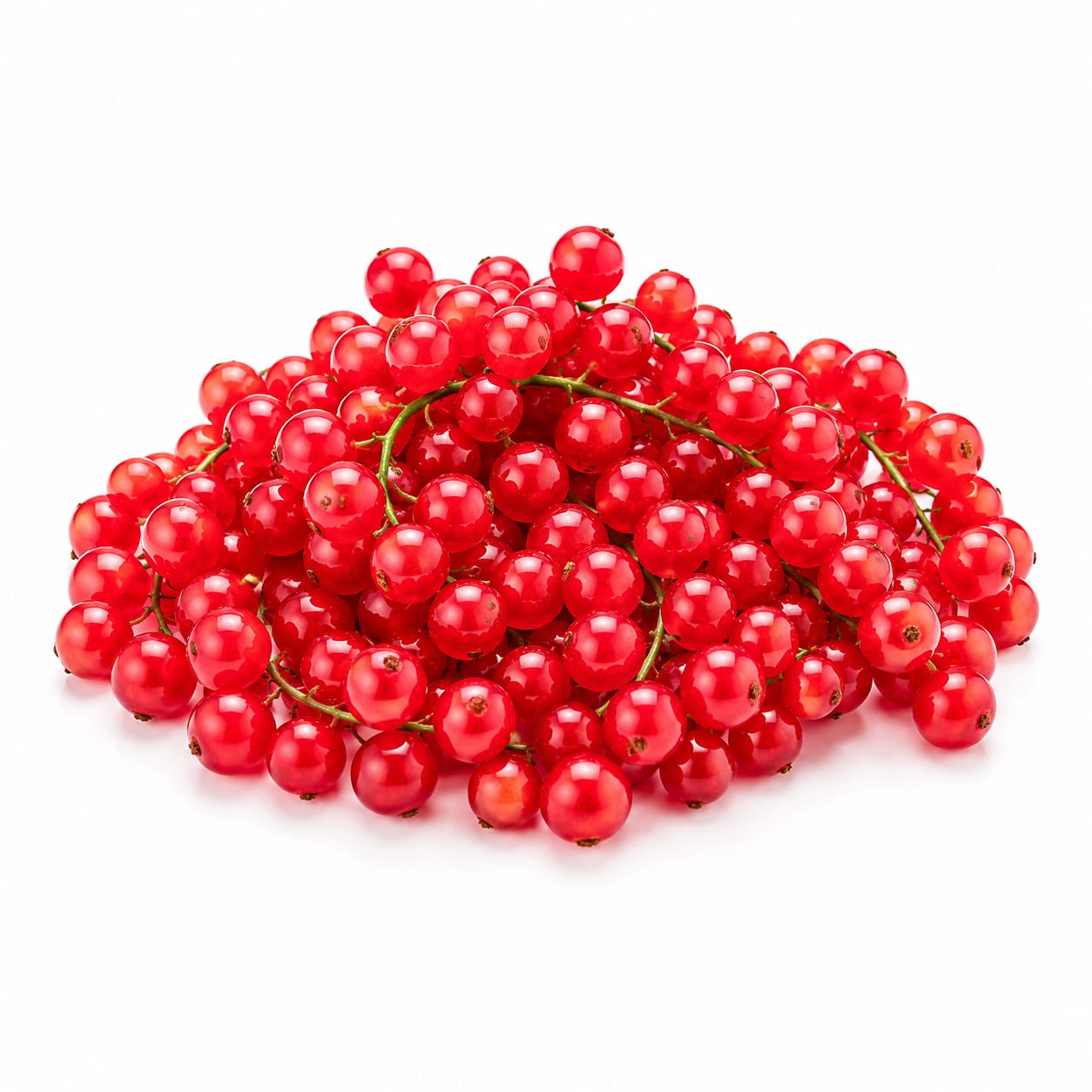
Redcurrants are small, tart red berries known for their high vitamin C content and low glycemic impact.
Small, tart red berries that grow in clusters on shrubs, commonly used in jams, jellies, and desserts, or eaten fresh as a garnish.
high-fiber low-calorie berry
Typical serving · 100g
Common varieties · jonkheer van tets, red lake, rovada, wild redcurrant
Overall context score across nutrition, safety, and diet fit
At a glance
Quick facts
Simple indicators based on nutrition, processing, and diet fit.
The story
What makes it unique
Redcurrants are low-calorie, high-fiber fruits with a low glycemic index. Their macronutrient profile is dominated by simple sugars offset by significant pectin fiber, which slows digestion and moderates glucose absorption. They are minimally processed when consumed fresh and provide strong satiety relative to their caloric content.
Varieties: jonkheer van tets · red lake · rovada · wild redcurrant
Per 100g
Nutrition breakdown
Macro balance and key metrics at a glance.
Energy
Density 0.56 kcal/g
Protein
Carbs
Fat
Fiber
Sugar
7.4 g
Sodium
1 mg
Potassium
275 mg
Glycemic index
22
Glycemic load
3
Water content
84%
Standout compounds
Nutrient highlights
Vitamin C
highSupports immune function and collagen synthesis
Fiber
highPromotes satiety and feeds gut microbiome
Potassium
moderateHelps regulate blood pressure and fluid balance
Antioxidants
moderateProtects cells from oxidative stress
Wellness map
Health scores & processing
NOVA processing scale
minimally processed · Whole food
Fresh redcurrants are unprocessed whole foods. Processing only occurs if they are canned in syrup or made into jams.
Diet compatibility
- Weight loss
- Muscle gain
- Diabetes
- Gut health
- Low carb
- High protein
- Heart health
Relative standing
Food rankings
Qualitative ranks compared to similar whole foods.
- Satietygood
- Blood sugarexcellent
- Nutrient densitygood
- Fitness fuelmoderate
- Processing qualityexcellent
Eat with confidence
Food safety profile
Redcurrants are generally safe. The primary concern is surface pesticide residue on conventionally grown varieties and potential mold on overripe berries.
Evidence confidence 90%
- Pesticideslow
- Antibioticslow
- Heavy metalslow
- Contaminationlow
Watch for
- pesticide residue
- mold
Safer choices
Organic redcurrants to eliminate pesticide exposure risk.
Prep tips
Rinse gently under cold running water just before consuming. Do not wash and store, as excess moisture accelerates spoilage.
Minimal. Conventionally grown berries may have surface pesticide residue, but it is easily removed by washing.
Deep dive
Health analysis
How this food may fit different goals and preparation choices.
Weight loss
Low energy density and high water and fiber content create fullness without excess calories, making them ideal for volume eating.
Blood sugar
Low glycemic index and low glycemic load cause minimal blood sugar spikes, supported by pectin fiber which slows glucose absorption.
Fitness & energy
Provides a quick, low-fiber sugar source if eaten in small amounts, but not dense enough in carbs to fuel prolonged endurance exercise alone.
Gut health
Pectin fiber acts as a prebiotic, supporting beneficial gut bacteria and promoting healthy bowel movements.
Processing quality
Excellent when consumed fresh. Avoid redcurrant jellies and jams, which strip fiber and add concentrated sugar.
Food safety
Very safe agricultural product. Washing effectively mitigates the low risk of surface contaminants.
Common mistakes
Adding excessive sugar to offset their natural tartness, which negates their blood sugar and weight loss benefits.
Best preparation
Eaten fresh, blended into unsweetened smoothies, or scattered raw over oatmeal and yogurt.
Practical guide
Best use cases
When and how this food fits real eating patterns.
High-volume low-calorie snacking
Eat a large bowl fresh to satisfy the urge to snack with minimal caloric impact.
Yogurt and oatmeal topping
Add tartness and texture to breakfast bowls without relying on sugary syrups or sweeteners.
Blood sugar-friendly fruit option
A safe fruit choice for those monitoring glucose, providing sweetness without the spike.
Balance sheet
Pros & cons
Upsides
- Very low in calories with high water content
- Excellent source of vitamin C
- High fiber content aids satiety and gut health
- Low glycemic impact suitable for diabetics
- Versatile culinary uses
- Rich in antioxidants
Trade-offs
- Highly tart flavor is unappealing to some
- Often consumed with added sugar in jams and jellies
- Seasonal and can be expensive or hard to find fresh
- Low protein and fat require pairing for a balanced meal
- Small size makes them tedious to prep for some
Fit check
Who is it for?
Great match
- weight loss diets
- blood sugar management
- low-carb eating plans
- immune system support
- high-volume eating
Consider alternatives
- high-protein diets
- endurance athletes needing dense carb fuel
- people who dislike tart flavors
- those looking for a sweet dessert fruit
Side by side
How it compares
Open the full head-to-head analysis for nutrition, safety, and practical tradeoffs.
This food
Redcurrant
VS95% alike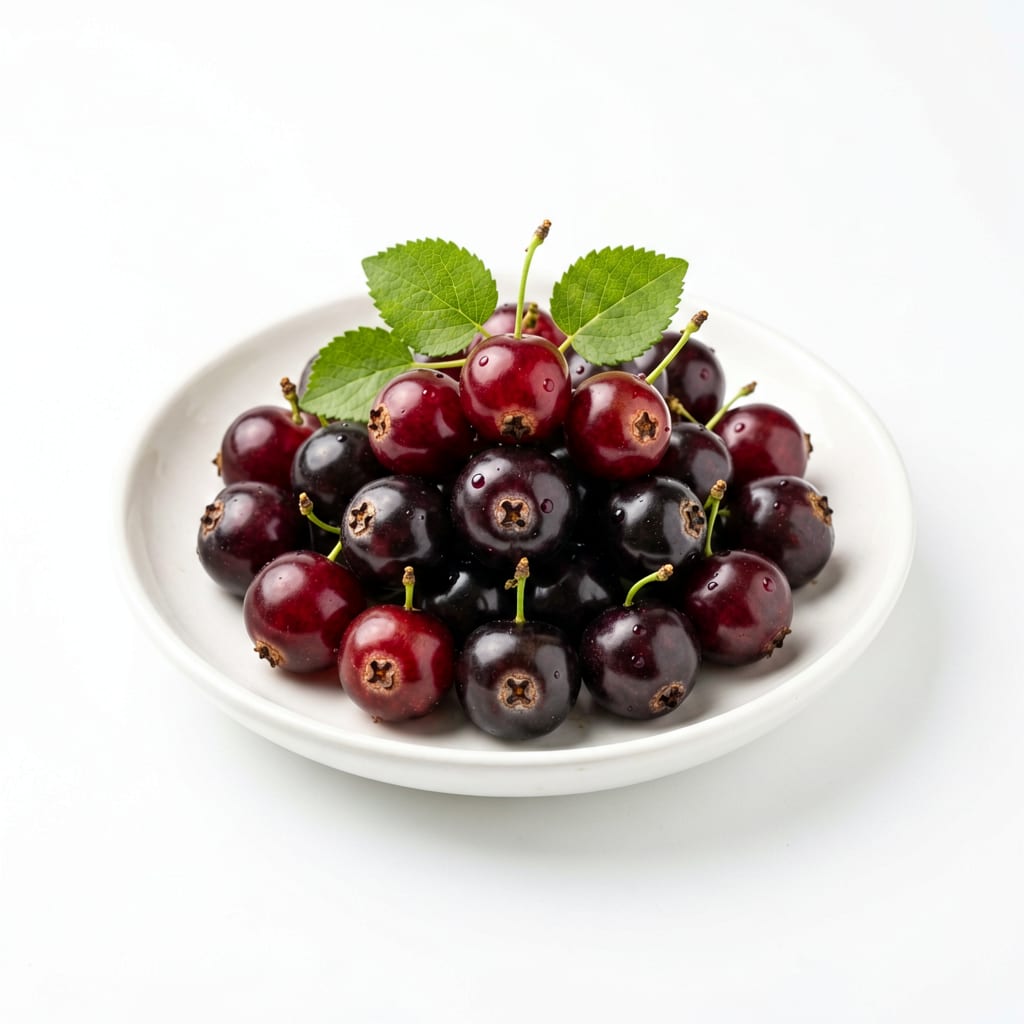
Compare with
Blackcurrant
Blackcurrants are sweeter and significantly higher in vitamin C and antioxidants, while redcurrants are tarter and slightly lower in calories.
Blackcurrants provide more vitamin C and antioxidants, while redcurrants are slightly lower in calories and tarter in flavor.
This food
Redcurrant
VS85% alike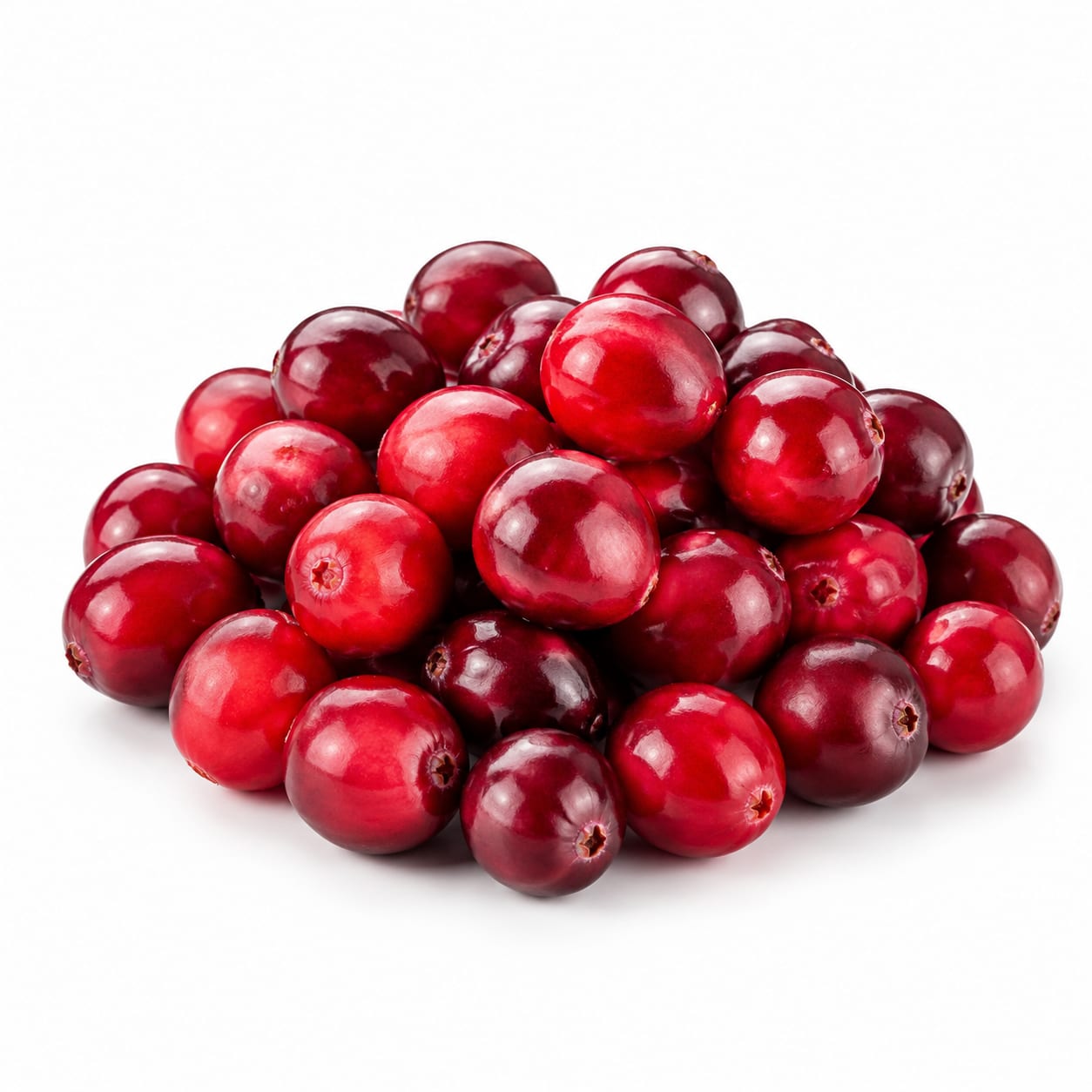
Compare with
Cranberry
Cranberries are lower in sugar and calories but almost unpalatable raw, whereas redcurrants can be eaten fresh. Both are high in antioxidants.
Cranberries are lower in sugar but usually require sweetening, while redcurrants are easier to eat raw and offer more fiber per serving.
This food
Redcurrant
VS80% alike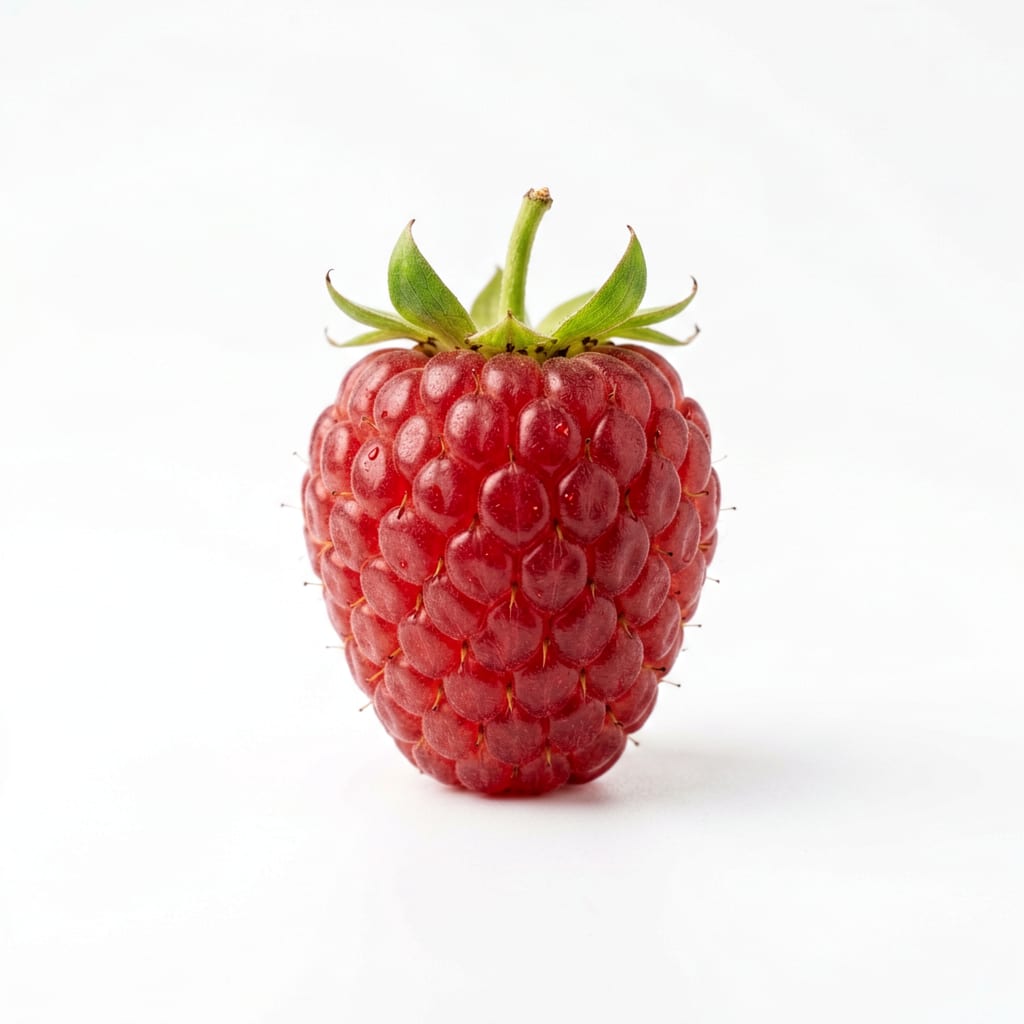
Compare with
Raspberry
Raspberries are higher in fiber and slightly lower in sugar, making them slightly better for satiety and blood sugar, though both are excellent choices.
Raspberries offer more fiber and less sugar per serving, but redcurrants provide a stronger vitamin C boost and unique tart flavor.
This food
Redcurrant
VS75% alike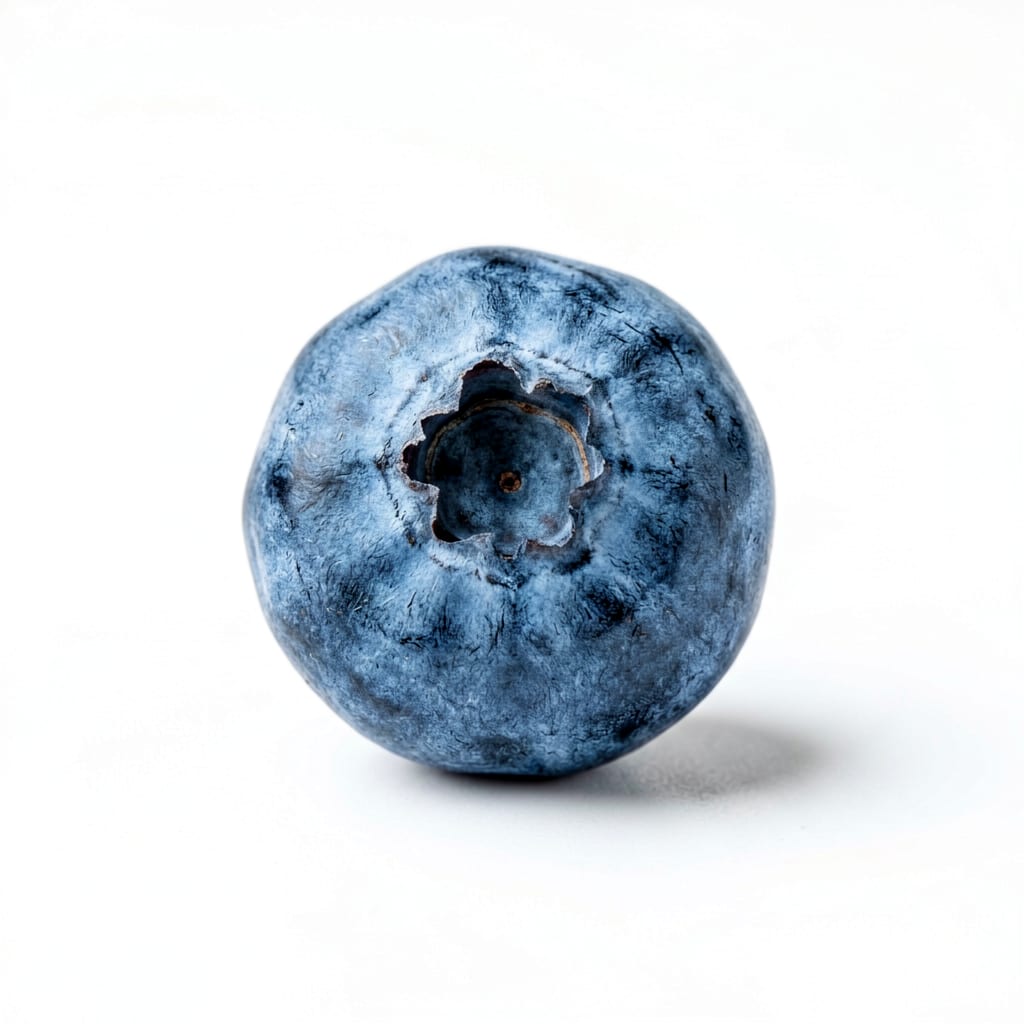
Compare with
Blueberry
Blueberries are sweeter and higher in antioxidants like anthocyanins, but redcurrants are significantly lower in sugar and higher in vitamin C.
Redcurrants are lower in sugar and calories and higher in vitamin C, while blueberries are sweeter and higher in certain brain-boosting antioxidants.
This food
Redcurrant
VS80% alike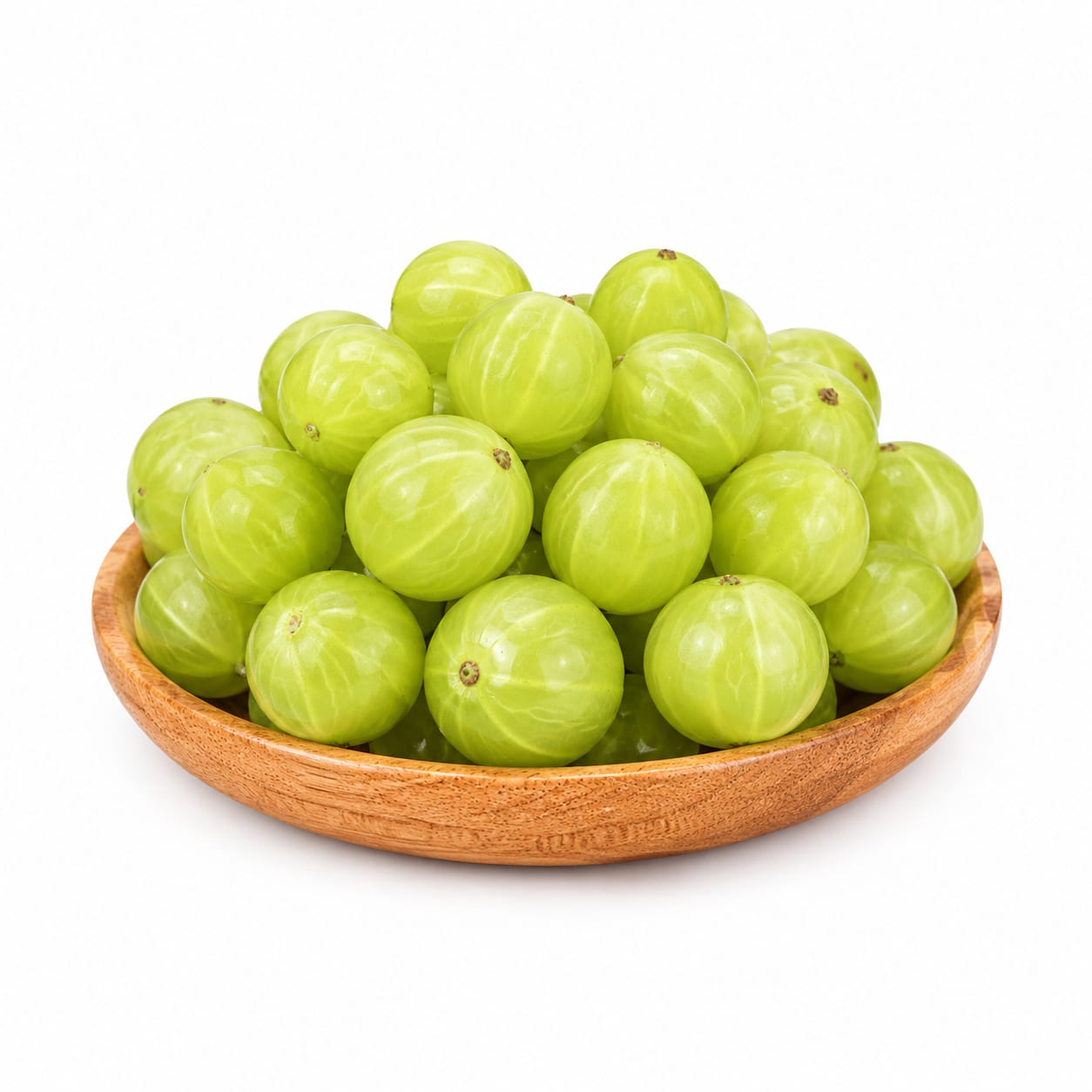
Compare with
Gooseberry
Gooseberries are larger and slightly higher in calories and fiber. Redcurrants are smaller, slightly lower in carbs, and easier to eat by the handful.
Gooseberries are larger and slightly higher in fiber, but redcurrants are lower in calories and carbs, making them better for weight loss.
This food
Redcurrant
VS70% alike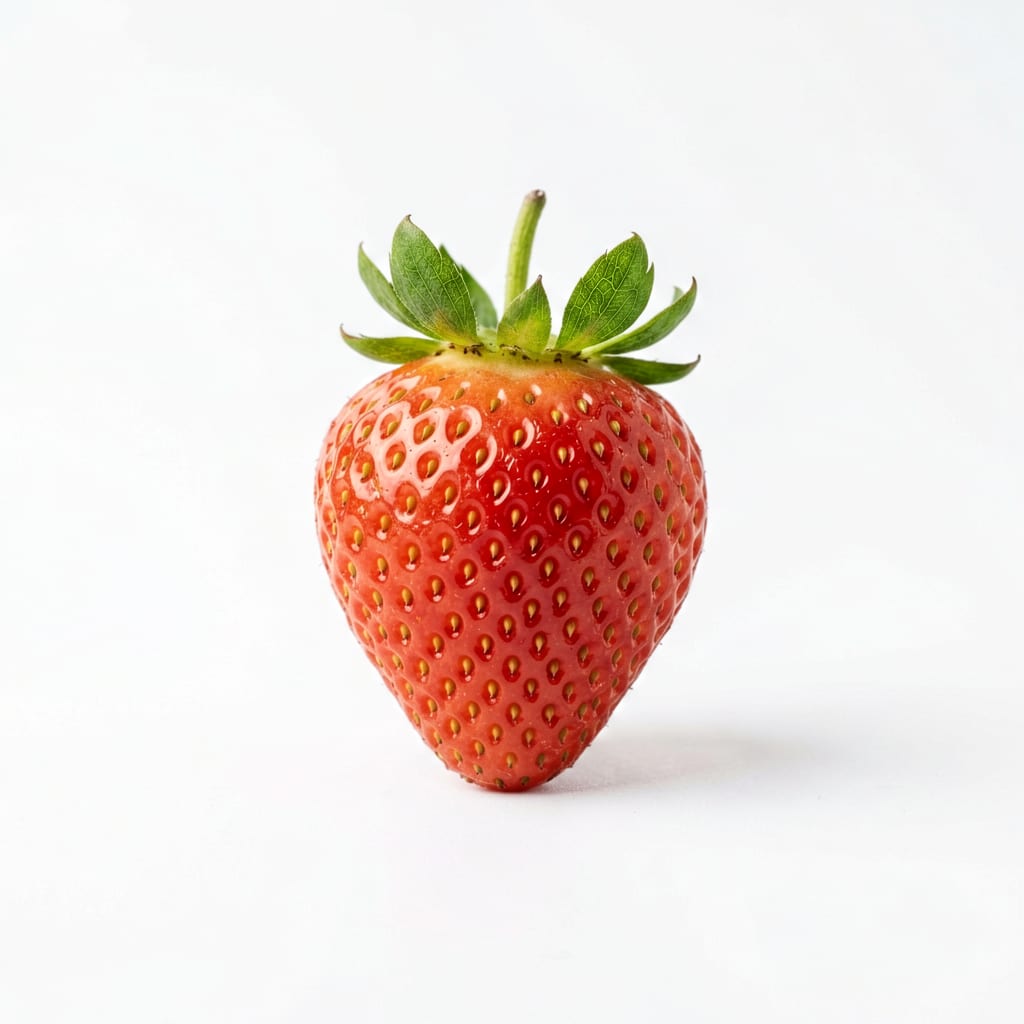
Compare with
Strawberry
Strawberries are sweeter and larger, but redcurrants have a slightly lower glycemic load and are more concentrated in flavor per gram.
Strawberries are sweeter and larger, while redcurrants are tarter and slightly better for strict blood sugar control due to lower sugar content.
This food
Redcurrant
VS60% alike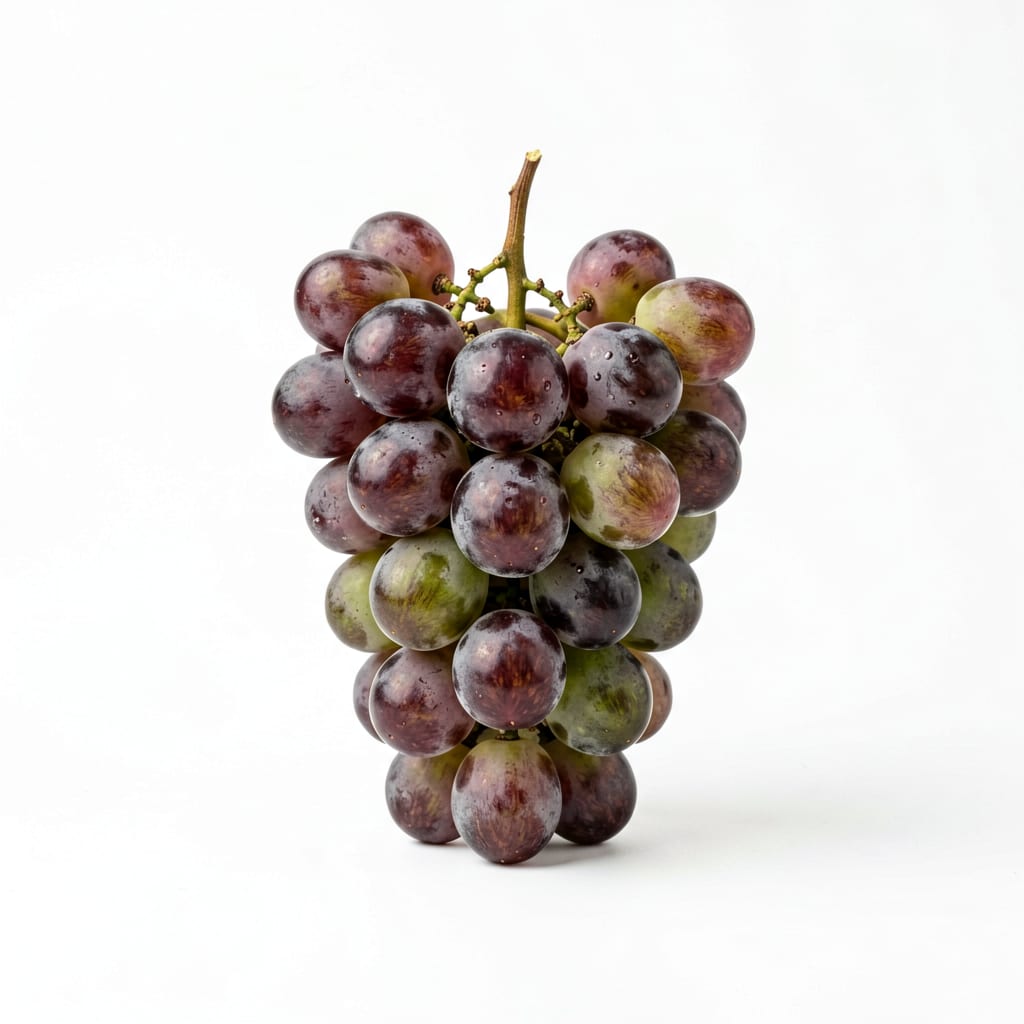
Compare with
Grape
Grapes are much sweeter and higher in sugar and calories. Redcurrants are vastly superior for weight loss and blood sugar management.
Redcurrants are far lower in sugar and calories than grapes, making them a much better choice for weight loss and blood sugar control.
This food
Redcurrant
VS55% alike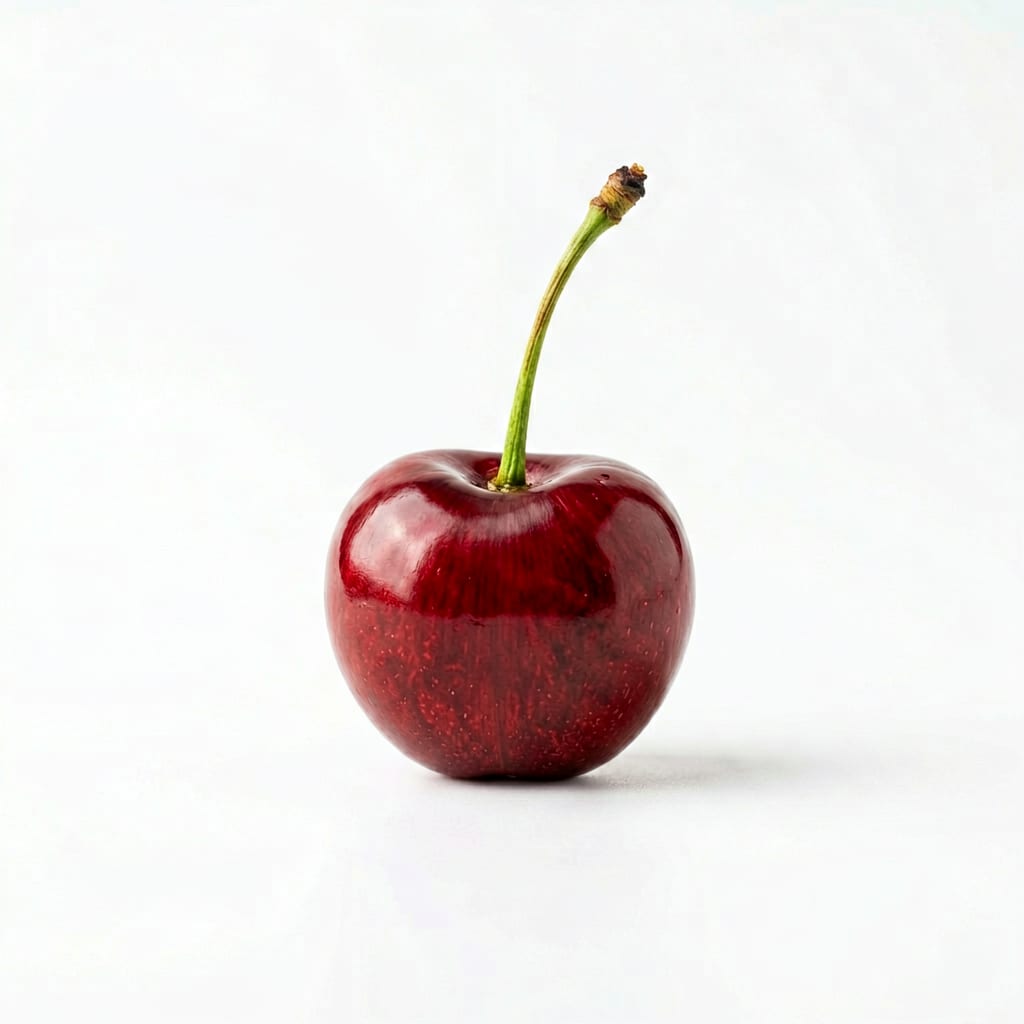
Compare with
Cherry
Cherries are sweeter and higher in calories but offer anti-inflammatory benefits for athletes. Redcurrants are better for strict low-carb diets.
Cherries are sweeter and offer more post-workout recovery benefits, while redcurrants are lower in calories and better for blood sugar management.
This food
Redcurrant
VS50% alike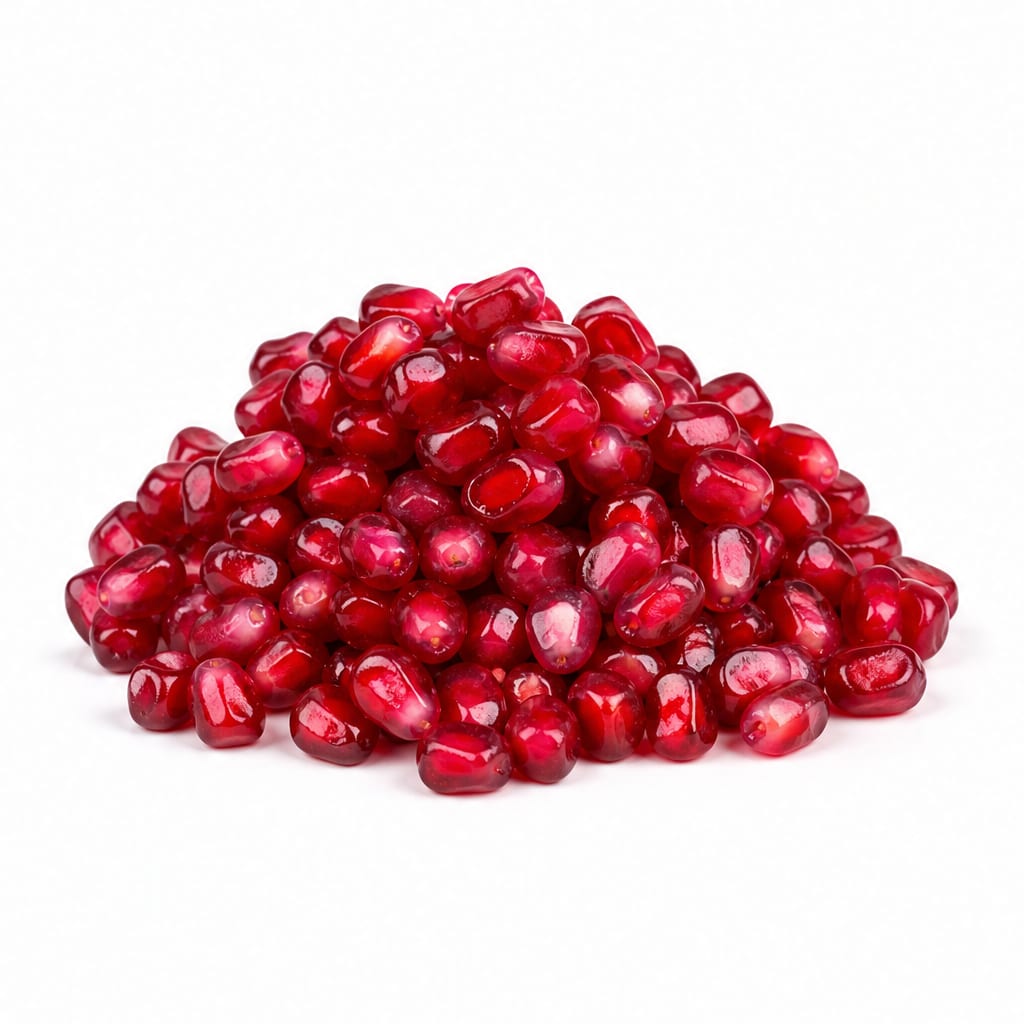
Compare with
Pomegranate Seeds
Pomegranate seeds are higher in calories and sugar but offer potent antioxidants. Redcurrants are lighter and lower in carbs.
Pomegranate seeds are higher in antioxidants and sugar, while redcurrants are a lighter, lower-calorie alternative for weight loss.
This food
Redcurrant
VS45% alike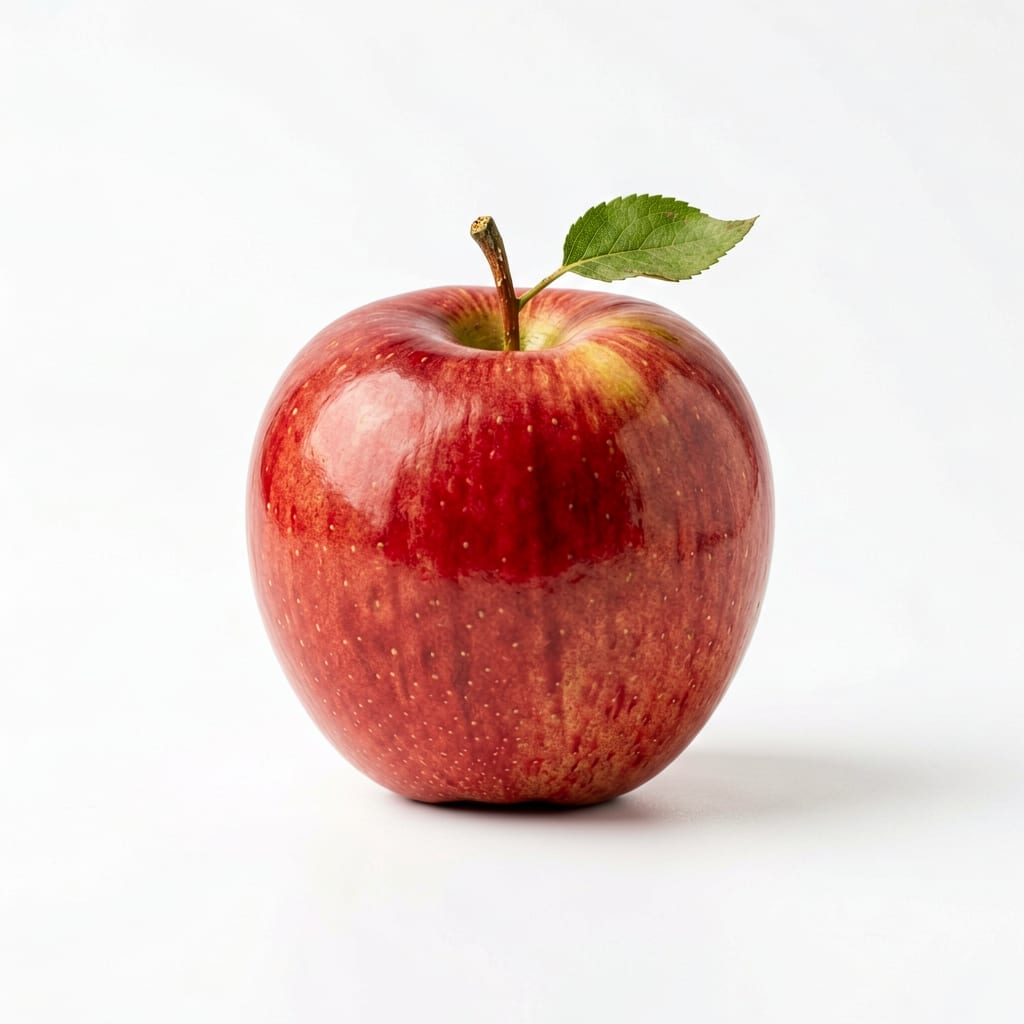
Compare with
Apple
Apples are sweeter and denser in calories. Redcurrants provide similar fiber per calorie but with a fraction of the sugar and a much lower glycemic load.
Apples provide more sustained energy for workouts, while redcurrants are significantly lower in calories and sugar for weight loss diets.
Common questions
FAQ
Answers aligned with how people search for this food.
Are redcurrants good for weight loss?
Yes, redcurrants are excellent for weight loss. They are very low in calories and high in fiber and water, which helps you feel full without consuming excess energy.
Can diabetics eat redcurrants?
Yes, redcurrants have a low glycemic index and low glycemic load. Their fiber content slows sugar absorption, making them a safe fruit choice for managing blood sugar levels.
Are redcurrants high in vitamin C?
Yes, redcurrants are a rich source of vitamin C, providing about 40% of the daily recommended intake per 100g serving, which supports immune function and skin health.
Can you eat redcurrants raw?
Absolutely. Redcurrants can be eaten raw and are often used as a fresh garnish, added to salads, or mixed into yogurt. They have a tart, refreshing flavor.
What is the difference between redcurrants and blackcurrants?
Redcurrants are tarter and slightly lower in calories and antioxidants compared to blackcurrants. Blackcurrants have a deeper, earthier flavor and significantly higher vitamin C and anthocyanin content.
How do you use redcurrants without adding sugar?
Blend them into a green smoothie, mash them into unsweetened Greek yogurt, or use them as a tart topping for oatmeal. Their natural acidity pairs well with creamy or sweet whole foods like bananas.
Are redcurrants good for gut health?
Yes, redcurrants contain pectin, a type of soluble fiber that acts as a prebiotic. This feeds beneficial gut bacteria and supports healthy digestion.
Do redcurrants have a lot of sugar?
No, redcurrants contain only about 7.4g of sugar per 100g, which is lower than many common fruits like apples or grapes. Their high fiber content further offsets the sugar impact.
Transparency
Data confidence
Estimated confidence for nutrition data, interpretation, safety notes, and comparisons.
Nutrition data
Health analysis
Food safety
Comparisons