
Nutrition comparison
Redcurrant vs Blackcurrant: Nutrition, Antioxidants, and Which Berry to Choose
Compare redcurrant and blackcurrant side by side. Blackcurrant delivers 3x more vitamin C and far more antioxidants, while redcurrant is lighter and lower in sugar. Find out which fits your goals.
Overall winner · Blackcurrant
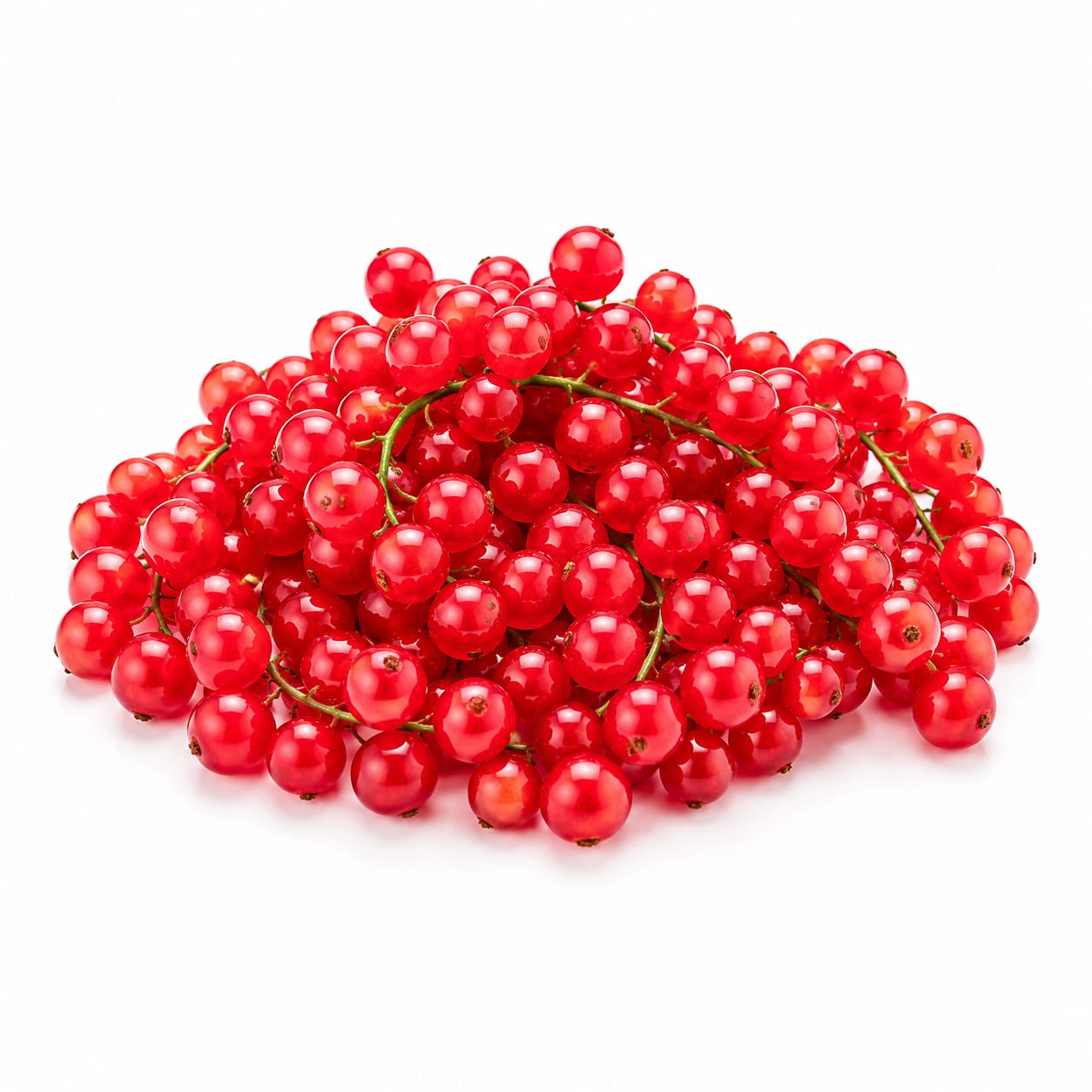
Redcurrant
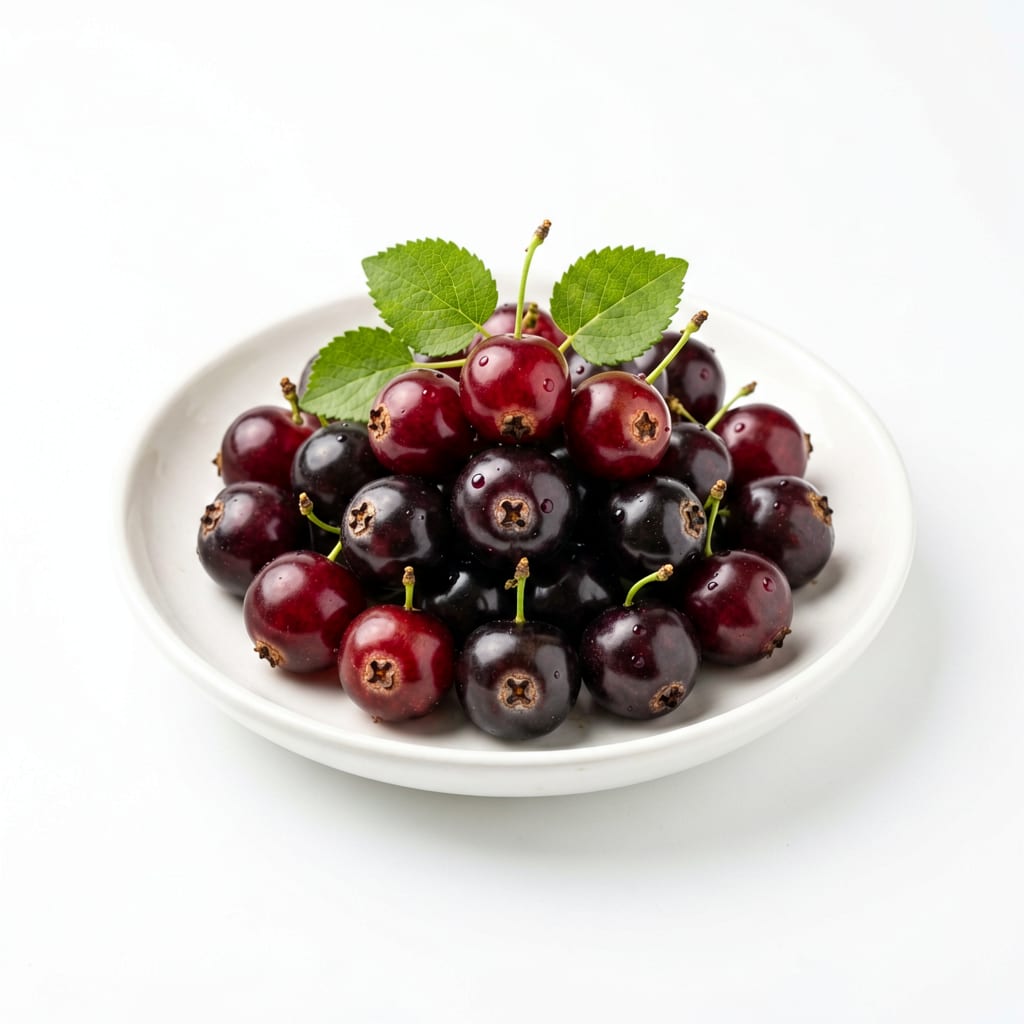
Blackcurrant
Blackcurrant dominates on nutrition, especially vitamin C and antioxidants, while redcurrant offers a lighter, tarter option with slightly fewer calories.
Blackcurrant scores notably higher due to its exceptional vitamin C and anthocyanin content. Redcurrant remains a solid berry choice but cannot match the nutritional density. The gap is meaningful but not overwhelming—both are genuinely healthy options.
You gain significantly more immune and antioxidant support with blackcurrant, but redcurrant is milder, less sweet, and easier to snack on fresh.
At a glance
Executive summary
Overall
Blackcurrant
Healthier
Blackcurrant
More practical
Redcurrant
Daily use
Blackcurrant
Key comparison lenses
antioxidant density and immune support
Blackcurrant is one of the most antioxidant-dense berries available, making this the defining difference between the two
vitamin C comparison
Blackcurrant delivers roughly 3x more vitamin C than redcurrant, a stark nutritional gap users should know about
sugar and calorie awareness
Redcurrant is slightly lighter in sugar and calories, relevant for weight-conscious users
culinary and flavor preference
The tartness levels differ significantly and affect how people actually enjoy eating them
eye and brain health benefits
Blackcurrant anthocyanins support visual fatigue and cognitive function, a unique advantage worth highlighting
Best choice for
Redcurrant
- Those who prefer tart, refreshing flavors without sweetness
- People watching calorie and sugar intake closely
- Anyone wanting a garnish or decorative berry for dishes
- Those who find blackcurrant too intense or earthy
Blackcurrant
- Anyone prioritizing immune support and vitamin C intake
- People seeking maximum antioxidant density per bite
- Those concerned with eye strain or visual fatigue
- Anyone wanting anti-inflammatory benefits from anthocyanins
Least suitable for
Redcurrant
- People looking for high vitamin C from whole foods
- Those wanting potent anti-inflammatory berry benefits
- Anyone who finds very tart fruit unpleasant
Blackcurrant
- People sensitive to strong, earthy berry flavors
- Those wanting a light, low-key snacking berry
- Anyone strictly minimizing natural sugar intake
Deep comparison
Dimension by dimension
Each lens scores both foods and breaks down who each option suits.
- Dimension 1 · Priority 95Blackcurrant
antioxidant power
Redcurrant · 55Blackcurrant · 92Blackcurrant delivers far more antioxidants, especially anthocyanins, which give it the dark color and deep health benefits.
Tradeoff
Redcurrant still provides decent antioxidants but at roughly half the concentration of blackcurrant.
Why it matters
Higher antioxidant intake correlates with reduced oxidative stress, better recovery from exercise, and slower cellular aging.
Real-world impact
Eating blackcurrant regularly may help you bounce back faster from workouts and feel less worn down during stressful periods.
Redcurrant
- Those who want mild antioxidant support without strong flavor
Better for
- Those specifically seeking high-antioxidant foods
Worse for
Blackcurrant
- Active individuals needing recovery support
- Anyone under high oxidative stress from pollution or intense training
- People wanting maximum benefit from small fruit portions
Better for
- People who dislike intense, concentrated berry flavors
Worse for
- Dimension 2 · Priority 90Blackcurrant
vitamin C content
Redcurrant · 45Blackcurrant · 95Blackcurrant is one of the richest vitamin C sources among all berries, delivering roughly 3 times more than redcurrant.
Tradeoff
Redcurrant still provides some vitamin C but not enough to be considered a primary dietary source.
Why it matters
Vitamin C supports immune function, collagen production, and iron absorption—daily intake matters more than most people realize.
Real-world impact
A single serving of blackcurrant can cover most of your daily vitamin C needs, while redcurrant covers about a third.
Redcurrant
- Those getting vitamin C adequately from other sources
Better for
- Anyone relying on berries as a primary vitamin C source
Worse for
Blackcurrant
- Anyone wanting to reduce reliance on supplements for vitamin C
- People prone to colds or slow wound healing
- Vegans and vegetarians needing better iron absorption support
Better for
- People already supplementing high-dose vitamin C who may not need more
Worse for
- Dimension 3 · Priority 70Redcurrant
sugar and calorie load
Redcurrant · 78Blackcurrant · 65Redcurrant is slightly lower in both sugar and calories, making it the leaner option gram for gram.
Tradeoff
The difference is modest—roughly 15-20% fewer calories in redcurrant—but noticeable for strict trackers.
Why it matters
For people managing weight or blood sugar, even small consistent differences in sugar intake add up over time.
Real-world impact
Choosing redcurrant over blackcurrant saves you about 10-15 calories per 100g—minor per serving but relevant if you eat berries daily.
Redcurrant
- Strict calorie counters
- People managing mild blood sugar concerns
- Those who prefer less sweet fruit
Better for
- Those who need more energy from their fruit
Worse for
Blackcurrant
- Active people who benefit from the extra natural carbohydrates
- Anyone unconcerned about modest sugar differences
Better for
- People on very low-carb or keto-adjacent diets
Worse for
- Dimension 4 · Priority 60Blackcurrant
eye and brain health
Redcurrant · 35Blackcurrant · 85Blackcurrant anthocyanins have been studied for reducing visual fatigue and supporting cognitive blood flow.
Tradeoff
Redcurrant lacks the deep pigments that drive these specific benefits almost entirely.
Why it matters
Screen-heavy lifestyles make eye fatigue increasingly common, and dietary anthocyanins offer a natural support strategy.
Real-world impact
Regular blackcurrant consumption may reduce eye strain from long computer sessions and support mental clarity during demanding work periods.
Redcurrant
- Those with no specific eye or cognitive concerns
Better for
- People specifically seeking dietary eye health support
Worse for
Blackcurrant
- Office workers and students with heavy screen time
- Older adults wanting to support cognitive circulation
- Anyone experiencing afternoon mental fog
Better for
- Those who assume all berries provide equal eye benefits
Worse for
- Dimension 5 · Priority 65It depends
flavor and culinary versatility
Redcurrant · 72Blackcurrant · 70Redcurrant is brighter and more acidic, while blackcurrant is deeper, earthier, and more complex. Both shine in different contexts.
Tradeoff
Redcurrant works better as a fresh garnish or in light dishes; blackcurrant excels in jams, syrups, and anything benefiting from bold berry depth.
Why it matters
Flavor determines whether you actually eat the berry consistently—the healthiest berry is the one you enjoy regularly.
Real-world impact
If you find blackcurrant too intense to eat fresh, you may end up consuming it only in processed forms like jams, which add sugar. Redcurrant is easier to enjoy straight from the bush.
Redcurrant
- Fresh snacking and salad garnishes
- Light desserts where you want tartness without heaviness
- Visual appeal on plates and pastries
Better for
- Recipes needing deep, jammy berry flavor
Worse for
Blackcurrant
- Cooked preparations like compotes and sauces
- Rich desserts and baked goods
- Making nutrient-dense smoothies with bold flavor
Better for
- Light, delicate dishes where the earthy flavor overwhelms
Worse for
Timeline
Health impact over time
Short-term
Hours to days
Redcurrant
- Refreshing tartness can stimulate appetite and digestion
- Moderate vitamin C provides a small immune boost
- Low sugar content prevents blood sugar spikes
Blackcurrant
- High vitamin C can quickly support immune response during early cold symptoms
- Anthocyanins may reduce perceived eye strain within hours of consumption
- Natural sugars provide a steady energy lift without a crash
Long-term
Months to years
Redcurrant
- Consistent low-sugar fruit intake supports weight maintenance
- Moderate antioxidant contribution to overall cellular health
- Low calorie density helps sustain healthy eating patterns without restriction
Blackcurrant
- Sustained high anthocyanin intake may lower chronic inflammation markers
- Regular vitamin C consumption supports collagen integrity and skin health over decades
- Potential protective effects against age-related cognitive decline through improved cerebral circulation
Risk profile
Safety & processing
Both redcurrant and blackcurrant are typically consumed as whole, fresh, or frozen berries with minimal processing. The main concern is that blackcurrant is more commonly found in processed forms like jams, juices, and syrups, which often add significant sugar and reduce the net health benefit.
Redcurrant
pesticide residue
lowRedcurrant has moderate pesticide exposure when conventionally grown, but the small size and thick skin reduce absorption compared to softer berries like strawberries.
oxalate content
lowContains modest oxalates, unlikely to be problematic unless you have a history of calcium oxalate kidney stones and consume very large quantities.
Blackcurrant
pesticide residue
lowSimilar pesticide profile to redcurrant. The dark skin may retain slightly more surface residue, so organic is preferable when available.
oxalate content
lowComparable oxalate levels to redcurrant. Not a concern at normal serving sizes but worth noting for kidney stone formers.
supplement interaction
lowVery high vitamin C content could theoretically interact with certain medications at extreme intakes, but this is unlikely from whole fruit alone.
Who wins for whom
Audience fit
Same foods, different winners depending on your goal.
children
RedcurrantRedcurrant's brighter, milder tartness is usually more appealing to kids. Blackcurrant's intense earthy flavor can be off-putting for young palates.
daily consumption
BlackcurrantThe nutritional density of blackcurrant makes it a more impactful daily habit, provided you enjoy the flavor enough to eat it consistently.
diabetes
RedcurrantRedcurrant's lower sugar content and milder glycemic impact make it slightly more appropriate for blood sugar management, though both are low-glycemic options.
elderly
BlackcurrantBlackcurrant's superior vitamin C, anti-inflammatory anthocyanins, and potential cognitive and visual benefits make it more valuable for aging bodies.
muscle gain
BlackcurrantBlackcurrant provides more vitamin C, which supports collagen synthesis for connective tissue repair, and slightly more carbohydrates for training fuel.
weight loss
RedcurrantRedcurrant's lower calorie and sugar content gives it a slight edge for weight loss, though both are excellent low-calorie fruit choices.
Your move
Decision guide
Choose Redcurrant
- You prefer tart, refreshing fruit you can eat fresh by the handful
- You are closely tracking calories or sugar intake
- You want an attractive garnish berry for cooking and baking
- You find blackcurrant too strong or earthy to enjoy regularly
Choose Blackcurrant
- You want maximum nutritional return from every serving of fruit
- Immune support, eye health, or anti-inflammatory benefits are priorities
- You enjoy bold, deep berry flavors or primarily use berries in smoothies and cooked dishes
- You want a whole-food vitamin C source that rivals supplements
Either works if
- You simply want to eat more berries and both are available and affordable
- You rotate fruits for dietary variety and benefit from both flavor profiles
- You use berries as part of a mixed fruit salad or smoothie blend
Avoid both if
- You have a known allergy to currants or other Ribes family berries
- You are on a very strict low-oxalate diet for kidney stone management
Final recommendation
Choose blackcurrant if nutrition is your top priority—its vitamin C and antioxidant advantages are substantial and well-documented. Choose redcurrant if you want a lighter, more refreshing eating experience or are closely managing sugar intake. The best choice is the one you will actually eat consistently, so let flavor preference be your tiebreaker.
Practical
Consumer tips
- 1
Fresh blackcurrant can be hard to find—frozen retains nearly all nutrients and is often more practical
- 2
If blackcurrant is too intense fresh, blend it into smoothies with sweeter fruits like banana or mango
- 3
Redcurrant makes an excellent salad topper: tart, visually striking, and low in sugar
- 4
Check jam labels carefully: both berries are commonly sold as jams with added sugar that negates much of the health benefit
- 5
Organic matters more for blackcurrant due to its dark skin retaining slightly more surface residue
- 6
Growing either currant at home is surprisingly easy in temperate climates and gives you fresh, pesticide-free berries