
Nutrition comparison
Redcurrant vs Grape: Sugar, Nutrition, and Which Is Healthier
Redcurrants have half the sugar of grapes and more vitamin C per calorie. Compare nutrition, blood sugar impact, and practicality to pick the right fruit for you.
Overall winner · Redcurrant
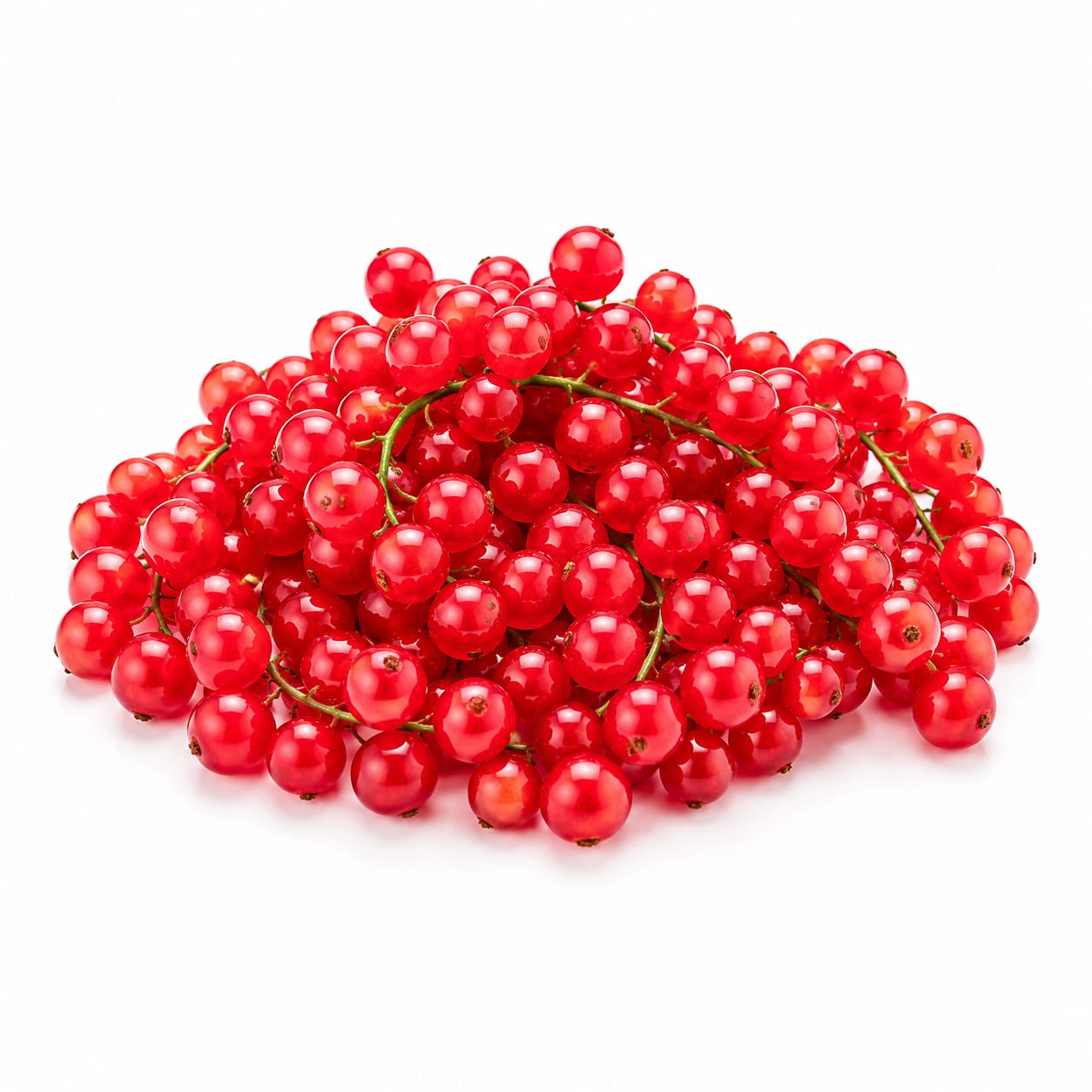
Redcurrant
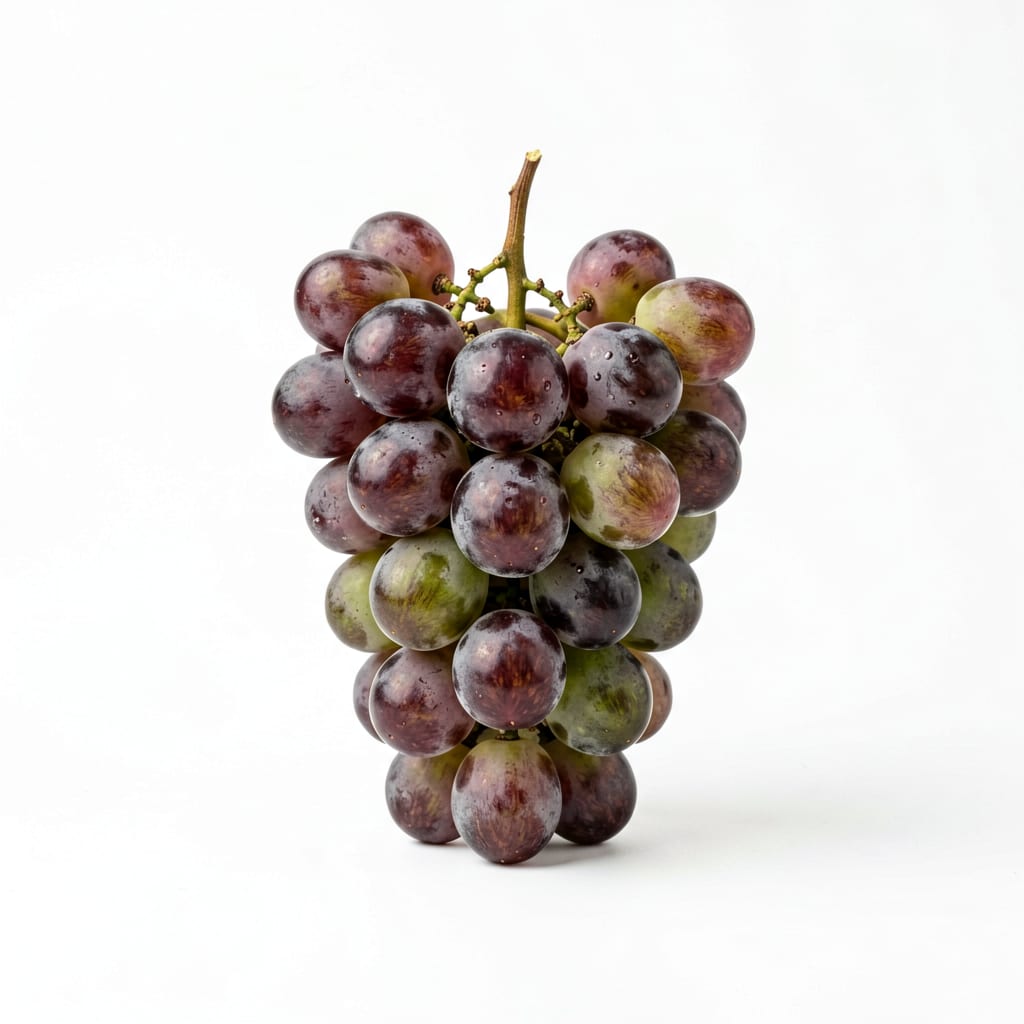
Grape
Redcurrants deliver more nutrition per calorie with far less sugar, but grapes win on convenience and enjoyment factor.
Redcurrants score higher due to superior nutrient density and dramatically lower sugar, but grapes gain ground on accessibility, enjoyment, and year-round availability.
Tart nutrient density versus sweet easy snacking — redcurrants are the smarter choice nutritionally, grapes are the easier choice practically.
At a glance
Executive summary
Overall
Redcurrant
Healthier
Redcurrant
More practical
Grape
Daily use
It depends
Key comparison lenses
sugar load and snackability
Grapes are notoriously easy to overeat due to sweetness, while redcurrants are tart and naturally portion-controlled
antioxidant density per calorie
Both are berry-family fruits with anthocyanins, but redcurrants pack more vitamin C and antioxidants per calorie
blood sugar management
The sugar gap between these two fruits is significant for anyone watching glucose
everyday practicality
Grapes are available year-round and require no prep; redcurrants are seasonal and harder to find fresh
Best choice for
Redcurrant
- People managing blood sugar or insulin resistance
- Anyone tracking calories who wants maximum flavor impact
- Antioxidant-focused eaters prioritizing vitamin C
- Those who tend to overeat sweet fruit
Grape
- Busy people needing grab-and-go fruit
- Children who reject tart flavors
- Post-workout quick energy replenishment
- Anyone wanting year-round affordable fruit
Least suitable for
Redcurrant
- Children expecting sweet fruit
- People with limited access to specialty grocers
- Anyone needing calorie-dense fuel for endurance activity
Grape
- People with diabetes or prediabetes
- Those prone to mindless snacking
- Low-carb or keto followers
Deep comparison
Dimension by dimension
Each lens scores both foods and breaks down who each option suits.
- Dimension 1 · Priority 92Redcurrant
sugar_and_blood_impact
Redcurrant · 88Grape · 42Redcurrants contain roughly half the sugar of grapes per serving, making them far gentler on blood sugar.
Tradeoff
You get less sweetness but avoid the glucose spike and crash that comes with a bowl of grapes.
Why it matters
Grapes are one of the easiest fruits to overeat — a casual bowl can deliver 30+ grams of sugar before you notice.
Real-world impact
Redcurrants won't trigger the afternoon energy dip that a grape snacking session often causes.
Redcurrant
- Steady energy without crashes
- Diabetes-friendly fruit option
- Less insulin demand after eating
Better for
- Not enough carbs for intense workout fuel
Worse for
Grape
- Quick carb fuel before exercise
- Fast energy when blood sugar is genuinely low
Better for
- Easy to accidentally consume 40g+ sugar in one sitting
- Spikes blood sugar rapidly
Worse for
- Dimension 2 · Priority 85Redcurrant
antioxidant_and_vitamin_density
Redcurrant · 90Grape · 62Redcurrants deliver significantly more vitamin C and anthocyanins per calorie than grapes.
Tradeoff
Grapes offer unique resveratrol, but redcurrants win on overall vitamin and antioxidant concentration.
Why it matters
If you're eating fruit partly for immune support and cellular protection, redcurrants give you more per bite.
Real-world impact
A small serving of redcurrants covers a meaningful chunk of daily vitamin C; you'd need far more grapes to match it.
Redcurrant
- Immune system support
- Skin health via vitamin C
- Anti-inflammatory anthocyanin load
Better for
- Resveratrol content is minimal
Worse for
Grape
- Resveratrol for cardiovascular benefits
- Vitamin K for bone and blood health
Better for
- Lower overall vitamin C per serving
- More calories needed to get equivalent antioxidant benefit
Worse for
- Dimension 3 · Priority 80Redcurrant
satiety_and_overeating_risk
Redcurrant · 82Grape · 45Redcurrants' tartness naturally limits consumption, while grapes' sweetness encourages mindless eating.
Tradeoff
Grapes are more pleasurable to eat in quantity, but that's exactly the problem for portion control.
Why it matters
Satiety isn't just about fiber — flavor intensity and tartness signal your brain to stop eating.
Real-world impact
Most people naturally stop after a handful of redcurrants but can easily polish off an entire bag of grapes.
Redcurrant
- Built-in portion control from tartness
- Lower calorie intake per snacking session
- Less likely to trigger sugar cravings
Better for
- Tartness may feel unsatisfying if you want something sweet
Worse for
Grape
- More satisfying sweet treat experience
- Better for emotional comfort eating
Better for
- Very easy to overconsume without realizing
- Can trigger continued sweet cravings
Worse for
- Dimension 4 · Priority 78Grape
convenience_and_availability
Redcurrant · 35Grape · 90Grapes are available everywhere year-round; fresh redcurrants are seasonal and specialty-store items.
Tradeoff
Redcurrants may be nutritionally superior, but you can't benefit from them if you can't find them.
Why it matters
The healthiest food is the one you actually eat consistently, and grapes are far easier to keep in rotation.
Real-world impact
You can grab grapes at any grocery store any week of the year; redcurrants require planning or frozen alternatives.
Redcurrant
- Available frozen with nutrients largely intact
Better for
- Fresh season is short
- Hard to find in many regions
- More expensive per serving
Worse for
Grape
- Year-round fresh availability
- No prep needed — just wash and eat
- Available at every price point
- Easy to pack for work or school
Better for
- None significant for this dimension
Worse for
- Dimension 5 · Priority 65Redcurrant
fiber_and_digestive_value
Redcurrant · 72Grape · 58Redcurrants offer slightly more fiber per calorie, supporting digestion with less sugar baggage.
Tradeoff
Neither fruit is a fiber powerhouse, but redcurrants give a better fiber-to-sugar ratio.
Why it matters
Fiber slows sugar absorption, so redcurrants' fiber advantage compounds their lower sugar advantage.
Real-world impact
Redcurrants feel lighter in the stomach and less likely to cause bloating than a large grape portion.
Redcurrant
- Better fiber-to-sugar ratio
- Less bloating risk per serving
Better for
- Not enough fiber to be a primary fiber source
Worse for
Grape
- Still provides moderate fiber if portions are controlled
Better for
- Large portions can cause digestive discomfort from sugar load
Worse for
Timeline
Health impact over time
Short-term
Hours to days
Redcurrant
- Tart flavor limits overeating naturally
- Modest blood sugar rise with quick stabilization
- Mild diuretic effect from high vitamin C
Grape
- Quick energy boost from natural sugars
- Rapid blood sugar rise, especially with large portions
- Hydrating due to high water content
Long-term
Months to years
Redcurrant
- Consistent vitamin C intake supports immune resilience
- Low sugar load reduces metabolic strain over time
- Anthocyanins may protect vascular health
Grape
- Resveratrol supports cardiovascular health with regular consumption
- Habitual overconsumption may contribute to excess sugar intake
- Antioxidant benefits are real but require portion awareness
Risk profile
Safety & processing
Both fruits are typically consumed fresh and unprocessed. The main concern is pesticide residue on conventionally grown grapes, which consistently rank high on the Dirty Dozen list.
Redcurrant
Pesticide residue
lowRedcurrants are less heavily treated than grapes, but washing is still important.
Grape
Pesticide residue
highGrapes consistently appear on the EWG Dirty Dozen list with multiple pesticide residues detected on conventional samples.
Mold and spoilage
mediumGrapes spoil quickly and mold can develop within days, especially in warm conditions.
Who wins for whom
Audience fit
Same foods, different winners depending on your goal.
children
GrapeMost children prefer sweet grapes over tart redcurrants, making grapes more practical for getting kids to eat fruit.
daily consumption
It dependsRedcurrants are nutritionally better for daily use, but grapes are more realistically sustainable due to availability.
diabetes
RedcurrantHalf the sugar and a better fiber-to-carb ratio make redcurrants significantly gentler on blood glucose.
elderly
RedcurrantLower sugar and higher vitamin C support aging immune systems and metabolic health.
muscle gain
GrapeGrapes provide quicker carbs that can support glycogen replenishment after training.
weight loss
RedcurrantLower calories, less sugar, and tartness that prevents overeating make redcurrants the safer choice for fat loss.
Your move
Decision guide
Choose Redcurrant
- You want maximum nutrition with minimal sugar
- Blood sugar management is a priority
- You tend to overeat sweet fruits
- You can find them fresh or frozen locally
Choose Grape
- You need convenient year-round fruit
- You're after quick pre-workout energy
- You're feeding kids who reject tart flavors
- Comfort and enjoyment matter more than optimization
Either works if
- You just want a hydrating whole-food snack
- You're rotating fruits for dietary variety
- Neither is a dietary staple for you
Avoid both if
- You have a severe berry or grape allergy
- You're on a strict very-low-carb protocol
- You need high-protein snacks for satiety
Final recommendation
Choose redcurrants when you can find them — they're the smarter nutritional choice with far less sugar and more vitamin C per bite. But don't dismiss grapes entirely; their resveratrol and convenience are real benefits. If you go with grapes, portion them into a small bowl first to avoid mindless overeating. Frozen redcurrants are a great pantry staple that solve the availability problem while preserving most nutrients.
Practical
Consumer tips
- 1
If buying conventional grapes, wash thoroughly or choose organic — they're one of the most pesticide-heavy fruits
- 2
Frozen redcurrants retain most vitamin C and are available year-round — great for smoothies and yogurt topping
- 3
Pre-portion grapes into small containers to prevent accidentally eating an entire bag
- 4
Mix both fruits together: the tartness of redcurrants balances grape sweetness and reduces total sugar per bowl
- 5
Add redcurrants to savory dishes like salads and sauces — their tartness works beautifully where grapes would feel out of place