
Nutrition comparison
Redcurrant vs Cherry: Nutrition, Sugar, and Health Benefits Compared
Redcurrant vs Cherry: Which is healthier? Compare vitamin C, sugar content, anti-inflammatory benefits, and which fruit is best for your diet goals.
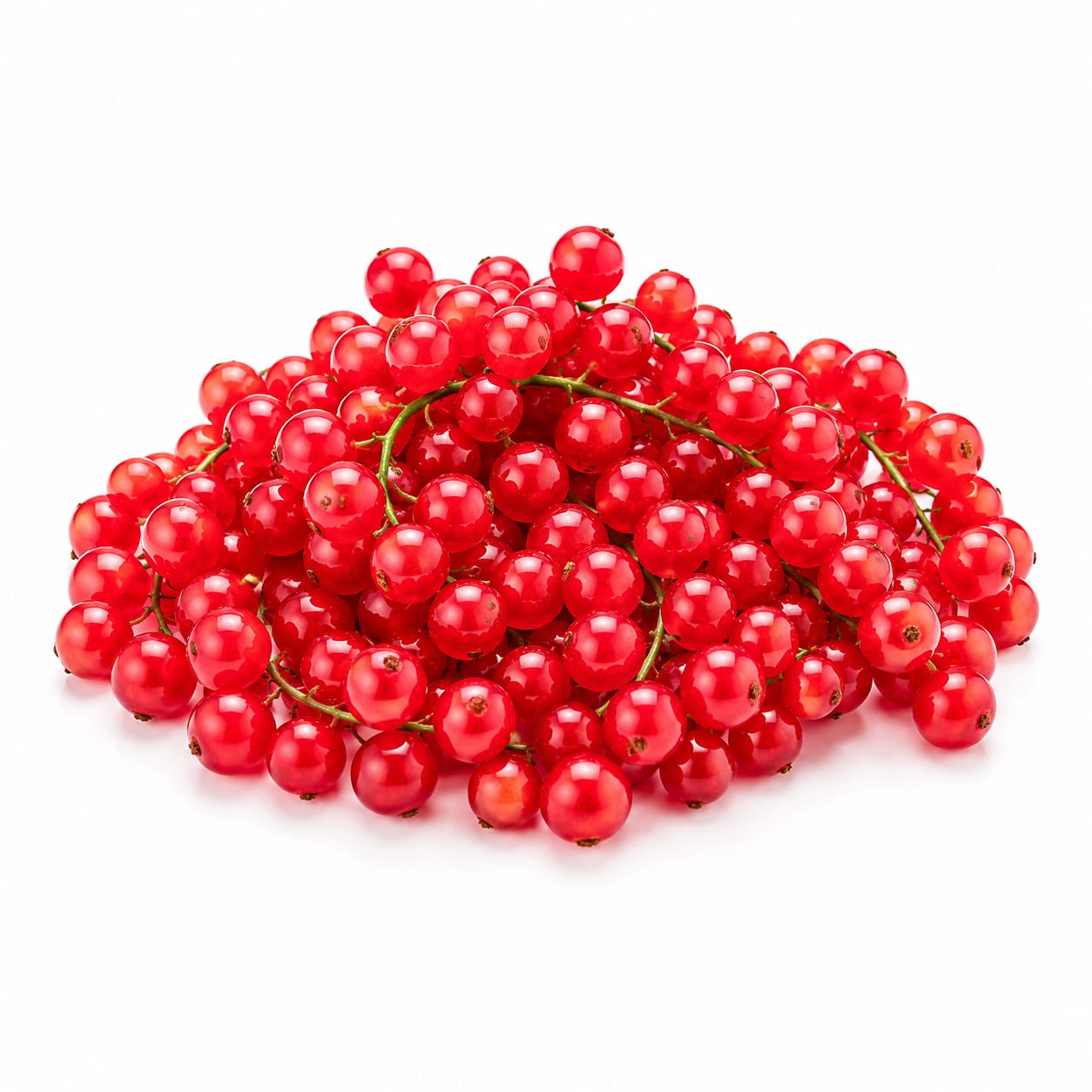
Redcurrant
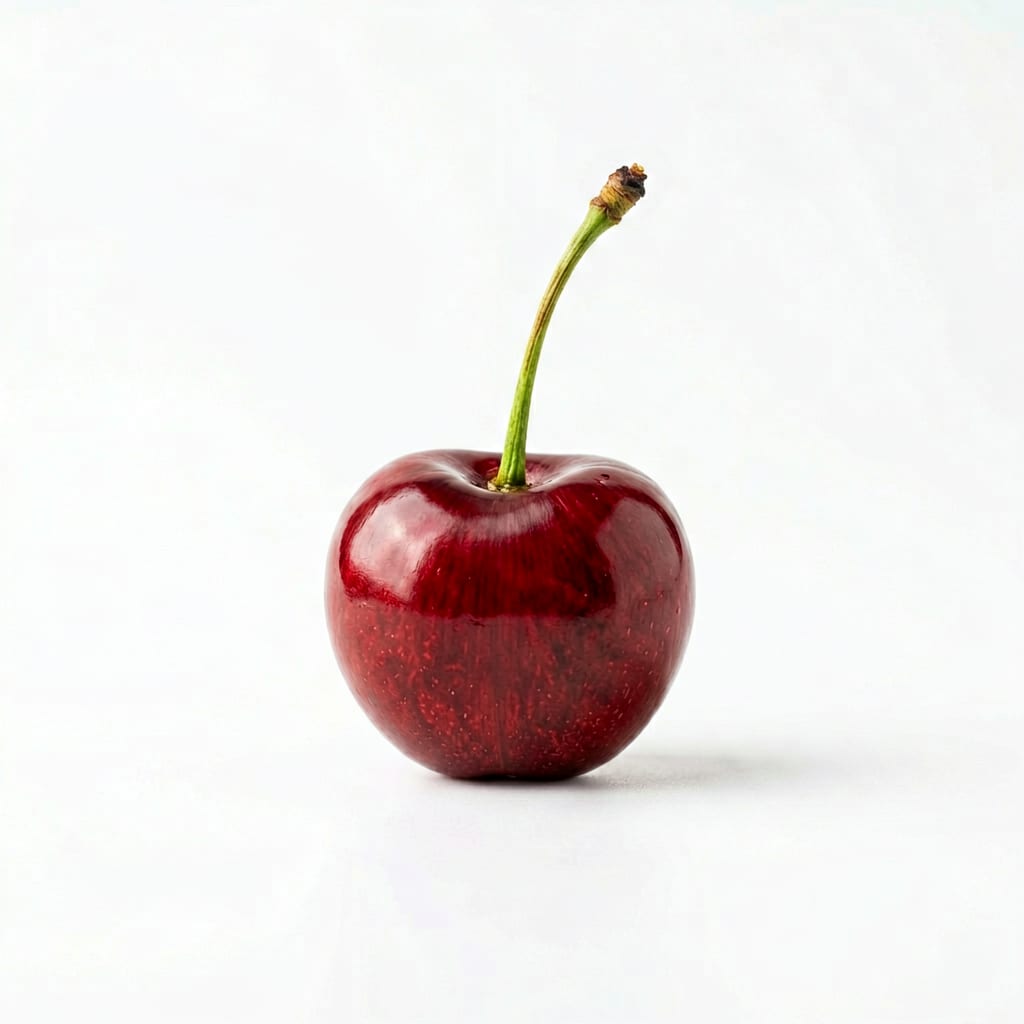
Cherry
Redcurrants offer a sharp vitamin C punch with far less sugar, while cherries deliver anti-inflammatory benefits and a more satisfying sweet snack experience.
Cherries edge out slightly due to broader ease of use and anti-inflammatory benefits, but redcurrants win for vitamin C and low sugar, making them close competitors depending on goals.
Low-sugar tartness versus sweet, anti-inflammatory snacking.
At a glance
Executive summary
Overall
It depends
Healthier
It depends
More practical
Cherry
Daily use
Cherry
Key comparison lenses
Antioxidant profile and inflammation
Cherries are renowned for anti-inflammatory compounds, while redcurrants offer different antioxidant benefits.
Sugar content and glycemic impact
Redcurrants are notably lower in sugar, making them suitable for low-carb diets, whereas cherries are sweeter.
Vitamin C density
Redcurrants provide a massive vitamin C boost compared to cherries.
Snacking behavior and overeating risk
Sweet cherries are easy to overeat, while tart redcurrants naturally limit portion sizes.
Best choice for
Redcurrant
- Vitamin C boost
- Low-sugar diets
- Garnishes and tart flavor lovers
Cherry
- Post-workout recovery
- Sweet snack cravings
- Better sleep support
Least suitable for
Redcurrant
- People who dislike tart flavors
- High-calorie needs
Cherry
- Strict low-sugar diets
- Portion control struggles
Deep comparison
Dimension by dimension
Each lens scores both foods and breaks down who each option suits.
- Dimension 1 · Priority 90Cherry
Antioxidant & Anti-inflammatory Power
Redcurrant · 75Cherry · 90Cherries are heavily researched for their anthocyanins and melatonin, making them superior for reducing inflammation and aiding recovery.
Tradeoff
You miss out on the targeted anti-inflammatory and sleep benefits of cherries if you choose redcurrants.
Why it matters
Chronic inflammation drives joint pain and aging; cherries offer a proven food-as-medicine approach.
Real-world impact
Eating cherries after a tough workout can genuinely reduce next-day muscle soreness.
Redcurrant
- Vitamin C specific antioxidant needs
Better for
- Targeted inflammation reduction
Worse for
Cherry
- Gout management
- Post-exercise recovery
- Joint pain relief
Better for
- Vitamin C maximization
Worse for
- Dimension 2 · Priority 85Redcurrant
Blood Sugar & Cravings Control
Redcurrant · 88Cherry · 70Redcurrants contain significantly less sugar and their tartness naturally limits overeating, unlike the sweet, easy-to-binge nature of cherries.
Tradeoff
You sacrifice the sweet satisfaction of cherries for a safer blood sugar profile.
Why it matters
Sweet foods can trigger cravings and lead to overconsumption, while tart foods naturally enforce portion control.
Real-world impact
You can easily eat a pound of cherries without thinking, but a handful of redcurrants will feel like enough.
Redcurrant
- Diabetics
- Keto dieters
- Cravings management
Better for
- Satisfying a sweet tooth
Worse for
Cherry
- Pre-workout quick energy
Better for
- Blood sugar spikes if overeaten
Worse for
- Dimension 3 · Priority 80Redcurrant
Vitamin C & Immune Support
Redcurrant · 92Cherry · 60Redcurrants are a vitamin C powerhouse, delivering a much higher dose per serving than cherries.
Tradeoff
Cherries provide modest vitamin C, requiring you to seek the vitamin elsewhere if you skip redcurrants.
Why it matters
Vitamin C is crucial for immune defense and skin health, and redcurrants deliver it efficiently.
Real-world impact
A serving of redcurrants can cover a significant chunk of your daily vitamin C needs right at breakfast.
Redcurrant
- Immune system support
- Collagen production
Better for
Cherry
- Fighting off a cold
Worse for
- Dimension 4 · Priority 75Cherry
Snackability & Satiety
Redcurrant · 55Cherry · 90Cherries are a classic, satisfying hand-to-mouth snack, whereas redcurrants are usually too tart to eat in large quantities.
Tradeoff
Cherries are more enjoyable to eat out of hand, but that ease makes them easier to overconsume.
Why it matters
A food you actually want to eat is more likely to become a healthy habit, provided you can control portions.
Real-world impact
A bowl of cherries is a comforting summer ritual; redcurrants are usually a garnish or cooked into jam.
Redcurrant
- Mindful eating enforcement
Better for
- Eating enjoyment
Worse for
Cherry
- Enjoyable daily snacking
- Replacing dessert
Better for
- Portion control
Worse for
Timeline
Health impact over time
Short-term
Hours to days
Redcurrant
- Quick vitamin C boost
- Tart flavor can curb sweet cravings
Cherry
- Natural energy from sugars
- Melatonin may promote drowsiness if eaten at night
Long-term
Months to years
Redcurrant
- Stronger immune resilience
- Better blood sugar management
Cherry
- Reduced joint inflammation
- Lower uric acid levels
- Improved sleep quality
Risk profile
Safety & processing
Both are whole, raw fruits with minimal processing concerns when bought fresh or frozen.
Redcurrant
Pesticide residue
mediumSmall berries can retain pesticide residue; washing thoroughly is essential.
Cherry
Choking hazard from pits
mediumCherry pits pose a choking hazard for young children and must be avoided.
Pesticide residue
mediumConventionally grown cherries often rank high on the Dirty Dozen list for pesticide residue; opt for organic when possible.
Who wins for whom
Audience fit
Same foods, different winners depending on your goal.
children
CherryKids prefer the sweet taste, but be mindful of the pits.
daily consumption
CherryEasier to incorporate as a daily snack due to taste and availability.
diabetes
RedcurrantSignificantly lower sugar content and less risk of a blood sugar spike.
elderly
CherryAnti-inflammatory properties help with joint pain, and the sweet flavor is more appealing for aging palates.
muscle gain
CherryCherries provide anti-inflammatory benefits that aid muscle recovery and quick carbs for energy.
weight loss
RedcurrantLower sugar and natural portion control from tartness make redcurrants safer for calorie deficits.
Your move
Decision guide
Choose Redcurrant
- You are watching your sugar intake closely
- You want a massive vitamin C boost
- You love tart, sour flavors
- You need a low-calorie garnish for dishes
Choose Cherry
- You want a sweet, satisfying whole-food snack
- You struggle with joint pain or gout
- You need help with sleep or post-workout recovery
- You want a fruit kids will actually enjoy
Either works if
- You just want a fresh, antioxidant-rich fruit
- You are looking for a natural, unprocessed snack
Avoid both if
- You have a severe fructose intolerance
- You are on a strict very-low-carb diet and cannot spare the carbs
Final recommendation
Choose cherries for a sweet, anti-inflammatory snack that doubles as a dessert replacement, but reach for redcurrants if you need a low-sugar, vitamin C-packed accent to your meals.
Practical
Consumer tips
- 1
Wash both fruits thoroughly right before eating, not before storing, to prevent mold.
- 2
Buy organic cherries when possible, as they frequently test high for pesticides.
- 3
Freeze redcurrants to preserve their short shelf life and toss them into smoothies.
- 4
Use a cherry pitter if eating cherries frequently to save time and avoid dental damage from pits.