
Nutrition comparison
Redcurrant vs Apple: Which Fruit Is Healthier for You?
Compare redcurrant vs apple on vitamin C, sugar, fiber, and daily practicality. Find out which fruit fits your health goals and when to choose each.
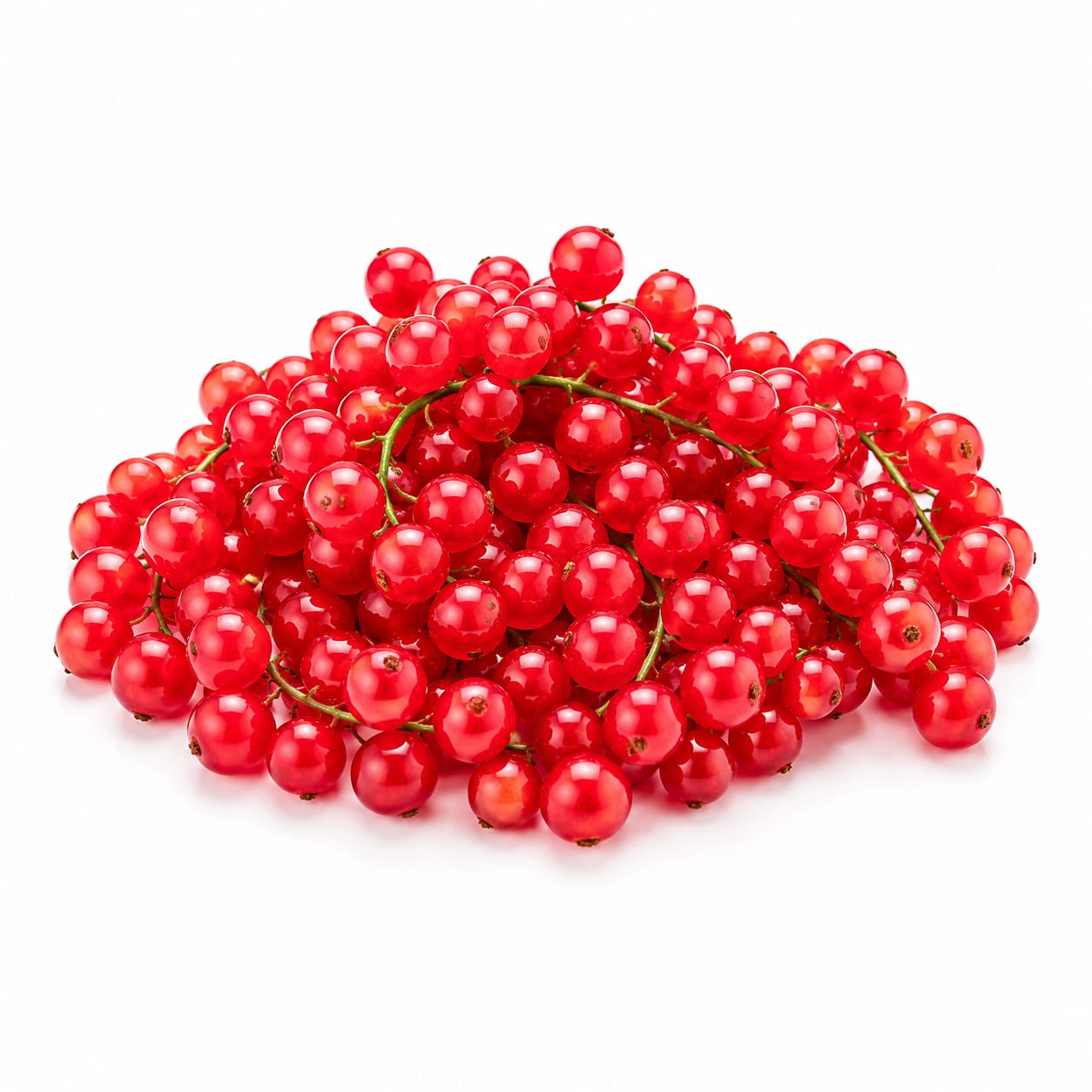
Redcurrant
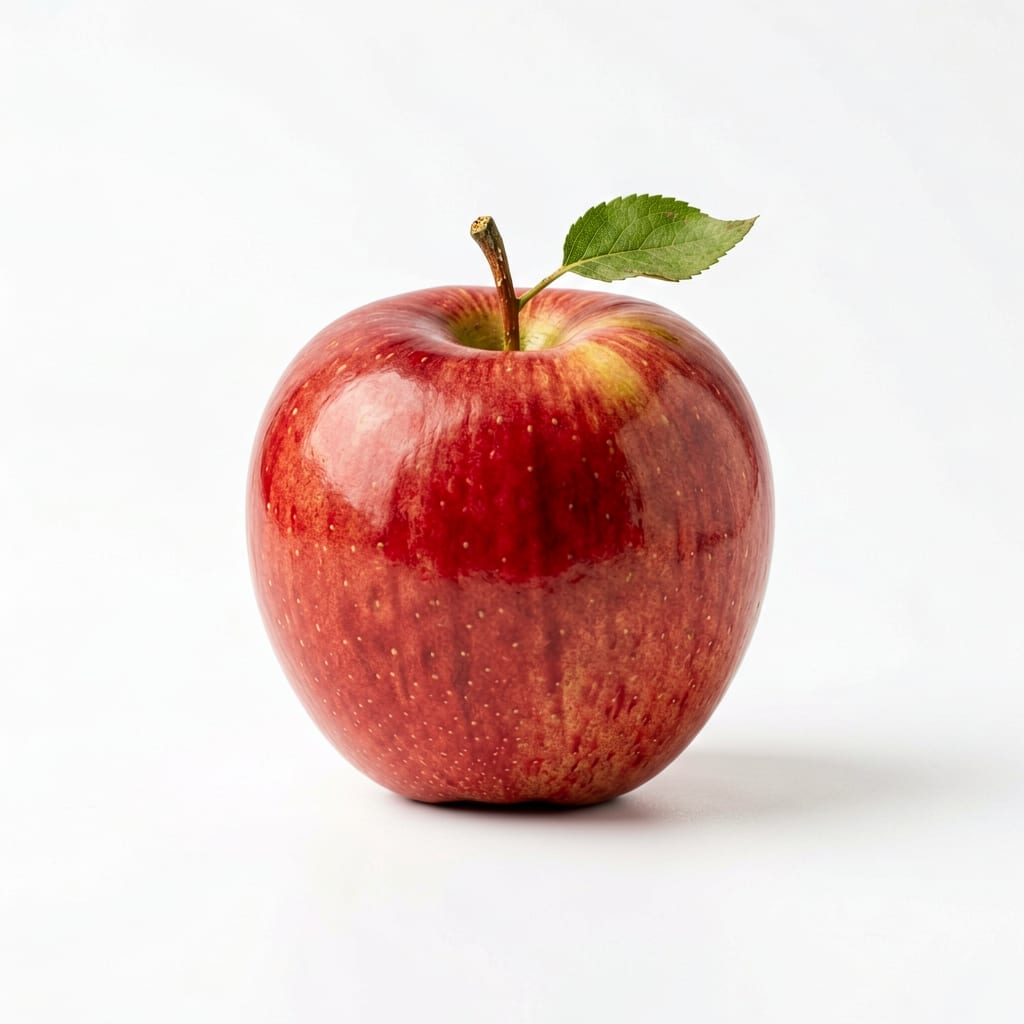
Apple
Redcurrants are a micronutrient powerhouse with far more vitamin C and less sugar, but apples win on satiety, convenience, and long-term eatability.
Apples edge ahead due to superior satiety, fiber content, and daily practicality. Redcurrants win on nutrient density and sugar control but lose ground on convenience and how realistic they are as a daily staple.
Nutrient density and low sugar versus fillingness and everyday practicality.
At a glance
Executive summary
Overall
It depends
Healthier
Redcurrant
More practical
Apple
Daily use
Apple
Key comparison lenses
antioxidant density vs everyday sustainability
Redcurrants deliver concentrated antioxidants in tiny servings while apples offer reliable daily nutrition that's easy to sustain
blood sugar and sugar load
Redcurrants have significantly less sugar per serving, making them relevant for glucose-conscious users
snack convenience and portability
Apples are one of the most portable fruits available; redcurrants are fragile and perishable
vitamin c and immune support
Redcurrants are dramatically higher in vitamin C, a key differentiator for immune-focused consumers
satiety and fullness
Apples are substantially more filling due to size and fiber content, affecting real-world eating behavior
Best choice for
Redcurrant
- People watching their sugar intake closely
- Anyone wanting a vitamin C boost
- Those seeking antioxidant variety beyond common fruits
- Low-calorie snackers who want intense flavor
Apple
- People who need a filling between-meal snack
- Busy individuals needing portable fruit
- Families wanting affordable everyday fruit
- Anyone prioritizing digestive regularity
Least suitable for
Redcurrant
- People who need quick convenient snacks on the go
- Those sensitive to tart or sour flavors
- Shoppers on a tight budget with limited produce access
Apple
- People strictly limiting carbohydrate or sugar intake
- Those wanting peak vitamin C per calorie
- Anyone bored with common fruits seeking novelty
Deep comparison
Dimension by dimension
Each lens scores both foods and breaks down who each option suits.
- Dimension 1 · Priority 92Redcurrant
Antioxidant Density
Redcurrant · 91Apple · 62Redcurrants pack significantly more antioxidants per gram, especially anthocyanins that give them their vivid red color.
Tradeoff
You get more antioxidant power from redcurrants, but apples still provide respectable quercetin and catechin levels that accumulate with regular consumption.
Why it matters
Higher antioxidant intake supports cellular defense against oxidative stress, which compounds over years of dietary patterns.
Real-world impact
A handful of redcurrants delivers more antioxidant punch than a whole apple, but most people eat apples far more consistently.
Redcurrant
- Short-term antioxidant boosts
- Adding variety to an already fruit-rich diet
Better for
- Those who only eat them occasionally get minimal long-term benefit
Worse for
Apple
- Consistent daily antioxidant intake through habit
- People who rarely eat berries or specialized fruits
Better for
- Relying solely on apples limits antioxidant diversity
Worse for
- Dimension 2 · Priority 85Redcurrant
Blood Sugar and Sugar Load
Redcurrant · 88Apple · 64Redcurrants contain roughly half the sugar of apples per serving, with a lower glycemic impact.
Tradeoff
Less sugar means steadier energy from redcurrants, but apples provide more sustained energy from their larger fiber and carbohydrate content.
Why it matters
For anyone monitoring glucose or managing cravings, sugar load directly affects energy stability and hunger patterns.
Real-world impact
Redcurrants won't give you that afternoon sugar crash. An apple might, but it also keeps you full longer.
Redcurrant
- People with insulin resistance or prediabetes
- Anyone trying to reduce total sugar intake
Better for
- Those who need caloric energy from their snacks
Worse for
Apple
- Active people needing sustained carbohydrate energy
- Athletes before or after exercise
Better for
- People sensitive to blood sugar spikes
Worse for
- Dimension 3 · Priority 80Apple
Satiety and Fullness
Redcurrant · 45Apple · 82A medium apple is substantially more filling than a serving of redcurrants due to its size, fiber density, and chewing time.
Tradeoff
Apples keep hunger at bay for longer, but redcurrants offer more nutrients per bite if you're eating light.
Why it matters
Satiety determines whether a snack actually holds you over or leaves you reaching for more food within an hour.
Real-world impact
An apple can replace a mid-afternoon snack. Redcurrants are more of a garnish or light addition than a standalone hunger solution.
Redcurrant
- Small appetites or light snackers
- Topping yogurt or oatmeal without heaviness
Better for
- Anyone needing a snack that actually fills them up
Worse for
Apple
- Replacing vending machine snacks at work
- Bridge between lunch and dinner
Better for
- People who prefer grazing lightly throughout the day
Worse for
- Dimension 4 · Priority 78Redcurrant
Vitamin C Content
Redcurrant · 94Apple · 42Redcurrants deliver roughly four times more vitamin C per serving than apples.
Tradeoff
Redcurrants are an excellent vitamin C source, but apples contribute modestly and most people get vitamin C from other sources anyway.
Why it matters
Vitamin C supports immune function, collagen synthesis, and iron absorption — all relevant during cold season or high stress.
Real-world impact
If you're relying on fruit for vitamin C, redcurrants are far more efficient. If you already eat citrus or bell peppers, the gap matters less.
Redcurrant
- Immune support during winter months
- Vegetarians enhancing iron absorption from plant meals
Better for
- People who already supplement vitamin C or eat lots of citrus
Worse for
Apple
- Situations where any vitamin C contribution is a bonus, not the goal
Better for
- Those counting on apples as a primary vitamin C source
Worse for
- Dimension 5 · Priority 77Apple
Convenience and Practicality
Redcurrant · 35Apple · 90Apples are one of the most portable, durable, and widely available fruits. Redcurrants are delicate, seasonal, and hard to find fresh.
Tradeoff
You can toss an apple in a bag and eat it hours later. Redcurrants need refrigeration and gentle handling.
Why it matters
The healthiest food only works if you actually eat it. Convenience often determines what reaches your mouth daily.
Real-world impact
Apples are a grab-and-go reality. Redcurrants require planning, access to specialty stores, or frozen alternatives.
Redcurrant
- Home cooks adding flair to meals and desserts
- Farmers market shoppers during summer
Better for
- People with limited access to fresh specialty produce
Worse for
Apple
- Commuters and office workers needing desk snacks
- Anyone shopping at standard grocery stores
Better for
- Those who find apples monotonous and stop eating fruit altogether
Worse for
- Dimension 6 · Priority 73Apple
Fiber Content
Redcurrant · 55Apple · 80A medium apple provides about 4.5g of fiber versus roughly 2-3g in a typical redcurrant serving.
Tradeoff
Apples give you more total fiber especially soluble pectin, but redcurrants offer decent fiber relative to their tiny caloric footprint.
Why it matters
Fiber drives digestive health, cholesterol management, and satiety — most people fall short of daily targets.
Real-world impact
Eating an apple moves you meaningfully toward your daily fiber goal. Redcurrants help but won't move the needle as much.
Redcurrant
- Low-calorie diets where every gram of fiber per calorie counts
Better for
- People needing significant fiber contributions from fruit
Worse for
Apple
- Improving digestive regularity
- Lowering cholesterol through soluble fiber intake
Better for
- Those already meeting fiber goals from other sources
Worse for
Timeline
Health impact over time
Short-term
Hours to days
Redcurrant
- Quick vitamin C boost supporting immune readiness
- Low sugar means no energy crash within an hour
- Tart flavor can stimulate digestion and appetite
Apple
- Noticeable fullness that reduces between-meal snacking
- Steady energy release from moderate sugar and fiber
- Chewing an apple can feel mentally satisfying and grounding
Long-term
Months to years
Redcurrant
- Consistent antioxidant variety may reduce oxidative damage over decades
- Lower cumulative sugar intake supports metabolic health
- Limited availability means most people won't eat them often enough for maximal long-term benefit
Apple
- Daily apple consumption is linked to lower cardiovascular risk in large population studies
- Pectin fiber supports gut microbiome diversity over time
- Consistent habitability means actual long-term adherence is high
Risk profile
Safety & processing
Both redcurrants and apples are whole, unprocessed fruits. Fresh versions of both are as natural as food gets. Frozen redcurrants are also minimally processed and retain most nutrients.
Redcurrant
Pesticide residue
mediumRedcurrants are small berries with high surface area, making them susceptible to pesticide retention. Washing helps but doesn't eliminate all residue. Organic options are preferable when available.
Apple
Pesticide residue
mediumApples consistently rank high on the EWG Dirty Dozen list for pesticide residue. Peeling reduces exposure but also removes fiber and nutrients. Organic apples are widely available and recommended.
Who wins for whom
Audience fit
Same foods, different winners depending on your goal.
children
AppleMost children enjoy apples readily. Redcurrants are often too tart for young palates and their small size can be a choking concern for toddlers.
daily consumption
AppleApples are affordable, available year-round, and easy to incorporate into any routine. Redcurrants are seasonal and less practical for daily habits.
diabetes
RedcurrantRedcurrants have significantly less sugar and a lower glycemic load per serving, making them gentler on blood glucose.
elderly
AppleApples are easier to find, chew, and digest regularly. Their fiber supports the digestive regularity that becomes more important with age.
muscle gain
AppleNeither fruit is a muscle-building food, but apples provide more carbohydrate energy around workouts and are easier to eat in larger quantities.
weight loss
RedcurrantRedcurrants deliver intense flavor and high nutrients at roughly 56 calories per 100g versus 52 for apples, but their tartness and low sugar make them less likely to trigger overeating.
Your move
Decision guide
Choose Redcurrant
- You want maximum vitamin C and antioxidants per calorie
- You're monitoring sugar intake or managing blood glucose
- You enjoy tart flavors and want fruit variety
- You have access to fresh or frozen redcurrants and want to elevate meals
Choose Apple
- You need a reliable filling snack that prevents overeating later
- Convenience and portability matter for your lifestyle
- You want a fruit you'll actually eat every single day
- You're focused on fiber and digestive health
Either works if
- You simply want more whole fruit in your diet
- You're looking for natural unprocessed snack options
- Both fit your calorie and sugar budget
Avoid both if
- You have a severe fructose intolerance or malabsorption
- You're on a strict very-low-carb ketogenic protocol
- You need protein-dense snacks and fruit won't serve that need
Final recommendation
Eat both. Apples are your daily workhorse fruit — reliable, filling, and easy. Redcurrants are your strategic booster — add them when available for vitamin C, antioxidants, and flavor excitement. If forced to pick one for long-term health, apples win because consistency beats intensity. But a diet that includes both is better than either alone.
Practical
Consumer tips
- 1
Buy frozen redcurrants when fresh aren't available — they retain most nutrients and work well in smoothies and oatmeal
- 2
Choose organic apples when possible since they top pesticide residue lists year after year
- 3
Pair redcurrants with a fat source like yogurt or nuts to slow sugar absorption and increase satiety
- 4
Don't peel apples — most fiber and antioxidants are in or near the skin
- 5
Mix redcurrants into apple dishes for a tartness boost that reduces the need for added sugar