
Nutrition comparison
Redcurrant vs Pomegranate Seeds: Which Is Healthier?
Compare redcurrant and pomegranate seeds on antioxidants, sugar, anti-inflammatory benefits, and more. Find out which tart fruit is better for your health goals.
Overall winner · Pomegranate Seeds
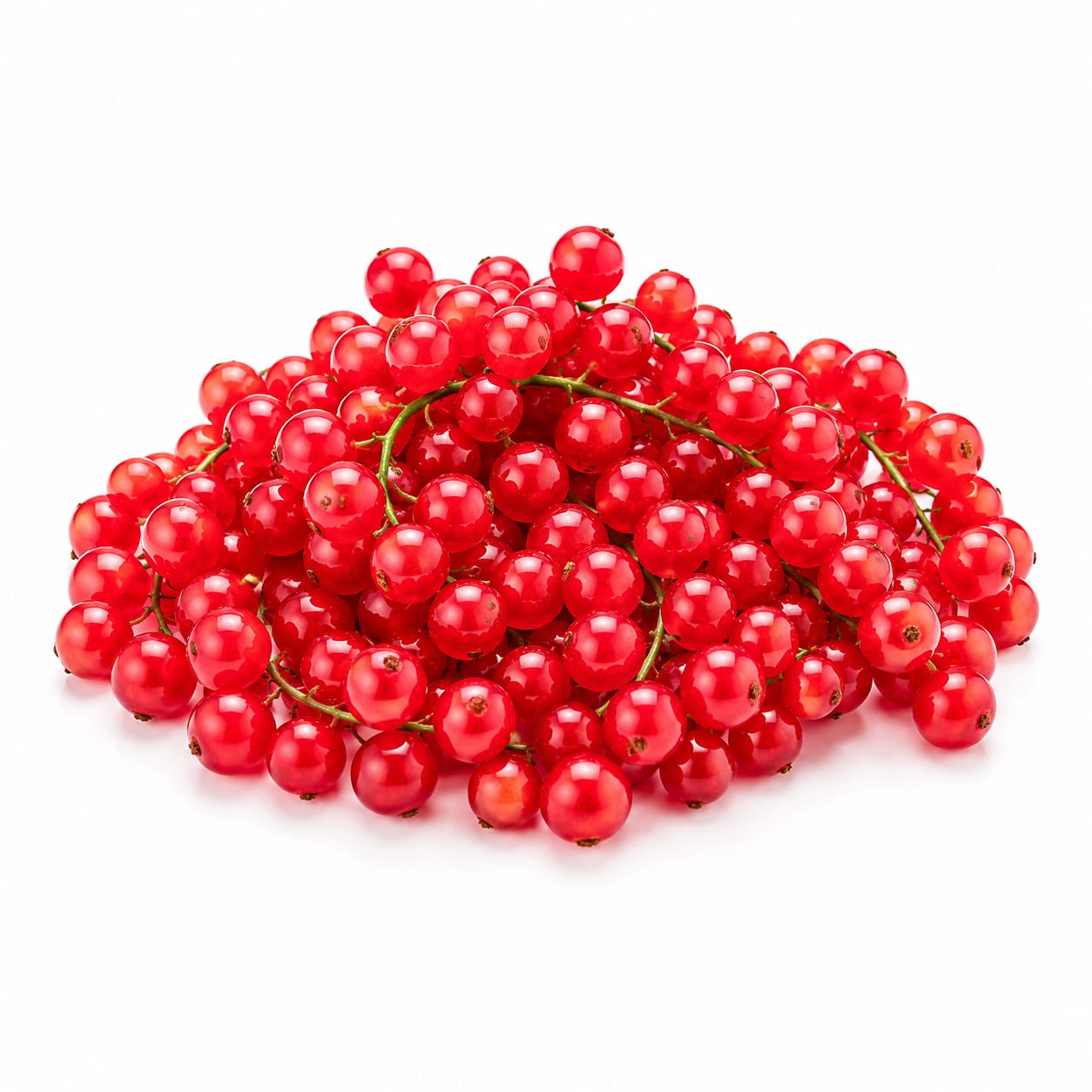
Redcurrant
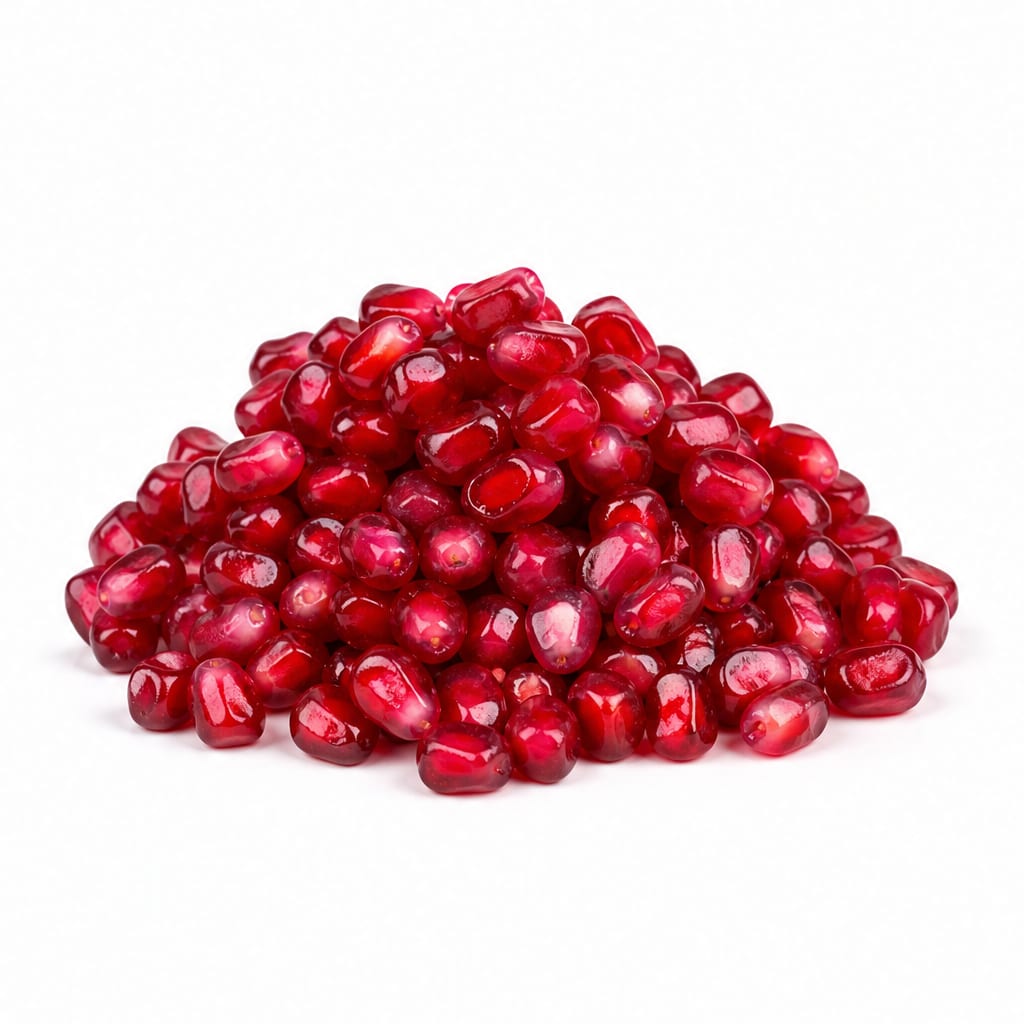
Pomegranate Seeds
Pomegranate seeds deliver more antioxidants, stronger anti-inflammatory effects, and better satiety, but redcurrants win on sugar control and vitamin C density.
Pomegranate seeds score higher due to superior antioxidant capacity, stronger evidence for health benefits, and better satiety. Redcurrants remain excellent for low-sugar diets and vitamin C, but their limited availability and less robust research push them lower.
You get deeper health benefits and a more satisfying snack from pomegranate seeds, but redcurrants are the lighter, lower-sugar option that will not spike blood sugar.
At a glance
Executive summary
Overall
Pomegranate Seeds
Healthier
Pomegranate Seeds
More practical
It depends
Daily use
Pomegranate Seeds
Key comparison lenses
antioxidant potency
Both foods are prized for their antioxidant density, but pomegranate seeds contain punicalagins which are among the most powerful fruit antioxidants studied
anti inflammatory benefits
Pomegranate seeds have extensive clinical evidence for reducing inflammation markers, while redcurrants have less research backing
sugar and glycemic impact
Redcurrants are notably lower in sugar, making this a key differentiator for blood sugar conscious users
everyday practicality
Pomegranate seeds require extraction effort and stain easily, while redcurrants are eaten whole but harder to find fresh
satiety and snack satisfaction
Pomegranate seeds are more filling per serving due to higher volume and fiber, while redcurrants are lighter and less satisfying alone
Best choice for
Redcurrant
- People monitoring blood sugar closely
- Anyone counting calories or carbs strictly
- Vitamin C seekers wanting a tart boost
- Those who prefer low-sugar fruit snacks
Pomegranate Seeds
- People prioritizing anti-inflammatory eating
- Anyone wanting a more filling fruit snack
- Those seeking maximum antioxidant impact
- Post-workout recovery snackers
Least suitable for
Redcurrant
- People who find very tart fruit unpleasant
- Anyone wanting a substantial, satisfying snack
- Those looking for well-studied anti-inflammatory foods
Pomegranate Seeds
- People strictly limiting sugar intake
- Anyone who finds seed textures annoying
- Those wanting a quick grab-and-go fruit
Deep comparison
Dimension by dimension
Each lens scores both foods and breaks down who each option suits.
- Dimension 1 · Priority 92Pomegranate Seeds
antioxidant_power
Redcurrant · 70Pomegranate Seeds · 95Pomegranate seeds are antioxidant powerhouses with punicalagins that outperform most other fruit antioxidants in lab studies.
Tradeoff
Redcurrants still offer solid anthocyanin content, but the depth and clinical evidence behind pomegranate antioxidants is in a different league.
Why it matters
Stronger antioxidant intake translates to better cellular protection and potentially slower aging over time.
Real-world impact
Eating pomegranate seeds regularly is one of the most evidence-backed ways to boost your antioxidant intake from fruit.
Redcurrant
- Adding tart antioxidant variety to your diet
Better for
- Less clinical evidence for specific health outcomes
Worse for
Pomegranate Seeds
- Maximum antioxidant impact per serving
- Reducing oxidative stress from intense exercise
Better for
- Higher sugar somewhat offsets the antioxidant advantage if overconsumed
Worse for
- Dimension 2 · Priority 85Redcurrant
sugar_and_blood_sugar_impact
Redcurrant · 88Pomegranate Seeds · 62Redcurrants contain roughly half the sugar of pomegranate seeds per serving, making them far gentler on blood sugar.
Tradeoff
Pomegranate seeds taste sweeter and more satisfying, but that comes with a noticeably higher sugar load.
Why it matters
For anyone managing diabetes, insulin resistance, or low-carb goals, this difference is significant.
Real-world impact
A bowl of redcurrants will not cause the energy dip that a similar portion of pomegranate seeds might trigger in sugar-sensitive people.
Redcurrant
- Steadier energy after eating
- Safer choice for diabetics
- Easier to fit into low-carb eating
Better for
- May feel too tart to eat without sweetening
Worse for
Pomegranate Seeds
- More rewarding sweetness without turning to junk food
Better for
- Can spike blood sugar more than expected for a fruit
Worse for
- Dimension 3 · Priority 88Pomegranate Seeds
anti_inflammatory_effect
Redcurrant · 60Pomegranate Seeds · 93Pomegranate seeds have some of the strongest clinical evidence among fruits for reducing inflammation markers.
Tradeoff
Redcurrants likely help with inflammation too, but the research depth is nowhere near what pomegranate has accumulated.
Why it matters
Chronic inflammation drives heart disease, joint pain, and aging. Food choices that actively reduce it matter long-term.
Real-world impact
Regular pomegranate consumption has been linked to measurable drops in CRP and other inflammation markers in multiple studies.
Redcurrant
- Adding variety to an anti-inflammatory diet
Better for
- Cannot match the evidence base pomegranate has
Worse for
Pomegranate Seeds
- Targeted inflammation reduction
- Joint health support
- Cardiovascular protection
Better for
- Benefits require consistent intake, not occasional snacking
Worse for
- Dimension 4 · Priority 75Pomegranate Seeds
satiety_and_snack_satisfaction
Redcurrant · 55Pomegranate Seeds · 80Pomegranate seeds are more filling due to their volume, fiber, and satisfying chew, while redcurrants feel light and insubstantial.
Tradeoff
Redcurrants are a lighter snack if you want something minimal, but they will not hold you over between meals.
Why it matters
A snack that actually satisfies prevents overeating later, which matters more than raw calorie counts.
Real-world impact
A half cup of pomegranate seeds can bridge you between lunch and dinner. Redcurrants alone likely will not.
Redcurrant
- When you want a light palate cleanser after a meal
Better for
- Likely to leave you reaching for more food soon after
Worse for
Pomegranate Seeds
- Afterschool or afternoon hunger gaps
- Post-workout fruit that actually fills you up
Better for
- Higher calorie intake if you eat large portions mindlessly
Worse for
- Dimension 5 · Priority 72Redcurrant
vitamin_and_mineral_density
Redcurrant · 82Pomegranate Seeds · 75Redcurrants pack more vitamin C per calorie, while pomegranate seeds offer more vitamin K and folate.
Tradeoff
If immune support is your priority, redcurrants edge ahead. For blood health and cell repair, pomegranate seeds have the edge.
Why it matters
Vitamin C supports immunity and iron absorption, while vitamin K and folate support blood clotting and cell division.
Real-world impact
Redcurrants can meaningfully boost your vitamin C intake in a small serving, especially during cold season.
Redcurrant
- Immune system support
- Iron absorption enhancement when eaten with iron-rich foods
Better for
- Less diverse mineral profile overall
Worse for
Pomegranate Seeds
- Pregnancy nutrition due to folate content
- Bone health support from vitamin K
Better for
- Lower vitamin C concentration per calorie
Worse for
- Dimension 6 · Priority 70It depends
convenience_and_accessibility
Redcurrant · 55Pomegranate Seeds · 60Both have real convenience drawbacks. Redcurrants are hard to find fresh outside Europe, while pomegranate seeds require messy extraction.
Tradeoff
Pre-packaged pomegranate seeds solve the mess problem but cost more. Redcurrants are rarely available pre-packaged.
Why it matters
A food you cannot easily buy or prepare will not become a regular habit, no matter how healthy it is.
Real-world impact
Most people will find pomegranate seeds in stores year-round, even if extracting them is annoying. Redcurrants may simply be unavailable depending on where you live.
Redcurrant
- No prep needed when you can find them fresh
Better for
- Very limited availability outside specialty markets
- Extremely short fresh season
Worse for
Pomegranate Seeds
- Widely available in most grocery stores
- Pre-extracted options exist for convenience
Better for
- Extraction is time-consuming and stains fingers and clothes
- Pre-packaged versions are expensive
Worse for
Timeline
Health impact over time
Short-term
Hours to days
Redcurrant
- Quick vitamin C boost supporting immune function
- Very low sugar impact means no energy crash
- Tartness can stimulate digestion and appetite
Pomegranate Seeds
- Noticeable satiety from fiber and volume
- Mild blood sugar rise from natural sugars
- Hydrating due to high water content in arils
Long-term
Months to years
Redcurrant
- Consistent low-sugar fruit intake supports insulin sensitivity
- Anthocyanin intake may protect blood vessel health
- Limited research means long-term benefits are plausible but less proven
Pomegranate Seeds
- Strong evidence for reduced cardiovascular inflammation markers
- Regular consumption linked to improved arterial health
- Potential protective effects against certain cancers in observational studies
Risk profile
Safety & processing
Both foods are whole, unprocessed fruits with no additives when purchased fresh. Pre-packaged pomegranate seeds may have slight quality loss but remain minimally processed.
Redcurrant
Pesticide residue on skins
mediumRedcurrants are small berries with high surface area, making thorough washing difficult. Organic options reduce this concern significantly.
Mold and spoilage
mediumLike all delicate berries, redcurrants spoil quickly. Inspect carefully and consume within days of purchase.
Pomegranate Seeds
Pesticide residue on outer peel
lowThe thick pomegranate peel protects the edible seeds from most pesticide exposure, making this a lower concern than with berries.
Foodborne illness from improper handling
lowPre-extracted pomegranate seeds have been linked to occasional recalls. Wash the whole fruit before cutting to minimize risk.
Choking hazard for young children
mediumThe small hard seeds inside arils can pose a choking risk for children under 4. Mash or strain before serving to toddlers.
Who wins for whom
Audience fit
Same foods, different winners depending on your goal.
children
Pomegranate SeedsChildren generally prefer the sweeter taste and fun texture of pomegranate seeds, though toddlers should not eat whole arils due to choking risk.
daily consumption
Pomegranate SeedsPomegranate seeds are easier to find year-round, more satisfying as a daily snack, and have a deeper evidence base for long-term health benefits with regular intake.
diabetes
RedcurrantSignificantly lower sugar content and gentler blood sugar impact make redcurrants the safer choice for glucose management.
elderly
Pomegranate SeedsPomegranate seeds offer stronger anti-inflammatory and cardiovascular benefits that are especially valuable for older adults, plus the folate and vitamin K support bone and blood health.
muscle gain
Pomegranate SeedsNeither fruit is a protein source, but pomegranate seeds offer more calories and carbohydrates to support training energy and recovery, plus anti-inflammatory benefits that aid muscle repair.
weight loss
RedcurrantRedcurrants deliver strong flavor and vitamin C at roughly half the calories and sugar of pomegranate seeds per serving, making them easier to fit into a calorie deficit.
Your move
Decision guide
Choose Redcurrant
- You are closely monitoring blood sugar or following a low-carb diet
- You want maximum vitamin C with minimal calories
- You enjoy tart, refreshing flavors over sweet ones
- You can find fresh redcurrants locally and want a seasonal treat
Choose Pomegranate Seeds
- Anti-inflammatory eating is a priority for you
- You want a fruit snack that actually keeps you full
- You are focused on heart and cardiovascular health
- You prefer sweeter fruit and find very tart flavors unpleasant
Either works if
- You want antioxidant variety in your diet and can rotate both
- You are looking for whole-food alternatives to processed snacks
- You enjoy both flavors and want to mix them in salads or yogurt
Avoid both if
- You have a severe fructose intolerance or malabsorption issue
- You are on an extremely strict very-low-carb ketogenic protocol
Final recommendation
Pomegranate seeds are the stronger overall choice for most people due to their unmatched antioxidant profile, proven anti-inflammatory benefits, and better satiety. However, if blood sugar control is your top concern, redcurrants are the smarter pick. The ideal approach for most people is to enjoy pomegranate seeds as a regular staple and add redcurrants when available for vitamin C variety and lower-sugar days.
Practical
Consumer tips
- 1
Buy whole pomegranates and extract seeds under water in a bowl to prevent staining and mess
- 2
Freeze pomegranate seeds in a single layer on a baking sheet, then transfer to a bag for months of use
- 3
If redcurrants are unavailable fresh, check the frozen section of European or specialty grocers
- 4
Add redcurrants to oatmeal or yogurt where their tartness balances sweeter ingredients naturally
- 5
Mix both fruits together in a salad for a layered sweet-tart flavor with complementary antioxidants
- 6
Wash redcurrants gently right before eating, not before storing, to prevent premature spoilage
- 7
Choose organic redcurrants when possible due to pesticide residue concerns on small berries