
Nutrition comparison
Redcurrant vs Cranberry: Nutrition, UTI Prevention, and Sugar Compared
Redcurrant vs Cranberry: Which tart berry is healthier? Compare vitamin C, UTI benefits, sugar content, and the best ways to eat them.
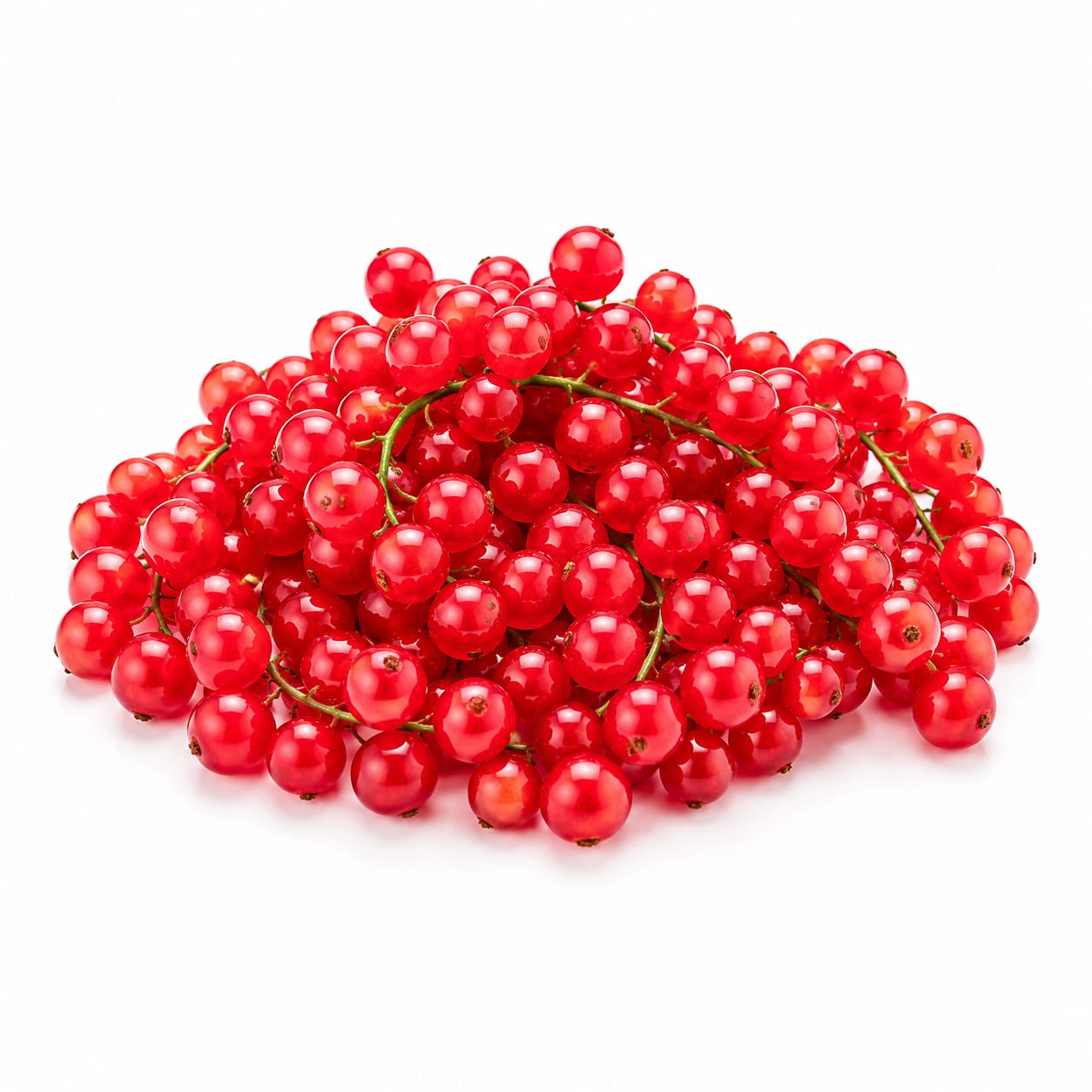
Redcurrant
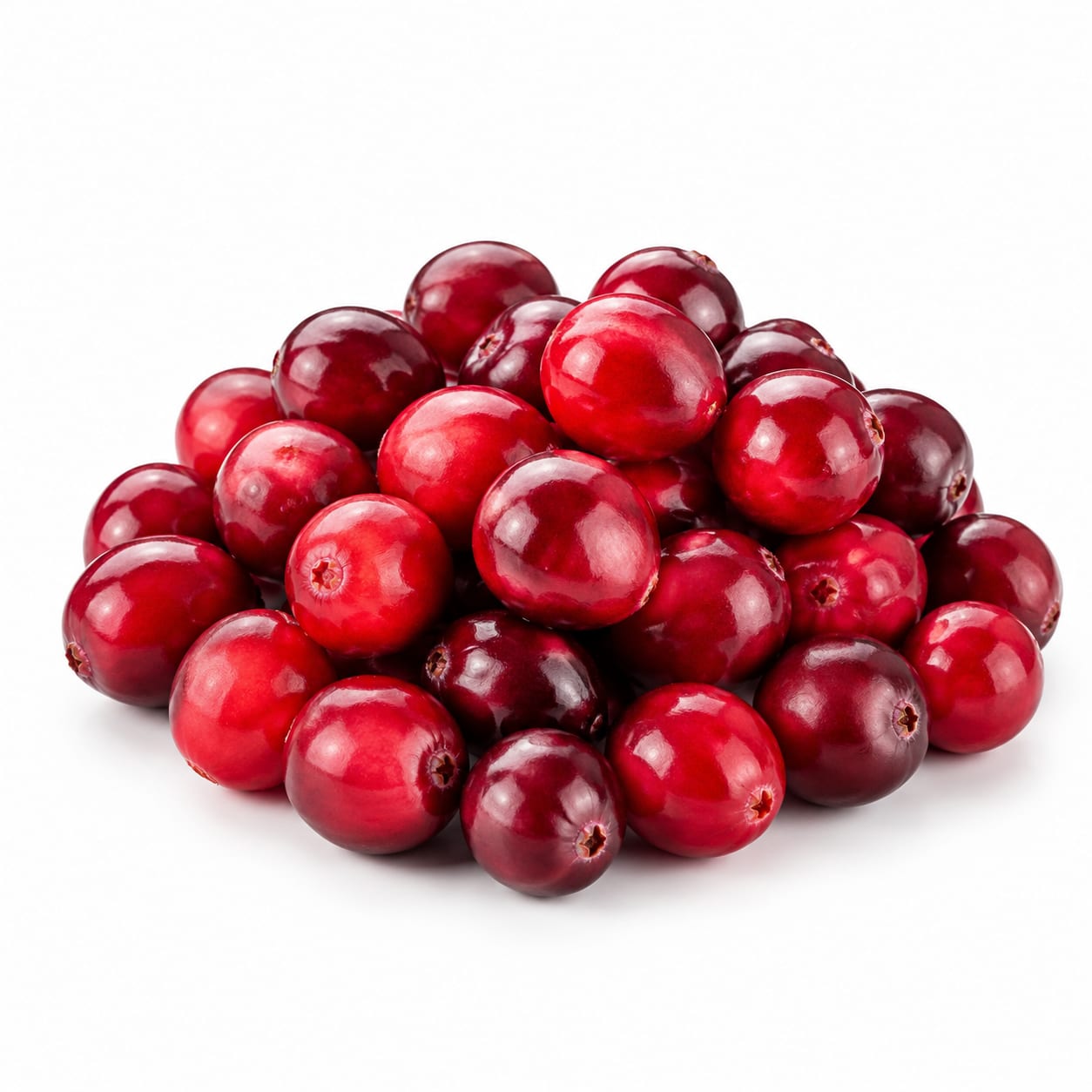
Cranberry
Redcurrant wins for fresh eating and vitamin C, while cranberry is the go-to for urinary tract health but often requires added sugar to be palatable.
Redcurrant scores slightly higher due to its versatility as a fresh, unsweetened fruit with high vitamin C, while cranberry's raw form is rarely eaten without sugar, diminishing its practical nutritional profile.
Raw cranberries are too tart to eat without sweetening, pushing you toward added sugars, whereas redcurrants are enjoyable fresh with a superior vitamin C hit.
At a glance
Executive summary
Overall
It depends
Healthier
Redcurrant
More practical
Redcurrant
Daily use
Redcurrant
Key comparison lenses
Urinary tract health and UTI prevention
Cranberries are uniquely famous for preventing UTIs, which is the primary reason most people seek them out compared to other berries.
Sugar intake and processing reality
Raw cranberries are overwhelmingly tart and rarely eaten without added sugar, which completely changes their metabolic impact compared to fresh redcurrants.
Vitamin C and immune support
Redcurrants offer a significantly higher vitamin C payload, making them a stronger choice for everyday immune defense.
Fresh snacking palatability
Redcurrants are enjoyable raw as a snack or garnish, while cranberries are nearly inedible raw without sweetening.
Best choice for
Redcurrant
- Boosting vitamin C naturally
- Fresh snacking without added sugar
- Garnishing salads and desserts
Cranberry
- Preventing recurrent UTIs
- Making holiday sauces and relishes
- Adding tartness to baked goods
Least suitable for
Redcurrant
- Targeted UTI prevention
- People who dislike tart flavors
Cranberry
- Low-sugar diets (if consuming dried/juiced forms)
- Fresh snacking (too astringent raw)
Deep comparison
Dimension by dimension
Each lens scores both foods and breaks down who each option suits.
- Dimension 1 · Priority 95Cranberry
Urinary Tract Health
Redcurrant · 30Cranberry · 95Cranberries contain unique A-type proanthocyanidins that prevent bacteria from adhering to the urinary tract walls, a benefit redcurrants lack.
Tradeoff
You get targeted UTI defense with cranberries, but redcurrants offer no specific urinary benefit.
Why it matters
For anyone prone to UTIs, cranberry is a proven, non-antibiotic preventative strategy.
Real-world impact
Drinking unsweetened cranberry extract or eating the whole fruit can meaningfully reduce UTI recurrence.
Redcurrant
- UTI prevention
Worse for
Cranberry
- Recurrent UTI sufferers
- Women prone to bladder infections
Better for
- Dimension 2 · Priority 85Redcurrant
Vitamin C & Immune Support
Redcurrant · 85Cranberry · 40Redcurrants deliver over three times the vitamin C of cranberries, making them a stronger ally for immune function and collagen synthesis.
Tradeoff
Redcurrants give you a serious vitamin C boost per serving, whereas cranberries are relatively low in this vitamin.
Why it matters
Vitamin C is crucial for fighting off colds and maintaining skin integrity.
Real-world impact
A handful of fresh redcurrants covers a significant chunk of your daily vitamin C needs without a supplement.
Redcurrant
- Immune support
- Skin health
- Iron absorption
Better for
Cranberry
- High vitamin C needs
Worse for
- Dimension 3 · Priority 90Redcurrant
Sugar & Metabolic Reality
Redcurrant · 80Cranberry · 45Raw redcurrants are palatable on their own with moderate natural sugar, while raw cranberries are so tart they are almost always consumed with added sugars.
Tradeoff
Choosing cranberry often means accepting added sugars (in juice or dried forms), whereas redcurrants can be enjoyed sugar-free.
Why it matters
The way a food is typically eaten matters more than its raw nutritional profile.
Real-world impact
That 'healthy' cranberry juice or dried cranberry snack often packs more added sugar than a soda.
Redcurrant
- Low-sugar diets
- Diabetics seeking fresh fruit
Better for
Cranberry
- Blood sugar management
- Weight loss (if eating sweetened forms)
Worse for
- Dimension 4 · Priority 80It depends
Antioxidant Profile
Redcurrant · 75Cranberry · 80Cranberries are rich in proanthocyanidins and anthocyanins, while redcurrants offer anthocyanins and high vitamin C. Both are strong, but in different ways.
Tradeoff
Cranberries offer deeper defense against specific infections, while redcurrants provide broader oxidative stress protection via vitamin C.
Why it matters
Different antioxidants support different body systems.
Real-world impact
Mixing both gives you a wider net of protection against cellular damage and inflammation.
Redcurrant
- General oxidative stress
- Vitamin C synergy
Better for
- Targeted anti-adhesion benefits
Worse for
Cranberry
- Specific bacterial anti-adhesion
- Deep purple/red pigment benefits
Better for
- Vitamin C dependent pathways
Worse for
Timeline
Health impact over time
Short-term
Hours to days
Redcurrant
- Quick vitamin C energy lift
- Refreshing, tart hydration
Cranberry
- Extreme tartness if eaten raw
- Potential stomach upset from astringency if eaten in large quantities unsweetened
Long-term
Months to years
Redcurrant
- Better skin health from consistent vitamin C intake
- Stronger immune resilience
Cranberry
- Reduced UTI recurrence
- Potential increased sugar intake if relying on processed cranberry products
Risk profile
Safety & processing
While both are natural berries in their raw state, cranberry products are frequently ultra-processed with added sugars and juices to mask their extreme tartness.
Redcurrant
Pesticide residue
mediumBerries are typically high on the EWG's Dirty Dozen list; wash thoroughly or buy organic.
Cranberry
Added sugars in processed forms
highCranberry juice cocktails and sweetened dried cranberries can contribute significantly to daily added sugar limits.
Kidney stones
lowHigh doses of cranberry extract may increase oxalate levels, posing a slight risk for those prone to calcium oxalate kidney stones.
Who wins for whom
Audience fit
Same foods, different winners depending on your goal.
children
RedcurrantKids are more likely to enjoy the sweeter, fresher taste of redcurrants over the mouth-puckering tartness of raw cranberries.
daily consumption
RedcurrantRedcurrants are more versatile as a daily fresh fruit addition without the sugar trap of common cranberry products.
diabetes
RedcurrantRedcurrants can be enjoyed fresh without spiking blood sugar, whereas cranberries usually require sweeteners to be palatable.
elderly
CranberryThe UTI prevention benefits of cranberries are particularly valuable for older adults, who face higher risks of urinary infections.
muscle gain
It dependsNeither berry is a significant protein source; both are irrelevant for direct muscle gain.
weight loss
RedcurrantRedcurrants are easier to eat without added sugar, keeping calorie and sugar intake lower compared to typical cranberry snacks.
Your move
Decision guide
Choose Redcurrant
- You want a fresh, snackable berry
- You need a natural vitamin C boost
- You are watching your added sugar intake
Choose Cranberry
- You struggle with recurrent UTIs
- You are making a holiday sauce or relish
- You want targeted anti-adhesion antioxidants
Either works if
- You want to boost general antioxidant intake
- You are looking for low-calorie flavor enhancers for water or oatmeal
Avoid both if
- You have a severe salicylate sensitivity
- You are on a very strict low-fiber diet
Final recommendation
Choose redcurrants for a fresh, vitamin C-rich snack you can actually eat raw, but keep cranberries (in unsweetened extract or modestly sweetened forms) on hand if UTI prevention is a priority.
Practical
Consumer tips
- 1
If buying cranberry juice for UTIs, look for 100% pure, unsweetened juice—not juice cocktails which are mostly apple juice and sugar.
- 2
Frozen redcurrants and cranberries retain their antioxidant power and are often more practical than fresh.
- 3
Sweeten homemade cranberry sauce with a touch of maple syrup or stevia instead of refined white sugar.
- 4
Add a handful of fresh redcurrants to your morning yogurt for a satisfying tart crunch without the sugar crash.