
Nutrition comparison
Redcurrant vs Raspberry: Which Berry Is Healthier for Daily Eating?
Compare redcurrants and raspberries on fiber, vitamin C, antioxidants, and flavor. Find out which berry is better for weight loss, snacking, and daily nutrition.
Overall winner · Raspberry
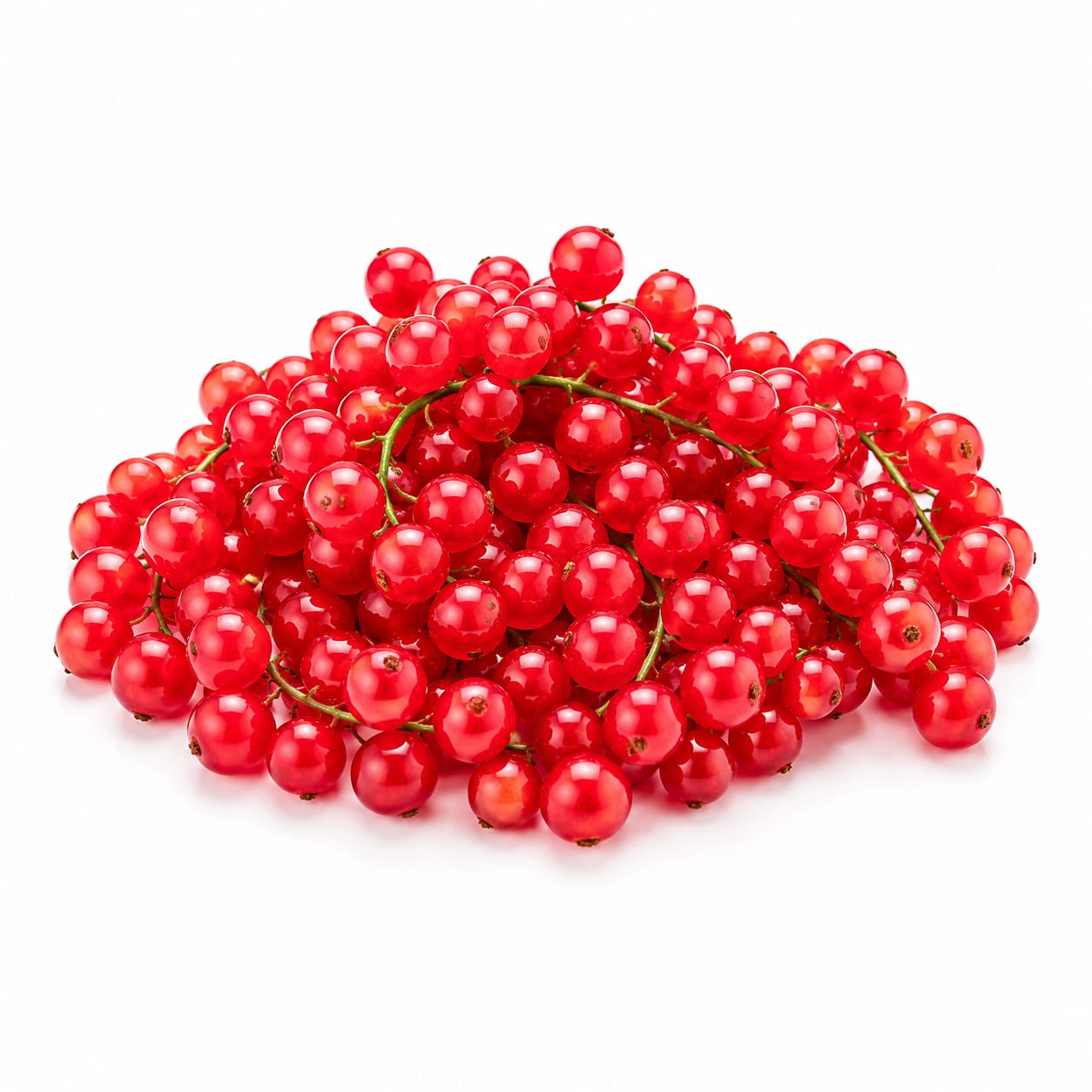
Redcurrant
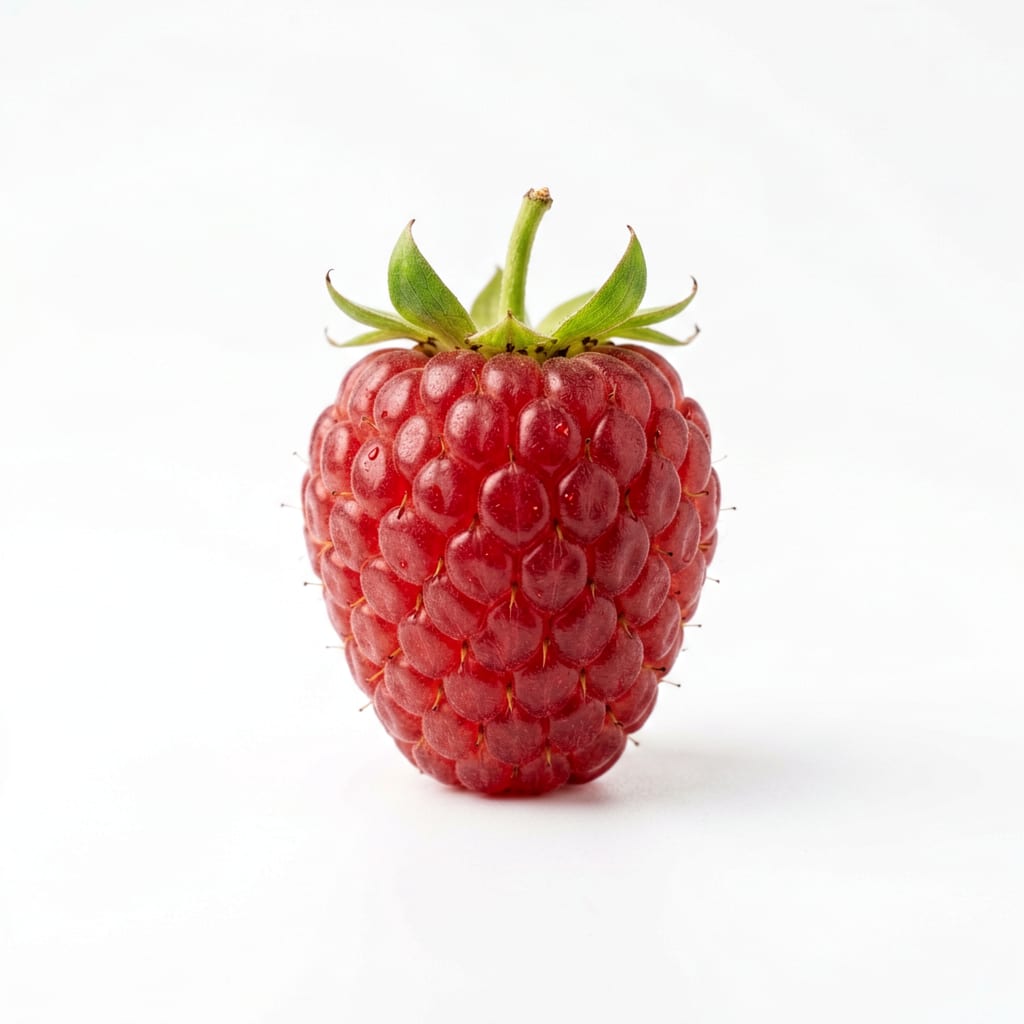
Raspberry
Raspberries win for everyday eating thanks to superior fiber, broader availability, and milder flavor that fits more meals. Redcurrants shine when you want a vitamin C punch or tart culinary accent.
Raspberries score higher primarily due to fiber content, wider culinary versatility, and easier daily consumption. Redcurrants remain nutritionally strong but their extreme tartness reduces practical eating volume, which limits real-world nutrient intake.
Raspberries give you more fiber and easier snacking; redcurrants deliver more vitamin C per bite but their intense tartness limits how much you actually eat.
At a glance
Executive summary
Overall
Raspberry
Healthier
Raspberry
More practical
Raspberry
Daily use
Raspberry
Key comparison lenses
antioxidant and vitamin comparison
Both berries are prized for their antioxidant content, so users want to know which delivers more protective compounds
daily snacking choice
These are common snack berries and people want to know which is better for everyday eating
fiber and digestive benefits
Fiber content differs significantly between these berries, impacting satiety and gut health
flavor and culinary versatility
Redcurrants are notably tart while raspberries are sweeter and more versatile, affecting real-world use
low calorie diet optimization
Both are low-calorie options popular in weight management, so marginal differences matter
Best choice for
Redcurrant
- Vitamin C maximization
- Tart flavor lovers
- Culinary garnishing and jelly-making
- Adding bright acidity to dishes
Raspberry
- Daily snacking without fatigue
- Fiber and gut health prioritization
- Weight loss satiety
- Versatile breakfast and dessert use
Least suitable for
Redcurrant
- People sensitive to very tart flavors
- Those wanting large portion snacking
- Recipes needing mild sweetness
Raspberry
- Situations requiring intense tart flavor
- Traditional European jelly recipes
- Decorative garnishing where small berries shine
Deep comparison
Dimension by dimension
Each lens scores both foods and breaks down who each option suits.
- Dimension 1 · Priority 92Raspberry
fiber_and_satiety
Redcurrant · 45Raspberry · 90Raspberries deliver roughly double the fiber per serving, making them significantly more filling and gut-friendly.
Tradeoff
Redcurrants are lighter on the stomach if you prefer less bulk, but you sacrifice the fullness and digestive benefits that fiber provides.
Why it matters
Fiber keeps you satisfied longer and stabilizes blood sugar. One cup of raspberries provides about 8g fiber versus 4-5g in redcurrants.
Real-world impact
A raspberry snack at 3pm will likely hold you until dinner. Redcurrants may leave you reaching for something else within an hour.
Redcurrant
- Light snacking before a heavy meal
Better for
- Sustained energy between meals
Worse for
Raspberry
- Between-meal hunger control
- Gut health and regularity
- Blood sugar stabilization
Better for
- Very light eaters who find high-fiber fruit uncomfortable
Worse for
- Dimension 2 · Priority 88Redcurrant
vitamin_c_and_antioxidants
Redcurrant · 88Raspberry · 72Redcurrants pack more vitamin C per gram, giving them an edge for immune support and skin health.
Tradeoff
You get more vitamin C from redcurrants, but raspberries offer a broader mix of antioxidants including ellagic acid, which redcurrants lack in meaningful amounts.
Why it matters
Vitamin C supports immunity and collagen production. Ellagic acid in raspberries has been linked to anti-inflammatory and potential anti-cancer properties.
Real-world impact
If you feel a cold coming on, redcurrants give a sharper vitamin C hit. For long-term anti-inflammatory benefits, raspberries are the more complete package.
Redcurrant
- Quick immune system support
- Skin health and collagen
- Short-term antioxidant boosts
Better for
- Broad-spectrum antioxidant intake
Worse for
Raspberry
- Chronic inflammation management
- Long-term cellular protection
- Diverse antioxidant coverage
Better for
- Maximizing single-nutrient vitamin C intake
Worse for
- Dimension 3 · Priority 75Redcurrant
calorie_efficiency
Redcurrant · 82Raspberry · 74Redcurrants are slightly lower in calories per cup, but the difference is modest at roughly 10-15 calories.
Tradeoff
Redcurrants save a few calories but deliver less fiber, so the satiety-per-calorie is actually better with raspberries.
Why it matters
Raw calorie numbers favor redcurrants slightly, but calories that keep you full are worth more than calories that leave you hungry.
Real-world impact
Eating 100 calories of raspberries will keep you fuller longer than 100 calories of redcurrants, making raspberries the smarter choice for weight management despite slightly higher calorie density.
Redcurrant
- Strict calorie counting approaches
Better for
- Feeling satisfied on fewer calories
Worse for
Raspberry
- Satiety-driven weight management
- Reducing overall daily food intake naturally
Better for
- Very low-calorie diet phases
Worse for
- Dimension 4 · Priority 82Raspberry
flavor_and_eating_enjoyment
Redcurrant · 55Raspberry · 85Raspberries offer a balanced sweet-tart profile most people enjoy eating by the handful. Redcurrants are sharply tart, which limits casual snacking.
Tradeoff
Redcurrants provide a unique culinary brightness that raspberries cannot replicate, but most people cannot eat large quantities of them plain.
Why it matters
The best healthy food is one you actually want to eat regularly. Extreme tartness can make redcurrants feel like a chore rather than a pleasure.
Real-world impact
You will likely eat raspberries three times a week without thinking about it. Redcurrants may sit in the fridge because eating them plain is intense.
Redcurrant
- Adventurous palates who love sour flavors
- Culinary applications needing sharp acidity
- Garnishing and visual appeal
Better for
- Enjoyable out-of-hand snacking for most people
Worse for
Raspberry
- Casual snacking and breakfast topping
- Children and picky eaters
- Smoothies and yogurt mixing
Better for
- Providing distinctive tart complexity in recipes
Worse for
- Dimension 5 · Priority 70Raspberry
availability_and_practicality
Redcurrant · 40Raspberry · 88Raspberries are available year-round in most grocery stores. Redcurrants are seasonal and harder to find fresh outside specialty markets.
Tradeoff
Redcurrants can feel special and unique when you find them, but their scarcity makes consistent daily consumption unrealistic for most people.
Why it matters
A superfood only works if you can actually buy it. Raspberries are reliable; redcurrants require effort and timing.
Real-world impact
You can build a daily raspberry habit easily. Redcurrants are more of a seasonal treat you enjoy a few times a year.
Redcurrant
- Farmers market enthusiasts
- European-style cooking and baking
- Special occasion dishes
Better for
- Reliable daily nutrition routines
Worse for
Raspberry
- Consistent weekly meal prep
- Anywhere-you-live accessibility
- Frozen storage for year-round use
Better for
- Creating unique or traditional European dishes
Worse for
Timeline
Health impact over time
Short-term
Hours to days
Redcurrant
- Sharp vitamin C boost supporting immediate immune function
- Tartness may curb appetite quickly through sensory intensity
- Moderate blood sugar impact due to lower fiber content
Raspberry
- Noticeable fullness from high fiber within 30 minutes
- Steadier blood sugar response after eating
- Mild anti-inflammatory effect from ellagic acid compounds
Long-term
Months to years
Redcurrant
- Consistent vitamin C intake supports skin elasticity and wound healing
- Lower fiber intake may mean less digestive regularity compared to raspberries
- Potassium and iron contributions support cardiovascular health over time
Raspberry
- High fiber intake reduces risk of constipation and supports gut microbiome diversity
- Ellagic acid and anthocyanins may lower chronic inflammation markers
- Manganese content supports bone health and metabolic function long-term
Risk profile
Safety & processing
Both redcurrants and raspberries are whole, minimally processed fruits when purchased fresh or frozen. Neither carries meaningful additive concerns in their natural form.
Redcurrant
Pesticide residue
mediumRedcurrants are small berries with high surface area, making thorough washing difficult. Conventional growing may leave residues. Choose organic when possible.
Mold and spoilage
mediumLike all delicate berries, redcurrants spoil quickly. Inspect containers carefully and consume within 2-3 days of purchase.
Raspberry
Pesticide residue
mediumRaspberries consistently appear on EWG's Dirty Dozen list due to pesticide concerns. Organic is strongly recommended for frequent consumption.
Rapid spoilage and mold
highRaspberries are among the most perishable fruits. Mold can develop within 24-48 hours. Do not wash until ready to eat and refrigerate immediately.
Who wins for whom
Audience fit
Same foods, different winners depending on your goal.
children
RaspberryMost children find raspberries more palatable due to their natural sweetness. Redcurrants' intense tartness often leads to rejection, reducing actual fruit intake.
daily consumption
RaspberryRaspberries' milder flavor, wider availability, and superior fiber make them easier to eat every day without fatigue. Redcurrants work better as occasional variety.
diabetes
RaspberryHigher fiber in raspberries slows sugar absorption more effectively, leading to gentler blood sugar responses. Redcurrants are still low-glycemic but offer less blood sugar buffering.
elderly
RaspberryRaspberries' softer texture and higher fiber support digestive regularity, which becomes more important with age. Redcurrants' small firm texture and tartness are less appealing to many older adults.
muscle gain
It dependsNeither berry is a meaningful protein source. Both work equally well as antioxidant-rich sides to protein-focused meals. Choose based on flavor preference.
weight loss
RaspberryRaspberries provide significantly more fiber per calorie, keeping you fuller longer and reducing the urge to overeat. Redcurrants are lower in calories but less satisfying.
Your move
Decision guide
Choose Redcurrant
- You want maximum vitamin C per serving
- You love tart, sour flavors and find sweet berries boring
- You are making jellies, sauces, or European-style desserts
- You find them fresh at a farmers market and want something special
Choose Raspberry
- You want a daily berry you actually look forward to eating
- Fiber and gut health are top priorities for you
- You need a versatile berry for smoothies, yogurt, oatmeal, and salads
- You want reliable availability year-round at regular grocery stores
Either works if
- You are mixing berries into a fruit salad for antioxidant variety
- You want a low-calorie dessert topping and both are available
- You are focusing on general fruit intake and both sound appealing
Avoid both if
- You have a severe berry allergy or salicylate sensitivity
- You need a high-protein snack and are treating berries as your main food
- You are on a very tight budget and fresh berries are prohibitively expensive
Final recommendation
Make raspberries your everyday berry for their fiber, flavor, and convenience. Add redcurrants when you find them fresh for a vitamin C boost and culinary excitement. Variety between both gives you the broadest antioxidant coverage, but if you must pick one for daily eating, raspberries are the more sustainable and satisfying choice.
Practical
Consumer tips
- 1
Buy raspberries organic whenever possible — they rank high for pesticide residue on conventional farms
- 2
Wash redcurrants by gently dipping in cold water rather than running water, which can damage the delicate skins
- 3
Freeze raspberries on a baking sheet first, then transfer to bags — this prevents clumping and preserves texture
- 4
Redcurrants make excellent homemade jelly with minimal added sugar because their natural pectin content is high
- 5
If redcurrants are too tart to eat plain, mix them with sweeter fruits like strawberries or peaches rather than adding sugar
- 6
Check raspberry containers carefully at the store — even one moldy berry will spread to the rest within hours