
Nutrition comparison
Redcurrant vs Strawberry: Nutrition, Pesticides, and Best Uses
Compare Redcurrants vs Strawberries for calories, fiber, sugar, and pesticide risk. Find out which berry is better for weight loss, snacking, and daily health.
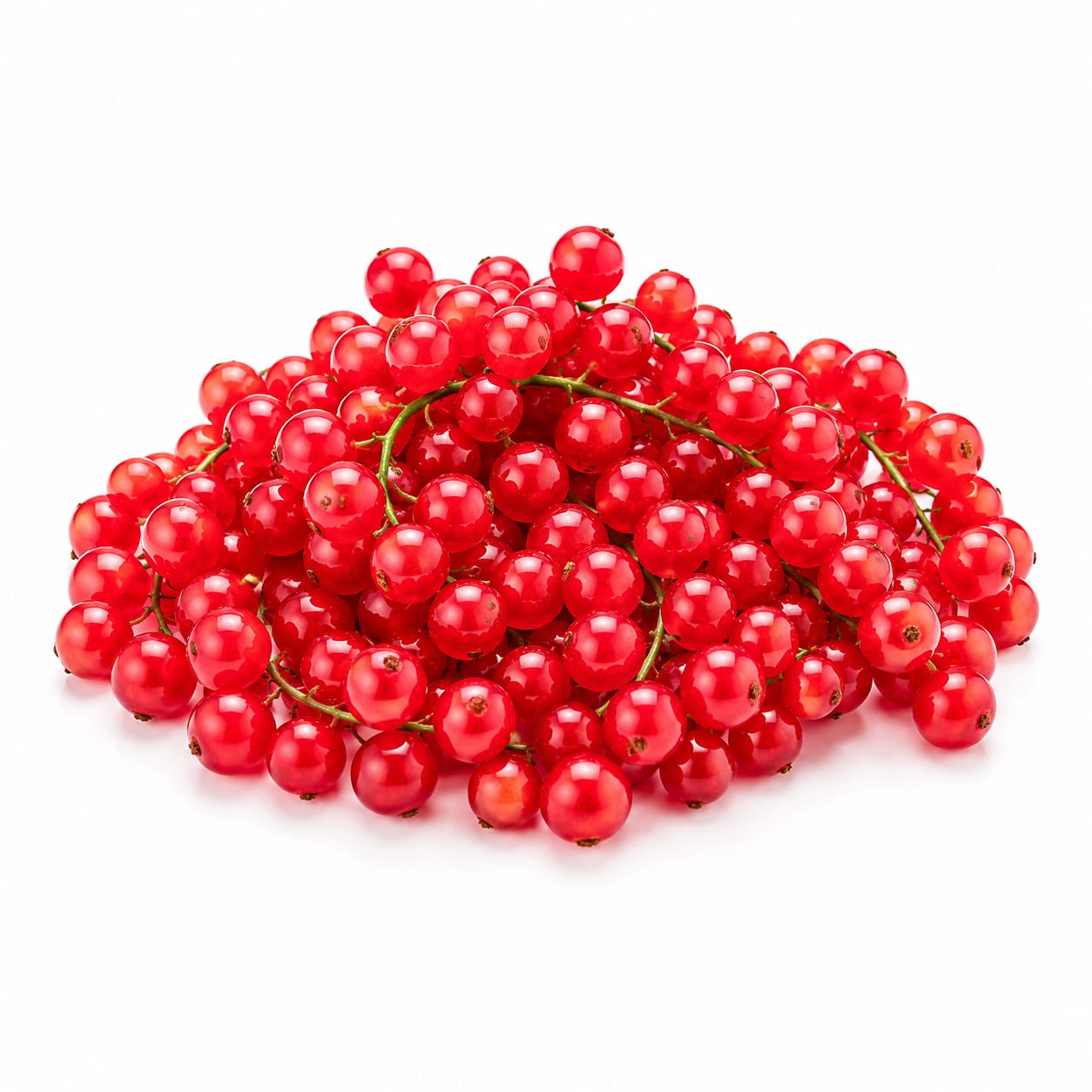
Redcurrant
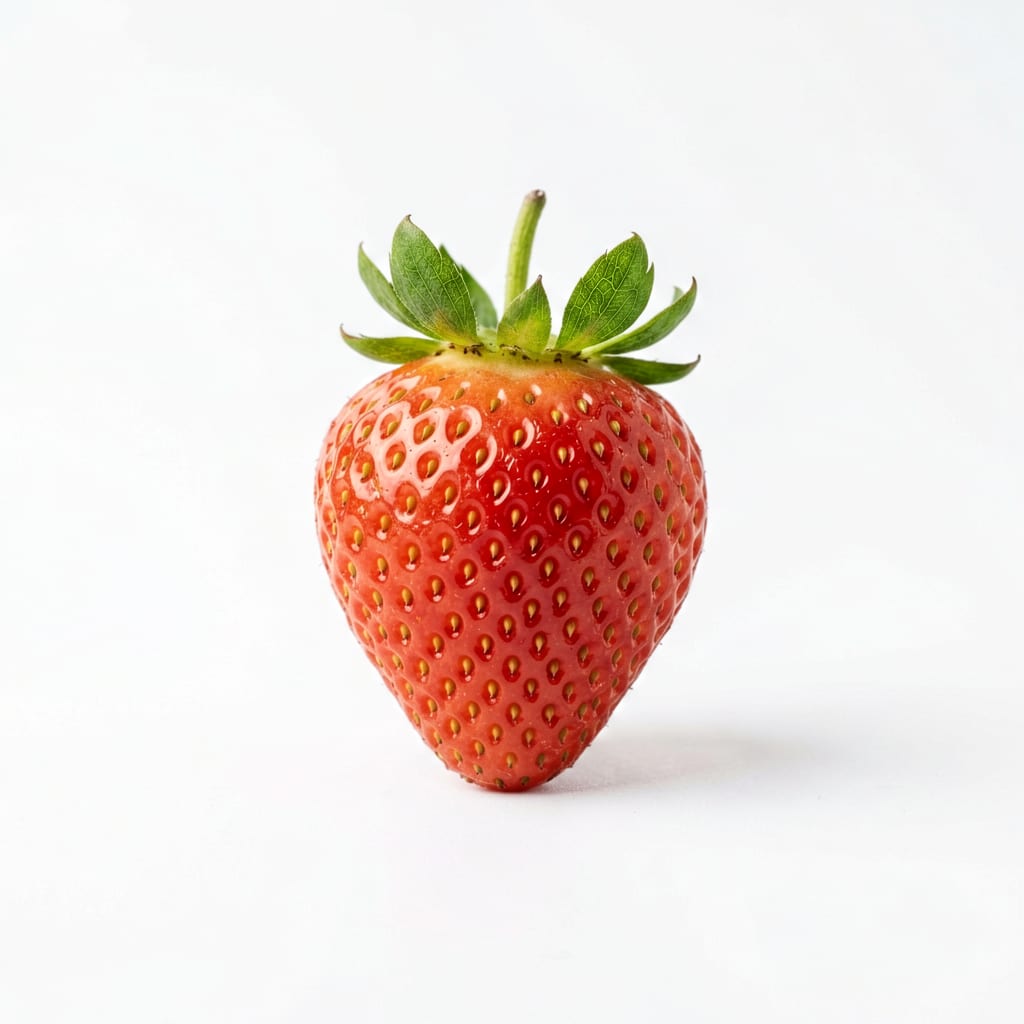
Strawberry
Strawberries are sweeter, lower in calories, and easier to eat fresh, while redcurrants pack more fiber and vitamin K per bite but come with a tart punch.
Strawberries score slightly higher due to broader palatability and lower calorie count, though redcurrants excel in fiber density and pesticide safety.
Palatability and lower calories in strawberries versus higher fiber and lower pesticide risk in redcurrants.
At a glance
Executive summary
Overall
It depends
Healthier
It depends
More practical
Strawberry
Daily use
Strawberry
Key comparison lenses
Berry nutrition and sugar tradeoffs
Users comparing berries often want to know which offers the best balance of sweetness, fiber, and low calories.
Pesticide exposure in fresh berries
Strawberries are famously high in pesticide residues, making safety a major decision factor against other berries.
Culinary use: fresh snacking versus tart preserves
Redcurrants are extremely tart and usually cooked with sugar, while strawberries are sweet and eaten raw, changing their real-world health impact.
Best choice for
Redcurrant
- Boosting fiber intake with Redcurrants
- Adding tart Redcurrant flavor to savory dishes or garnishes
- Avoiding high-pesticide fruits by choosing Redcurrants
Strawberry
- Low-calorie sweet snacking with Strawberries
- Easy fresh Strawberry addition to breakfasts
- Vitamin C boost from Strawberries
Least suitable for
Redcurrant
- People who dislike tart flavors in Redcurrants
- Large fresh fruit salads where Redcurrants might be too sour
Strawberry
- Those strictly avoiding Dirty Dozen pesticides in Strawberries
- High-fiber dietary needs where Strawberries fall short
Deep comparison
Dimension by dimension
Each lens scores both foods and breaks down who each option suits.
- Dimension 1 · Priority 90Strawberry
Calorie and Sugar Profile
Redcurrant · 70Strawberry · 90Strawberries are significantly lower in calories and sugar, making them a lighter sweet treat.
Tradeoff
Redcurrants have more carbs and sugar but also more fiber to slow absorption.
Why it matters
For managing weight or blood sugar, lower sugar berries are usually easier to fit into daily macros.
Real-world impact
You can eat a larger portion of Strawberries for fewer calories than Redcurrants.
Redcurrant
- Redcurrants for sustained energy due to fiber-sugar balance
Better for
- Redcurrants for strict low-carb diets
Worse for
Strawberry
- Strawberries for low-calorie diet snacking
- Strawberries for satisfying sweet cravings with less sugar
Better for
- Strawberries if you need higher caloric intake from fruit
Worse for
- Dimension 2 · Priority 85Redcurrant
Fiber and Satiety
Redcurrant · 88Strawberry · 65Redcurrants offer over double the fiber of Strawberries per 100g.
Tradeoff
You get more digestive filling power from Redcurrants, but their tartness limits how many you can eat at once.
Why it matters
Fiber keeps you full and stabilizes blood sugar, reducing cravings later.
Real-world impact
A small bowl of Redcurrants will keep you satisfied longer than the same volume of Strawberries.
Redcurrant
- Redcurrants for improving digestion
- Redcurrants for staying full between meals
Better for
- Redcurrants if you have a sensitive stomach to high fiber
Worse for
Strawberry
- Strawberries for eating larger volumes without feeling stuffed
Better for
- Strawberries for high-fiber dietary needs
Worse for
- Dimension 3 · Priority 80It depends
Antioxidant and Micronutrient Density
Redcurrant · 82Strawberry · 84Strawberries provide more vitamin C, while Redcurrants deliver more vitamin K and iron.
Tradeoff
Vitamin C supports immunity and skin, while vitamin K is crucial for blood clotting and bone health.
Why it matters
Both are nutrient-dense, but they shine in different areas.
Real-world impact
Strawberries are great for an immune boost, while Redcurrants help more with bone health and trace minerals.
Redcurrant
- Redcurrants for bone health support
- Redcurrants for increasing iron intake
Better for
- Redcurrants if you specifically need a vitamin C boost
Worse for
Strawberry
- Strawberries for immune system support
- Strawberries for collagen and skin health
Better for
- Strawberries if you need more vitamin K
Worse for
- Dimension 4 · Priority 88Redcurrant
Pesticide and Contamination Risk
Redcurrant · 85Strawberry · 50Strawberries consistently rank on the EWG's Dirty Dozen for high pesticide residues, while Redcurrants are less contaminated.
Tradeoff
Strawberries are safer when organic, but organic options are often expensive or less available.
Why it matters
Chronic pesticide exposure can disrupt hormones and gut health over time.
Real-world impact
If you cannot buy organic, Redcurrants are a safer bet for avoiding chemical residues.
Redcurrant
- Redcurrants for clean eating on a budget
- Redcurrants for avoiding the Dirty Dozen
Better for
- Conventional Redcurrants if you assume all berries are equally safe
Worse for
Strawberry
- Organic Strawberries for a clean vitamin C source
Better for
- Conventional Strawberries for daily consumption due to high pesticide risk
Worse for
- Dimension 5 · Priority 75Strawberry
Culinary Versatility and Palatability
Redcurrant · 60Strawberry · 92Strawberries are sweet and easy to eat raw; Redcurrants are very tart and usually cooked with added sugar.
Tradeoff
Eating Redcurrants raw is tough for most palates, but cooking them often negates their low-sugar health benefits.
Why it matters
A healthy food only works if you actually enjoy eating it in its healthy form.
Real-world impact
Strawberries are a grab-and-go snack; Redcurrants usually require prep or a recipe.
Redcurrant
- Redcurrants for elegant garnishes
- Redcurrants for tart flavor contrasts in recipes
Better for
- Redcurrants for quick raw snacking
Worse for
Strawberry
- Strawberries for easy everyday snacking
- Strawberries for kids lunchboxes
Better for
- Strawberries for complex culinary presentations
Worse for
Timeline
Health impact over time
Short-term
Hours to days
Redcurrant
- Quick fiber boost from Redcurrants
- Tart Redcurrant flavor can curb sweet cravings
Strawberry
- Rapid hydration and vitamin C from Strawberries
- Light, sweet energy from Strawberries without a sugar crash
Long-term
Months to years
Redcurrant
- Better bowel regularity from high fiber in Redcurrants
- Lower pesticide body burden from choosing Redcurrants
Strawberry
- Improved skin health from high vitamin C in Strawberries
- Potential pesticide exposure if conventionally grown Strawberries are eaten daily
Risk profile
Safety & processing
Both are whole, raw fruits with no additives when purchased fresh or frozen.
Redcurrant
Pesticide residue
lowRedcurrants are not heavily treated compared to other berries, but washing is still recommended.
Strawberry
Pesticide residue
highConventionally grown Strawberries are heavily treated and consistently show high pesticide residues; prioritize organic.
Who wins for whom
Audience fit
Same foods, different winners depending on your goal.
children
StrawberryKids overwhelmingly prefer the sweet, mild taste of Strawberries over tart Redcurrants.
daily consumption
StrawberryStrawberries are easier to find, eat raw, and pair with everyday meals like oatmeal or yogurt.
diabetes
RedcurrantRedcurrants have more fiber to slow sugar absorption, though both are acceptable in moderation.
elderly
RedcurrantThe higher vitamin K in Redcurrants supports bone density, which is crucial for aging populations.
muscle gain
It dependsNeither is a significant protein source, but both offer vitamin C for collagen synthesis and recovery.
weight loss
StrawberryStrawberries are lower in calories and sugar, making it easier to stay in a deficit while satisfying a sweet tooth.
Your move
Decision guide
Choose Redcurrant
- You want a high-fiber, low-pesticide berry like Redcurrants
- You enjoy tart flavors or making Redcurrant preserves
- You need more vitamin K in your diet
Choose Strawberry
- You want a low-calorie sweet snack like Strawberries
- You can buy organic Strawberries or accept the pesticide tradeoff
- You need an easy, kid-friendly fruit like Strawberries
Either works if
- You want antioxidant-rich berries for smoothies
- You are looking for whole-food vitamin C sources
Avoid both if
- You have a severe berry allergy
- You are on a very strict low-carb diet and cannot spare the carbs
Final recommendation
Choose Strawberries for an easy, sweet, low-calorie daily snack (ideally organic), but opt for Redcurrants if you want more fiber, a tart flavor punch, and a lower-pesticide alternative.
Practical
Consumer tips
- 1
Always buy organic Strawberries when possible to avoid high pesticide exposure.
- 2
Rinse both berries gently right before eating, not before storing, to prevent mold.
- 3
If Redcurrants are too tart to eat raw, try mixing a small handful into a sweeter fruit salad instead of cooking them with sugar.
- 4
Freeze both berries when in season for year-round smoothie additions.