
Nutrition comparison
Redcurrant vs Gooseberry: Nutrition, Taste, and Health Comparison
Compare Redcurrant and Gooseberry side by side — vitamin C, fiber, sugar, taste, and which berry fits your health goals better. Practical nutrition advice for everyday choices.
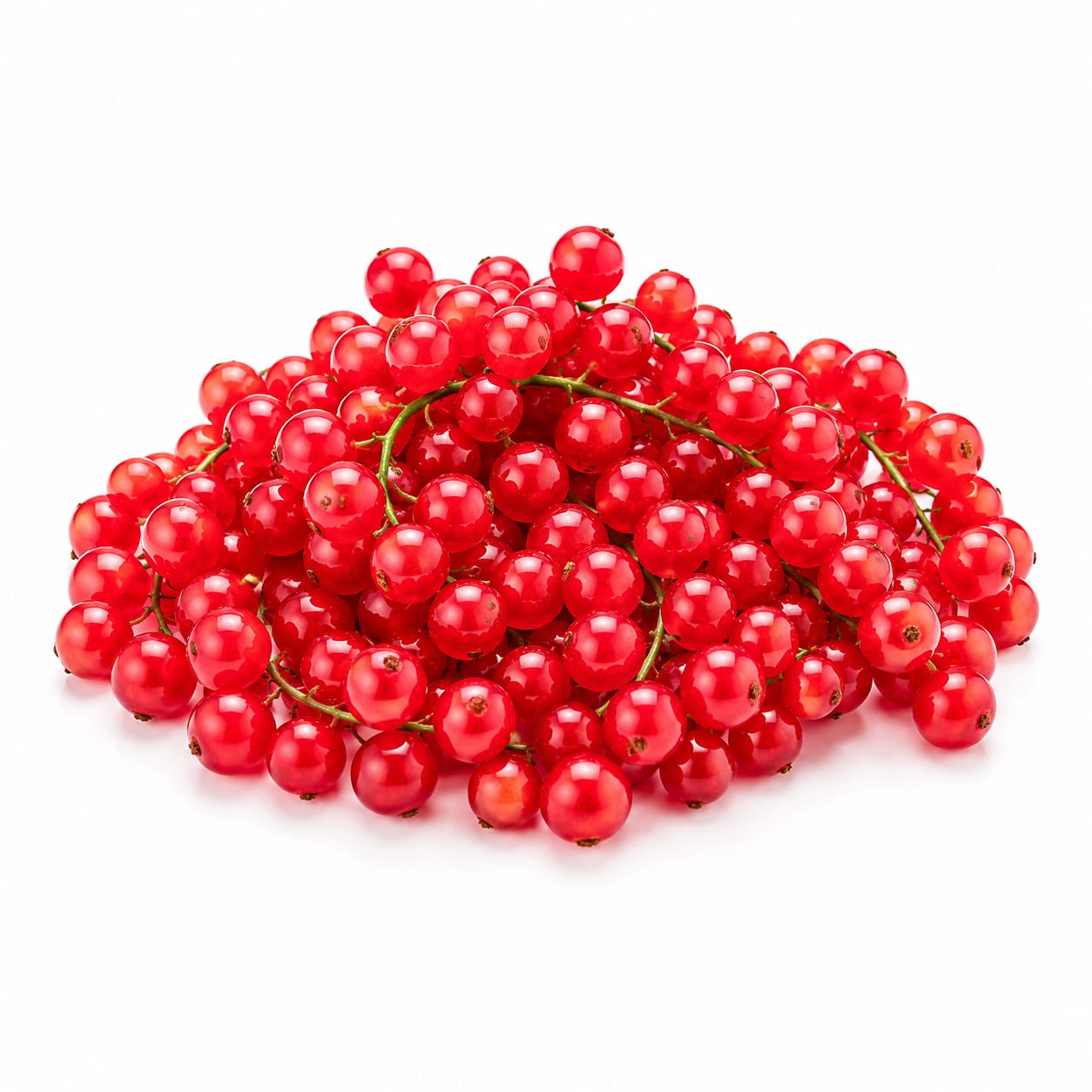
Redcurrant
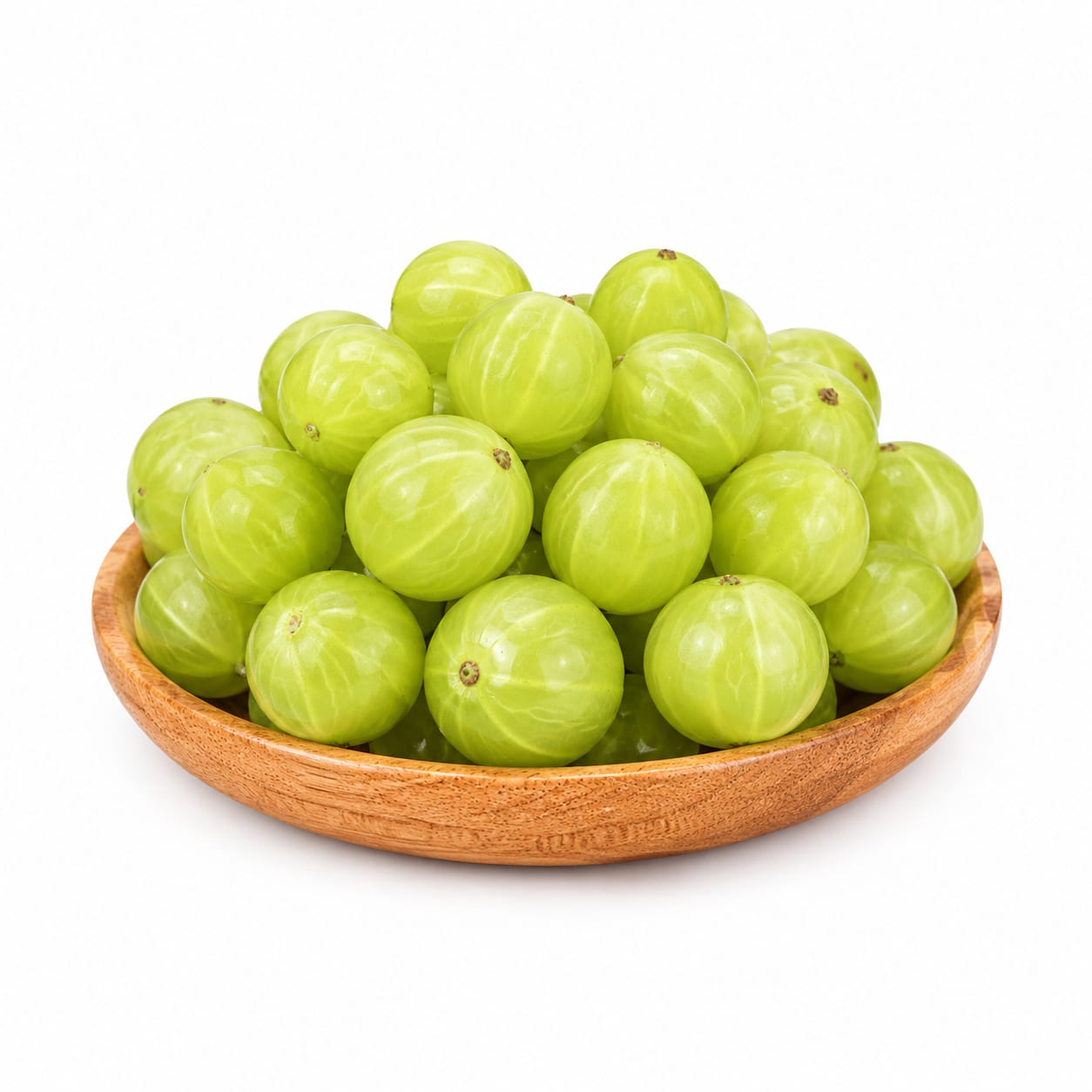
Gooseberry
Redcurrant wins on vitamin C and mineral density, while Gooseberry offers more fiber per calorie and a milder tartness that's easier to enjoy fresh.
Redcurrant edges ahead nutritionally with more vitamin C, potassium, and iron per serving. Gooseberry stays competitive thanks to better calorie-to-fiber ratio and broader culinary appeal. The gap is small because both are strong nutrient-dense berries with similar profiles.
Redcurrant delivers a sharper nutrient punch per serving but is intensely tart and harder to eat raw. Gooseberry is gentler on the palate and more versatile in the kitchen, with slightly lower calorie density.
At a glance
Executive summary
Overall
It depends
Healthier
Redcurrant
More practical
Gooseberry
Daily use
Gooseberry
Key comparison lenses
antioxidant and vitamin comparison
Both berries are prized for their vitamin C and antioxidant content, making this the primary decision driver for health-conscious users
tartness and culinary use
Both are notably tart berries often used in preserves rather than eaten fresh, so taste tolerance and kitchen versatility matter greatly
blood sugar and low carb suitability
Users comparing berries often care about sugar load and glycemic impact for weight management or diabetes
digestive health and fiber
Both berries offer meaningful fiber, and users want to know which supports gut health better
availability and practicality
Both can be hard to find fresh outside specialty markets, affecting real-world usability
Best choice for
Redcurrant
- Maximizing vitamin C and iron intake in a small serving
- Adding bright tart flavor to dishes without added sugar
- Boosting antioxidant variety alongside other berries
Gooseberry
- Eating fresh as a snack without wincing at tartness
- Baking and cooking where a milder tart berry works better
- Sustained fiber intake with fewer calories
Least suitable for
Redcurrant
- Anyone sensitive to very sour flavors who wants to eat berries raw
- Smoothie lovers who prefer sweet, drinkable blends without sweetener
Gooseberry
- Those specifically seeking the highest vitamin C concentration per gram
- People who want a visually striking garnish or jelly with vivid red color
Deep comparison
Dimension by dimension
Each lens scores both foods and breaks down who each option suits.
- Dimension 1 · Priority 92Redcurrant
vitamin_and_mineral_density
Redcurrant · 84Gooseberry · 70Redcurrant delivers significantly more vitamin C, potassium, and iron per 100g, making it the stronger micronutrient choice.
Tradeoff
That nutrient edge comes with slightly more calories and sugar, though both are still low-sugar fruits by any standard.
Why it matters
If you're eating berries partly for immune support or iron absorption, Redcurrant gives you more per bite.
Real-world impact
A handful of Redcurrant covers roughly 50% of your daily vitamin C needs; Gooseberry covers about 35%.
Redcurrant
- Immune system support during cold season
- Iron-deficient individuals pairing berries with iron-rich meals
Better for
- People strictly tracking every gram of sugar intake
Worse for
Gooseberry
- Those who prioritize calorie efficiency over peak vitamin content
Better for
- Anyone relying on a single berry as their primary vitamin C source
Worse for
- Dimension 2 · Priority 78Gooseberry
fiber_and_digestive_health
Redcurrant · 72Gooseberry · 80Gooseberry provides comparable fiber with fewer calories, giving it a better fiber-to-calorie ratio that supports gut health without extra energy intake.
Tradeoff
The difference is modest — both are solid fiber sources. Redcurrant's slightly higher absolute fiber per 100g comes alongside more calories.
Why it matters
Better fiber efficiency means steadier digestion and blood sugar without needing larger portions.
Real-world impact
A cup of Gooseberry feels lighter in the stomach while still keeping you regular.
Redcurrant
- Larger appetites who don't mind the extra calories for more total fiber
Better for
- Calorie-restricted diets where every calorie needs to work hard
Worse for
Gooseberry
- Weight-conscious eaters wanting maximum fullness per calorie
- Those with sensitive digestion who prefer lighter portions
Better for
- Those who need high absolute fiber intake and eat large portions anyway
Worse for
- Dimension 3 · Priority 85Gooseberry
taste_and_eating_enjoyment
Redcurrant · 55Gooseberry · 72Gooseberry is milder and more approachable raw. Redcurrant is sharply tart — most people need sweetener or cooking to enjoy it.
Tradeoff
Redcurrant's intense tartness makes it a stunning flavor accent in small amounts, but limits how much you'll actually want to eat fresh.
Why it matters
A berry you enjoy eating regularly beats a nutritionally superior one that sits in the fridge because it's too sour.
Real-world impact
You'll likely eat Gooseberry as a fresh snack. Redcurrant usually ends up in jam, sauce, or as a garnish.
Redcurrant
- Culinary adventurers who love bold tart flavors
- Home cooks making sauces, jellies, or dessert toppings
Better for
- Anyone who finds lemons too sour
- Smoothie drinkers who don't want to add sweetener
Worse for
Gooseberry
- Fresh snacking straight from the container
- Kids or picky eaters who need gentler flavors
Better for
- Those seeking an intense flavor punch in small quantities
Worse for
- Dimension 4 · Priority 80Redcurrant
antioxidant_diversity
Redcurrant · 82Gooseberry · 75Redcurrant's deep red skin signals higher anthocyanin content, while Gooseberry offers different antioxidants including chlorogenic acid. Both are strong, but Redcurrant has the edge in total antioxidant capacity.
Tradeoff
Gooseberry's green varieties have less anthocyanin but still provide meaningful antioxidant protection through different compounds.
Why it matters
Eating a variety of antioxidant types matters more than sheer quantity, but Redcurrant contributes more per serving to your total antioxidant intake.
Real-world impact
Rotating both berries weekly gives you broader antioxidant coverage than picking just one.
Redcurrant
- Anti-aging and skin health focus
- Adding to an existing berry rotation for maximum variety
Better for
- Anyone eating only one type of berry long-term misses broader diversity
Worse for
Gooseberry
- Those already eating red/purple berries who want a different antioxidant profile
Better for
- Those relying on a single berry for maximum antioxidant impact
Worse for
- Dimension 5 · Priority 75Gooseberry
blood_sugar_stability
Redcurrant · 70Gooseberry · 78Both berries have low glycemic loads, but Gooseberry's lower sugar content and better fiber-to-carb ratio make it slightly gentler on blood sugar.
Tradeoff
The difference is small enough that both are excellent choices for blood sugar management compared to almost any other fruit.
Why it matters
For diabetics or anyone avoiding energy crashes, every gram of sugar and fiber ratio matters in daily food decisions.
Real-world impact
Neither berry will cause a spike, but Gooseberry gives you slightly more margin if you're pairing it with other carbs.
Redcurrant
- Active individuals who burn through carbs quickly
Better for
- Very carb-sensitive individuals tracking sugar grams precisely
Worse for
Gooseberry
- Diabetics counting every gram of sugar
- Keto-adjacent eaters minimizing carb intake
Better for
- Endurance athletes who actually need quick carb energy
Worse for
- Dimension 6 · Priority 65Gooseberry
availability_and_convenience
Redcurrant · 58Gooseberry · 65Both are specialty berries, but Gooseberry has slightly broader availability in farmers markets and grocery stores, especially in regions with Northern European culinary traditions.
Tradeoff
Neither competes with blueberries or strawberries for convenience. Both are easiest to find frozen or in preserved forms.
Why it matters
A berry you can't find fresh is one you won't eat regularly, no matter how nutritious it is.
Real-world impact
Most people will buy both frozen, which preserves nutrients well but changes texture and usage options.
Redcurrant
- European cooks who use them traditionally in desserts and sauces
Better for
- North American shoppers outside specialty stores
- Those wanting a grab-and-go fresh berry
Worse for
Gooseberry
- Home gardeners — Gooseberry bushes are hardy and productive
- Bakers who want a tart fruit for pies and crumbles
Better for
- Tropical and subtropical regions where neither grows well
Worse for
Timeline
Health impact over time
Short-term
Hours to days
Redcurrant
- Quick vitamin C boost supporting immune function within hours
- Tartness may stimulate saliva and digestive juices, aiding appetite
- High water content provides mild hydration
Gooseberry
- Steadier energy with less sugar crash risk than sweeter fruits
- Fiber promotes comfortable digestion without bloating at normal portions
- Mild diuretic effect from potassium supports reduced water retention
Long-term
Months to years
Redcurrant
- Consistent vitamin C and iron intake supports collagen production and skin health over months
- Anthocyanin-rich red pigments contribute to cardiovascular protection with regular consumption
- Low calorie density aids weight maintenance when replacing higher-sugar fruits
Gooseberry
- Sustained fiber intake promotes healthy gut microbiome diversity over time
- Chlorogenic acid and other compounds may support liver health with regular consumption
- Lower sugar load reduces cumulative insulin demand across years of eating
Risk profile
Safety & processing
Both Redcurrant and Gooseberry are whole, unprocessed berries when purchased fresh or frozen. The main concern is added sugar in preserved forms like jams and jellies, which can negate their natural low-sugar advantage. Always check labels on jarred or canned versions.
Redcurrant
pesticide_residue
mediumSmall berries are difficult to wash thoroughly and may retain surface pesticide residue. Organic options are worth considering when available.
mold_and_spoilage
mediumRedcurrants are delicate and mold quickly at room temperature. Refrigerate immediately and consume within a few days of purchase.
Gooseberry
pesticide_residue
mediumSimilar to Redcurrant, the small size and skin texture make thorough washing difficult. Go organic when possible.
oxalate_content
lowGooseberries contain moderate oxalates. Not a concern for most people, but those with kidney stone history should be mindful of portion sizes.
Who wins for whom
Audience fit
Same foods, different winners depending on your goal.
children
GooseberryGooseberry's milder tartness is more likely to be accepted by kids. Redcurrant's intense sourness often requires sweetening, which adds sugar.
daily consumption
GooseberryGooseberry's gentler flavor and better calorie efficiency make it easier to eat consistently without fatigue or needing recipe adjustments.
diabetes
GooseberryGooseberry's lower sugar content and favorable fiber-to-carb ratio provide a slight edge for blood sugar management, though both are excellent low-GI choices.
elderly
RedcurrantRedcurrant's higher vitamin C and iron content supports immune resilience and anemia prevention, which are common concerns in older adults.
muscle gain
It dependsNeither berry is a meaningful protein source. Both work equally well as light, nutrient-rich sides to protein-focused meals.
weight loss
GooseberryGooseberry's lower calorie density and better fiber-to-calorie ratio make it slightly more filling per calorie, helping with portion control.
Your move
Decision guide
Choose Redcurrant
- You want maximum vitamin C and mineral density per serving
- You enjoy bold tart flavors or already cook with sharp fruit accents
- You're focused on immune support, skin health, or iron absorption
- You make your own jams, sauces, or desserts and want intense flavor
Choose Gooseberry
- You want a tart berry you can actually eat fresh by the handful
- Calorie efficiency and fiber per calorie are your priorities
- You're managing blood sugar and want the lowest sugar option
- You bake often and need a versatile tart fruit for pies and crumbles
Either works if
- You're rotating berries for antioxidant diversity — both are excellent additions
- You buy frozen berries for smoothies and either works well with a banana base
- You want a low-sugar fruit to replace grapes or cherries in your diet
Avoid both if
- You're on a very restricted budget and need affordable everyday fruit — both are often pricey and hard to find
- You strongly dislike tart flavors and won't eat sour fruit without heavy sweetening
- You need high-calorie or high-protein foods and berries don't fit your macro targets
Final recommendation
If you can only pick one, Gooseberry is the more practical daily berry — easier to enjoy fresh, gentler on blood sugar, and more versatile in the kitchen. But if you're building a nutrient-dense routine and don't mind cooking or sweetening, Redcurrant delivers a stronger vitamin and mineral punch. The smartest move: alternate both for broader antioxidant coverage and flavor variety.
Practical
Consumer tips
- 1
Buy both berries frozen when fresh isn't available — freezing preserves nutrients well and they're often cheaper
- 2
Wash both berries gently right before eating, not before storing, to prevent mold and mushiness
- 3
If Redcurrant is too tart to eat raw, try mashing a small amount into yogurt instead of adding honey or sugar
- 4
Gooseberry pairs surprisingly well with savory dishes — try it in a chutney or alongside roasted meats
- 5
Growing either berry at home is rewarding and cost-effective if you have a sunny spot with cold winters
- 6
For smoothies, freeze both berries first — the tartness blends better with banana or mango as a sweet base
- 7
Check jarred and canned versions for added sugar — many commercial redcurrant and gooseberry products are sugar-heavy