
Nutrition comparison
Redcurrant vs Blueberry: Nutrition, Sugar, and Antioxidant Comparison
Compare redcurrants and blueberries to find the best berry for your health goals. Discover the differences in sugar, vitamin C, and antioxidants.
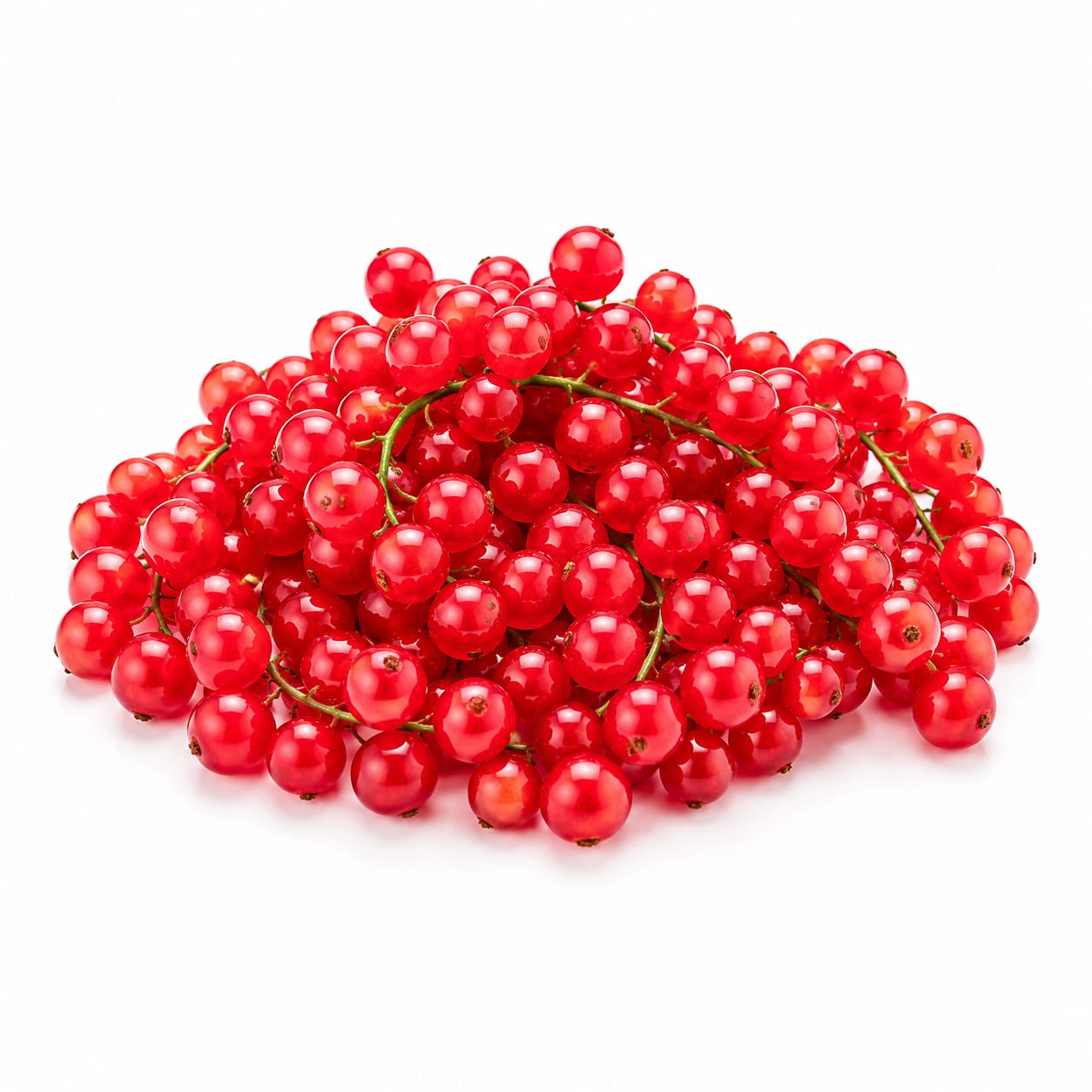
Redcurrant
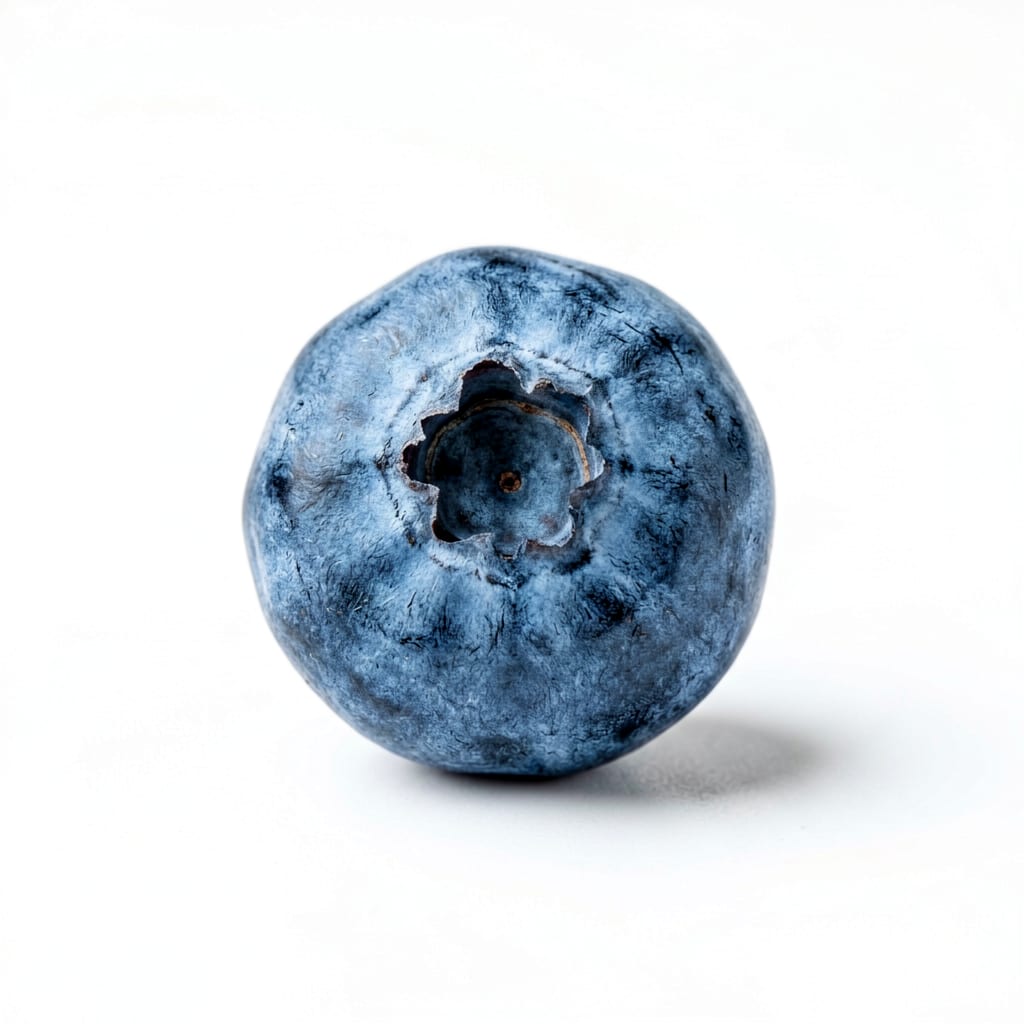
Blueberry
Blueberries are sweeter and easier to snack on, while redcurrants pack more vitamin C and far less sugar but bring a sharp tartness.
Blueberries score slightly higher for everyday practicality and brain-protecting antioxidants, but redcurrants are nutritionally competitive thanks to lower sugar and higher vitamin C.
Taste and convenience versus lower sugar and higher vitamin C.
At a glance
Executive summary
Overall
It depends
Healthier
It depends
More practical
Blueberry
Daily use
Blueberry
Key comparison lenses
Antioxidant profile and brain health benefits
Blueberries are famous for anthocyanins, while redcurrants offer different protective compounds.
Sugar content and blood sugar impact
Redcurrants are notably sharper and lower in sugar, which changes how they affect energy and cravings.
Vitamin C and immune support
Redcurrants deliver a much stronger vitamin C punch per serving.
Snackability and everyday convenience
Blueberries are sweet and poppable; redcurrants are tart and usually require pairing.
Best choice for
Redcurrant
- Low-sugar diets
- Vitamin C boost
- Tart flavor lovers
Blueberry
- Easy snacking
- Antioxidant diversity
- Picky eaters and children
Least suitable for
Redcurrant
- People who dislike sour flavors
- Sweet snacking on the go
Blueberry
- Strict low-sugar or keto diets
- Those prone to overeating sweet fruits
Deep comparison
Dimension by dimension
Each lens scores both foods and breaks down who each option suits.
- Dimension 1 · Priority 90Blueberry
Antioxidant Diversity
Redcurrant · 70Blueberry · 95Blueberries are heavily researched for their high anthocyanin content, which supports memory and brain aging.
Tradeoff
You get more brain-targeted antioxidants from blueberries, but redcurrants still provide solid general antioxidant support.
Why it matters
Daily anthocyanin intake is linked to better long-term cognitive function and reduced inflammation.
Real-world impact
Eating blueberries regularly is like a long-term investment in brain health and mental clarity.
Redcurrant
- General cellular protection
Better for
- Targeted brain-health benefits
Worse for
Blueberry
- Cognitive longevity
- Reducing age-related inflammation
Better for
- Variety in antioxidant types
Worse for
- Dimension 2 · Priority 85Redcurrant
Sugar Content and Blood Sugar Impact
Redcurrant · 90Blueberry · 70Redcurrants contain significantly less sugar per serving, leading to a gentler impact on blood sugar.
Tradeoff
Redcurrants keep your blood sugar steadier, but their tartness makes them harder to eat by the handful.
Why it matters
Lower sugar fruits help prevent afternoon energy crashes and reduce cravings.
Real-world impact
Choosing redcurrants means fewer sugar spikes and less temptation to overeat.
Redcurrant
- Steady energy levels
- Diabetes-friendly snacking
Better for
- Eating large quantities comfortably
Worse for
Blueberry
- Satisfying a sweet tooth naturally
Better for
- Managing strict carbohydrate limits
Worse for
- Dimension 3 · Priority 80Redcurrant
Vitamin C and Immune Support
Redcurrant · 92Blueberry · 65Redcurrants are a surprisingly potent source of vitamin C, outpacing blueberries by a wide margin.
Tradeoff
You get a stronger immune boost from redcurrants, but blueberries are easier to consume in larger volumes.
Why it matters
Vitamin C is crucial for immune resilience, skin health, and iron absorption.
Real-world impact
A handful of redcurrants can give you a noticeable vitamin C lift, especially during cold season.
Redcurrant
- Fighting off colds
- Supporting skin collagen
Better for
- Convenience of getting enough volume
Worse for
Blueberry
- Consistent low-level antioxidant intake
Better for
- High-dose vitamin C needs
Worse for
- Dimension 4 · Priority 75Blueberry
Snackability and Culinary Use
Redcurrant · 55Blueberry · 90Blueberries are sweet, portable, and easy to eat raw. Redcurrants are very tart and usually need to be paired with other foods.
Tradeoff
Blueberries are a grab-and-go superfood, while redcurrants are more of a culinary accent.
Why it matters
The best healthy food is the one you actually want to eat consistently.
Real-world impact
Blueberries are perfect for busy mornings or quick snacks; redcurrants shine as a garnish or in recipes.
Redcurrant
- Adding tartness to sweet dishes
- Decorative garnishing
Better for
- Eating out of hand
Worse for
Blueberry
- Quick snacking
- Mixing into oatmeal or yogurt effortlessly
Better for
- Adding complex flavor contrast
Worse for
Timeline
Health impact over time
Short-term
Hours to days
Redcurrant
- Quick vitamin C hit for immune support
- Tartness can naturally curb appetite
Blueberry
- Mild energy boost from natural sugars
- Easy, gentle digestion
Long-term
Months to years
Redcurrant
- Lower sugar intake supports metabolic health
- Consistent vitamin C aids skin elasticity
Blueberry
- Anthocyanins may preserve memory and focus
- Regular intake supports cardiovascular health
Risk profile
Safety & processing
Both are whole, unprocessed fruits when purchased fresh or frozen, making them exceptionally clean choices.
Redcurrant
Pesticide residue
mediumWhile less commercially intensive than blueberries, conventional redcurrants can still carry pesticide residue. Washing thoroughly is advised.
Blueberry
Pesticide residue
highBlueberries frequently appear on the EWG Dirty Dozen list due to high pesticide residue. Opting for organic is strongly recommended.
Who wins for whom
Audience fit
Same foods, different winners depending on your goal.
children
BlueberryBlueberries are sweeter, easier to chew, and generally more appealing to kids.
daily consumption
BlueberryBlueberries are easier to find, eat, and incorporate into daily meals without getting palate fatigue.
diabetes
RedcurrantRedcurrants have a lower sugar content and gentler impact on blood glucose.
elderly
BlueberryThe anthocyanins in blueberries offer targeted protection against age-related cognitive decline.
muscle gain
It dependsNeither is a significant protein source, but both offer useful micronutrients for recovery.
weight loss
RedcurrantLower sugar and higher tartness make redcurrants less likely to trigger overeating.
Your move
Decision guide
Choose Redcurrant
- You want a low-sugar fruit to balance sweet meals
- You need a vitamin C boost
- You enjoy tart, vibrant flavors in your cooking
Choose Blueberry
- You want a convenient, sweet snack
- Brain health and cognitive aging are top priorities
- You are feeding children or picky eaters
Either works if
- You just need a handful of berries for a smoothie
- You are looking for a natural antioxidant boost
Avoid both if
- You have a severe berry or salicylate allergy
Final recommendation
Let your taste preference and sugar goals decide. Blueberries are the ultimate daily snacking berry for sweetness and brain health, while redcurrants are the unsung heroes for vitamin C and blood sugar control. Mixing them together gives you the best of both worlds.
Practical
Consumer tips
- 1
Buy organic blueberries whenever possible to avoid high pesticide exposure.
- 2
Mix redcurrants into yogurt or oatmeal to mellow their tartness without adding sugar.
- 3
Freeze both berries when in season; they retain their nutrients perfectly for smoothies.
- 4
Use redcurrants as a garnish over desserts to add visual appeal and a sharp flavor contrast.