
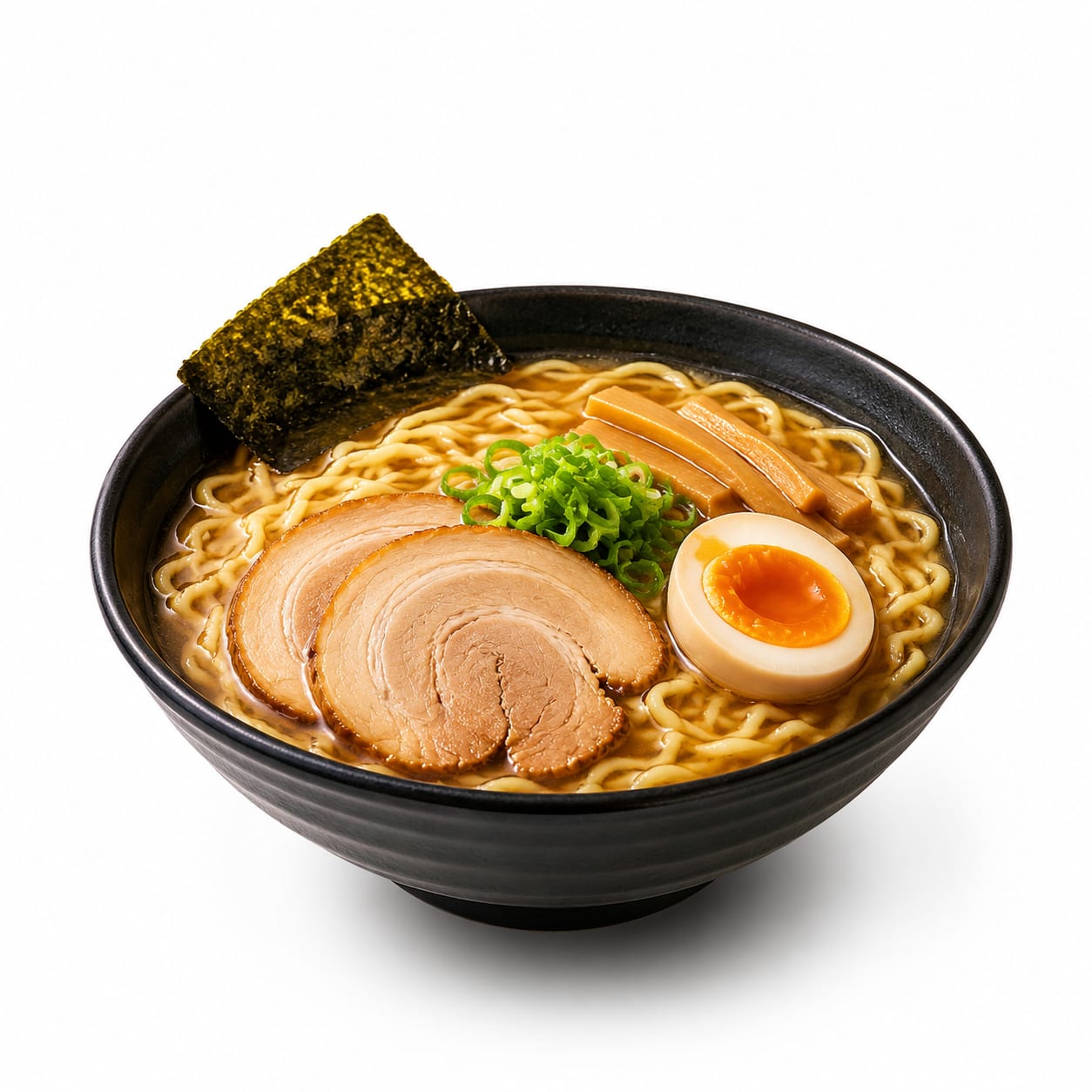
Noodles and Pasta
Ramen
Ramen is a quick-cooking wheat noodle dish, often sold as an ultra-processed instant product with a high-sodium flavor packet.
Ramen is a Japanese noodle soup dish consisting of wheat noodles served in a meat or fish-based broth, often flavored with soy sauce or miso. In global contexts, it most commonly refers to instant ramen, a highly processed, pre-cooked dried noodle block sold with a seasoning packet.
fast-digesting refined carbohydrate source with extreme sodium density
Typical serving · 100g
Common varieties · instant packaged, cup or bowl noodles, fresh ramen noodles, restaurant tonkotsu, restaurant shoyu +1 more
Overall context score across nutrition, safety, and diet fit
At a glance
Quick facts
Simple indicators based on nutrition, processing, and diet fit.
The story
What makes it unique
Instant ramen noodles are made from refined wheat flour, palm oil, and salt, then precooked via deep frying or air-drying. They digest rapidly due to the refined carbohydrate matrix and low fiber content, leading to a quick glycemic response. The accompanying seasoning packet contributes to extreme sodium density, while the noodle matrix offers minimal satiety or protein, making it a high energy-density food with low nutritional yield.
Varieties: instant packaged · cup or bowl noodles · fresh ramen noodles · restaurant tonkotsu · restaurant shoyu · restaurant miso
Per 100g
Nutrition breakdown
Macro balance and key metrics at a glance.
Energy
Density 4.50 kcal/g
Protein
Carbs
Fat
Fiber
Sugar
1.5 g
Sodium
1800 mg
Potassium
120 mg
Glycemic index
55
Glycemic load
32
Water content
5%
Standout compounds
Nutrient highlights
Sodium
highElectrolyte balance and nerve function
Carbohydrates
highRapid energy supply
Iron
moderateOxygen transport in the blood
Folate
moderateCell division and DNA synthesis
Wellness map
Health scores & processing
NOVA processing scale
Ultra-processed · Ultra-processed
Instant ramen is industrially processed with pre-cooking, deep frying, and the inclusion of artificial flavors, preservatives like TBHQ, and dehydrated highly salted seasoning packets.
Diet compatibility
- Weight loss
- Muscle gain
- Diabetes
- Gut health
- Low carb
- High protein
- Heart health
Relative standing
Food rankings
Qualitative ranks compared to similar whole foods.
- Satietypoor
- Blood sugarpoor
- Nutrient densitypoor
- Fitness fuelmoderate
- Processing qualitypoor
Eat with confidence
Food safety profile
Instant ramen poses minimal acute microbial food safety risks due to thorough dehydration. However, chronic health risks exist from extreme sodium intake and frequent consumption of artificial preservatives and flavor enhancers.
Evidence confidence 85%
- Pesticideslow
- Antibioticslow
- Heavy metalslow
- Contaminationlow
Watch for
- tbhq
- msg
- bpa from packaging
Safer choices
Low-sodium instant ramen varieties, fresh ramen noodles with homemade broth, or whole grain noodle alternatives.
Prep tips
Discard the flavor packet and use low-sodium broth instead. Add fresh vegetables and a lean protein source to improve the nutritional profile. Drain and rinse the noodles if concerned about surface oils.
High sodium levels often exceed recommended daily limits in a single serving. TBHQ and MSG are generally recognized as safe but are avoided by sensitive individuals.
Deep dive
Health analysis
How this food may fit different goals and preparation choices.
Weight loss
Ramen is poorly suited for weight loss due to its high energy density, refined carbohydrates, and low fiber content, which fail to trigger fullness signals.
Blood sugar
The refined wheat noodles digest quickly, causing rapid blood sugar spikes followed by crashes, making it a poor choice for glycemic control.
Fitness & energy
Provides rapid carbohydrate energy for intense workouts but lacks the protein required for muscle repair and sustained endurance.
Gut health
Low fiber and high sodium offer no benefits to the gut microbiome. Artificial preservatives may negatively impact gut bacteria balance over time.
Processing quality
Highly processed with industrial oils, refined flour, and artificial additives, placing it firmly in the ultra-processed category.
Food safety
Acute contamination risk is very low, but the high sodium and additive load presents long-term cardiovascular and metabolic concerns.
Common mistakes
Drinking all the broth doubles the sodium intake. Assuming all ramen is equal; fresh restaurant ramen with real bone broth is nutritionally different from instant packs.
Best preparation
Use half the seasoning packet, add fibrous vegetables like bok choy or spinach, and include a protein source like eggs or chicken to balance the meal.
Practical guide
Best use cases
When and how this food fits real eating patterns.
Urgent Caloric Replenishment
Useful for hikers or those needing cheap, fast, dense calories when nutrient density is a secondary concern to sheer energy intake.
Budget-Friendly Bulk Eating
Provides a highly satiating mouthfeel and volume for very low cost, easily modified with affordable additions like eggs or frozen veggies.
Quick Post-Workout Carbs
The fast-digesting refined carbohydrates can quickly restock glycogen stores after heavy lifting, provided protein is added separately.
Balance sheet
Pros & cons
Upsides
- Very affordable and accessible
- Quick and easy to prepare in minutes
- Long shelf life for emergency storage
- Provides rapid digesting carbohydrate energy
- Versatile base that easily absorbs added flavors and ingredients
Trade-offs
- Extremely high in sodium from the seasoning packet
- Made from refined wheat flour with very low fiber
- Lacks significant protein for muscle maintenance
- Contains industrial preservatives like TBHQ
- High energy density with low satiety triggers
- Causes rapid blood sugar spikes and crashes
Fit check
Who is it for?
Great match
- ultra-budget calorie sourcing
- quick glycogen replenishment
- backpacking and camping meals
- convenience-driven meals
Consider alternatives
- low-sodium diets
- blood sugar management
- weight loss diets
- high-protein diets
- whole food or clean eating plans
Side by side
How it compares
Open the full head-to-head analysis for nutrition, safety, and practical tradeoffs.
This food
Ramen
VS85% alike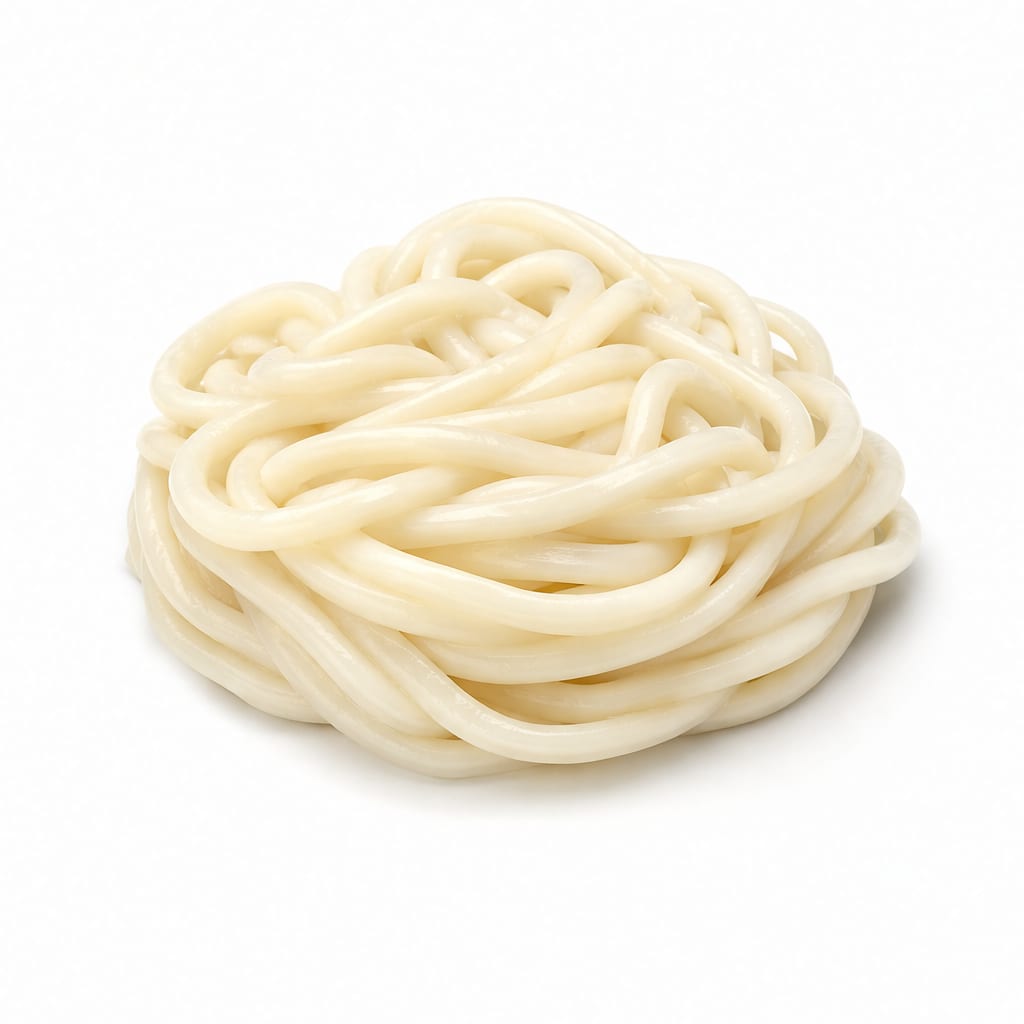
Compare with
Udon Noodles
Udon noodles are thicker and typically less processed than instant ramen, offering a similar carbohydrate base without the extreme sodium of a ramen seasoning packet.
Udon noodles are a better choice than instant ramen for weight loss and blood sugar control because they lack the ultra-processed seasoning packet and extreme sodium.
This food
Ramen
VS75% alike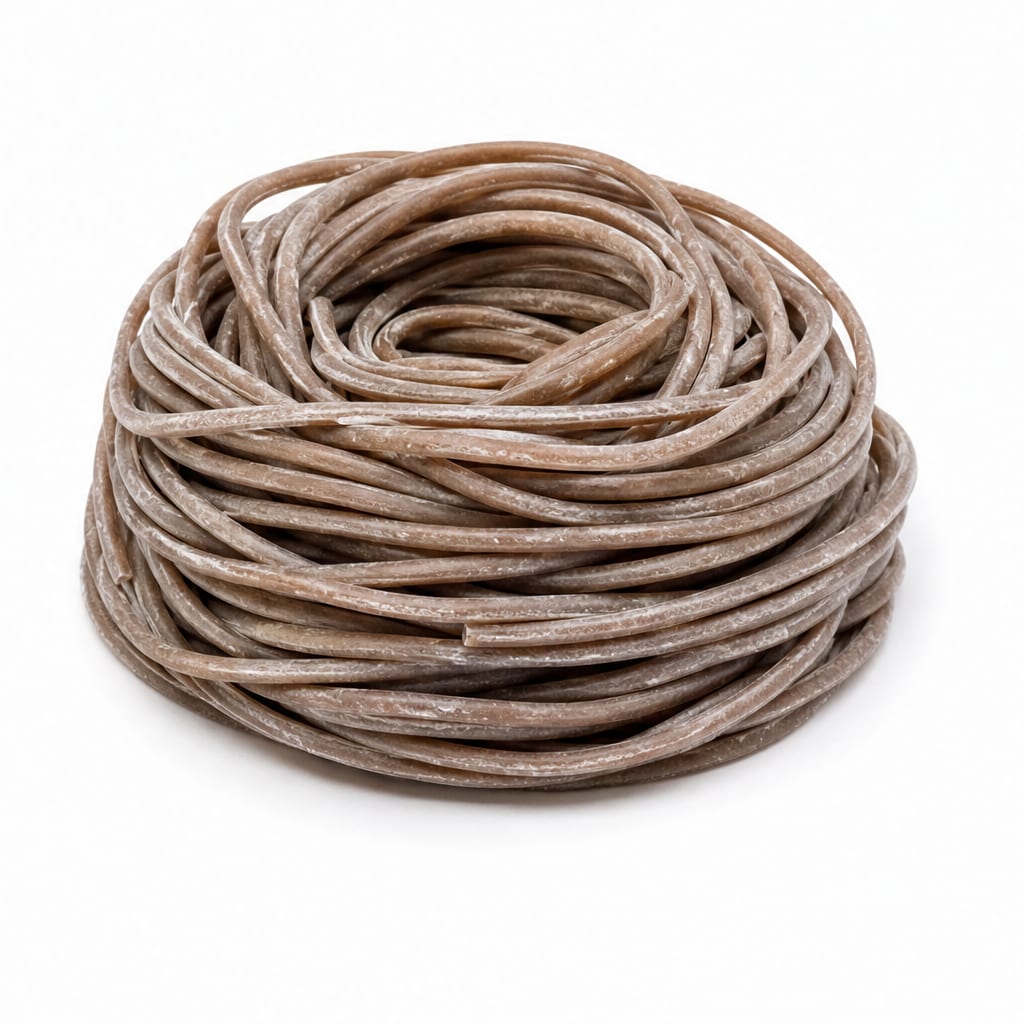
Compare with
Soba Noodles
Soba noodles contain buckwheat, which provides more fiber and protein than the refined wheat in ramen, resulting in a lower glycemic impact.
Soba noodles beat ramen for blood sugar control and weight loss because buckwheat provides more fiber and protein, slowing digestion and increasing fullness.
This food
Ramen
VS70% alike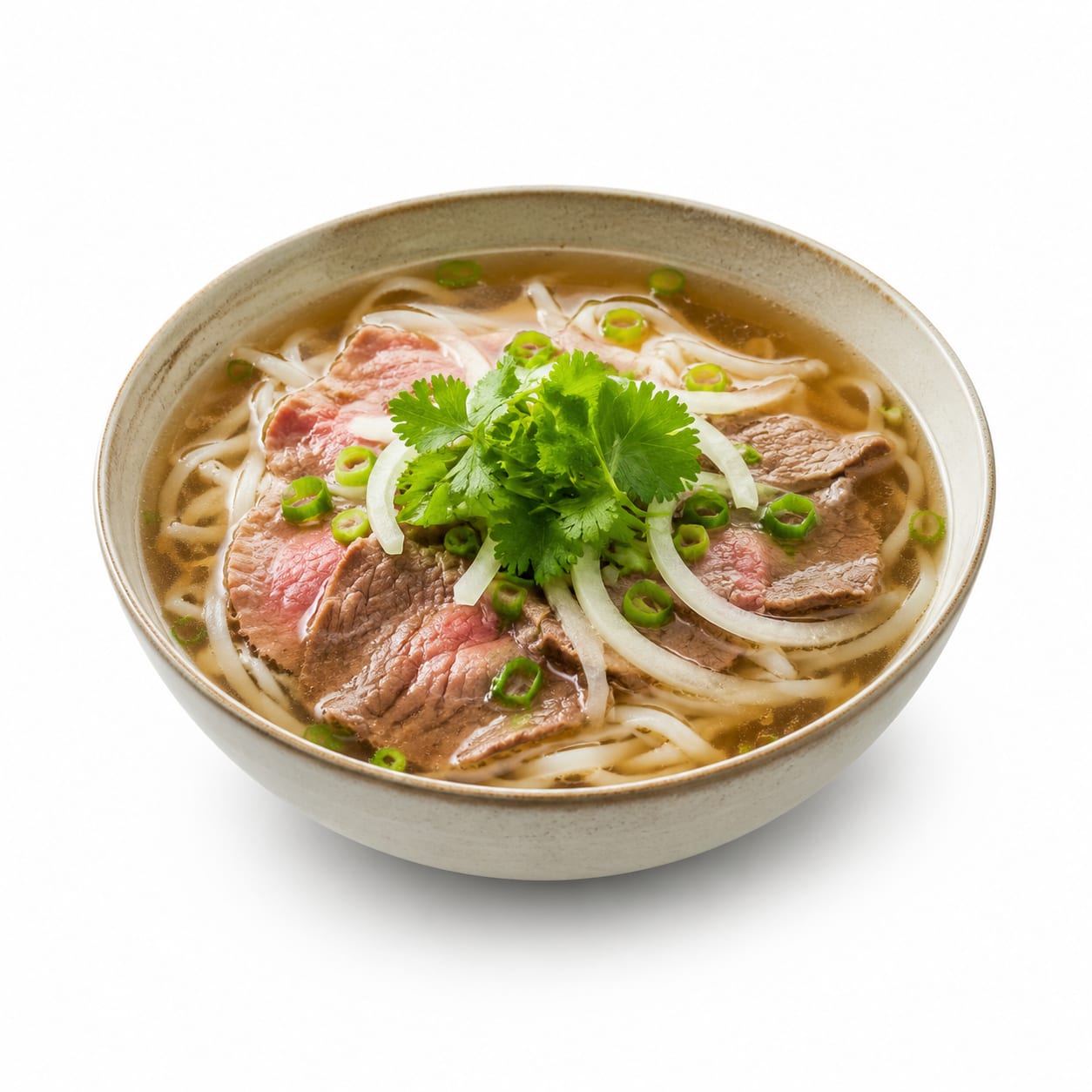
Compare with
Pho
Pho uses rice noodles and a traditionally simmered bone broth, offering more trace nutrients and less processed fat than instant ramen, though restaurant pho can still be high in sodium.
Pho is generally healthier than instant ramen, offering a less processed bone broth and rice noodles, though both require caution regarding sodium levels.
This food
Ramen
VS85% alike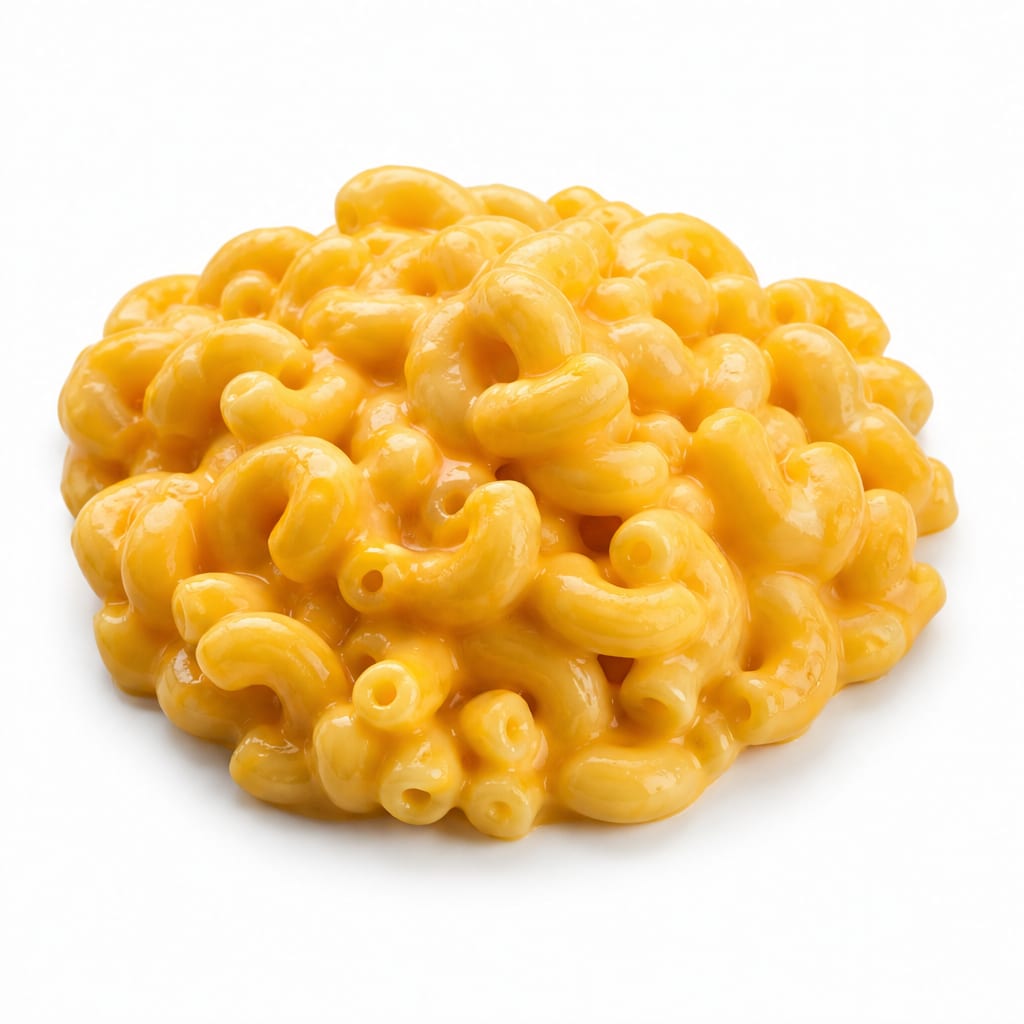
Compare with
Mac and Cheese
Mac and cheese provides more protein from dairy but contains high saturated fat, while ramen provides faster carbs but extreme sodium. Both are ultra-processed.
Mac and cheese offers slightly more protein and satiety than ramen, but both are ultra-processed and should be eaten in moderation for weight loss.
This food
Ramen
VS80% alike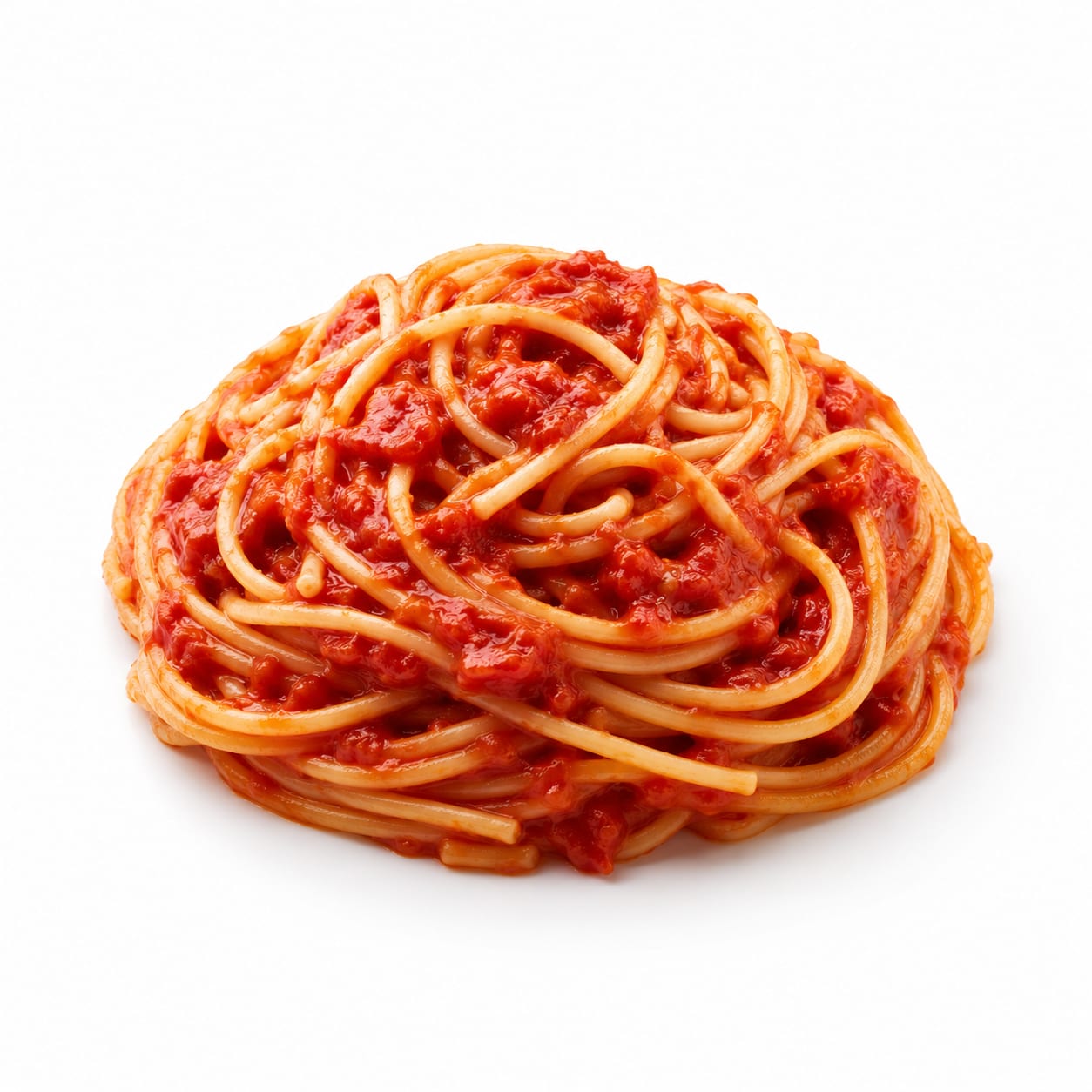
Compare with
Spaghetti
Spaghetti is a minimally processed wheat noodle compared to the deep-fried instant ramen, offering better satiety and lower sodium unless heavily salted sauces are added.
Spaghetti is less processed and lower in sodium than instant ramen, making it a better option for heart health and overall nutrition.
This food
Ramen
VS75% alike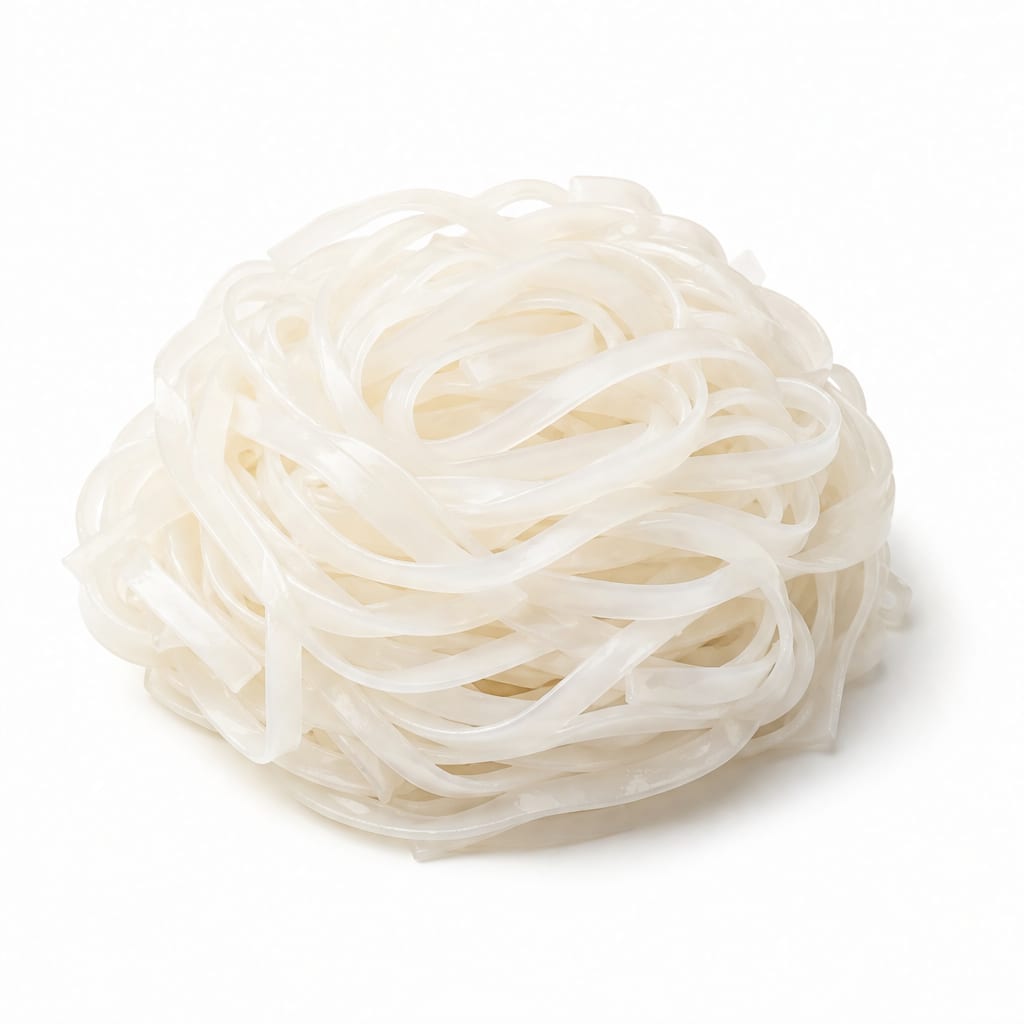
Compare with
Rice Noodles
Rice noodles are gluten-free and less processed than instant ramen, but they are equally low in protein and fiber, relying heavily on preparation for nutritional value.
Rice noodles are a less processed, gluten-free alternative to ramen, but both lack protein and need vegetables or meat to make a balanced meal.
This food
Ramen
VS80% alike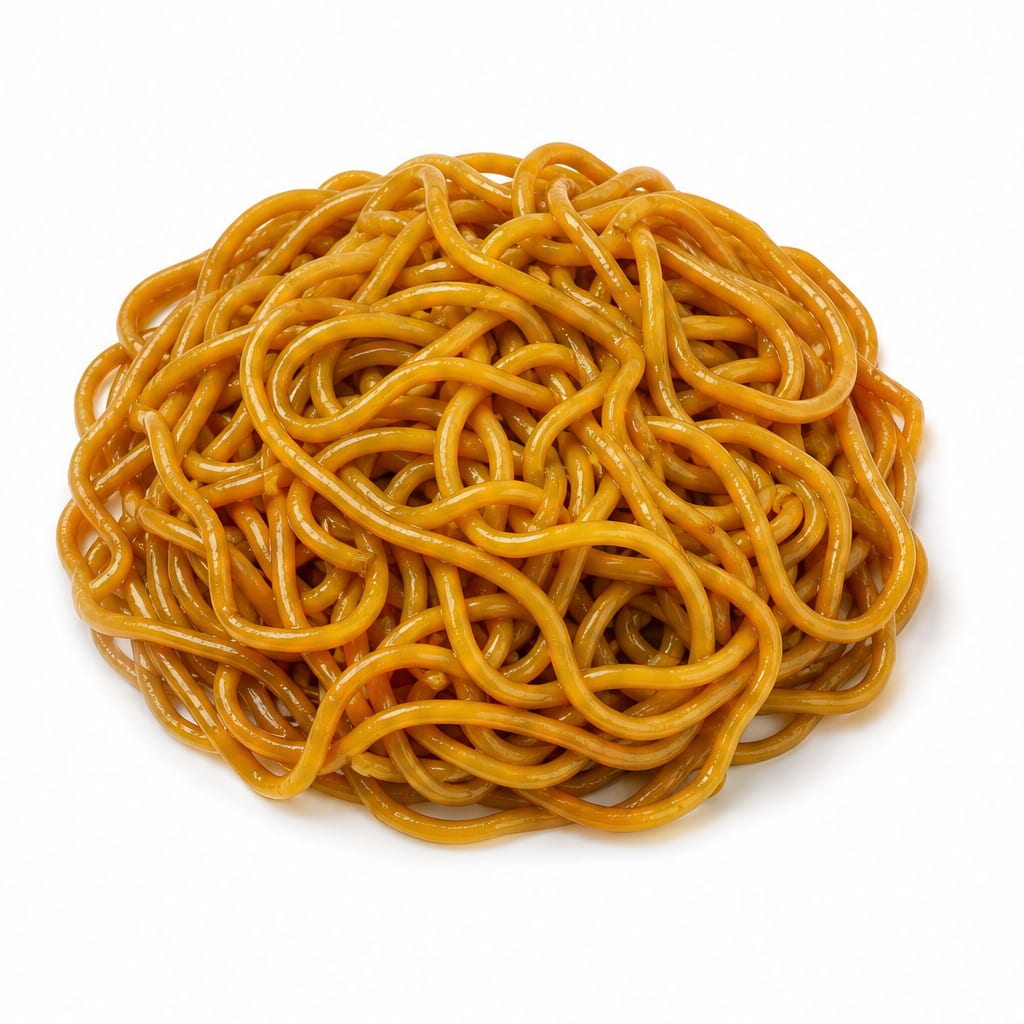
Compare with
Lo Mein
Lo mein is typically made with fresh noodles and stir-fried with oil and vegetables, offering better nutrient density than instant ramen, though it can be high in sodium and oil.
Lo mein usually includes fresh noodles and vegetables, making it more nutritious and filling than instant ramen, though both are high in sodium.
This food
Ramen
VS85% alike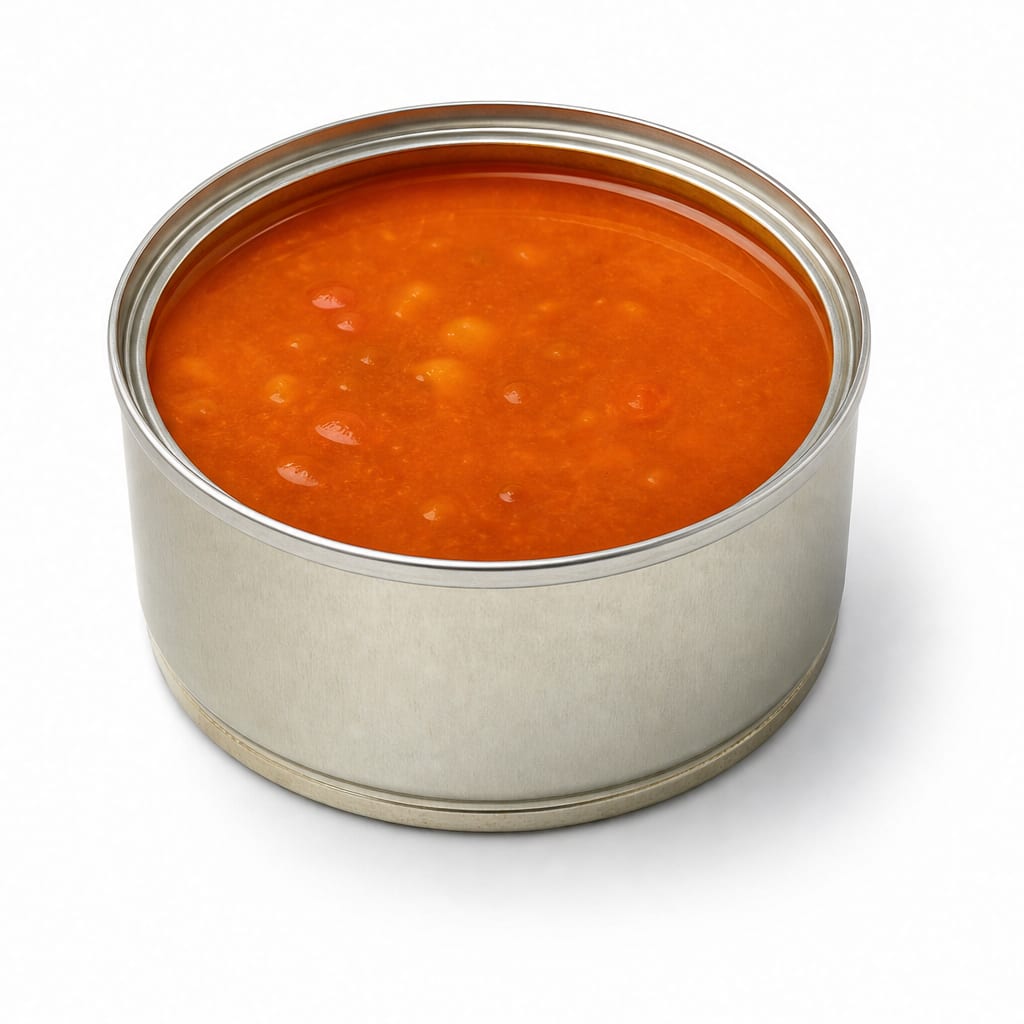
Compare with
Canned Soup
Canned soups vary widely but often contain more vegetables and less refined fat than instant ramen, though both share extreme sodium levels and ultra-processing.
Canned soup often contains more vegetables than instant ramen, but both are ultra-processed and very high in sodium, requiring careful label reading.
This food
Ramen
VS95% alike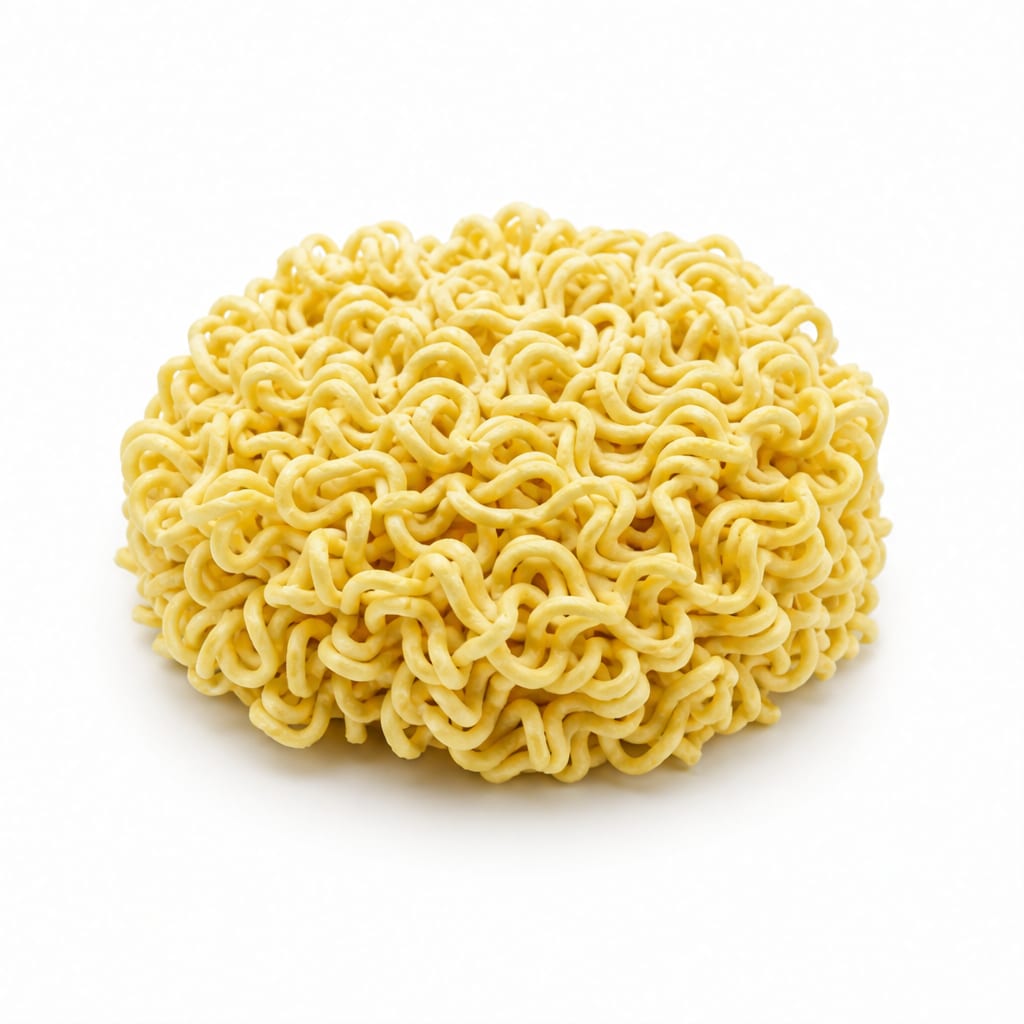
Compare with
Fresh Ramen
Fresh ramen uses un-fried noodles and scratch-made broths, providing vastly better flavor, moderate sodium, and no industrial preservatives compared to the instant version.
Fresh ramen is far healthier than instant ramen, featuring un-fried noodles and real broth without the extreme sodium and preservatives of the packaged version.
This food
Ramen
VS40% alike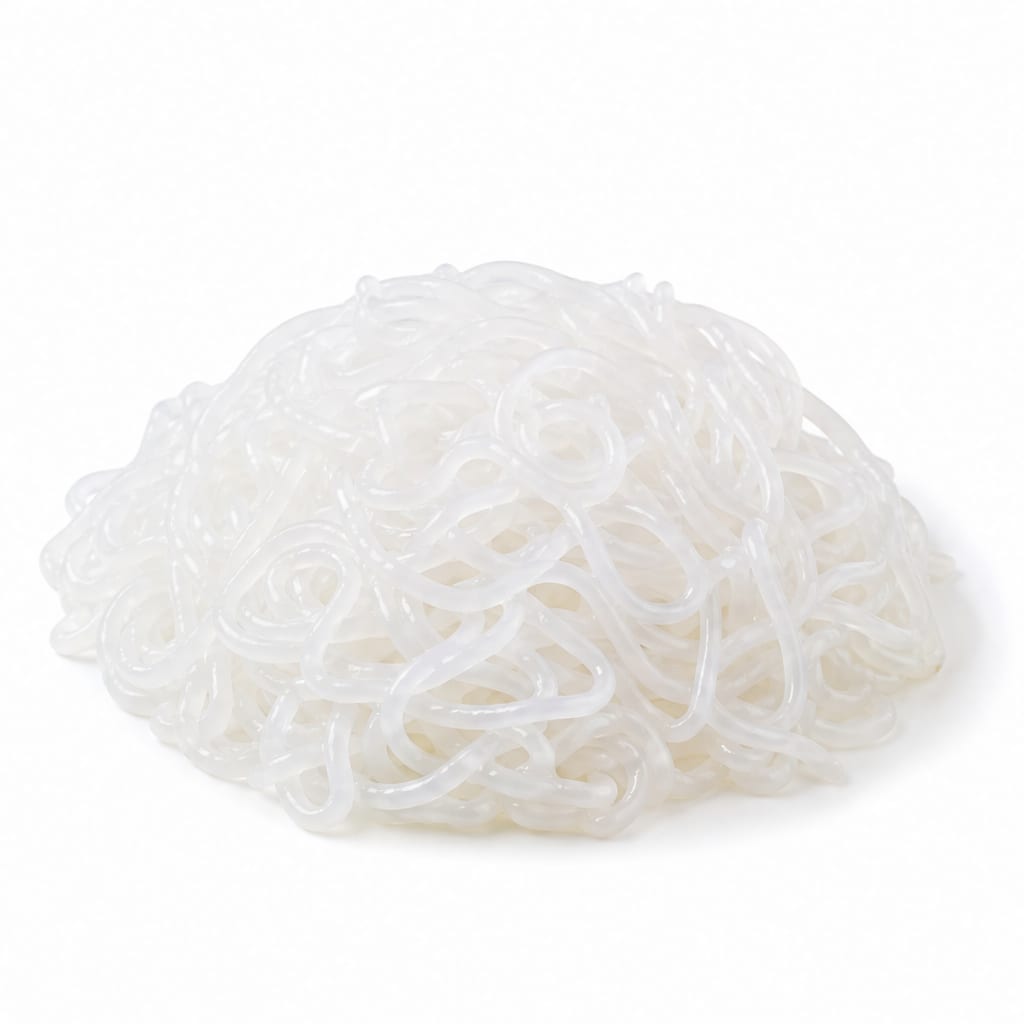
Compare with
Shirataki Noodles
Shirataki noodles contain virtually zero calories and carbs, making them vastly superior for weight loss and blood sugar compared to ramen, though they offer no energy for athletes.
Shirataki noodles crush ramen for weight loss and blood sugar control with zero carbs, but ramen provides actual energy for workouts that shirataki cannot.
Common questions
FAQ
Answers aligned with how people search for this food.
Is ramen bad for you?
Instant ramen is considered unhealthy when consumed frequently due to its high sodium content, refined carbohydrates, and lack of essential nutrients like protein and fiber. Eating it occasionally is fine, but it should not be a dietary staple.
Can I eat ramen and still lose weight?
Weight loss is about overall caloric deficit, so you can eat ramen and lose weight if you control your portions. However, ramen's low satiety and high carb content make it harder to stick to your calorie goals without feeling hungry.
Why is instant ramen so high in sodium?
The high sodium comes almost entirely from the flavor seasoning packet, which uses salt and soy sauce to preserve the dehydrated ingredients and create a strong taste in a small amount of liquid.
How can I make instant ramen healthier?
Use only half the flavor packet, discard the broth after eating the noodles, add a lean protein like chicken or tofu, and stir in fiber-rich vegetables like spinach, bok choy, or mushrooms.
Does ramen have any nutritional value?
Ramen provides quick energy from carbohydrates and small amounts of iron and B vitamins from fortified wheat flour, but it lacks substantial protein, healthy fats, and fiber.
Is ramen good for a post-workout meal?
The refined carbs in ramen can provide quick glycogen replenishment after an intense workout, but the lack of protein makes it a poor recovery food unless you add protein-rich ingredients yourself.
Can diabetics eat ramen?
Instant ramen is generally not recommended for diabetics because the refined wheat noodles cause rapid blood sugar spikes, and the high sodium worsens cardiovascular risk factors common in diabetes.
What is TBHQ in ramen?
TBHQ (tert-Butylhydroquinone) is a synthetic preservative used in instant ramen to prevent the fried noodles from going rancid. It is recognized as safe in small amounts, but high doses have been linked to negative health effects in animal studies.
Transparency
Data confidence
Estimated confidence for nutrition data, interpretation, safety notes, and comparisons.
Nutrition data
Health analysis
Food safety
Comparisons